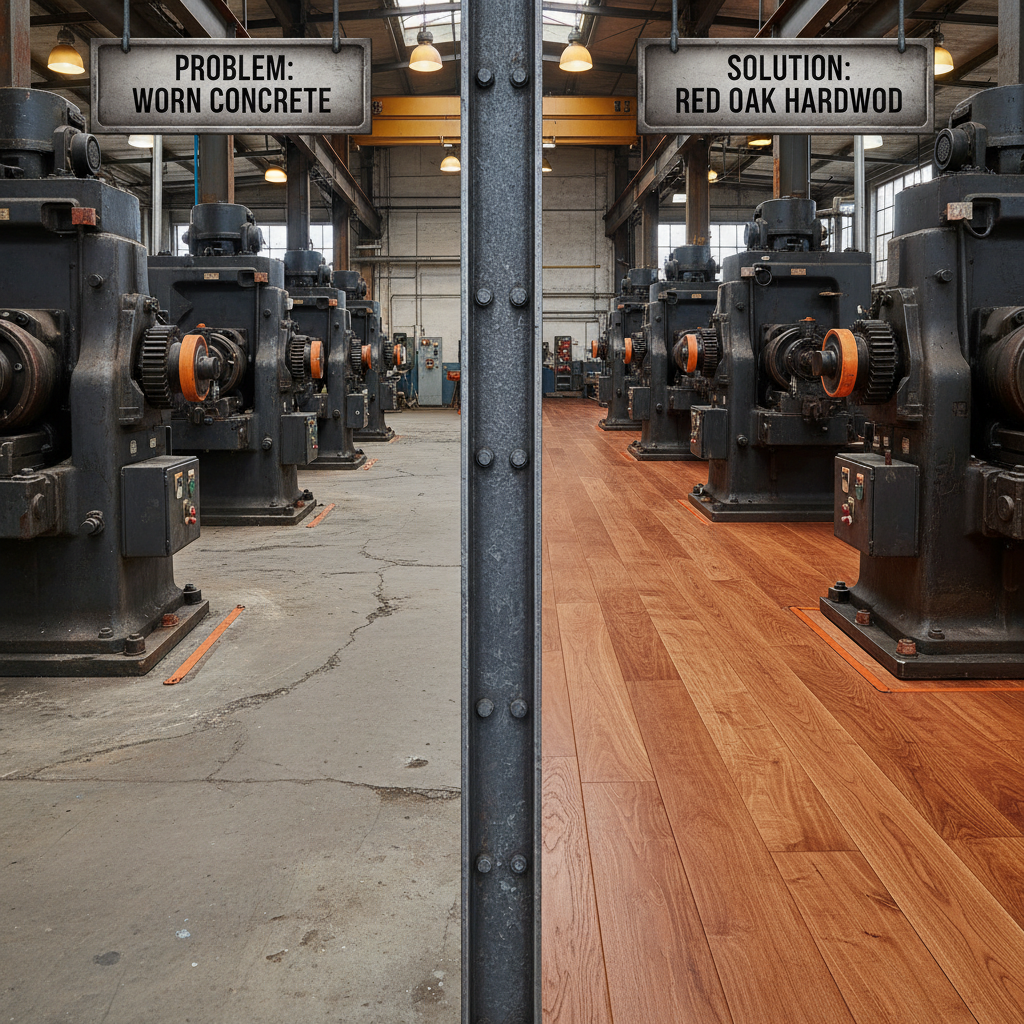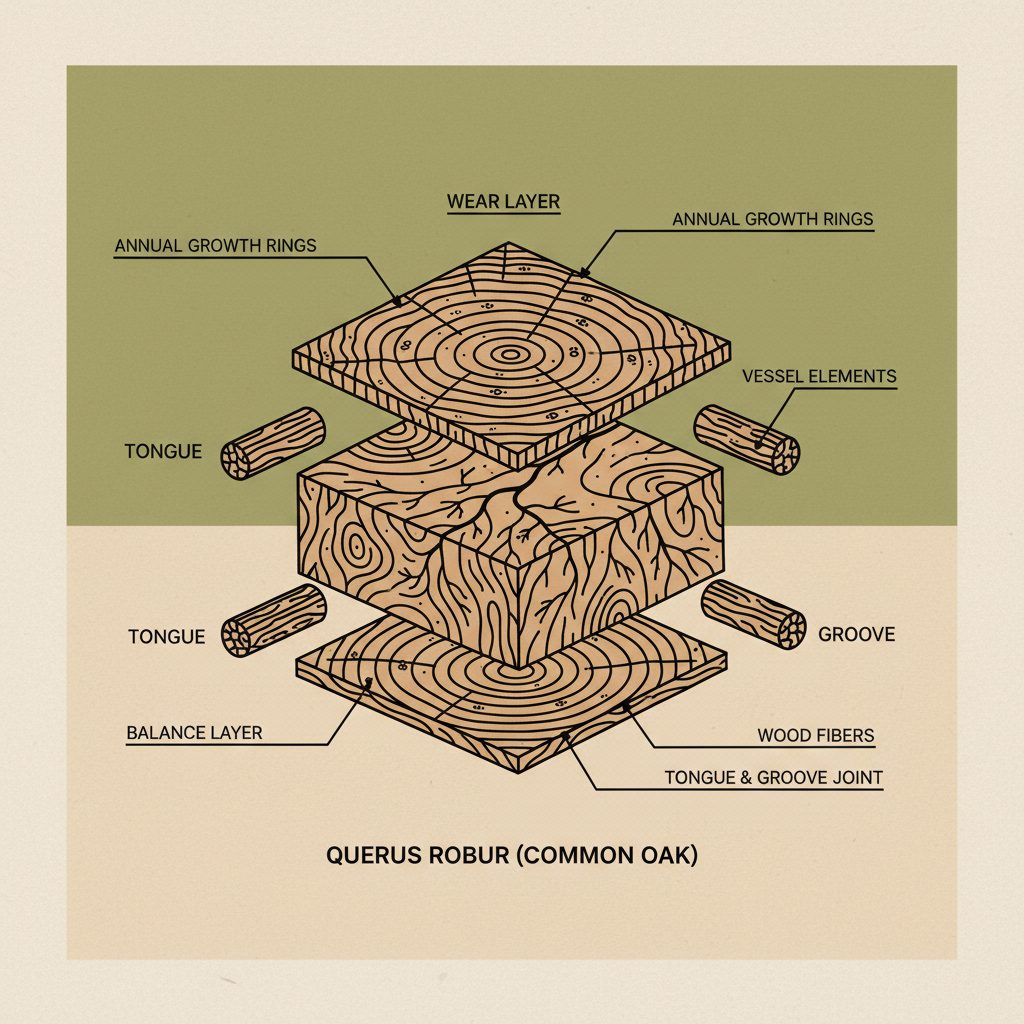


Selecting the right premium surface for high-traffic commercial or luxury residential projects requires a balance between natural aesthetics and industrial performance. China oak wood flooring has evolved from traditional timber planks to high-performance engineered solutions, offering the timeless look of oak with enhanced resistance to moisture and wear. This article examines the technical specifications and procurement criteria essential for B2B buyers.
In the modern construction landscape, the demand for materials that replicate organic textures while ensuring structural longevity is higher than ever. Whether sourcing for hotel corridors, retail hubs, or upscale housing, understanding the difference between solid wood, laminate, and rigid core composites is critical. The industry shift toward sustainable, formaldehyde-free materials reflects a global commitment to indoor air quality and environmental health without sacrificing the visual appeal of natural grain.
Readers will discover how to evaluate supplier capabilities, analyze the impact of wear layers (AC4 vs. AC5), and determine the most cost-effective installation methods. By focusing on technical evidence and material science, this guide provides a framework for making informed procurement decisions that maximize long-term return on investment (ROI) and minimize maintenance overhead.
Oak Flooring Fundamentals and Market Value
Oak has long been the benchmark for durability and elegance in the flooring industry. However, traditional solid oak is susceptible to warping in humid environments and requires intensive maintenance. To address these limitations, advanced manufacturing processes now utilize China oak wood flooring styles through engineered layers or rigid core SPC (Stone Plastic Composite). These innovations integrate natural limestone powder and stabilized polymers, creating a surface that is 100% waterproof and dimensionally stable. From a B2B perspective, the value lies in the ability to deploy an "oak-look" finish in areas where genuine hardwood would fail, such as kitchens, bathrooms, or high-moisture commercial zones. The integration of German-engineered precision equipment ensures that every plank maintains strict uniformity, reducing waste during installation and ensuring a seamless aesthetic across large-scale developments.
Strategic Procurement and Selection Guide
For procurement officers and project managers, selecting a flooring solution involves more than just choosing a color. It requires a rigorous analysis of the operational environment, expected foot traffic, and the technical capabilities of the manufacturer. The following sections break down the critical evaluation criteria for high-performance surfaces.
Material Grade and Core Composition
The core of the flooring determines its structural integrity. Rigid core solutions, such as SPC, utilize a high-density blend of limestone powder and polymers. This composition prevents the common issue of "telegraphing" (where the subfloor imperfections show through) and ensures the floor remains flat. Buyers should verify the density of the core to ensure it can withstand heavy furniture and equipment without indentations.
| Core Type | Water Resistance | Stability | Best Use Case |
|---|---|---|---|
| Solid Hardwood | Low | Moderate | Dry Residential |
| Laminate | Moderate | High | Bedrooms/Living Rooms |
| SPC Rigid Core | 100% Waterproof | Very High | Commercial/Bathrooms |
| Engineered Wood | Moderate | High | Luxury Apartments |
| WPC Composite | High | Moderate | Residential Comfort |
| Hybrid Core | High | High | Mixed-Use Spaces |
Dimensional Stability and Warp Resistance
Temperature fluctuations can cause traditional wood to expand and contract, leading to gaps or buckling. High-density composites solve this through a stabilized polymer matrix. When evaluating a supplier, ask for the dimensional stability test results. A product that maintains its shape regardless of temperature changes is essential for projects involving underfloor heating, where surface temperatures are typically kept below 40°C.
Surface Wear Layers and Durability
The wear layer is the primary defense against scratches and scuffs. In commercial contexts, the AC (Abrasion Class) rating is the key metric. AC4 is suitable for moderate commercial use, while AC5 is designed for heavy-duty traffic, such as hotel corridors or retail stores. UV-cured coatings further enhance this protection, preventing the "oak" finish from fading under sunlight or degrading due to chemical cleaning agents.
Installation Systems and Efficiency
Labor costs often exceed material costs in large projects. The Uni-click lock system allows for a "floating floor" installation, meaning no glue or nails are required. This not only speeds up the process but also allows the flooring to be installed directly over existing flat substrates like ceramic tiles, eliminating the need for costly and time-consuming demolition.
Environmental Standards and Health
Indoor air quality is a major compliance factor for modern building certifications. Buyers must ensure products are formaldehyde-free and non-toxic. Utilizing materials that meet strict eco-standards ensures the health of end-users and reduces the risk of legal liabilities associated with VOC (Volatile Organic Compound) emissions in enclosed residential or office spaces.
Aesthetic Customization and Textures
To achieve a realistic oak look, high-definition digital printing is paired with EIR (Embossed In Register) technology. EIR ensures that the physical texture of the plank perfectly matches the visual grain of the wood print. This tactile synchronization is what differentiates a premium luxury product from a standard commercial grade, providing the sensory experience of real timber.
Lifecycle Value and ROI Analysis
While the initial cost of rigid core flooring may be higher than basic laminate, the long-term ROI is superior. Reduced maintenance (no sanding or waxing), zero water-damage replacements, and a longer lifespan in high-traffic areas result in a lower total cost of ownership. For developers, this translates to higher property value and lower post-handover maintenance claims.
FAQ
How does SPC flooring differ from traditional oak wood?
Unlike traditional oak, which is organic and porous, SPC (Stone Plastic Composite) uses a rigid core of limestone powder and stabilizers. This makes it 100% waterproof and immune to the warping or swelling that typically affects real wood in humid conditions, while still replicating the oak aesthetic through high-definition printing.
Can these floors be installed over existing ceramic tiles?
Yes. Thanks to the click-lock system and the high-density rigid core, these floors can be installed as a floating system directly over most flat substrates, including existing ceramic tiles or hardwood. This avoids the need for demolition, significantly reducing project timelines and labor costs.
Which thickness is recommended for heavy commercial traffic?
For heavy-duty commercial environments such as hotel lobbies or retail stores, we recommend a thickness of 6.0mm paired with an AC5 wear layer. This combination provides maximum impact resistance and ensures the surface can withstand thousands of daily footfalls without showing significant wear.
Are these materials safe for residential use with children and pets?
Absolutely. The products are engineered to be formaldehyde-free and non-toxic, prioritizing indoor air quality. Furthermore, the AC4/AC5 UV-cured wear layers provide excellent resistance to scratches and abrasion, making them ideal for active households with pets.
Is underfloor heating compatible with rigid core oak-style flooring?
Yes, it is compatible. However, to maintain the structural integrity and prevent any potential degradation of the polymers, it is recommended to keep the surface temperature at or below 40°C (104°F).
Do you offer OEM or private labeling for international distributors?
Yes, full OEM/ODM services are available. This includes custom private labeling, specialized packaging design, and the development of unique dimensions or performance specifications to align with a distributor's specific brand requirements and market needs.
References and further reading
- International Standards for Floor Coverings - Abrasion Class (AC) Ratings.
- Guide to Formaldehyde Emissions in Composite Wood Products.
- Sustainable Building Materials: The Shift to Rigid Core Composites.
Related Articles