Red oak hardwood flooring stands as a cornerstone of interior design, prized for its beauty, durability, and versatility. Globally, it’s a widely sought-after material, reflecting both classic elegance and modern aesthetics. From centuries-old European estates to contemporary homes in North America, red oak flooring has consistently been a preferred choice, influencing architectural trends and boosting the lumber industry. Understanding its properties, installation, and maintenance is crucial for homeowners, builders, and designers alike, enabling informed decisions and long-lasting value.
The demand for red oak hardwood flooring is driven by a combination of factors, including its relative affordability compared to exotic hardwoods, its availability, and its suitability for a wide range of finishing techniques. According to the National Wood Flooring Association (NWFA), oak consistently represents a significant portion of hardwood flooring sales in the United States. However, challenges exist, including sustainable forestry practices and ensuring consistent quality in a globalized market. The need for responsibly sourced red oak and expert installation to maximize its lifespan is increasingly important.
Ultimately, red oak hardwood flooring transcends mere material status; it represents an investment in quality, a connection to nature, and a commitment to enduring style. Its continued popularity underscores its adaptability and timeless appeal. This comprehensive guide will delve into the nuances of this remarkable material, providing insights into its characteristics, applications, and the considerations necessary for achieving exceptional results.
The Enduring Appeal of Red Oak Hardwood Flooring
Red oak hardwood flooring’s lasting popularity stems from its combination of aesthetic appeal and practical advantages. Its distinctive grain patterns and warm color tones add character to any space, seamlessly blending with a diverse range of interior styles. Furthermore, its inherent strength and relative affordability make it a compelling choice for homeowners and builders seeking quality and value.
Beyond its visual and economic benefits, red oak flooring contributes to a healthier indoor environment. As a natural material, it doesn’t harbor the same allergens or volatile organic compounds (VOCs) often found in synthetic flooring options. Properly finished red oak flooring provides a durable and hygienic surface, enhancing the overall comfort and wellbeing of a home.
Defining Red Oak Hardwood Flooring
Red oak hardwood flooring refers to flooring constructed from the wood of the red oak tree ( Quercus rubra). Unlike white oak, red oak possesses a more pronounced grain pattern and a slightly reddish hue, contributing to its distinct visual identity. It is typically sold in solid or engineered formats, with solid red oak offering greater longevity and refinishing potential.
In modern construction, red oak flooring represents a sustainable building material when sourced from responsibly managed forests. Certification by organizations like the Forest Stewardship Council (FSC) ensures that the lumber comes from forests that are managed to meet social, economic, and environmental standards. This connection to responsible forestry elevates red oak beyond a simple flooring material, aligning it with broader sustainability goals.
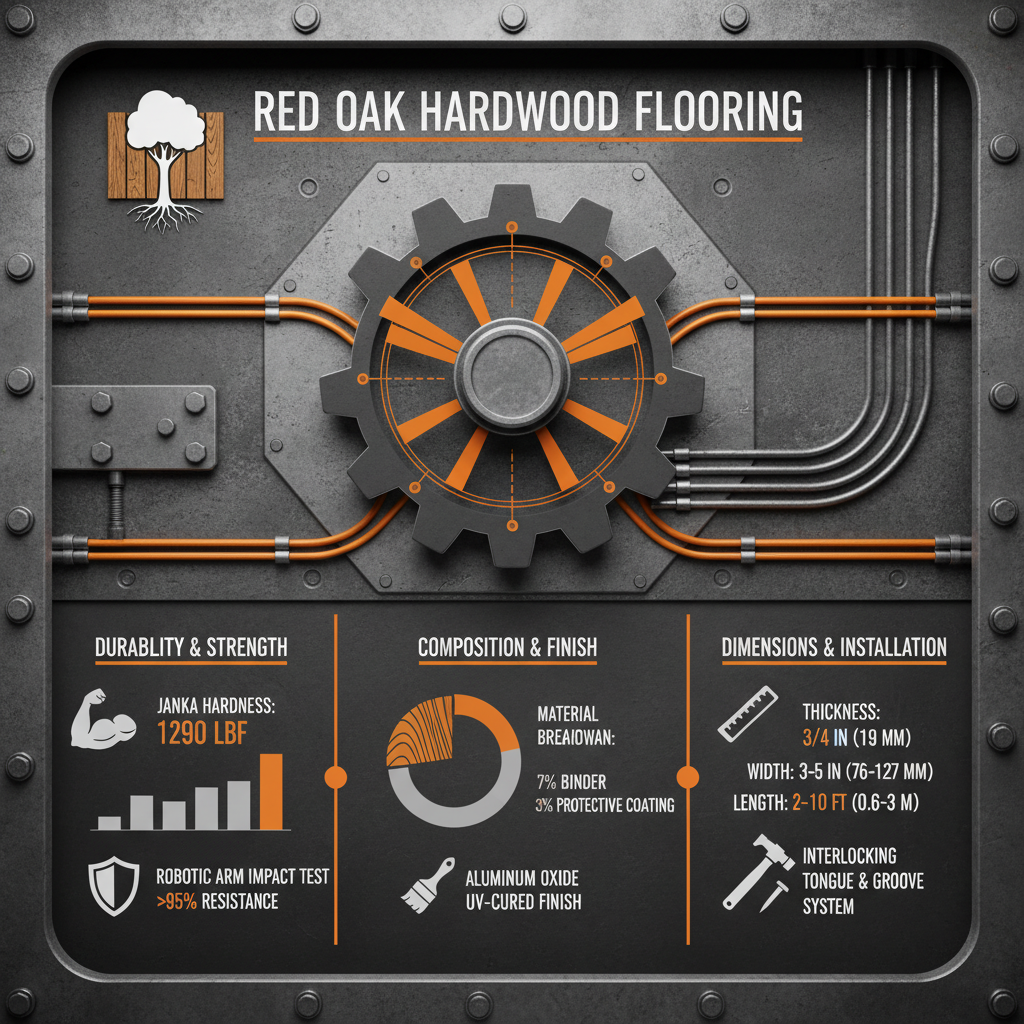
The connection to modern industry extends to technological advancements in finishing techniques. UV-cured finishes, for example, provide superior durability and resistance to scratches and wear, enhancing the long-term performance of red oak hardwood flooring.
Core Characteristics of Red Oak Flooring
One of the key characteristics of red oak hardwood flooring is its hardness. Measured on the Janka hardness scale, red oak typically scores around 1290 lbf (5740 N), making it moderately hard and resistant to dents and scratches. This makes it suitable for residential applications with moderate foot traffic and light to medium furniture weight.
Furthermore, red oak is relatively stable, meaning it resists warping and cupping under normal humidity fluctuations. However, maintaining consistent indoor humidity levels is still crucial for optimal performance. Proper acclimation of the flooring before installation is also paramount, allowing the wood to adjust to the environment and minimize the risk of future issues.
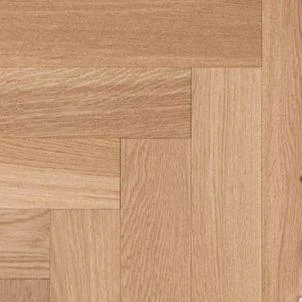
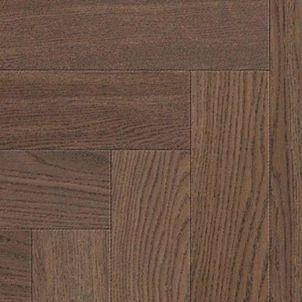
The grain pattern of red oak is another defining characteristic. It’s generally more open and pronounced than that of white oak, featuring swirling patterns and visible pores. This distinctive grain adds visual interest and character, making each plank unique. Red oak also readily accepts a variety of stains and finishes, allowing for customization to match any décor.
Practical Applications of Red Oak Flooring
Red oak hardwood flooring finds application in a multitude of settings. In residential construction, it's commonly used in living rooms, dining rooms, bedrooms, and hallways. Its versatility allows it to complement diverse architectural styles, from traditional colonial to contemporary minimalist designs.
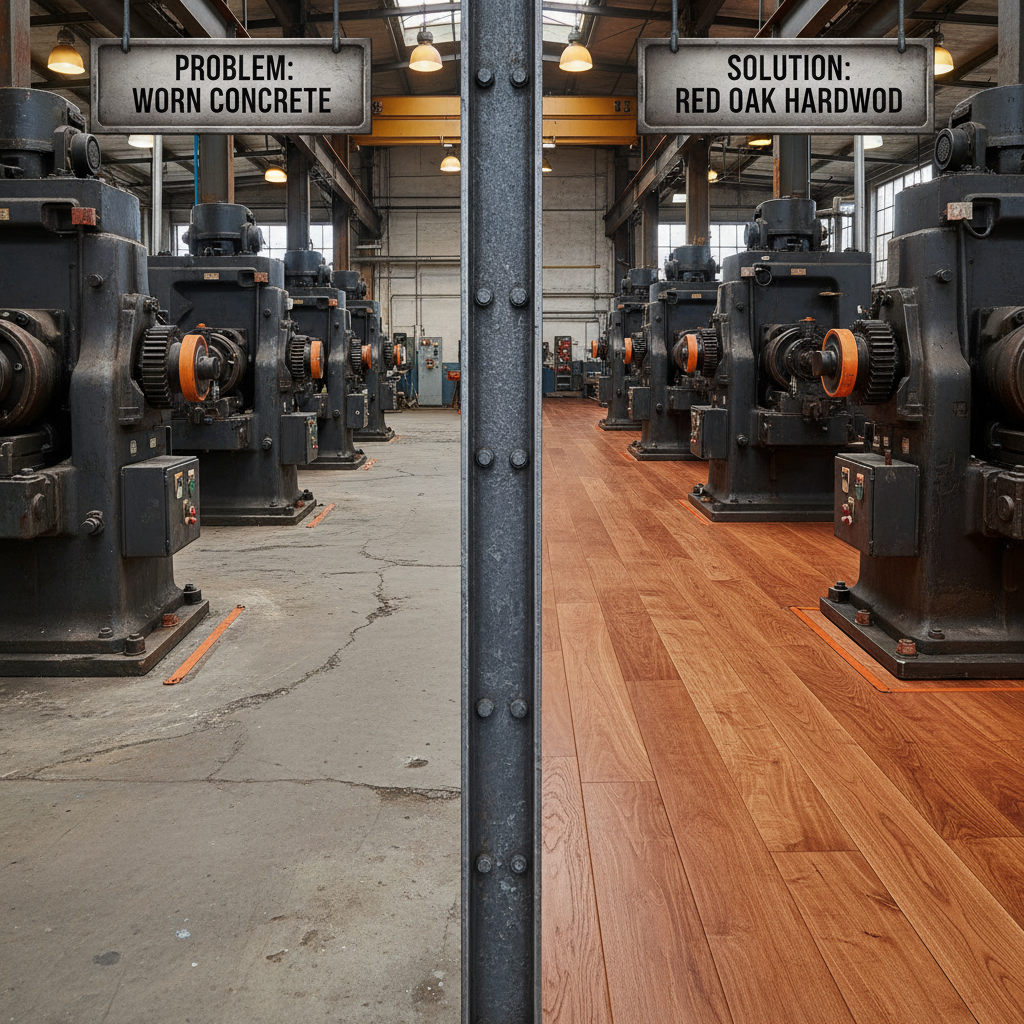
Beyond residential uses, red oak is also employed in commercial spaces, such as offices, retail stores, and gyms. Its durability and aesthetic appeal make it a suitable option for areas with moderate to high foot traffic. However, in high-impact commercial environments, a more durable finish or alternative flooring material might be considered.
Red Oak Hardwood Flooring Performance Metrics
Global Usage and Industry Impact
Red oak hardwood flooring enjoys widespread popularity across North America, Europe, and Asia. The United States and Canada are major producers and consumers, while European demand is driven by its aesthetic appeal and use in historical renovations. Asian markets, particularly China, have seen increasing demand as disposable incomes rise and homeownership expands.
The industry surrounding red oak hardwood flooring supports numerous jobs, from forestry and logging to manufacturing, distribution, and installation. It contributes significantly to regional economies and promotes sustainable forest management practices when responsibly sourced. Fluctuations in timber prices, international trade agreements, and consumer preferences can all impact the industry’s dynamics.
Long-Term Value and Benefits
Investing in red oak hardwood flooring offers numerous long-term benefits. Its durability and ability to be refinished multiple times extend its lifespan considerably, often exceeding several decades with proper care. This longevity translates to cost savings over time, eliminating the need for frequent replacements.
Furthermore, red oak flooring enhances a home’s value, appealing to potential buyers and increasing resale appeal. Its timeless aesthetic ensures it remains desirable across changing design trends. Beyond financial considerations, the warmth and beauty of red oak contribute to a more inviting and comfortable living environment.
Future Trends and Sustainable Practices
The future of red oak hardwood flooring is intertwined with sustainability and innovation. Increased emphasis on responsibly sourced lumber, utilizing FSC-certified forests, is becoming a standard expectation. Advancements in finishing technologies, such as water-based and UV-cured finishes, offer more eco-friendly and durable options.
We can also anticipate a growing demand for engineered red oak flooring, which utilizes a core of plywood or fiberboard topped with a veneer of real red oak. This construction method allows for greater stability and reduces the demand for solid hardwood, promoting forest conservation. Digital printing technologies are emerging, enabling customized grain patterns and designs.
Furthermore, the integration of smart home technologies, such as humidity sensors and automated climate control systems, will play a role in maintaining optimal conditions for red oak flooring, maximizing its lifespan and preserving its beauty.
Key Factors Influencing Red Oak Hardwood Flooring Performance
| Installation Quality |
Finish Type |
Humidity Control |
Maintenance Routine |
| Professional installation ensuring proper subfloor preparation. |
Polyurethane finish provides high durability and scratch resistance. |
Maintaining 35-55% relative humidity to prevent warping. |
Regular cleaning with a pH-neutral wood floor cleaner. |
| Poor installation can lead to squeaking and gapping. |
Oil-based finishes offer a natural look but require more maintenance. |
Extreme humidity fluctuations can cause expansion and contraction. |
Avoid using harsh chemicals or abrasive cleaners. |
| Subfloor leveling is crucial for a smooth and stable floor. |
Water-based finishes are low-VOC and environmentally friendly. |
Use a dehumidifier in humid climates. |
Refinishing every 5-10 years extends the floor’s lifespan. |
| Proper nailing or gluing secures the boards to the subfloor. |
Aluminum oxide finishes offer superior abrasion resistance. |
Monitor humidity levels with a hygrometer. |
Use felt pads under furniture legs to prevent scratching. |
| Acclimation to the room's conditions minimizes expansion/contraction. |
Penetrating oils nourish the wood and enhance its natural beauty. |
Avoid direct sunlight exposure to prevent fading. |
Sweep or vacuum regularly to remove dirt and debris. |
| Expansion gaps around the perimeter allow for natural movement. |
UV-cured finishes provide quick drying and excellent durability. |
Improve ventilation to regulate moisture levels. |
Promptly clean up spills to prevent staining. |
FAQS
Red oak and white oak are both durable hardwoods, but they differ in color, grain pattern, and water resistance. Red oak has a reddish tint and a more pronounced grain, while white oak is more neutral in color and has tighter grain. White oak is naturally more water resistant due to the presence of tyloses, making it a better choice for areas prone to moisture. Red oak is typically more affordable and widely available.
Proper acclimation is crucial to prevent warping or gapping. Bring the flooring into the installation room and allow it to sit, unopened, for at least 3-5 days. The ideal temperature should be between 60-80°F (15-27°C) and the relative humidity between 30-50%. This allows the wood to adjust to the room’s conditions before installation.
Basements often experience higher humidity levels, making red oak flooring a less ideal choice compared to white oak or engineered wood. If you do choose red oak, ensure a proper moisture barrier is installed beneath the flooring and consider using a dehumidifier to maintain stable humidity levels. Engineered wood is generally preferred for basements due to its greater dimensional stability.
The frequency of refinishing depends on the level of foot traffic and wear. Typically, red oak floors can be refinished every 5-10 years. Signs that it's time to refinish include deep scratches, worn finish, and dull appearance. Refinishing restores the wood’s beauty and extends its lifespan.
Polyurethane finishes are the most popular choice due to their durability and scratch resistance. Water-based polyurethanes are low-VOC and environmentally friendly, while oil-based polyurethanes offer excellent protection. Aluminum oxide finishes provide the highest level of abrasion resistance. Consider your lifestyle and aesthetic preferences when choosing a finish.
Regular cleaning is essential. Sweep or vacuum frequently to remove dirt and debris. Use a pH-neutral wood floor cleaner specifically designed for hardwood floors. Avoid using harsh chemicals, abrasive cleaners, or excessive water. Place felt pads under furniture legs to prevent scratches, and promptly clean up spills.
Conclusion
Red oak hardwood flooring remains a timeless and valuable investment for homeowners and builders. Its inherent beauty, durability, and versatility ensure its continued popularity for generations. Understanding its characteristics, proper installation techniques, and ongoing maintenance requirements are essential to maximizing its lifespan and enjoying its aesthetic benefits.
Looking ahead, sustainable practices and innovative finishing technologies will shape the future of red oak flooring. Choosing responsibly sourced lumber and eco-friendly finishes will contribute to a more environmentally conscious approach. By embracing these advancements, we can continue to enjoy the enduring beauty and benefits of red oak hardwood flooring while preserving our natural resources.