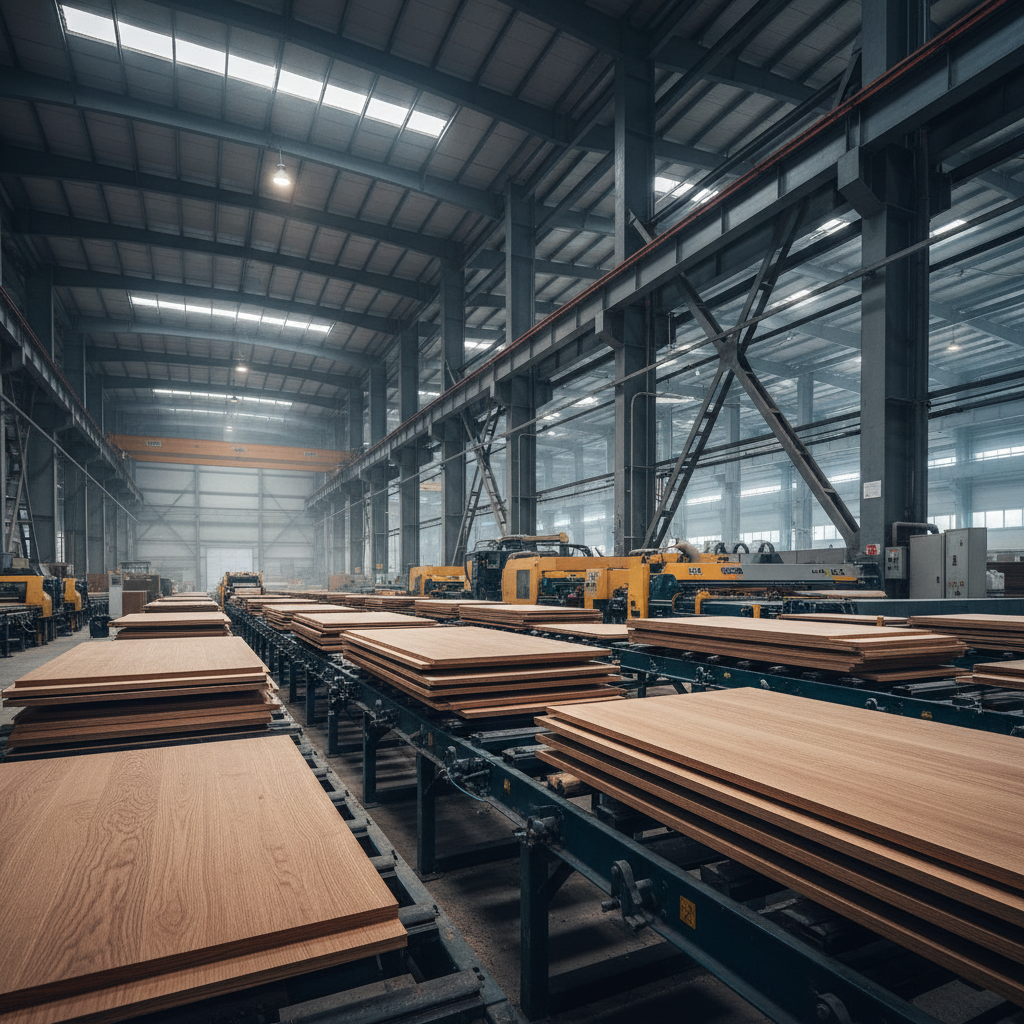
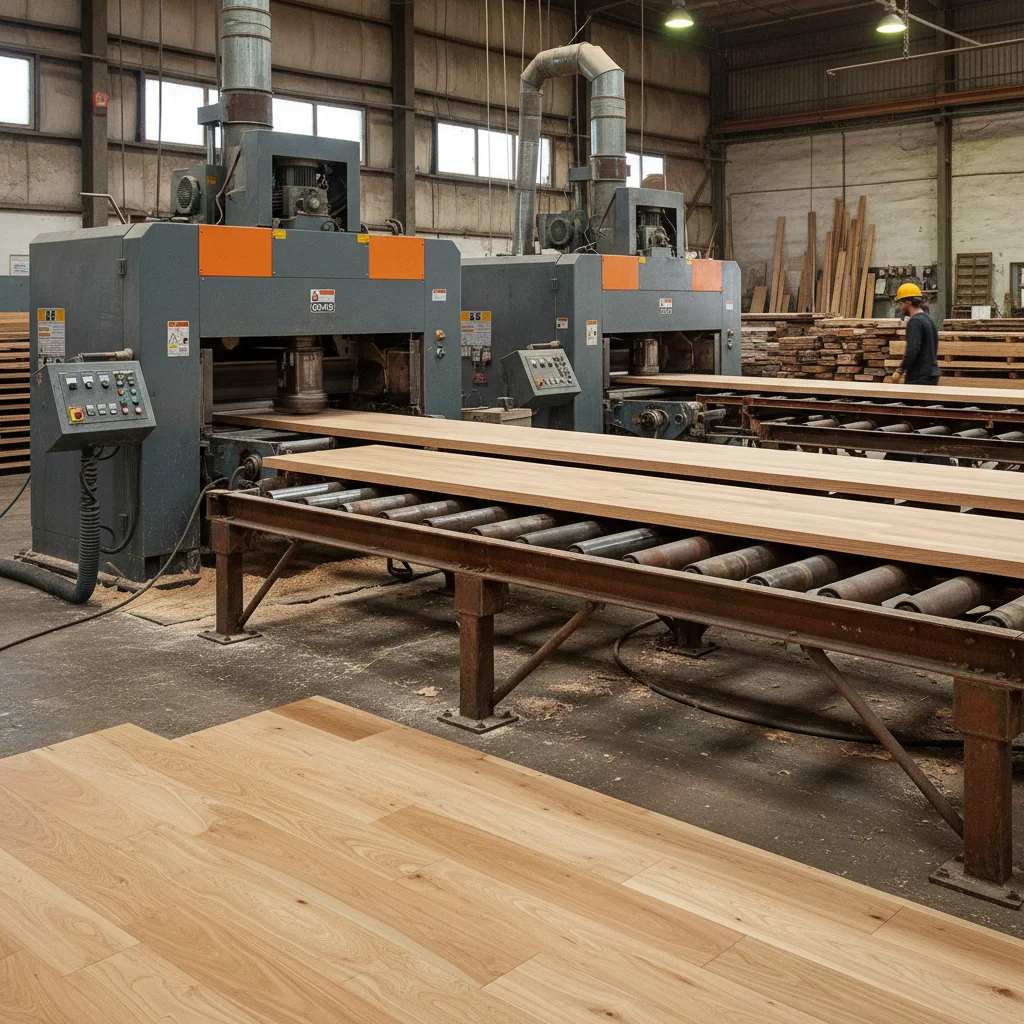
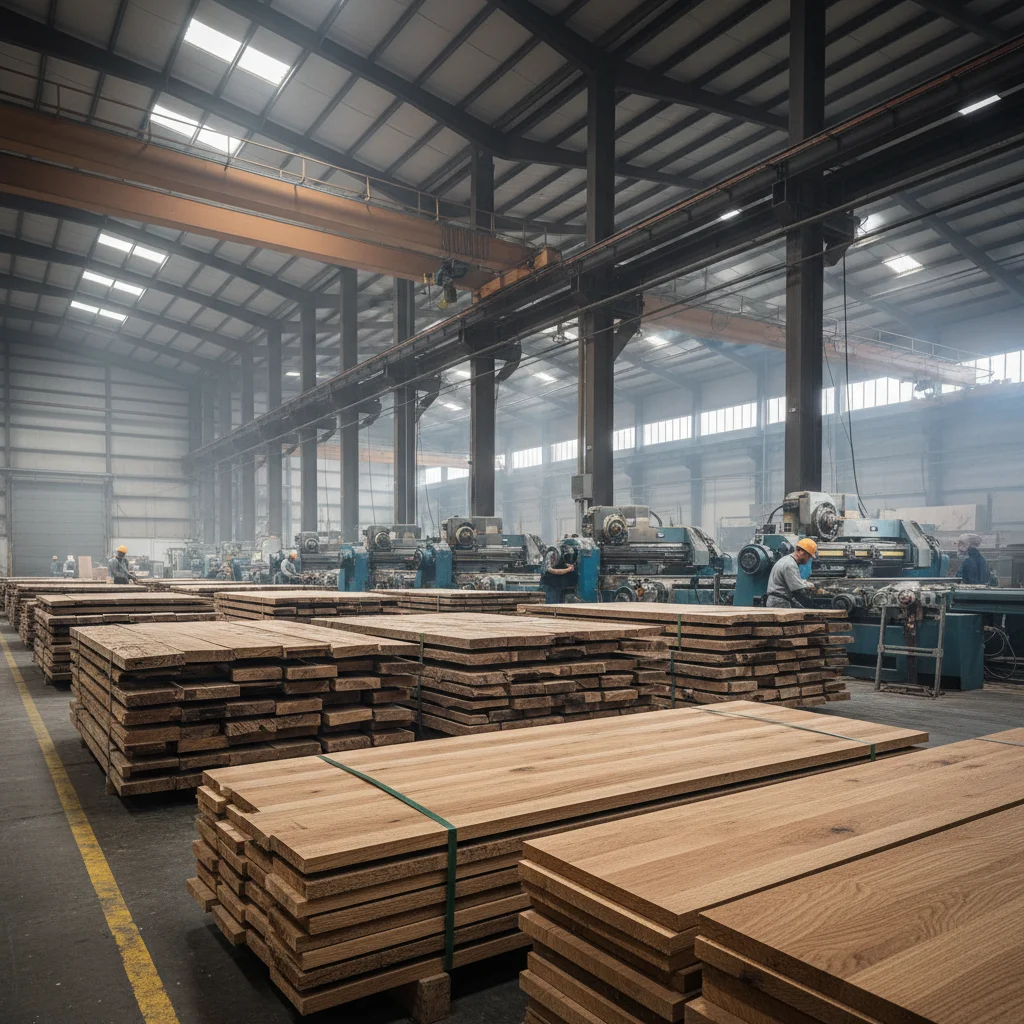
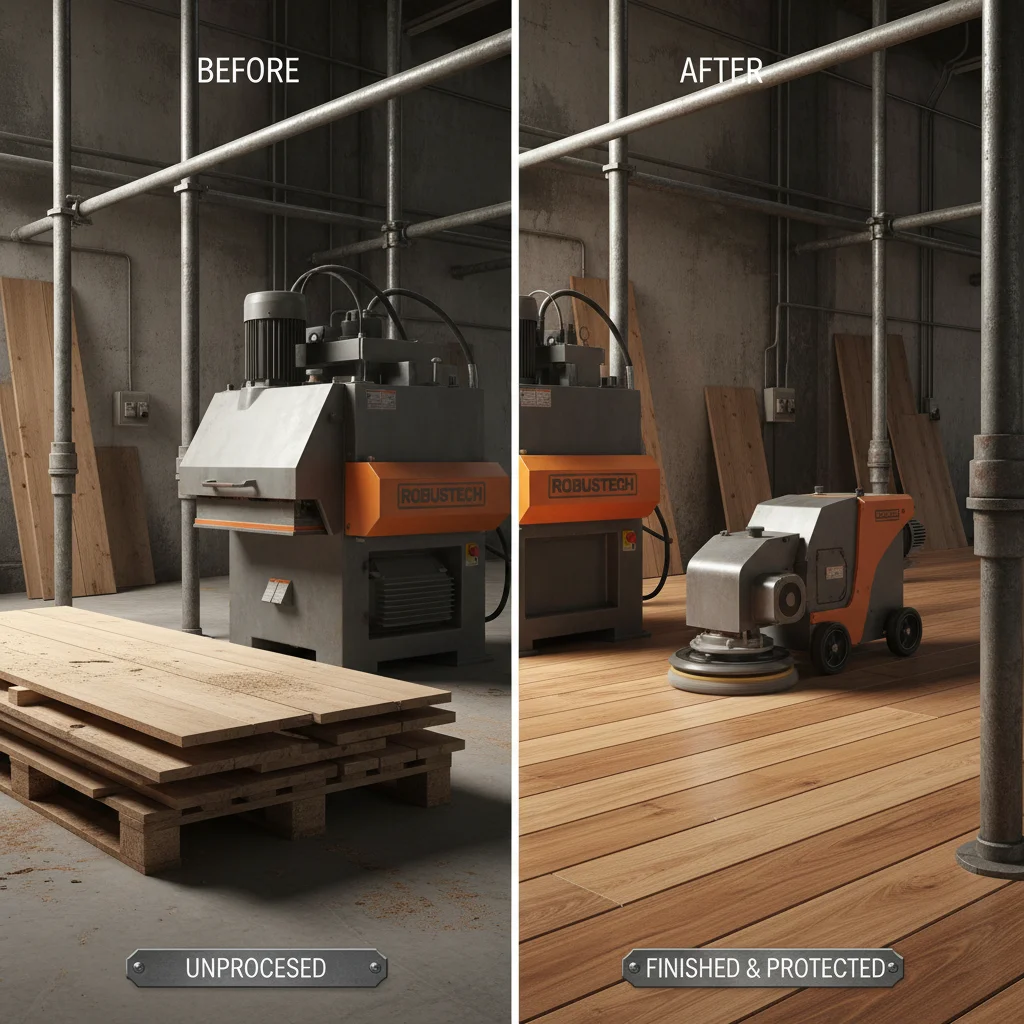
Real wood flooring has long been a cornerstone of interior design, prized for its natural beauty, durability, and warmth. Globally, its demand continues to grow, driven by a desire for sustainable and aesthetically pleasing building materials. From historic estates to modern homes, the timeless appeal of real wood flooring transcends cultural boundaries and architectural styles. Understanding the nuances of different wood species, installation techniques, and maintenance practices is crucial for homeowners, builders, and designers alike.
The industry surrounding real wood flooring is substantial, encompassing forestry, manufacturing, distribution, and installation. According to the National Wood Flooring Association, the North American wood flooring market alone is a multi-billion dollar industry. However, challenges exist, including sustainable sourcing concerns and fluctuating material costs. Addressing these issues through responsible forestry practices and innovative manufacturing processes is essential for the long-term viability of the industry.
Investing in real wood flooring is more than just a cosmetic upgrade; it’s an investment in the value and comfort of a home. Its enduring quality and aesthetic versatility make it a superior choice compared to many synthetic alternatives, contributing to healthier indoor environments and a sense of enduring quality. The growing consumer awareness of these benefits further fuels the demand for responsibly sourced and expertly installed real wood flooring.
The Enduring Appeal of Real Wood Flooring
The appeal of real wood flooring lies in its inherent natural characteristics – the unique grain patterns, rich colors, and warm textures. It brings a sense of organic beauty to any space, creating a welcoming and sophisticated atmosphere. Unlike many synthetic flooring options, real wood flooring ages gracefully, developing a patina that adds character and charm over time.
Beyond aesthetics, real wood flooring is a versatile material suitable for a wide range of design styles, from rustic farmhouse to modern minimalist. Different wood species, finishes, and installation techniques allow for endless customization options, ensuring that the flooring complements the overall aesthetic of the home or building.
Defining Real Wood Flooring
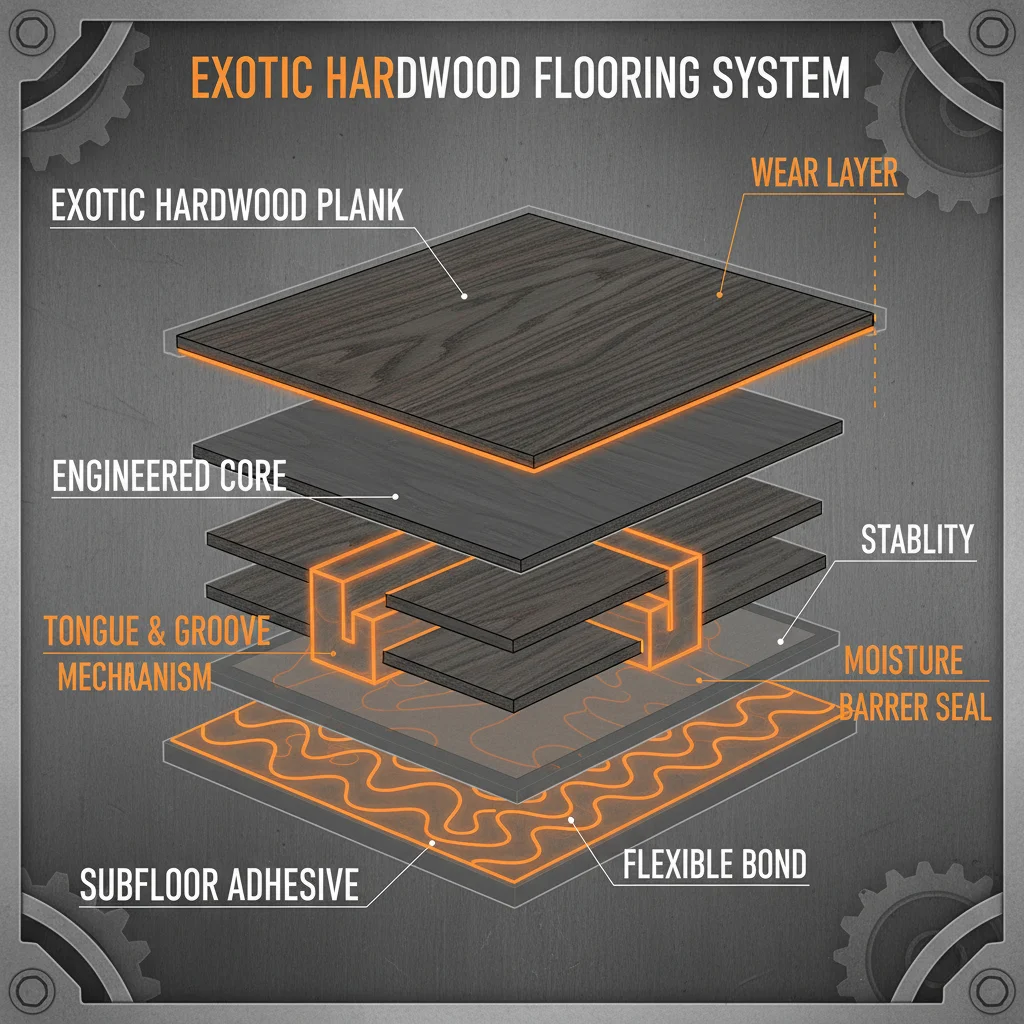
Real wood flooring refers to flooring constructed from solid wood planks milled from trees. These planks are typically tongue-and-groove, allowing them to interlock for a seamless installation. Unlike engineered wood flooring, which features a veneer of wood over a core of plywood or other composite material, real wood flooring consists entirely of solid wood throughout its thickness.
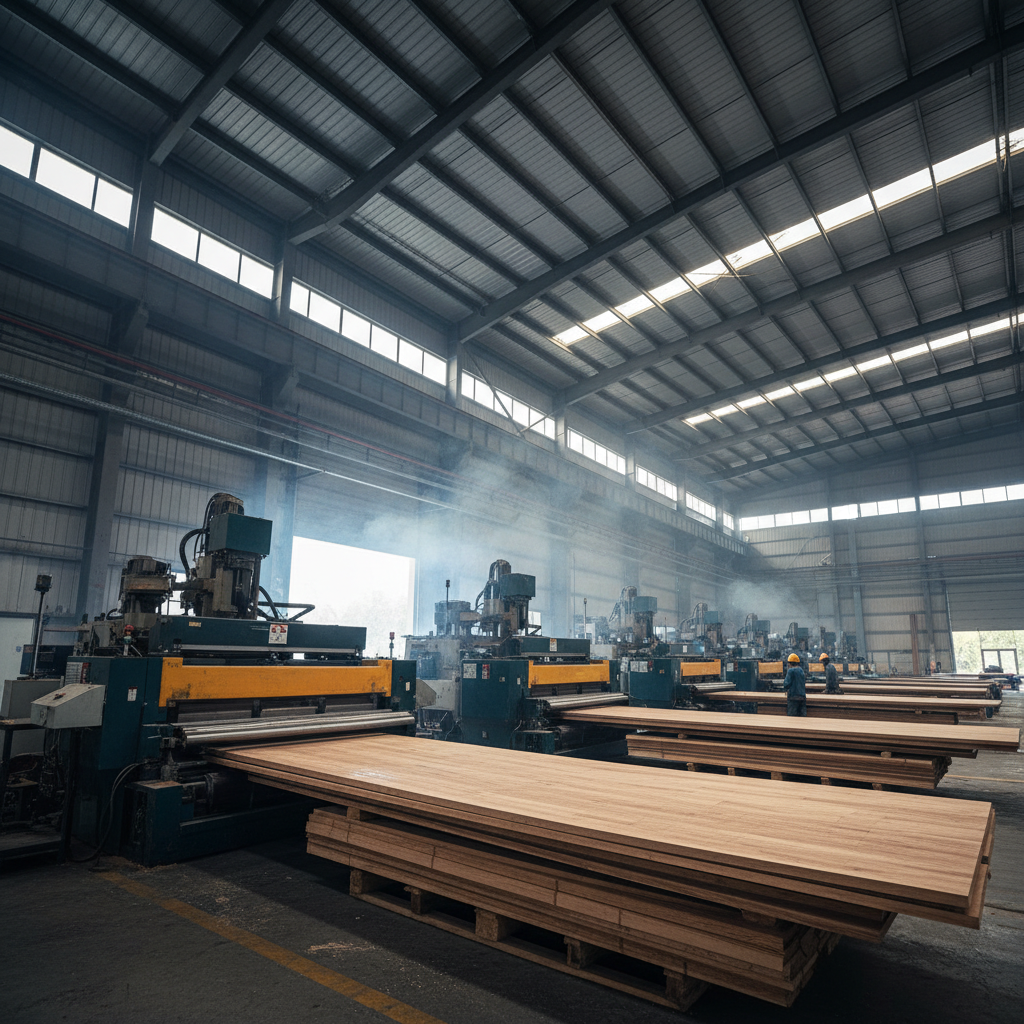
The connection to modern industry is vital as the demand for sustainable and natural materials increases. Real wood flooring represents a commitment to quality and craftsmanship, often sourced from responsibly managed forests. The manufacturing process, while requiring energy and resources, can be optimized for efficiency and environmental responsibility.
This traditional building material now intersects with modern humanitarian needs as it provides durable and healthy living spaces. Its longevity reduces the need for frequent replacement, lowering lifecycle costs and minimizing waste – characteristics valued in both residential and community development projects.
Core Characteristics of Real Wood Flooring
Real wood flooring possesses several key characteristics that distinguish it from other flooring materials. Firstly, its natural beauty is unmatched, with unique grain patterns and color variations found in each plank. Secondly, it’s incredibly durable, capable of lasting for decades, even centuries, with proper care.
Furthermore, real wood flooring is a renewable resource, especially when sourced from sustainably managed forests. The natural properties of wood also contribute to better indoor air quality, as it doesn't emit harmful volatile organic compounds (VOCs) like some synthetic materials. These inherent qualities make it a desirable choice for health-conscious homeowners.
Finally, it offers excellent thermal insulation, keeping homes warmer in the winter and cooler in the summer. This translates into energy savings and reduced utility bills. The ability to be refinished multiple times also extends its lifespan, making it a cost-effective option in the long run.
Durability and Longevity of Real Wood Flooring
The durability of real wood flooring is a primary reason for its enduring popularity. Hardwood species like oak, maple, and hickory are renowned for their resistance to wear and tear, making them ideal for high-traffic areas. Proper installation and regular maintenance are crucial for maximizing its lifespan.
Factors influencing longevity include the wood species, the finish applied, and the level of foot traffic. With regular cleaning and occasional refinishing, real wood flooring can maintain its beauty and structural integrity for generations. The ability to refinish multiple times allows for restoration of the original appearance, addressing scratches, dents, and fading over time.
Comparative Durability of Real Wood Flooring Species
Global Applications of Real Wood Flooring
Real wood flooring finds applications across a diverse range of settings worldwide. In residential construction, it remains a popular choice for living rooms, bedrooms, and hallways, adding warmth and character to homes. Its timeless appeal transcends geographical boundaries, from traditional European homes to modern Asian residences.
Commercially, real wood flooring is frequently used in offices, retail spaces, and hotels, creating a sophisticated and welcoming atmosphere for clients and customers. In educational institutions, it offers a durable and aesthetically pleasing surface for classrooms and libraries. In post-disaster relief operations, real wood flooring can be utilized in the construction of temporary or permanent housing solutions, providing a stable and comfortable living environment.
The Long-Term Value of Real Wood Flooring
Investing in real wood flooring provides significant long-term value. Beyond its aesthetic appeal and durability, it adds to the resale value of a property. Buyers often recognize and appreciate the quality and longevity of real wood flooring, making it a desirable feature.
Real wood flooring also offers environmental benefits. When sourced from sustainably managed forests, it’s a renewable resource. Its ability to be refinished multiple times reduces the need for replacement, minimizing waste and conserving resources. The natural properties of wood contribute to better indoor air quality, enhancing the health and well-being of occupants.
Furthermore, real wood flooring provides a sense of timeless elegance and comfort that enhances the overall living experience. It’s an investment that pays dividends in both financial and emotional terms, creating a home that is both beautiful and sustainable.
Sustainable Sourcing and Future Trends in Real Wood Flooring
The future of real wood flooring is inextricably linked to sustainable sourcing practices. Demand for wood certified by organizations like the Forest Stewardship Council (FSC) is growing, ensuring that the wood is harvested responsibly and forests are managed for long-term health. Innovations in wood processing and manufacturing are also contributing to greater efficiency and reduced environmental impact.
Emerging trends include the use of reclaimed wood, offering a unique aesthetic and reducing the demand for newly harvested timber. Advanced finishing techniques are also being developed to enhance the durability and water resistance of real wood flooring, extending its lifespan and reducing maintenance requirements. Digital printing technologies are also allowing for increasingly realistic wood-grain patterns on engineered wood products, offering a more affordable alternative to solid wood.
The incorporation of smart technologies, such as moisture sensors and automated cleaning systems, may also become more prevalent in the future, further enhancing the convenience and longevity of real wood flooring. The ongoing commitment to sustainability and innovation will ensure that real wood flooring remains a relevant and desirable building material for generations to come.
Analysis of Factors Influencing the Sustainability of Real Wood Flooring
| Wood Source | Manufacturing Process | Transportation Distance | End-of-Life Management |
|---|
| FSC-Certified Forest | Low-VOC Finishes | Locally Sourced (500 miles) | Reclaimed/Recycled |
| Uncertified Forest | High-VOC Finishes | Long Distance (3000 miles) | Landfill Disposal |
| Sustainably Managed Plantation | Water-Based Finishes | Regional (1000 miles) | Biodegradable |
| Reclaimed Wood Source | Zero-VOC Finishes | Minimal (Local) | Re-purposed |
| Non-Sustainable Harvesting | Oil-Based Finishes | Global (5000 miles) | Incineration |
| Rapidly Renewable Species | UV-Cured Finishes | Optimized Logistics | Compostable |
FAQS
For high-traffic areas, hardwoods with a high Janka hardness rating are ideal. Oak, maple, and hickory are excellent choices due to their durability and resistance to dents and scratches. Consider a matte finish as it hides wear and tear more effectively than glossy finishes. Regular maintenance, including area rugs and floor protectors, will also extend the life of your flooring.
Regular sweeping or vacuuming with a soft brush attachment is essential to remove dirt and debris. Damp mop with a wood floor cleaner, avoiding excessive water, which can damage the wood. Use area rugs in high-traffic zones, and place felt pads under furniture legs to prevent scratches. Refinishing every few years can restore the original luster and protect the wood.
Yes, real wood flooring can be installed over concrete subfloors, but proper preparation is crucial. The concrete must be completely dry and level, and a moisture barrier must be installed to prevent moisture from seeping up and damaging the wood. Consider using a floating installation method with an underlayment designed for concrete subfloors.
Common signs include noticeable scratches, dents, or wear patterns in high-traffic areas. If the finish is worn away, exposing the bare wood, it’s time to refinish. Dullness or a cloudy appearance are also indicators. Refinishing restores the protective finish and revitalizes the wood's appearance.
Wood is a hygroscopic material, meaning it absorbs and releases moisture from the air. Fluctuations in humidity can cause wood flooring to expand and contract, leading to gaps, warping, or cupping. Maintaining a consistent humidity level (typically between 30-50%) is crucial. Using a humidifier or dehumidifier can help regulate humidity.
Solid wood flooring is constructed from a single piece of wood, offering greater durability and the ability to be refinished multiple times. Engineered wood flooring consists of a veneer of real wood bonded to a core of plywood or composite material. Engineered flooring is more dimensionally stable and can be installed in areas where solid wood might not be suitable, such as basements, but has refinishing limitations.
Conclusion
Real wood flooring continues to be a premier flooring choice, valued for its beauty, durability, and long-term value. From its inherent natural characteristics to its sustainable sourcing options, it offers a unique blend of aesthetics and functionality. Understanding the nuances of wood species, installation techniques, and maintenance practices is crucial for maximizing its lifespan and enjoying its benefits for generations.
As consumer awareness of sustainability and healthy living grows, the demand for responsibly sourced real wood flooring will likely increase. Continued innovation in manufacturing processes and finishing techniques will further enhance its durability and environmental performance. We invite you to explore our wide selection of real wood flooring and discover the perfect solution for your home or project. Visit our website: www.houndafloor.com