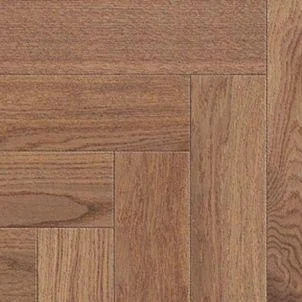
herringbone laminate
0%

Table of Contents

Understanding wood flooring cost is crucial for homeowners, builders, and designers alike. The price of wood flooring significantly impacts project budgets, material choices, and overall value. Fluctuations in lumber prices, installation labor rates, and geographic location all contribute to the final cost. A clear understanding of these factors empowers informed decision-making, preventing unexpected expenses and ensuring project success.

The global wood flooring market is substantial, driven by increasing construction activity and a growing preference for natural materials. According to industry reports, the market is projected to reach billions of dollars in the coming years, with North America and Europe being major consumers. However, sustainability concerns and responsible forestry practices are increasingly influencing consumer choices, impacting the cost and availability of certain wood species.

Ultimately, comprehending wood flooring cost isn't simply about finding the cheapest option. It’s about balancing aesthetics, durability, longevity, and environmental responsibility to achieve the best long-term investment.
wood flooring cost

Introduction to Wood Flooring Cost

wood flooring cost

Accurately estimating wood flooring cost is a complex process, influenced by numerous variables beyond simply the price per square foot. Factors such as subfloor preparation, installation method, and finishing choices all play a significant role. Ignoring these hidden costs can lead to substantial budget overruns.

Understanding the different wood species, their availability, and their inherent durability is also paramount. Hardwood options like oak and maple generally command a higher price point than softer woods, reflecting their longevity and aesthetic appeal. wood flooring cost can vary greatly based on these choices.

Defining Wood Flooring Cost

Wood flooring cost encompasses all expenses associated with acquiring and installing a wood floor. This includes the cost of the flooring material itself (planks, tiles, or engineered wood), as well as the costs of underlayment, adhesives, finishing materials (stain, sealant), and, crucially, the labor involved in installation.

It’s important to distinguish between “material costs” and “total installed costs.” Material costs represent only a portion of the overall expense. Professional installation, particularly for complex patterns or intricate designs, can add significantly to the final price.

Furthermore, wood flooring cost isn’t a static figure; it’s subject to market fluctuations based on supply and demand, seasonal variations, and global economic conditions. Being aware of these factors allows for more realistic budgeting and proactive purchasing.

Key Factors Influencing Wood Flooring Cost

Several core factors directly impact wood flooring cost. Wood species is a primary driver, with exotic hardwoods typically being more expensive than domestic options. The width and thickness of the planks also influence pricing, as wider and thicker planks require more material and often more skilled installation.

Installation method is another crucial consideration. Nail-down installations are generally less expensive than glue-down or floating installations, but are not suitable for all subfloor types. Labor costs vary significantly by region and installer experience. The complexity of the installation, such as patterned floors or intricate inlays, will increase labor costs.

Finally, finishing choices play a role. Pre-finished flooring generally has a higher upfront cost but eliminates the need for on-site finishing, saving time and labor. On-site finishing allows for customization but requires additional materials and expertise.

Wood Flooring Cost by Material Type

The type of wood flooring chosen has a dramatic impact on the overall cost. Solid hardwood, known for its durability and timeless beauty, generally carries a higher price tag than engineered wood, which consists of a veneer of hardwood bonded to a plywood core.

Within solid hardwood, different species vary in price. Oak, the most popular choice, is relatively affordable, while exotic hardwoods like Brazilian cherry or mahogany can be considerably more expensive. Bamboo, a sustainable alternative, often falls in the mid-range of wood flooring cost.

Comparative Wood Flooring Cost per Square Foot

Regional Variations in Wood Flooring Cost

Wood flooring cost can vary substantially depending on geographic location. Areas with higher labor costs, like major metropolitan cities, will typically see higher installation prices. Transportation costs also contribute to price differences, as shipping wood flooring to remote locations adds to the overall expense.

Furthermore, regional demand and availability of specific wood species can influence pricing. For example, oak is generally more affordable in the eastern United States, where it is readily available.

Long-Term Value and Considerations

While initial wood flooring cost is a significant factor, it's essential to consider the long-term value. Durable hardwoods, while more expensive upfront, can last for decades with proper care, potentially saving money in the long run compared to cheaper, less durable options that require frequent replacement.

Wood flooring also adds resale value to a home, making it a worthwhile investment. The aesthetic appeal and timeless elegance of wood floors are highly desirable to potential buyers.

Don’t overlook the impact of responsible sourcing and sustainable forestry practices. Choosing certified wood flooring supports environmentally conscious practices and ensures a long-term supply of this valuable resource.

Future Trends in Wood Flooring Cost

Several emerging trends are poised to impact wood flooring cost in the coming years. Increased demand for sustainable and eco-friendly materials will likely drive up the price of responsibly sourced wood. Technological advancements in wood processing and manufacturing could potentially lower material costs.

The rising popularity of engineered wood flooring, with its improved stability and affordability, is expected to continue. Innovative finishing techniques and the development of new wood species are also influencing the market.

Supply chain disruptions and global economic factors will continue to play a role, creating volatility in wood flooring cost. Staying informed about these trends is crucial for making sound investment decisions.

Summary of Factors Affecting Future Wood Flooring Cost

Trend Impact on Cost Likelihood (1-10) Mitigation Strategy
Increased Demand for Sustainable Wood Potential Price Increase 8 Prioritize FSC-certified wood; explore alternative materials.
Supply Chain Disruptions Price Volatility 7 Source materials from multiple suppliers; plan ahead.
Technological Advancements in Manufacturing Potential Price Decrease 6 Stay informed about new technologies; consider innovative products.
Rising Labor Costs Increased Installation Expense 9 Consider pre-finished flooring; obtain multiple quotes.
Increased Popularity of Engineered Wood Stable or Slightly Decreasing Cost 7 Explore engineered wood options; compare with solid hardwood.
Global Economic Instability Unpredictable Price Fluctuations 8 Monitor economic indicators; budget conservatively.

FAQS

What is the average wood flooring cost per square foot?

The average wood flooring cost varies significantly depending on the material, installation method, and location. Generally, you can expect to pay between $3 and $15 per square foot for materials alone. Total installed costs, including labor and underlayment, can range from $8 to $25+ per square foot. Engineered wood often costs less than solid hardwood.

How much does it cost to install wood flooring?

Installation costs typically range from $3 to $8 per square foot, depending on the complexity of the installation, the type of flooring, and the installer's rates. Nail-down installations are usually less expensive than glue-down or floating installations. Complex patterns or repairs to the subfloor will increase costs.

Is engineered wood flooring cheaper than solid hardwood?

Yes, engineered wood flooring is generally less expensive than solid hardwood. This is because it uses a veneer of hardwood bonded to a plywood core, requiring less of the more expensive hardwood material. However, the price difference can vary depending on the quality and thickness of the veneer.

What are the hidden costs of wood flooring?

Hidden costs can include subfloor preparation (leveling, repairs), underlayment, transitions (thresholds), baseboards, and finishing materials (stain, sealant). It's crucial to get a detailed quote from a qualified installer that includes all these costs to avoid unexpected expenses.

How can I save money on wood flooring?

Consider engineered wood flooring, choose a more affordable wood species, shop around for the best prices, and consider DIY installation if you have the skills and tools. Look for sales and promotions, and be sure to factor in the long-term value of a durable floor that won't need replacing soon.

Does the time of year affect wood flooring cost?

Yes, wood flooring cost can fluctuate seasonally. Demand tends to be higher during spring and summer, potentially leading to higher prices. You might find better deals during the fall and winter months. Also, lumber prices can be affected by weather patterns and forestry regulations.

Conclusion

Understanding wood flooring cost is a multifaceted endeavor, requiring careful consideration of material choices, installation methods, regional variations, and long-term value. By thoroughly researching these factors, homeowners and builders can make informed decisions that align with their budgets and aesthetic preferences. The ideal choice isn’t necessarily the cheapest option, but rather the one that provides the best balance of cost, durability, and beauty.

Looking ahead, staying abreast of emerging trends in sustainable materials, manufacturing techniques, and installation practices will be crucial for navigating the evolving landscape of wood flooring. Investing in quality materials and professional installation will ultimately yield a long-lasting and beautiful floor that enhances the value of your home for years to come. For more information and expert advice, visit our website: wood flooring cost.
Ethan Reynolds

Ethan Reynolds

Ethan Reynolds is a seasoned Product Development Specialist at Hounda, dedicated to adapting and refining our flooring products for the US consumer. With a background in materials science and engineering from Georgia Tech, Ethan works closely with our R&D team in China, ensuring all products meet stringent US quality standards and environmental regulations. He's instrumental in testing and implementing new finishes and core materials, focused on durability and aesthetic appeal. Ethan is particularly proud of Hounda’s SPC flooring line and its resistance to moisture, a key benefit for US homeowners. He joined Hounda in 2020.
Previous The Timeless Beauty and Enduring Value of Real Wood Flooring
Next The Enduring Strength and Sustainable Future of Hardwood Materials

If you are interested in our products, you can choose to leave your information here, and we will be in touch with you shortly.