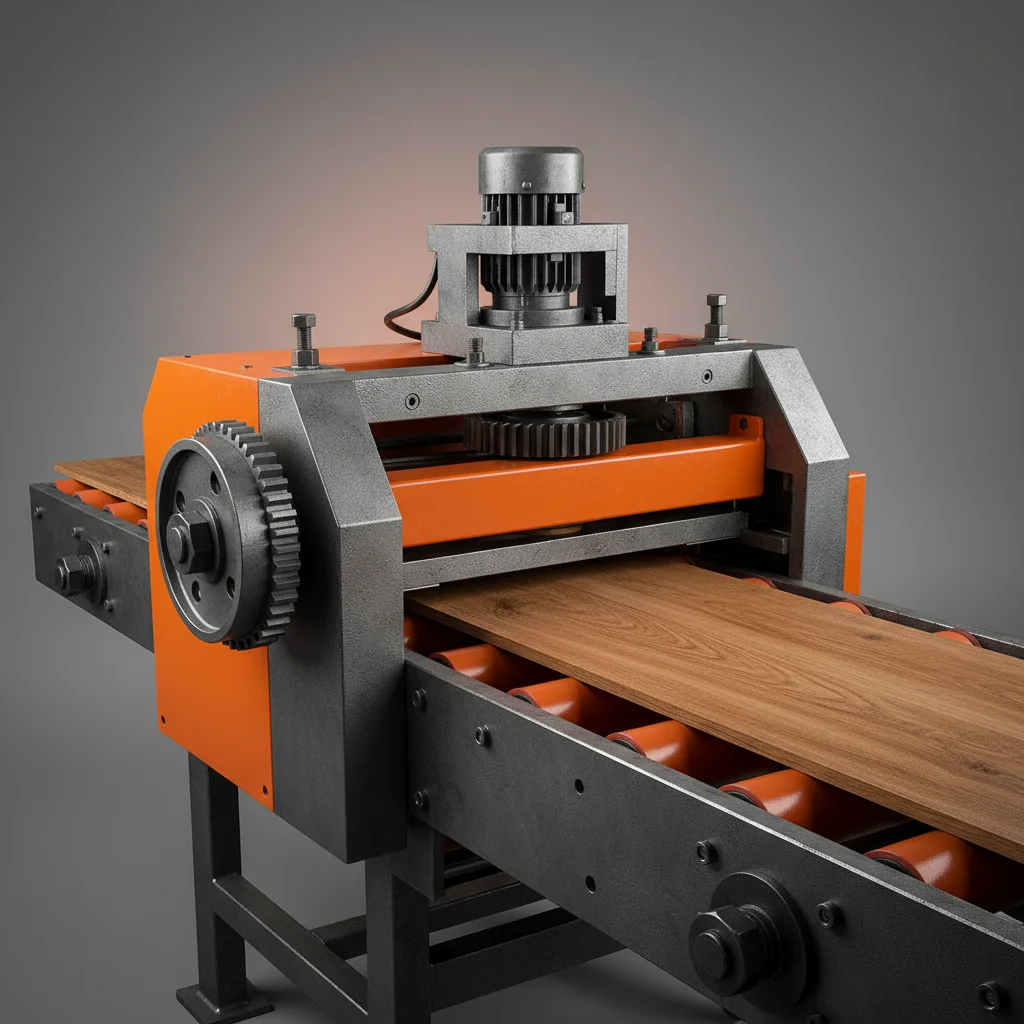
herringbone laminate
0%

Table of Contents

Maple wood flooring, it's more than just a pretty face. After years walking job sites, getting my boots dusty, and seeing what really lasts, I can tell you, a good floor is the foundation of a good space. It takes a beating – foot traffic, furniture scrapes, dropped tools, even the occasional spilled paint. And let me tell you, a floor that can handle that, and still look good doing it, that's worth its weight in gold. It’s a core element in any build, and the right choice impacts everything from the perceived quality to the long-term value of a project. We're seeing a consistent demand for natural materials that offer both durability and aesthetic appeal, and maple consistently checks both boxes.

What's really interesting is how maple is bridging the gap between traditional craftsmanship and modern construction needs. We’re not just talking about old-school parquet anymore. Modern milling techniques are producing incredibly stable, consistent planks, and the finish options are expanding all the time. I’ve been on sites where they're specifying maple for high-end residential, commercial spaces, even gymnasium floors. That tells you something about its versatility. The key is understanding the grade of maple you're getting, and how it's been dried and milled. That directly impacts its performance over time.

We’re constantly battling timelines and budgets on construction sites, and folks want to know a material will perform. Maple offers a sweet spot. It’s not the cheapest hardwood out there, but the longevity and the value it adds, in my experience, make it a smart investment. It’s not just about getting a floor down; it’s about getting a floor down that will stay down and look good for years to come.
maple wood flooring

The Importance of Maple Wood Flooring in Construction
maple wood flooring

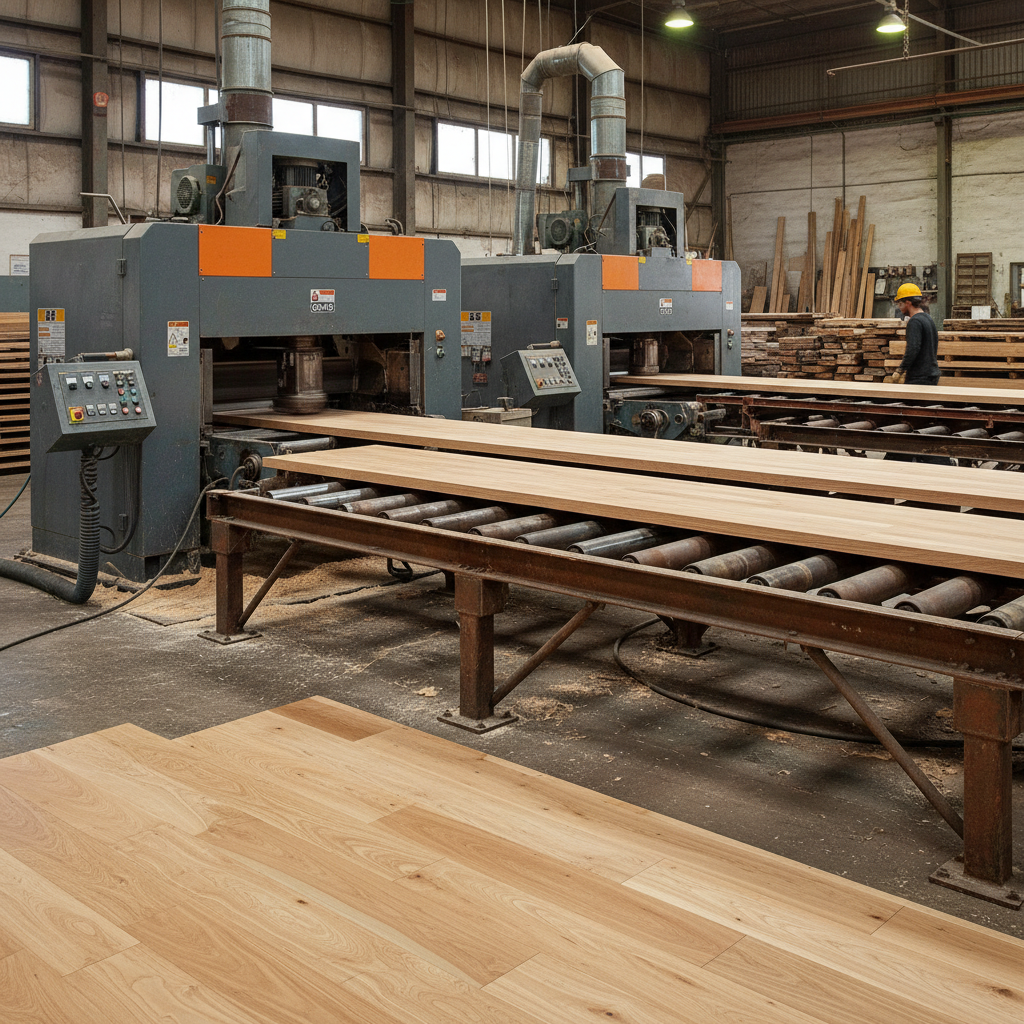
Look, I've seen flooring fail. I've seen it buckle, warp, scratch, and just plain fall apart. A solid subfloor is crucial, no doubt, but the flooring itself needs to be up to the task. Maple wood flooring consistently stands up to the rigors of construction and daily use. It’s not just aesthetically pleasing; it's a functional component of a building. Demand is strong across the board because it delivers on that promise.

The global building materials market is projected to reach substantial growth, and within that, hardwood flooring – and maple specifically – is gaining traction. According to industry reports, the demand for sustainable and durable building materials is driving this trend. People are looking for materials that last and won’t need replacing in a few years, and maple fits that bill perfectly.

Global Demand and Maple’s Rise

The increasing global focus on sustainable building practices is directly benefiting maple wood flooring. There’s a growing awareness of the environmental impact of building materials, and maple sourced from responsibly managed forests is seen as a viable and attractive option. We’re seeing this particularly in regions like Europe and North America, where green building standards are becoming increasingly stringent.

I’ve been on projects where LEED certification was a requirement, and selecting sustainable materials like maple became essential. It's not just a marketing point anymore; it's a necessity. The demand is influencing manufacturers to invest in more sustainable forestry practices and milling processes, which is ultimately good for everyone.

The rise in renovation and remodeling activity globally is also boosting demand. People are choosing to invest in upgrading their homes, and a new floor is often at the top of the list. Maple’s classic look and versatility make it a popular choice for a wide range of design styles.

Defining Maple Wood Flooring: Grades and Characteristics

Let's get down to brass tacks. Maple wood flooring isn’t a one-size-fits-all product. There are different grades, each with its own characteristics and price point. You’ve got Select, which is the highest grade – virtually clear wood with minimal knots. Then you have #1 Common, which has some character marks but is still a high-quality option. And finally, #2 Common and #3 Common, which have more knots and color variation, and tend to be more affordable.

Understanding these grades is crucial. A builder specifying #3 Common for a high-end residential project is going to get a very different look than someone specifying Select. And it's not just about the look. The grade impacts the stability of the wood and its ability to hold a finish. I’ve seen too many projects where someone skimped on the grade and ended up with a floor that looked cheap and didn't perform well.

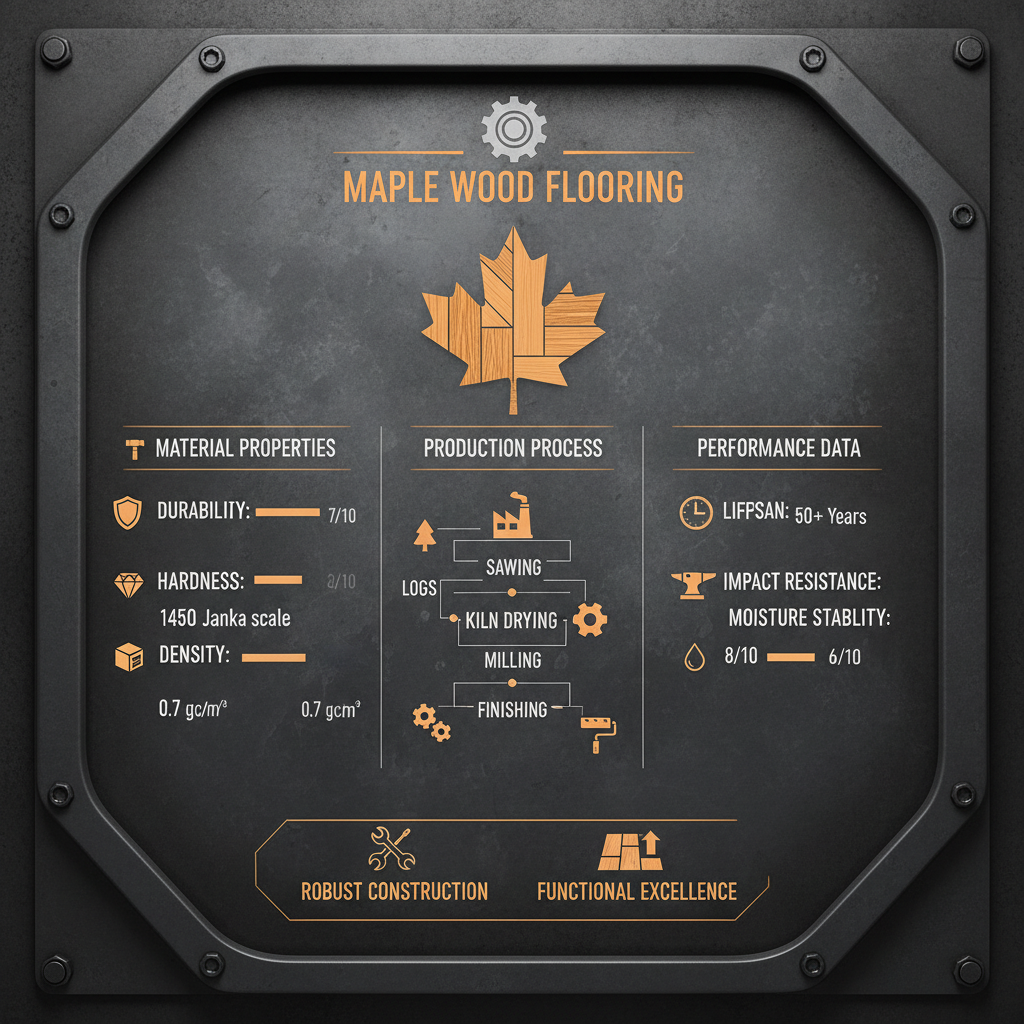
Maple is a relatively hard wood, ranking around 1450 on the Janka hardness scale. That makes it resistant to dents and scratches, but it’s not indestructible. It also has a fine, uniform texture that takes stain beautifully, allowing for a wide range of design options. The color can vary from nearly white to a rich golden brown, depending on the tree and the milling process.

Key Performance Factors of Maple Flooring

Durability is king, and maple delivers. It can withstand heavy foot traffic, furniture movement, and the occasional impact without showing significant wear and tear. But durability isn't just about hardness; it's about stability. Properly dried and milled maple is less prone to warping and cupping than some other hardwoods.

Then you've got ease of maintenance. Maple flooring is relatively easy to clean and maintain, which is a huge plus for homeowners and building managers. Regular sweeping and occasional damp mopping are usually all that's needed to keep it looking its best.

Maple Wood Flooring Performance Metrics

Maple Flooring Applications Across Industries

I've seen maple used in everything from high-end residential kitchens to bustling commercial offices and even demanding gymnasium floors. Its versatility is a major selling point. In residential settings, it's often used in living areas, bedrooms, and kitchens, providing a warm and inviting atmosphere.

In commercial spaces, like retail stores and offices, maple flooring can create a sophisticated and professional look. It’s durable enough to handle heavy foot traffic, and its neutral color palette complements a wide range of design styles.

Long-Term Value and Sustainability of Maple

Let’s talk about investment. Maple flooring adds real value to a property. It's a feature that buyers appreciate, and it can significantly increase the resale value. It's not a cheap option upfront, but the long-term benefits outweigh the initial cost.

And, as I mentioned earlier, sourcing maple from sustainably managed forests is crucial. Look for certifications like the Forest Stewardship Council (FSC) to ensure that the wood is harvested responsibly. That's good for the environment, and it's good for your conscience.

It's also worth considering the lifespan of maple flooring. With proper care and maintenance, it can last for decades, reducing the need for replacements and minimizing waste.

Future Trends and Challenges in Maple Flooring

We’re seeing a growing trend towards wider plank maple flooring, which creates a more modern and spacious look. Engineered maple flooring is also gaining popularity, offering increased stability and affordability. The advancements in finish technology are also exciting, with more durable and environmentally friendly options becoming available.

One of the biggest challenges is maintaining a consistent supply of high-quality maple lumber. Climate change and forest management practices can impact the availability and cost of the wood. It's important to work with reputable suppliers who prioritize sustainable sourcing.

I also think we'll see more innovation in pre-finished maple flooring, with new textures, colors, and finishes becoming available. The goal is to provide homeowners and builders with more options to create unique and beautiful spaces.

Summary of Key Challenges and Opportunities in Maple Flooring

Challenge Area Impact on Maple Flooring Potential Solution Implementation Difficulty (1-5, 5=High)
Supply Chain Disruptions Increased lumber costs and lead times. Diversify sourcing; build stronger relationships with suppliers. 3
Sustainable Sourcing Concerns Pressure to demonstrate responsible forestry practices. Prioritize FSC-certified maple; promote transparency in sourcing. 2
Competition from Alternative Flooring Materials Market share erosion to vinyl, laminate, etc. Highlight maple's superior durability, aesthetics, and sustainability. 4
Skilled Labor Shortage Difficulty finding qualified installers. Invest in training programs; promote the trade. 4
Evolving Consumer Preferences Demand for new finishes, textures, and plank sizes. Develop innovative product offerings; stay ahead of design trends. 3
Maintaining Quality Control Ensuring consistent grading and milling standards. Implement rigorous quality control processes; invest in advanced milling technology. 2

FAQS

What's the best way to acclimate maple flooring to a new environment?

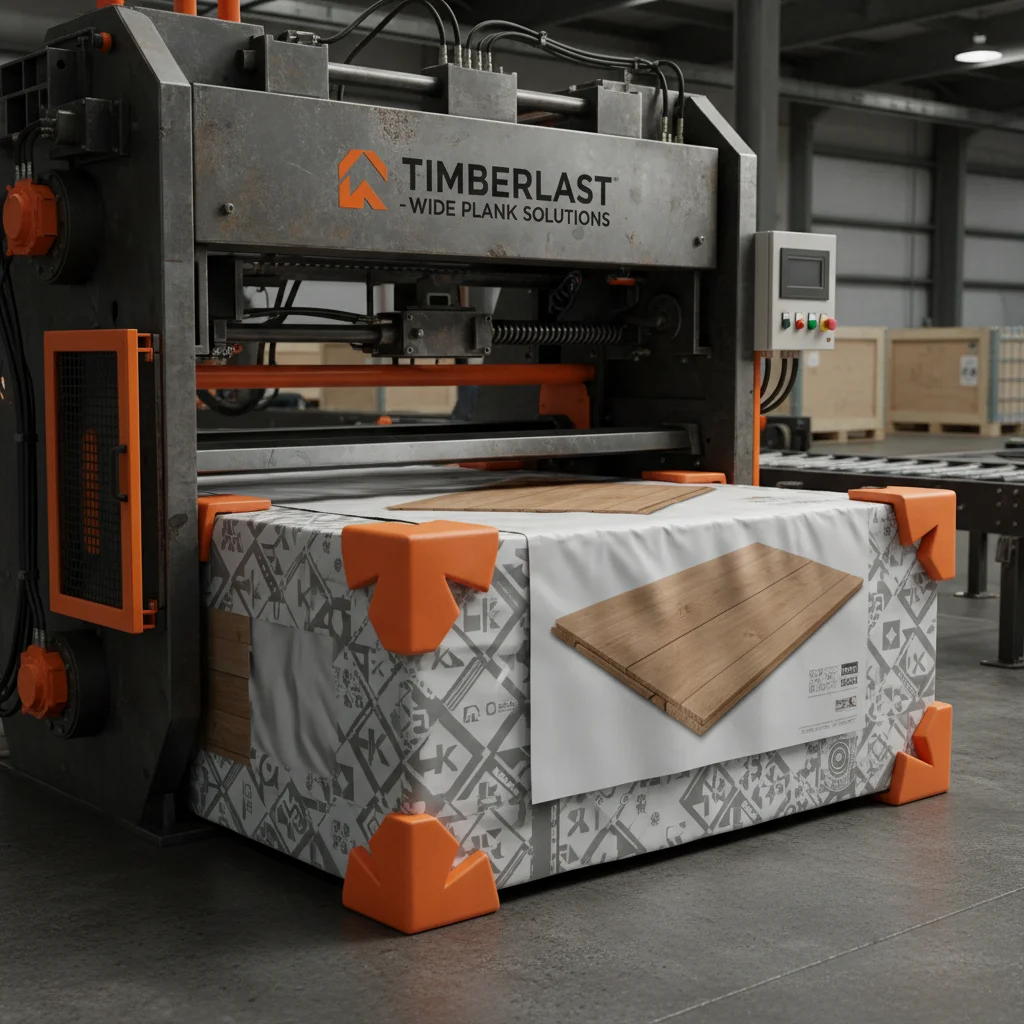
Acclimation is key to preventing issues down the road. Bring the maple flooring into the installation space for at least 3-5 days, ideally longer. Maintain consistent temperature and humidity levels—around 60-80°F and 30-50% humidity. Stacking the boxes properly with stickers to allow for airflow is also crucial. Don't unwrap the flooring until it's fully acclimated. Rushing this step will almost certainly lead to problems.

Can maple flooring be installed in a basement?

Basements can be tricky due to moisture levels. You can install maple flooring in a basement, but it requires careful preparation. A proper moisture barrier is essential, and you'll want to test the concrete slab for moisture content before you begin. Using an engineered maple flooring can also offer better stability in a basement environment. It’s a good idea to consult with a flooring professional to assess the specific conditions of your basement.

How do I protect maple flooring during construction?

Protecting the floor during construction is crucial! Cover it with a breathable building paper or Ram Board. Avoid direct foot traffic, and be careful with heavy objects. Make sure any other trades working in the area are aware of the flooring and take precautions to prevent damage. A little preventative care will save you a lot of headaches (and money) later.

What's the best finish for maple flooring in a high-traffic area?

For high-traffic areas, a durable finish is a must. Polyurethane finishes are a popular choice, offering excellent abrasion resistance. Water-based polyurethanes are lower in VOCs and dry faster, but oil-based polyurethanes tend to be more durable. Consider a multi-coat application for added protection. Aluminum oxide finishes are also extremely durable, but can be harder to repair.

Is maple flooring a good choice for homes with pets?

Maple flooring can be a good choice for pet owners, but it's not invincible. Its hardness helps resist scratches from claws, but you'll still want to keep your pet's nails trimmed. A durable finish is essential, and area rugs can provide extra protection in high-traffic areas. Regular cleaning is also important to remove dirt and debris that can cause wear and tear.

How do I refinish maple flooring?

Refinishing maple flooring is a great way to restore its beauty. It typically involves sanding down the existing finish, repairing any damage, and applying a new finish. It's a fairly involved process, and it's often best left to professionals. Proper ventilation and dust control are essential during sanding. Always follow the manufacturer's instructions for the finish you're using.

Conclusion

Maple wood flooring offers a compelling combination of durability, beauty, and sustainability. It’s a material that stands up to the demands of modern life, adds value to properties, and aligns with growing consumer preferences for eco-friendly building materials. It’s not always the cheapest option, but when you factor in longevity and aesthetics, it’s a smart investment.

As we look ahead, I expect to see continued innovation in maple flooring technology, with new finishes, textures, and installation methods emerging. It's crucial for builders and homeowners to stay informed about these developments and choose products that meet their specific needs. And remember, working with reputable suppliers and skilled installers is essential for ensuring a successful and long-lasting maple flooring project. For more information and quality maple wood flooring options, visit us at maple wood flooring.
David Miller

David Miller

David Miller is Hounda's North American Sales Director, bringing over 15 years of experience in the flooring industry. Prior to joining Hounda in 2022, David held leadership positions at leading flooring distributors like Shaw Industries and Mohawk. He’s a strong advocate for sustainable building practices and is passionate about bringing innovative flooring solutions to the US market. David focuses on expanding Hounda’s presence within the commercial sector, specifically targeting hospitality and multi-family residential projects. He holds a Bachelor's degree in Business Administration from the University of Texas at Austin and frequently speaks at industry conferences on flooring trends and market analysis.
Previous Investing in Timeless Beauty with Durable 3 4 Hardwood Flooring
Next Exploring the Rise of Wood Effect Flooring in Modern Construction

If you are interested in our products, you can choose to leave your information here, and we will be in touch with you shortly.