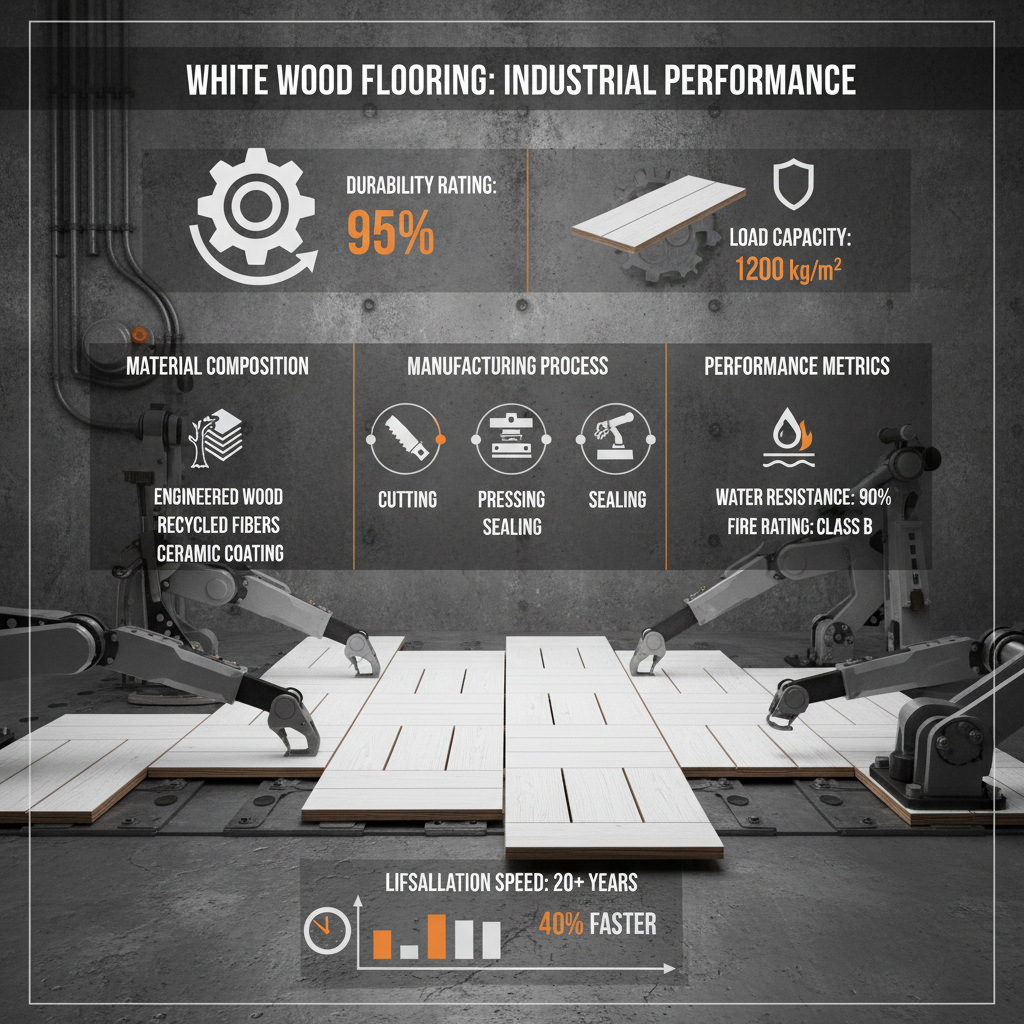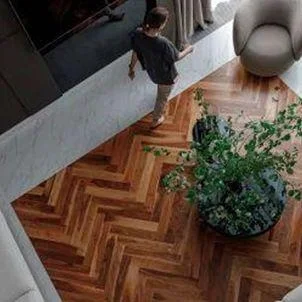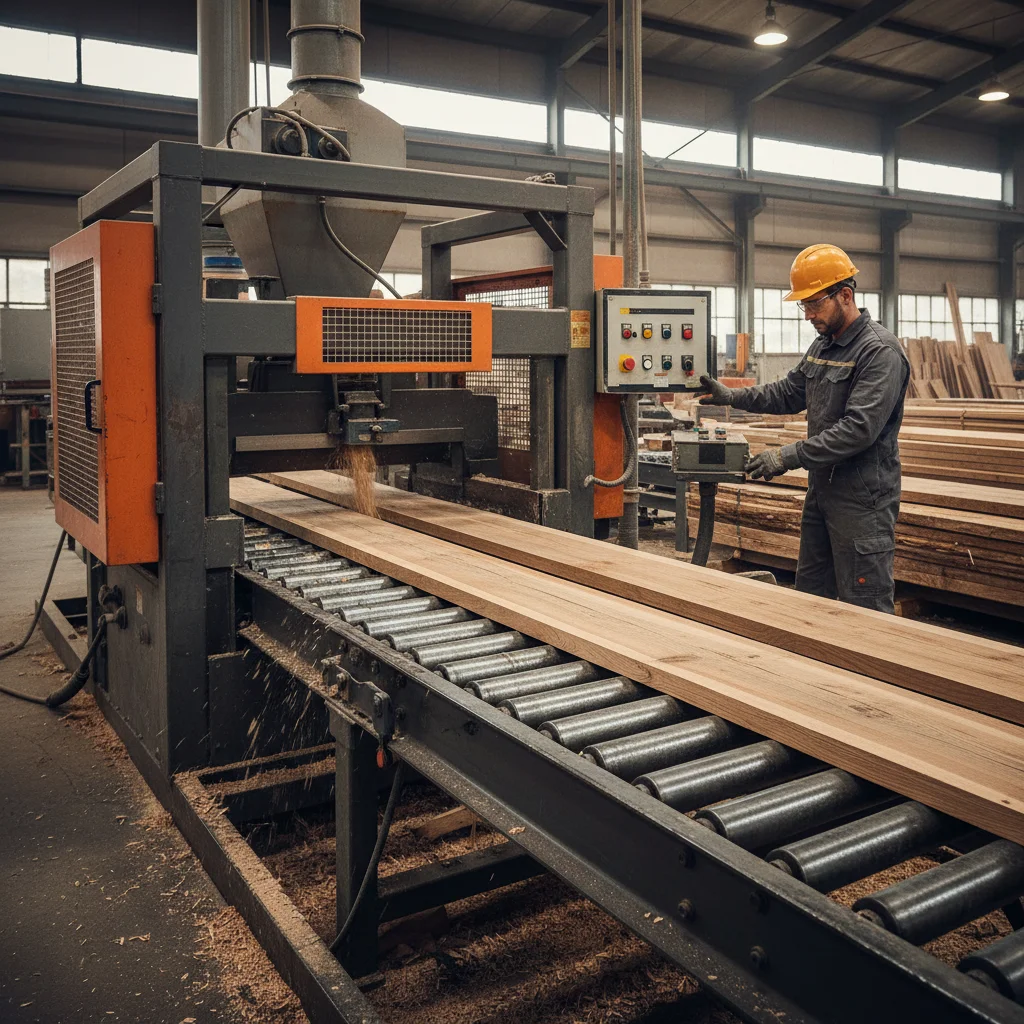
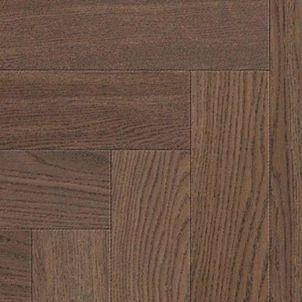
herringbone laminate
0%

Table of Contents

White wood flooring has emerged as a globally sought-after aesthetic, moving beyond mere trend to become a cornerstone of modern interior design. Its versatility seamlessly blends with diverse architectural styles, from minimalist Scandinavian spaces to classic farmhouse retreats. The increasing demand isn’t simply about appearance; it reflects a growing appreciation for the inherent qualities of wood—warmth, natural beauty, and a sense of tranquility—coupled with a desire for lighter, brighter interiors. This demand is bolstered by advancements in finishing techniques and sustainable sourcing practices, making white wood flooring a responsible and appealing choice for homeowners and designers worldwide.

The significance of white wood flooring extends beyond the residential sector, impacting commercial spaces and contributing to the growth of the broader wood industry. Global timber markets have seen a notable rise in the demand for lighter wood species suitable for whitening, prompting innovation in forestry and processing. Data from the UN’s Food and Agriculture Organization indicates a consistent upward trend in the sustainable management of forests, driven in part by consumer demand for responsibly sourced wood products. This trend highlights the economic impact of aesthetic preferences, directly influencing environmental stewardship.

One of the primary challenges white wood flooring addresses is the desire for spaces that feel both expansive and inviting. Darker floors can sometimes visually shrink a room, while white wood reflects light, creating an illusion of greater space. Furthermore, it provides a neutral canvas allowing for greater flexibility in decorating and furniture choices. The rising popularity of open-plan living necessitates flooring solutions that can seamlessly connect different areas, and white wood flooring achieves this with elegance and style.
white wood flooring

The Essence of White Wood Flooring

white wood flooring

White wood flooring, at its core, represents a design choice focused on luminosity and a clean aesthetic. Unlike naturally dark woods, these floors are achieved through various techniques including using naturally lighter species like maple, birch, or ash, or by bleaching and finishing darker woods to a pale, white hue. This process doesn’t just change the color; it influences the entire feel of a space, making it appear larger, more open, and inviting. white wood flooring is a versatile solution for many spaces.

The appeal lies in its ability to complement a wide range of interior styles—from Scandinavian minimalism and coastal chic to contemporary urban lofts. It’s a blank canvas that allows homeowners and designers to express their creativity without being constrained by a dominant floor color. The careful selection of wood species and finishing techniques also ensures that the resulting floor is durable, easy to maintain, and adds lasting value to any property.

Understanding White Wood Flooring

White wood flooring isn’t merely a color; it’s a category encompassing various wood species and finishing methods. The term refers to floors that appear white or very light in color, achieved through staining, bleaching, or simply selecting a naturally light-colored wood. Maple, birch, and ash are common choices due to their tight grain patterns and ability to take a white finish beautifully. However, even darker woods like oak can be transformed with the right techniques, though this often requires more intensive processing.

The connection to modern industry is significant. The demand for white wood flooring drives innovation in wood finishing technologies, leading to more durable, eco-friendly, and aesthetically pleasing products. Sustainable forestry practices are also increasingly prioritized to meet the growing demand for responsibly sourced materials. This focus on sustainability aligns with a broader consumer trend toward environmentally conscious choices.

Understanding the specific wood species and finishing techniques used is crucial when choosing white wood flooring. Different woods have different hardness ratings, affecting their resistance to dents and scratches. Similarly, the type of finish applied – whether it’s oil-based, water-based, or a UV-cured coating – influences the floor’s durability, maintenance requirements, and overall appearance.

Defining Characteristics of White Wood Flooring

The defining characteristic of white wood flooring is, unsurprisingly, its light color. This creates a bright, airy atmosphere in any room. However, beyond color, several other characteristics set it apart. A key aspect is its ability to enhance natural light, making spaces feel more open and inviting, particularly those with limited window access. This is particularly valuable in smaller homes or apartments where maximizing light is crucial.

The grain pattern also plays a significant role. While some woods, like maple, have a subtle, tight grain, others, like ash, exhibit a more pronounced pattern. This variation allows for different aesthetic effects, from a smooth, minimalist look to a more rustic, textured feel. Often, white wood flooring is selected to brighten and enlarge a space.

Finally, the finish used on white wood flooring greatly impacts its durability and maintenance requirements. Matte finishes are popular for their understated elegance and ability to hide minor scratches, while glossier finishes offer a more modern look but may show imperfections more readily. The choice of finish should align with the homeowner’s lifestyle and aesthetic preferences.

Key Factors Influencing White Wood Flooring Selection

Several key factors come into play when selecting white wood flooring. Durability is paramount, considering the level of foot traffic and potential for wear and tear. The Janka hardness scale is a valuable tool for comparing the hardness of different wood species. Higher Janka ratings indicate greater resistance to dents and scratches. Consider the lifestyle of the household when assessing durability needs.

Cost is another significant factor. The price of white wood flooring can vary widely depending on the wood species, finishing techniques, and installation costs. It’s important to establish a budget and explore different options within that range. Remember to factor in long-term maintenance costs as well, as certain finishes may require more frequent refinishing than others.

White Wood Flooring Method Comparison

Global Applications of White Wood Flooring

White wood flooring’s versatility has led to its widespread adoption across diverse regions and industries. In Scandinavian countries, it’s a staple of minimalist interiors, complementing the region’s emphasis on natural light and simplicity. Coastal regions worldwide favor white wood flooring for its ability to evoke a sense of calm and openness, mirroring the beach environment.

Beyond residential use, white wood flooring is gaining popularity in commercial spaces, such as retail stores, restaurants, and offices. Its clean aesthetic creates a sophisticated and welcoming atmosphere for customers and employees. In post-disaster relief operations, quick-install white wood flooring can provide a sanitary and comfortable living space for displaced individuals, offering a sense of normalcy amidst chaos.

The Enduring Value of White Wood Flooring

The long-term value of white wood flooring stems from its durability, aesthetic appeal, and potential to increase property value. A well-maintained white wood floor can last for decades, providing a lasting return on investment. Furthermore, its timeless design ensures that it remains stylish and desirable for years to come.

From a sustainability perspective, choosing responsibly sourced white wood flooring contributes to the preservation of forests and supports ethical forestry practices. This adds a layer of social responsibility to the investment, appealing to environmentally conscious consumers. The neutral color palette and adaptability also mean less frequent redecorating to stay on trend.

Emotionally, white wood flooring creates a sense of calm, spaciousness, and well-being. It's an investment in creating a home or business environment that is both aesthetically pleasing and emotionally comforting. This enhances the overall quality of life for those who inhabit the space.

Future Trends in White Wood Flooring

The future of white wood flooring is likely to be shaped by several emerging trends. Digital printing technology will enable increasingly realistic wood grain patterns and customized designs, offering homeowners greater personalization options. Advancements in UV-cured finishes promise enhanced durability and resistance to scratches and stains, reducing maintenance requirements.

Sustainability will continue to be a driving force, with a growing demand for reclaimed wood and innovative bio-based finishes. Smart flooring technologies, incorporating sensors for temperature and humidity monitoring, may also become more prevalent. We can expect a greater emphasis on finishes that mimic the tactile feel of natural wood while offering superior performance.

The integration of white wood flooring with smart home systems is another exciting possibility. Imagine flooring that adjusts its temperature based on occupancy or integrates with lighting systems to create dynamic ambiance. These innovations will further enhance the functionality and appeal of white wood flooring in the years to come.

Analysis of Challenges and Solutions in White Wood Flooring

Challenge Impact Area Potential Solution Implementation Cost (1-10)
Maintaining Brightness Over Time Aesthetics Regular application of protective coatings and gentle cleaning methods. 3
Susceptibility to Scratches Durability Utilize higher Janka-rated wood species and durable finish options. 6
Cost of High-Quality Materials Financial Explore alternative wood species and cost-effective finishing techniques. 4
Environmental Impact of Bleaching Sustainability Utilize eco-friendly bleaching agents or choose naturally light wood species. 5
Color Consistency Across Boards Aesthetics Careful selection of wood boards and consistent finishing application. 2
Finding Skilled Installers Installation Quality Invest in certified installers with experience in white wood flooring. 7

FAQS

What is the best wood species for white wood flooring?

Maple and birch are generally considered excellent choices for white wood flooring due to their tight grain patterns and ability to accept a white finish evenly. Ash is also a good option, offering a slightly more pronounced grain. Consider the hardness rating (Janka scale) to match the floor’s durability to your lifestyle. Choosing a quality wood species is crucial for achieving a beautiful and long-lasting white wood floor.

How do I prevent yellowing in white wood flooring?

Yellowing can occur over time due to exposure to sunlight and oxidation. Using a high-quality, UV-resistant finish is the best preventative measure. Regularly cleaning the floor with a pH-neutral cleaner and avoiding harsh chemicals can also help. Consider applying a refresher coat of finish every few years to maintain the bright white color. white wood flooring benefits from a UV protective finish.

Is white wood flooring difficult to maintain?

White wood flooring requires regular maintenance, but it’s not overly difficult. Sweep or vacuum regularly to remove dust and debris. Mop with a pH-neutral cleaner, avoiding excessive water. Address spills promptly to prevent staining. Protect furniture legs with felt pads to prevent scratches. Proper maintenance will ensure your white wood floor remains beautiful for years to come.

What type of finish is best for high-traffic areas?

For high-traffic areas, a durable, water-based polyurethane finish is recommended. These finishes offer excellent scratch and stain resistance. UV-cured finishes are even more durable, providing superior protection against wear and tear. Oil-based finishes offer a warm aesthetic, but may require more frequent maintenance. Consider the level of foot traffic and your lifestyle when choosing a finish.

Can I refinish white wood flooring?

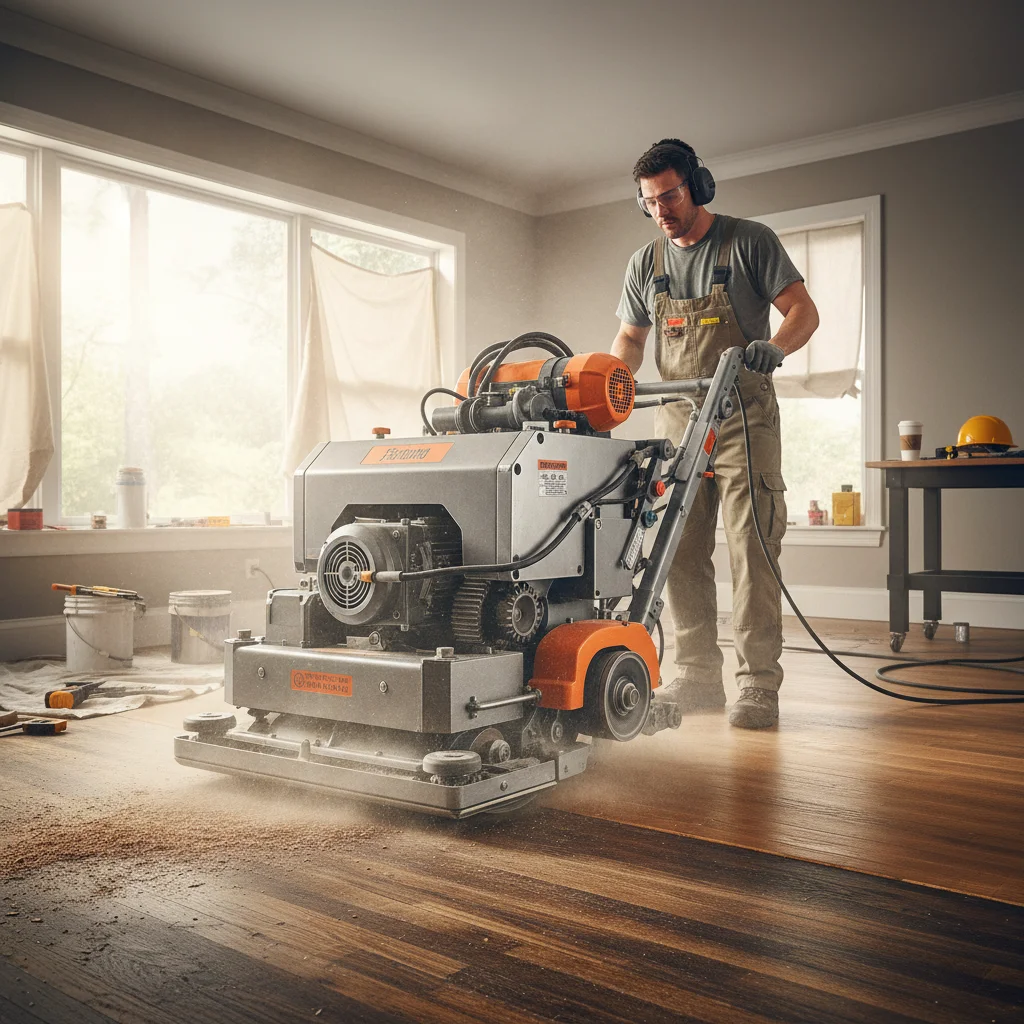
Yes, white wood flooring can be refinished, but it may require more effort than refinishing darker wood floors. It’s important to use a high-quality sander and primer to ensure the new finish adheres properly. Professional refinishing is recommended to achieve the best results. Depending on the wood species and previous finish, multiple coats of white stain or paint may be needed to achieve the desired color.

Is white wood flooring a good choice for homes with pets?

While white wood flooring can be a good choice for homes with pets, it's important to select a durable finish and take preventative measures. Choose a finish with excellent scratch resistance, such as a UV-cured polyurethane. Keep pet nails trimmed and regularly clean up any accidents to prevent staining. Consider using area rugs in high-traffic areas to protect the floor.

Conclusion

White wood flooring represents a compelling combination of aesthetic appeal, durability, and versatility. From its ability to brighten and expand spaces to its timeless design and sustainable sourcing options, it offers a wealth of benefits for homeowners and designers alike. The increasing demand for white wood flooring reflects a broader cultural shift toward lighter, more inviting interiors, and a growing appreciation for natural materials.

Looking ahead, innovations in finishing technologies and sustainable forestry practices will continue to enhance the appeal and value of white wood flooring. Embracing these advancements and prioritizing responsible sourcing will ensure that white wood flooring remains a beloved choice for generations to come. For more information and to explore our collection of beautiful white wood flooring options, visit our website: www.houndafloor.com.
Brian Harrison

Brian Harrison

Brian Harrison is Hounda's Key Account Manager, specializing in building and maintaining relationships with national property developers and home improvement chains. He possesses a deep understanding of the US construction and real estate markets. Before Hounda, Brian worked with several large-scale construction firms, providing flooring solutions for new residential developments. He excels at understanding client needs and delivering customized flooring solutions that align with their project goals and budget. He is known for his proactive communication and dedication to customer satisfaction. Brian joined Hounda in 2021.
Previous Exploring the Rise of Durable and Sustainable Bamboo Wood Flooring
Next Exploring the Benefits of Dark Oak Laminate Flooring for Modern Interiors

If you are interested in our products, you can choose to leave your information here, and we will be in touch with you shortly.