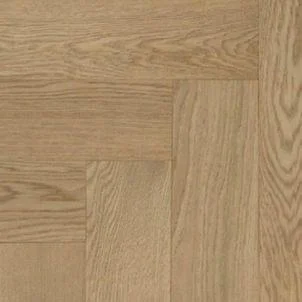
herringbone laminate
0%

Table of Contents

Wood planks, in their versatility and enduring appeal, represent a cornerstone of construction and design globally. From humble dwellings to grand architectural feats, these processed pieces of timber have shaped civilizations for centuries. The demand for wood planks stems not only from their structural properties but also from the aesthetic warmth and natural beauty they bring to any space. Understanding the nuances of wood planks - their sourcing, processing, application, and sustainable management - is crucial in a world increasingly focused on responsible building practices and environmental stewardship.

The global wood plank market is substantial, estimated to be worth billions of dollars annually, fueled by growth in construction, renovation, and furniture industries across continents. The United Nations Environment Programme (UNEP) highlights the importance of sustainably sourced timber to combat deforestation and promote responsible forestry. Furthermore, the increasing focus on prefabricated and modular construction is driving demand for high-quality wood planks that meet stringent building standards. Challenges remain in ensuring ethical sourcing and addressing issues of illegal logging, making informed choices about wood planks paramount for both consumers and industry professionals.

Wood planks are simply pieces of wood that have been sawn or split to a specific thickness and width. They represent a fundamental building material, serving as the basis for flooring, wall paneling, furniture construction, and a multitude of other applications. Their relevance extends beyond simple construction; wood planks embody a connection to nature, providing a sustainable alternative to many synthetic materials. As the world seeks innovative and eco-friendly solutions, the role of wood planks in modern industry and humanitarian needs will only continue to grow.
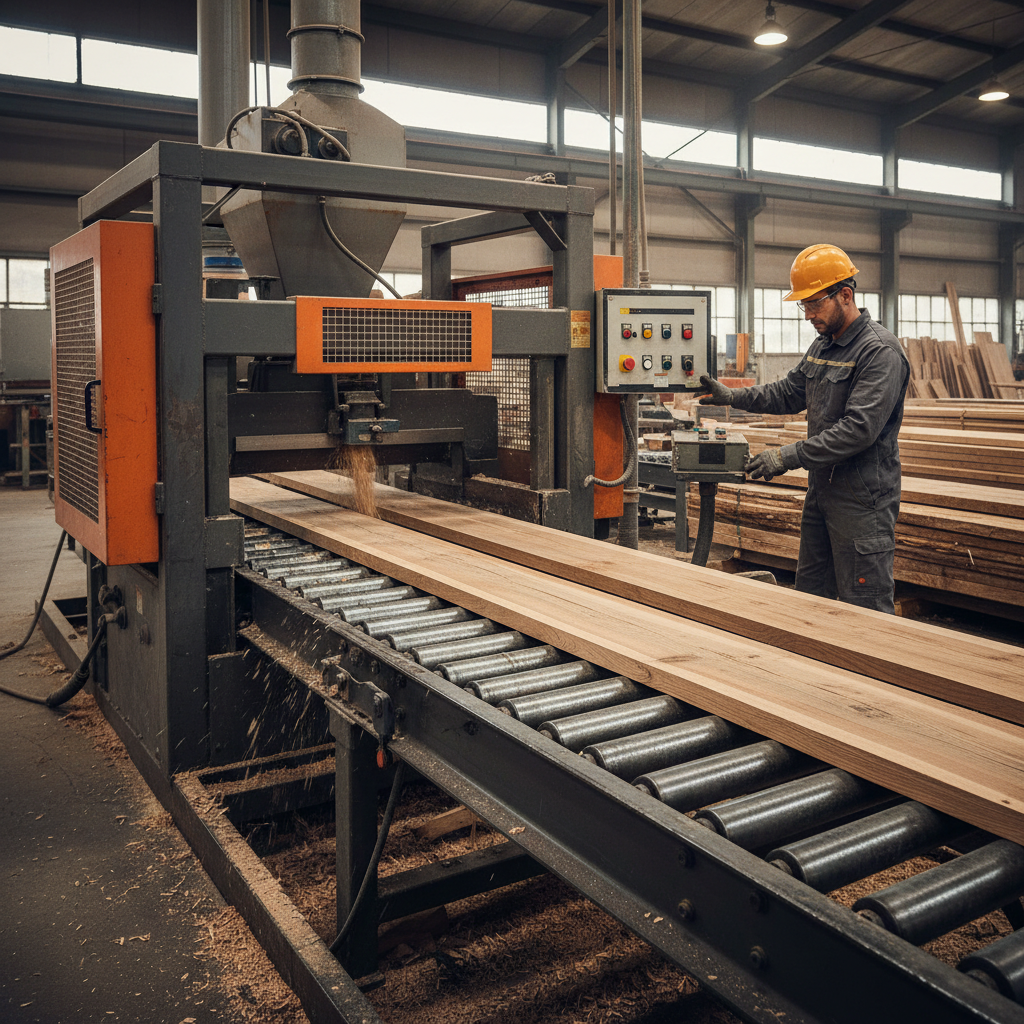
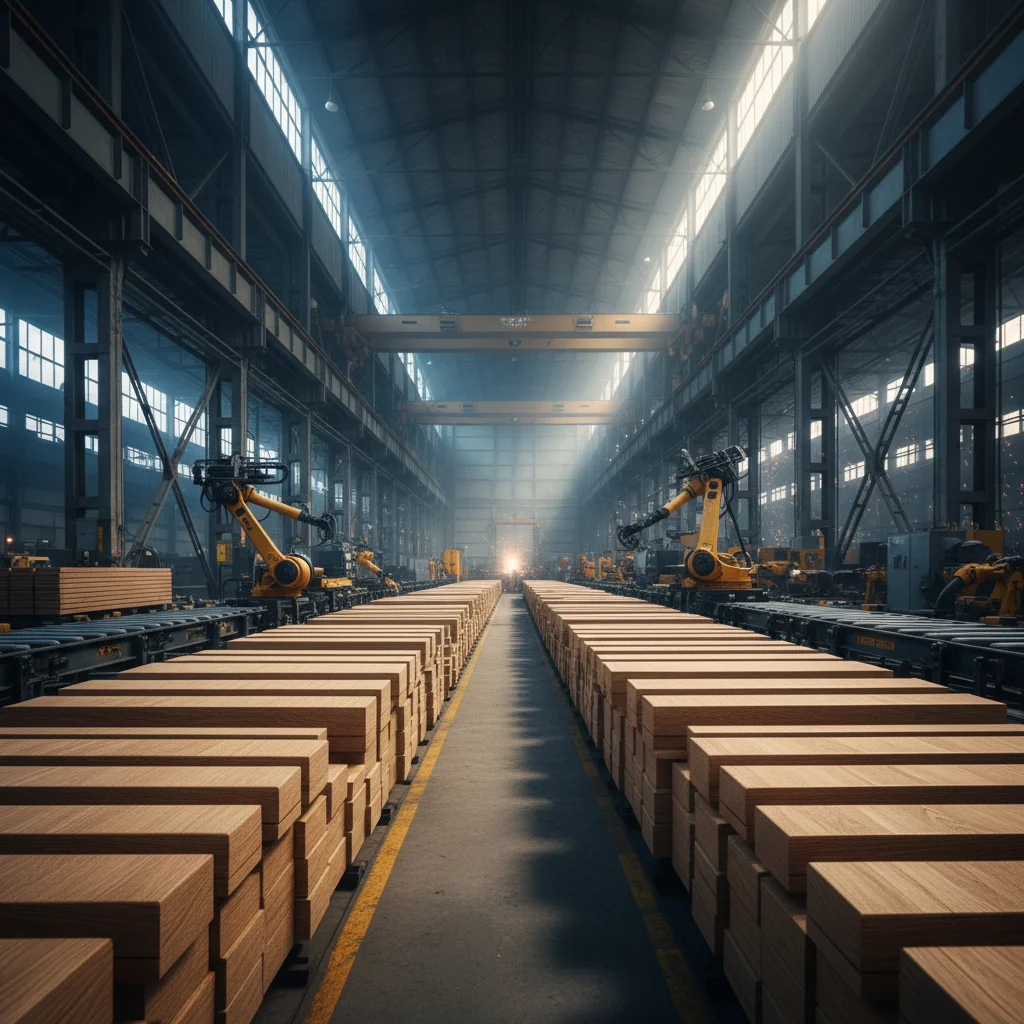
wood planks

The Enduring Relevance of Wood Planks
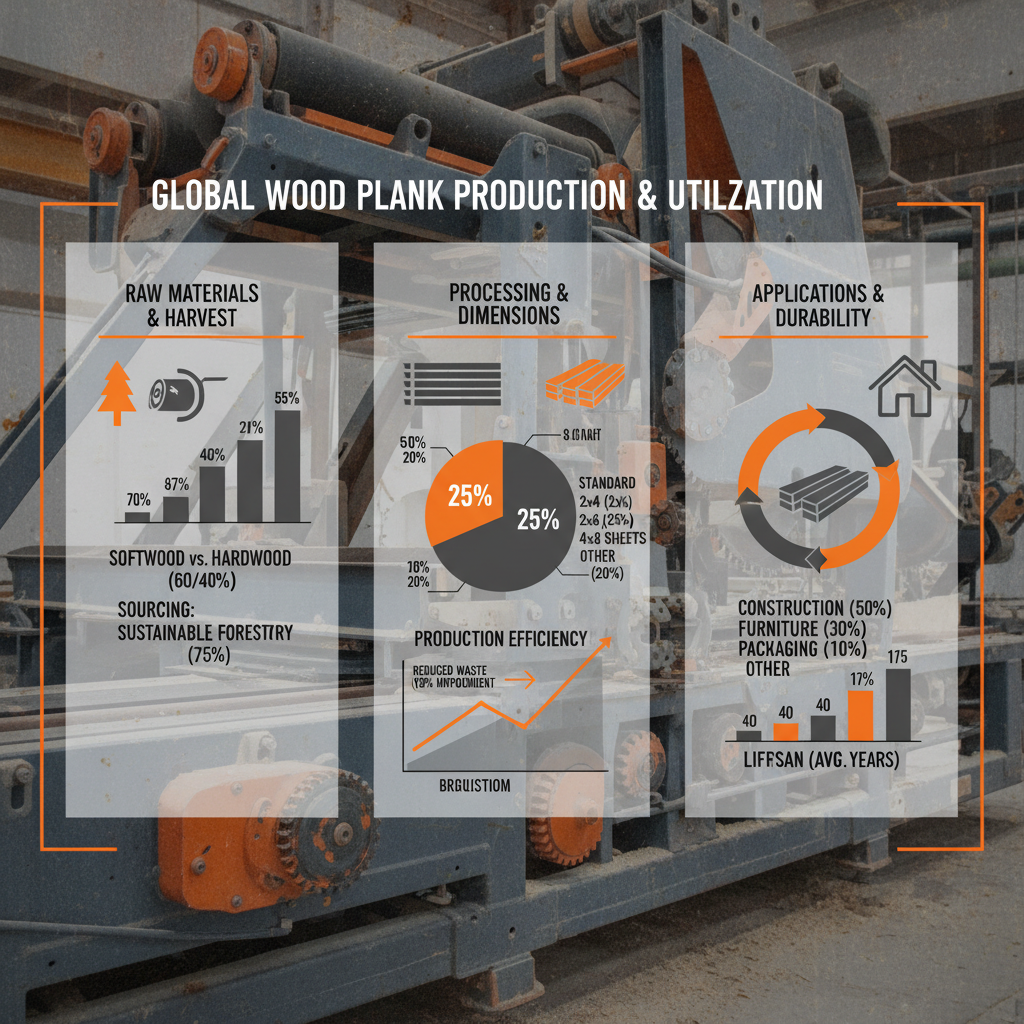
wood planks

The ongoing significance of wood planks is rooted in their exceptional combination of strength, workability, and aesthetic appeal. They represent a renewable resource, particularly when sourced from sustainably managed forests, offering a lower carbon footprint compared to many alternative building materials. This inherent sustainability is becoming increasingly crucial as the construction industry strives to reduce its environmental impact. wood planks continue to be a dominant choice for both structural and decorative applications.

Throughout history, wood planks have served as the foundation for shelters, infrastructure, and cultural artifacts. Their enduring presence across diverse climates and architectural styles highlights their adaptability and reliability. Modern advancements in wood processing and treatment have further enhanced the durability and longevity of wood planks, making them a viable choice for a wider range of demanding applications.

Defining Wood Planks: A Fundamental Building Material

At its core, a wood plank is a rectangular piece of timber that has been processed – typically sawn or split – to a specific width and thickness. This processing distinguishes it from raw logs, transforming it into a standardized building component. The specific dimensions of a wood plank are dictated by its intended use, with varying lengths, widths, and thicknesses available to suit diverse construction requirements. Quality wood planks are free of significant defects like knots or warping.

The connection of wood planks to modern industry is deeply ingrained. Beyond traditional construction, they are vital in furniture manufacturing, packaging, and even specialized applications like musical instrument crafting. The demand for engineered wood products, such as plywood and laminated veneer lumber (LVL), further demonstrates the versatility of wood planks as a foundational material.

In a world facing housing shortages and humanitarian crises, wood planks are increasingly utilized in the construction of rapid-deployment shelters and emergency housing. Their relatively lightweight nature and ease of assembly make them ideal for situations where speed and portability are paramount. The use of responsibly sourced wood planks contributes to sustainable building practices even in emergency contexts.

Core Characteristics of Quality Wood Planks

Several key factors determine the quality and suitability of wood planks for different applications. Durability, a primary concern, is influenced by the wood species, its density, and any applied treatments. Hardwood planks, like oak or maple, generally offer greater resistance to wear and tear than softwood planks, such as pine or fir. Properly dried and seasoned wood is also less prone to warping, cracking, or fungal growth.

Another vital characteristic is dimensional stability. Wood planks, being a natural material, are susceptible to expansion and contraction with changes in humidity and temperature. Choosing wood species with lower shrinkage rates and implementing proper sealing or finishing techniques can mitigate these effects. The grading of wood planks, which assesses their visual appearance and structural integrity, provides a standardized measure of quality.

Finally, the sustainability of sourcing plays a critical role. Wood planks certified by organizations like the Forest Stewardship Council (FSC) guarantee that the timber has been harvested from responsibly managed forests, minimizing environmental impact and supporting ethical forestry practices. This certification is becoming increasingly important for environmentally conscious consumers and builders seeking wood planks with a clear provenance.

Applications Across Diverse Industries

The versatility of wood planks allows for widespread application across numerous industries. In construction, they are fundamental for framing, flooring, roofing, and wall paneling. Within the furniture industry, wood planks serve as the primary material for creating tables, chairs, cabinets, and various decorative items. Beyond these, they are used extensively in packaging, pallets, and even shipbuilding.

The creative arts also heavily rely on wood planks. Sculptors utilize them as a medium for artistic expression, while instrument makers depend on specific wood types and carefully crafted planks for constructing instruments. Furthermore, wood planks find applications in the agricultural sector, used for fencing, barns, and other farm structures.

Comparative Durability of Wood Plank Materials

Advantages & Long-Term Value Proposition

The advantages of using wood planks are numerous and extend beyond initial cost-effectiveness. Wood is a naturally renewable resource, making it a sustainable choice compared to many alternatives. Its relatively low embodied energy—the total energy required to extract, process, transport, and install it—further contributes to its environmental benefits. Utilizing responsibly sourced wood planks actively supports forest conservation efforts.

From a structural standpoint, wood planks offer an excellent strength-to-weight ratio, making them ideal for various building applications. Their natural insulation properties contribute to energy efficiency, reducing heating and cooling costs over the lifespan of a structure. Moreover, wood planks possess an aesthetic quality that enhances the visual appeal of any space, creating a warm and inviting atmosphere.

Global Implementation and Real-World Use Cases

Wood planks are employed globally in diverse construction projects, from residential housing to large-scale commercial developments. In Scandinavian countries, wood is a dominant building material, reflecting a long-standing tradition of sustainable forestry and innovative wood construction techniques. Japan, with its history of timber framing, continues to utilize wood planks extensively in traditional and modern architecture.

In North America, engineered wood products, utilizing wood planks as a core component, are gaining popularity in high-rise construction, offering a sustainable alternative to concrete and steel. Developing nations often rely on wood planks for affordable housing solutions, particularly in rural areas. Wood planks are also crucial in disaster relief efforts, used to construct temporary shelters and rebuild infrastructure.

Furthermore, the marine industry utilizes treated wood planks for boat building and dock construction, capitalizing on their natural water resistance and durability when properly preserved. These diverse applications demonstrate the adaptability and global relevance of wood planks across a wide range of contexts.

Future Trends and Sustainability of Wood Planks

Several emerging trends are poised to reshape the future of wood planks. Mass timber construction, utilizing large-format engineered wood panels (like cross-laminated timber or CLT), is gaining traction as a sustainable alternative to concrete and steel in taller buildings. Advancements in wood treatment technologies are enhancing the durability and fire resistance of wood planks, expanding their potential applications.

Digital fabrication techniques, such as CNC milling and robotic assembly, are streamlining the production process and enabling the creation of complex wood plank designs. Furthermore, a growing emphasis on circular economy principles is driving innovation in wood waste recycling and reuse. Companies are developing methods to transform wood scraps into new wood-based products, minimizing landfill waste.

The integration of smart technologies, such as sensors embedded within wood planks, is enabling real-time monitoring of structural health and environmental conditions. These advancements collectively contribute to a more sustainable and technologically advanced future for wood planks, ensuring their continued relevance in the built environment.

Summary of Factors Influencing Wood Plank Quality and Longevity

Wood Species Moisture Content Treatment Type Grading Standard
Oak 6-8% Pressure Treated Select Structural
Pine 12-15% Kiln Dried No. 2 Common
Maple 7-9% UV Protected FAS (Firsts and Seconds)
Cedar 10-12% Naturally Resistant Heartwood Select
Fir 12-16% Borate Treated Construction Grade
Redwood 8-10% None (Naturally Durable) Clear All Heart

FAQS

What factors determine the cost of wood planks?

The cost of wood planks is influenced by several factors, including the species of wood (hardwoods generally being more expensive), the grade of the wood (higher grades with fewer defects command a premium), the dimensions of the planks, the region of origin (transportation costs play a role), and current market demand. Sustainability certifications, like FSC, may also add to the cost but reflect responsible sourcing practices.

How can I ensure that wood planks are sustainably sourced?

Look for wood planks certified by reputable organizations like the Forest Stewardship Council (FSC). FSC certification guarantees that the timber comes from responsibly managed forests. Additionally, inquire with your supplier about their sourcing policies and ask for documentation verifying the wood's origin. Choosing locally sourced wood can also minimize transportation emissions.

What are the common defects to look for when purchasing wood planks?

Common defects include knots (which can weaken the wood), warping (bending or twisting of the plank), cracks (splits in the wood), and excessive moisture content. Inspect the planks carefully for these imperfections before purchasing. Higher grades of wood generally have fewer defects.

How do I properly store wood planks to prevent damage?

Store wood planks in a dry, well-ventilated area away from direct sunlight and moisture. Elevate the planks off the ground using supports to allow for air circulation. Cover the planks loosely with a tarp to protect them from rain and debris, but avoid sealing them tightly, which can trap moisture.

What types of finishes can be applied to wood planks?

A variety of finishes can be applied to wood planks, including stains, paints, varnishes, and oils. The choice of finish depends on the desired aesthetic effect and the level of protection required. Oil finishes penetrate the wood, providing a natural look and feel, while varnishes and paints create a protective coating on the surface.

How do different wood species affect the durability of planks?

Hardwood species like oak, maple, and hickory are significantly more durable than softwood species like pine or fir due to their denser grain. Durability also depends on the intended application. For high-traffic flooring, hardwoods are generally preferred. For less demanding applications, softwoods can be a cost-effective option. Proper treatment and maintenance can enhance the lifespan of any wood plank species.

Conclusion

In conclusion, wood planks remain an indispensable building material, offering a unique blend of sustainability, versatility, and aesthetic appeal. From foundational structural components to exquisite finishing touches, their applications are diverse and widespread. Understanding the nuances of wood species, quality grading, responsible sourcing, and proper maintenance is crucial for maximizing the long-term value and environmental benefits of wood planks.

Looking ahead, advancements in wood technology and a growing emphasis on sustainable building practices will further solidify the role of wood planks in the built environment. Embracing innovative approaches like mass timber construction and circular economy principles will unlock new possibilities for utilizing this renewable resource and creating a more sustainable future. Visit our website at www.houndafloor.com to learn more about our selection of quality wood planks.

David Miller

David Miller

David Miller is Hounda's North American Sales Director, bringing over 15 years of experience in the flooring industry. Prior to joining Hounda in 2022, David held leadership positions at leading flooring distributors like Shaw Industries and Mohawk. He’s a strong advocate for sustainable building practices and is passionate about bringing innovative flooring solutions to the US market. David focuses on expanding Hounda’s presence within the commercial sector, specifically targeting hospitality and multi-family residential projects. He holds a Bachelor's degree in Business Administration from the University of Texas at Austin and frequently speaks at industry conferences on flooring trends and market analysis.
Previous Exploring the Timeless Appeal of Light Oak Flooring for Modern Interiors
Next Explore the Durability and Beauty of Hickory Hardwood Flooring

If you are interested in our products, you can choose to leave your information here, and we will be in touch with you shortly.