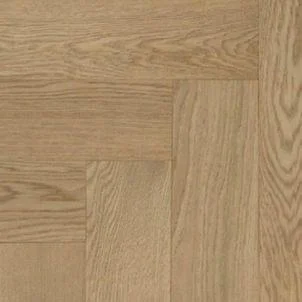
herringbone laminate
0%

Table of Contents

Bamboo wood flooring has emerged as a leading sustainable building material in the 21st century, offering a compelling alternative to traditional hardwood. Its rapid renewability, strength, and aesthetic versatility make it a globally relevant choice for both residential and commercial applications. Understanding the properties and benefits of bamboo wood flooring is increasingly crucial as global demand for eco-friendly construction solutions rises.

The growing awareness of deforestation and its impact on climate change has propelled bamboo wood flooring into the spotlight. Nations are adopting stricter environmental regulations, and consumers are actively seeking sustainable products. This demand is driving innovation in bamboo processing and manufacturing, creating a thriving industry with significant economic and environmental potential. The versatility of bamboo allows for diverse applications, making it a key player in the movement towards greener building practices.

Beyond its environmental benefits, bamboo wood flooring provides a cost-effective and aesthetically pleasing solution for a wide range of projects. Its durability and resistance to pests further enhance its appeal, offering long-term value to homeowners and businesses alike. This makes it not just an environmentally conscious choice but a financially sound one as well, contributing to the continued growth of its global popularity.
bamboo wood flooring

The Global Rise of Bamboo Wood Flooring
bamboo wood flooring

The global market for bamboo wood flooring is experiencing substantial growth, driven by increasing demand for sustainable building materials. According to a report by the UN Environment Programme, the sustainable forestry sector is projected to reach $450 billion by 2027, with bamboo playing a significant role. This growth is particularly notable in regions with abundant bamboo resources, such as Asia, where it’s been utilized for centuries.

The increasing recognition of bamboo’s environmental advantages, coupled with advancements in manufacturing technology, has broadened its appeal beyond traditional markets. Concerns about deforestation and carbon emissions are prompting architects, designers, and consumers to prioritize eco-friendly alternatives like bamboo wood flooring. Its versatility and aesthetic appeal further contribute to its rising popularity, making it a viable option for a wide range of applications.

Defining Bamboo Wood Flooring

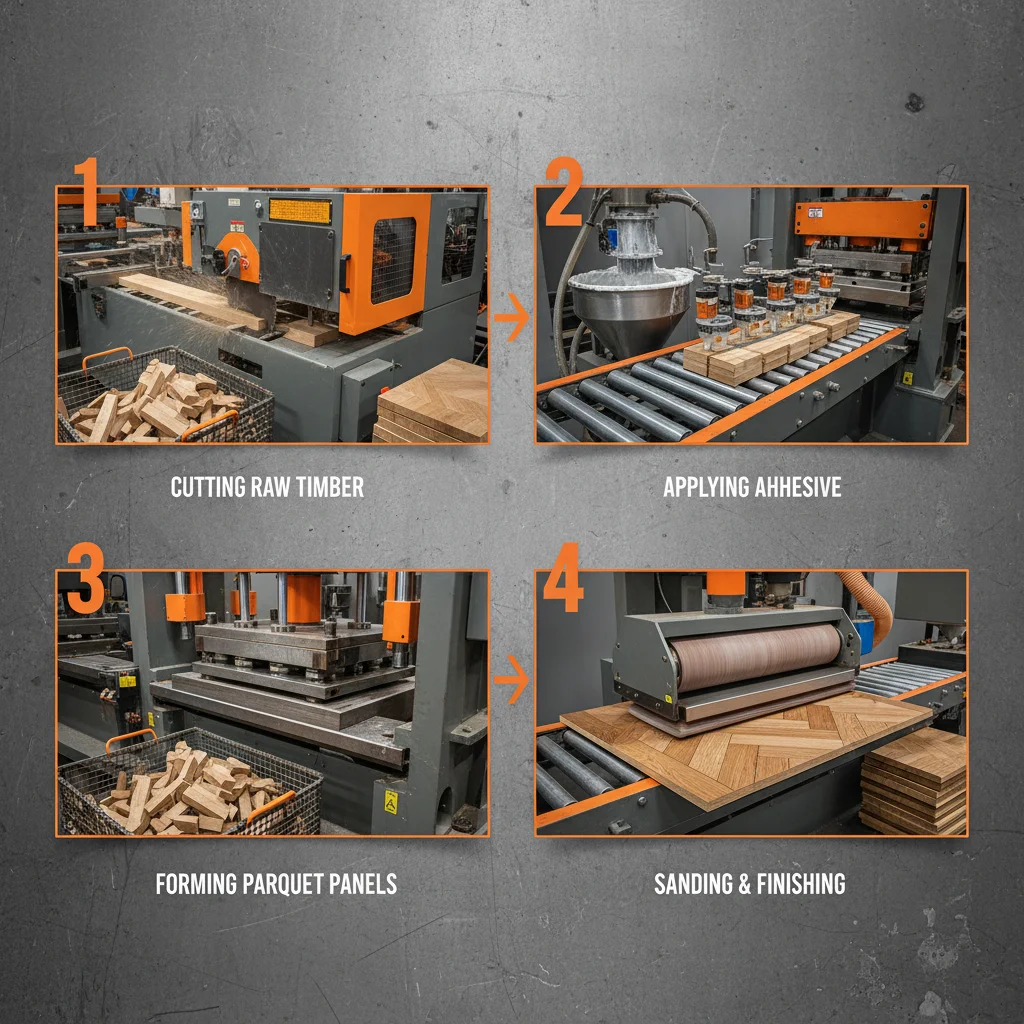
Bamboo wood flooring isn't made from traditional wood; it’s engineered from bamboo grass, a remarkably fast-growing plant. Unlike hardwood trees that take decades to mature, bamboo can be harvested in 3-5 years, making it a highly renewable resource. The bamboo stalks are split, flattened, and then bonded together using adhesives to create flooring planks.

There are different methods used in creating bamboo wood flooring, including horizontal, vertical, and strand-woven. Horizontal bamboo flooring showcases the natural nodes of the bamboo, offering a unique aesthetic. Vertical bamboo is more dense and uniform, while strand-woven bamboo is the hardest and most durable option.

This manufacturing process provides a strong and stable flooring product that rivals, and in some cases surpasses, the durability of traditional hardwoods. It directly addresses the urgent need for sustainable alternatives in the construction industry, helping to mitigate the environmental impact of deforestation and promote responsible resource management.

Key Characteristics of Bamboo Wood Flooring

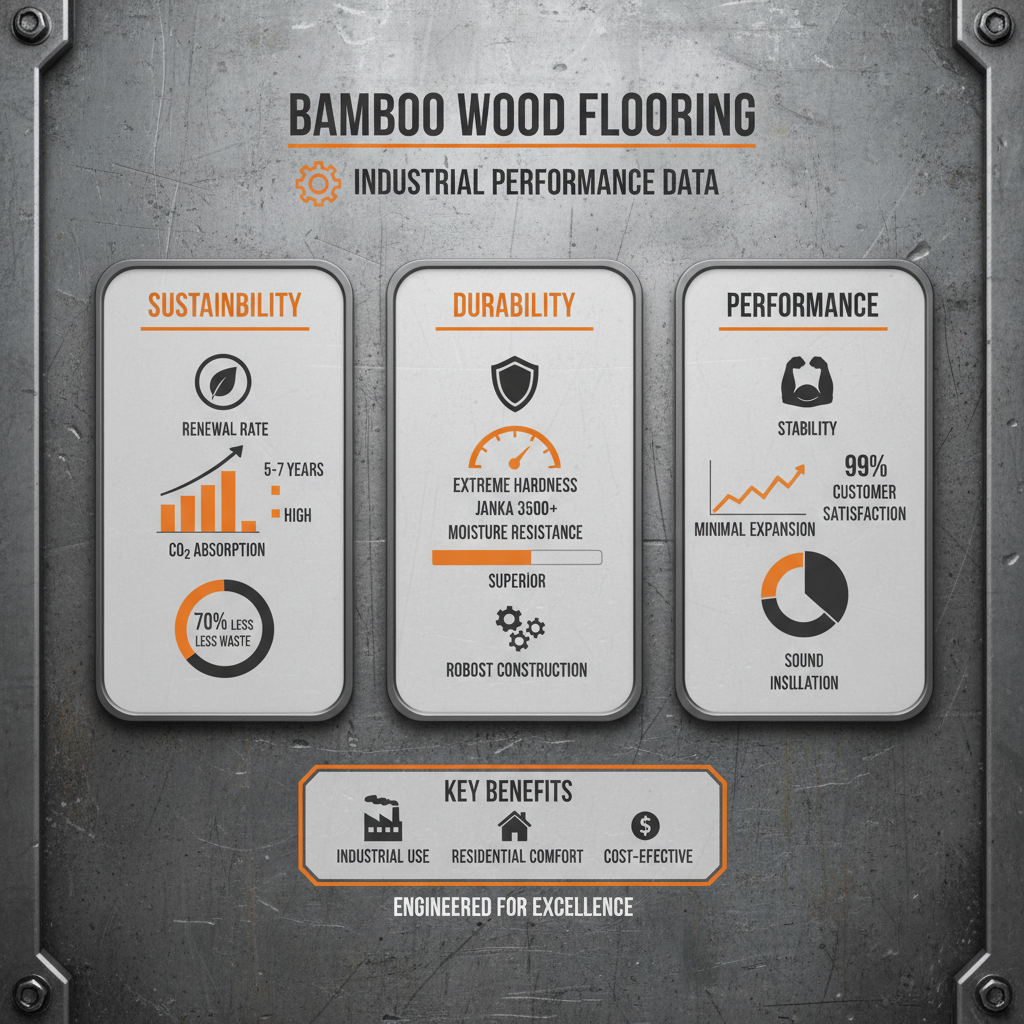
One of the defining characteristics of bamboo wood flooring is its exceptional strength and durability. Strand-woven bamboo, in particular, boasts a Janka hardness rating that often exceeds that of oak, maple, or hickory, making it incredibly resistant to dents and scratches. This makes it an ideal choice for high-traffic areas in both residential and commercial settings.

Another important attribute is its sustainability. Bamboo's rapid growth rate means it replenishes quickly, minimizing the environmental impact associated with harvesting. Furthermore, bamboo requires minimal pesticides and fertilizers, contributing to healthier ecosystems. Choosing bamboo wood flooring is, therefore, an environmentally responsible decision.

Bamboo also possesses natural antimicrobial properties, making it a healthier flooring option for individuals with allergies or sensitivities. Its inherent resistance to mold and mildew further contributes to a cleaner and more hygienic indoor environment. This, combined with its aesthetic versatility, makes bamboo a highly desirable flooring choice.

Durability and Performance Metrics

Evaluating the durability of bamboo wood flooring requires examining several performance metrics. The Janka hardness test, a standard measure of wood hardness, is particularly relevant. Strand-woven bamboo typically scores between 1300-1800 on the Janka scale, surpassing many traditional hardwoods.

Beyond hardness, assessing the dimensional stability of bamboo flooring is crucial. Bamboo's natural tendency to expand and contract with changes in humidity must be addressed during the manufacturing process. High-quality bamboo flooring undergoes treatments to minimize this movement, ensuring long-term stability and preventing warping or cracking.

Comparative Durability of Bamboo Flooring Methods

Applications in Construction and Design

Bamboo wood flooring is incredibly versatile, suitable for a diverse range of applications. From residential homes and apartments to commercial spaces like offices, retail stores, and gyms, it can be used in almost any interior setting. Its ability to withstand heavy foot traffic makes it particularly well-suited for high-traffic areas.

Beyond flooring, bamboo can be used in wall paneling, cabinetry, and even furniture, creating a cohesive and sustainable design aesthetic. Architects and designers are increasingly incorporating bamboo into their projects, recognizing its potential to contribute to eco-friendly and visually appealing spaces.

Sustainability and Environmental Impact

The sustainability of bamboo wood flooring is arguably its most significant advantage. Bamboo is one of the fastest-growing plants on Earth, with some species growing up to 36 inches in a single day. This rapid growth allows for quick replenishment, minimizing the environmental impact associated with harvesting.

Compared to hardwood trees, which can take decades to mature, bamboo requires minimal resources to grow. It needs little water, no pesticides, and no fertilizers. Furthermore, bamboo forests absorb significantly more carbon dioxide than hardwood forests, contributing to climate change mitigation. Choosing bamboo wood flooring is, therefore, a proactive step towards a more sustainable future.

However, it’s crucial to consider the adhesives used in the manufacturing process. Look for bamboo flooring products that utilize low-VOC (volatile organic compound) adhesives to minimize indoor air pollution and ensure a healthier living environment.

Future Trends and Innovations in Bamboo Flooring

The future of bamboo wood flooring is bright, with ongoing innovations aimed at enhancing its performance and sustainability. Researchers are exploring new bio-based adhesives to replace traditional formaldehyde-based adhesives, further reducing the environmental footprint of bamboo flooring.

Advanced manufacturing techniques, such as 3D printing, are also being investigated to create more complex and customized bamboo flooring designs. Furthermore, the integration of smart technologies, like embedded sensors for monitoring moisture levels and indoor air quality, is on the horizon.

The development of even more durable and water-resistant bamboo flooring options is a key area of focus, expanding its potential applications to include outdoor spaces and high-moisture environments. This continuous innovation promises to solidify bamboo's position as a leading sustainable building material.

Comparative Analysis of Bamboo Flooring Manufacturing Processes

Manufacturing Process Durability Score (1-10) Environmental Impact Score (1-10) Cost Effectiveness Score (1-10)
Horizontal Bamboo 6 8 7
Vertical Bamboo 7 9 7
Strand-Woven Bamboo 9 8 8
Carbonized Bamboo 5 7 6
Natural Bamboo 6 9 7
Bamboo with Bio-Adhesive 8 10 7

FAQS

What are the main benefits of choosing bamboo wood flooring over hardwood?

Bamboo wood flooring offers several advantages over traditional hardwood. It's a highly renewable resource, growing much faster than hardwood trees. It's also often more affordable, incredibly durable – particularly strand-woven bamboo – and possesses natural antimicrobial properties. From a sustainability standpoint, bamboo is a significantly more responsible choice, reducing deforestation and carbon emissions.

How does bamboo flooring hold up to moisture and humidity?

While bamboo is naturally susceptible to moisture, high-quality bamboo flooring undergoes treatments to enhance its water resistance. Look for flooring with a moisture-resistant core and a protective finish. Proper installation, including leaving an expansion gap, is also crucial. While not entirely waterproof, modern bamboo flooring can perform well in moderately humid environments.

Is bamboo flooring suitable for homes with pets?

Yes, bamboo flooring is generally a good choice for homes with pets. Strand-woven bamboo, in particular, is incredibly scratch-resistant due to its high density. Regular cleaning and maintenance can help prevent damage from pet claws. A durable finish will also protect against stains and spills.

What is the typical lifespan of bamboo wood flooring?

With proper care and maintenance, bamboo wood flooring can last for decades. Strand-woven bamboo can easily last 50 years or more. Factors such as the quality of the flooring, the level of foot traffic, and the maintenance routine all contribute to its lifespan. Regular cleaning, refinishing when necessary, and addressing spills promptly are essential for maximizing its longevity.

How do I clean and maintain bamboo wood flooring?

Regular cleaning is essential for maintaining the beauty of bamboo wood flooring. Sweep or vacuum regularly to remove dust and debris. Damp mop with a pH-neutral cleaner specifically designed for wood floors. Avoid using excessive water, as it can damage the flooring. Refinishing may be necessary after several years to restore the finish and protect the wood.

Is bamboo flooring a truly sustainable option, considering the adhesives used?

The sustainability of bamboo flooring depends on the adhesives used. Traditional adhesives often contain formaldehyde, a harmful chemical. However, many manufacturers now offer bamboo flooring made with low-VOC (volatile organic compound) or formaldehyde-free adhesives. Choosing these options significantly minimizes the environmental impact and ensures a healthier indoor environment.

Conclusion

In conclusion, bamboo wood flooring represents a compelling blend of sustainability, durability, and aesthetic appeal. Its rapid renewability addresses critical environmental concerns, while its strength and resilience make it a practical choice for a wide range of applications. By understanding its characteristics, proper installation, and maintenance requirements, you can enjoy a beautiful and eco-friendly flooring solution for years to come.

As awareness of sustainable building practices continues to grow, bamboo wood flooring is poised to become an even more prominent material in the construction industry. Continued innovation in manufacturing, adhesive technologies, and design will further enhance its performance and appeal. Investing in bamboo flooring is not just a choice for your home or business; it's an investment in a healthier planet.
Brian Harrison

Brian Harrison

Brian Harrison is Hounda's Key Account Manager, specializing in building and maintaining relationships with national property developers and home improvement chains. He possesses a deep understanding of the US construction and real estate markets. Before Hounda, Brian worked with several large-scale construction firms, providing flooring solutions for new residential developments. He excels at understanding client needs and delivering customized flooring solutions that align with their project goals and budget. He is known for his proactive communication and dedication to customer satisfaction. Brian joined Hounda in 2021.
Previous Exploring the Timeless Elegance of Red Oak Hardwood Flooring
Next The Enduring Appeal of White Wood Flooring in Modern Interior Design

If you are interested in our products, you can choose to leave your information here, and we will be in touch with you shortly.