
- russian
- luganda
- maithili
- maori
- marathi
- norwegian
- oromo
- persian
- polish
- portuguese
- quechua
- korean
- shona
- sindhi
- singapore
- spanish
- tamil
- thai
- turkish
- ukrainian
- urdu
- vietnamese
- english
- arabic
- aymara
- basque
- belarusian
- bengali
- cebuano
- czech
- danish
- deutsch
- dutch
- afrikaans
- filipino
- finnish
- french
- galician
- hindi
- indonesian
- irish
- italian
- japanese

Parquet wood flooring, celebrated for its intricate geometric patterns and enduring beauty, has a rich history spanning centuries. Originally a symbol of aristocracy and refined taste, it has evolved into a versatile flooring option appreciated globally for its aesthetic appeal and durability. Understanding the nuances of parquet – from its traditional construction to modern variations – is crucial for architects, designers, and homeowners seeking a timeless and high-quality flooring solution. This knowledge empowers informed decisions, ensuring lasting value and satisfaction with this classic material.
The global demand for parquet wood flooring is steadily increasing, driven by a resurgence in interest in heritage designs and sustainable building practices. According to recent market reports, the global wood flooring market is projected to reach \$XX billion by 2028, with parquet accounting for a significant and growing segment. This growth is particularly prominent in Europe and North America, but emerging markets in Asia-Pacific are also demonstrating substantial demand. The industry is responding with innovations in manufacturing and installation techniques.
However, challenges remain. Sourcing sustainable materials and mitigating the impact of deforestation are critical concerns. Furthermore, the relatively high cost of traditional parquet installation compared to other flooring options can be a barrier to entry for some consumers. Addressing these issues through responsible forestry practices and innovative installation methods is essential to ensure the long-term viability of the parquet wood flooring industry.
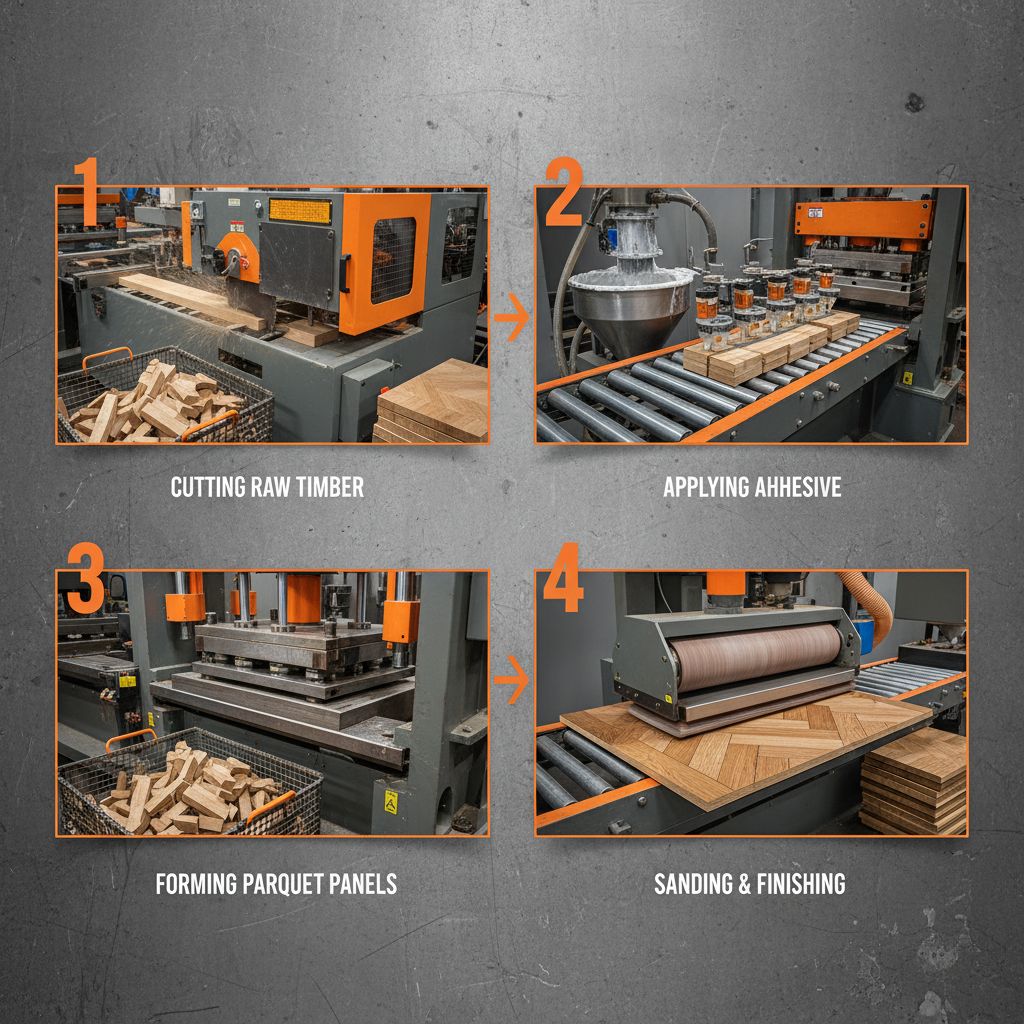
The Historical Development of parquet wood flooring

The origins of parquet wood flooring can be traced back to the 17th century France, specifically the Palace of Versailles. Louis XIV commissioned a new flooring technique that allowed for intricate designs to be created without the need for expensive solid wood carpets. This original parquet flooring utilized small blocks of wood meticulously arranged in geometric patterns, often creating stunning visual effects. This innovation quickly became a symbol of luxury and sophistication.
Over the centuries, parquet evolved, with different regions developing their own distinct styles. Italian and English artisans adopted and adapted the technique, introducing new patterns and wood species. The Victorian era saw a flourishing of parquet designs, often incorporating elaborate marquetry and inlay work. The 20th century witnessed a period of decline, replaced by more affordable flooring options, but parquet experienced a remarkable resurgence in the late 20th and early 21st centuries, regaining its status as a premium flooring choice, with companies like parquet wood flooring leading the way.
FAQS
Parquet wood flooring offers a unique combination of aesthetic appeal, durability, and long-term value. Its intricate patterns add visual interest, while its solid wood construction provides exceptional resistance to wear and tear. Unlike many other flooring options, parquet can be refinished multiple times, extending its lifespan and maintaining its beauty for generations. Its classic style also often increases property value.
Solid wood parquet is made entirely of hardwood, offering superior durability and refinishing potential. However, it is more susceptible to warping and cracking in fluctuating humidity conditions. Engineered parquet consists of a hardwood veneer bonded to a core of plywood or HDF, providing greater dimensional stability. It’s also often more cost-effective. Solid wood is ideal for dry climates and high-end installations, while engineered is better suited for areas with moisture concerns.
Regular cleaning with a soft, damp cloth and a pH-neutral wood cleaner is essential. Avoid excessive water, which can damage the wood. Sweep or vacuum regularly to remove dust and debris. Consider using felt pads under furniture legs to prevent scratches. Periodic refinishing (every 5-10 years, depending on wear) can restore the floor's beauty and protect it from further damage.
Parquet can be a sustainable choice if sourced responsibly. Look for wood certified by the Forest Stewardship Council (FSC), ensuring it comes from sustainably managed forests. Choosing engineered parquet with a responsibly sourced core and low-VOC adhesives and finishes can further enhance its sustainability. Reclaimed wood parquet is also an excellent environmentally friendly option.
Installation costs vary depending on the type of parquet (solid vs. engineered), the complexity of the pattern, and the labor rates in your area. Generally, installation costs range from \$8 to \$20+ per square foot, including materials and labor. Solid wood parquet typically requires more skilled labor and therefore tends to be more expensive to install than engineered parquet.
Classic patterns like herringbone and chevron remain incredibly popular choices for parquet flooring. Basketweave, square, and brick patterns also offer distinctive looks. More modern designs incorporating geometric shapes and contrasting wood tones are gaining traction. The choice of pattern often depends on the size and shape of the room, as well as the desired aesthetic.
Conclusion
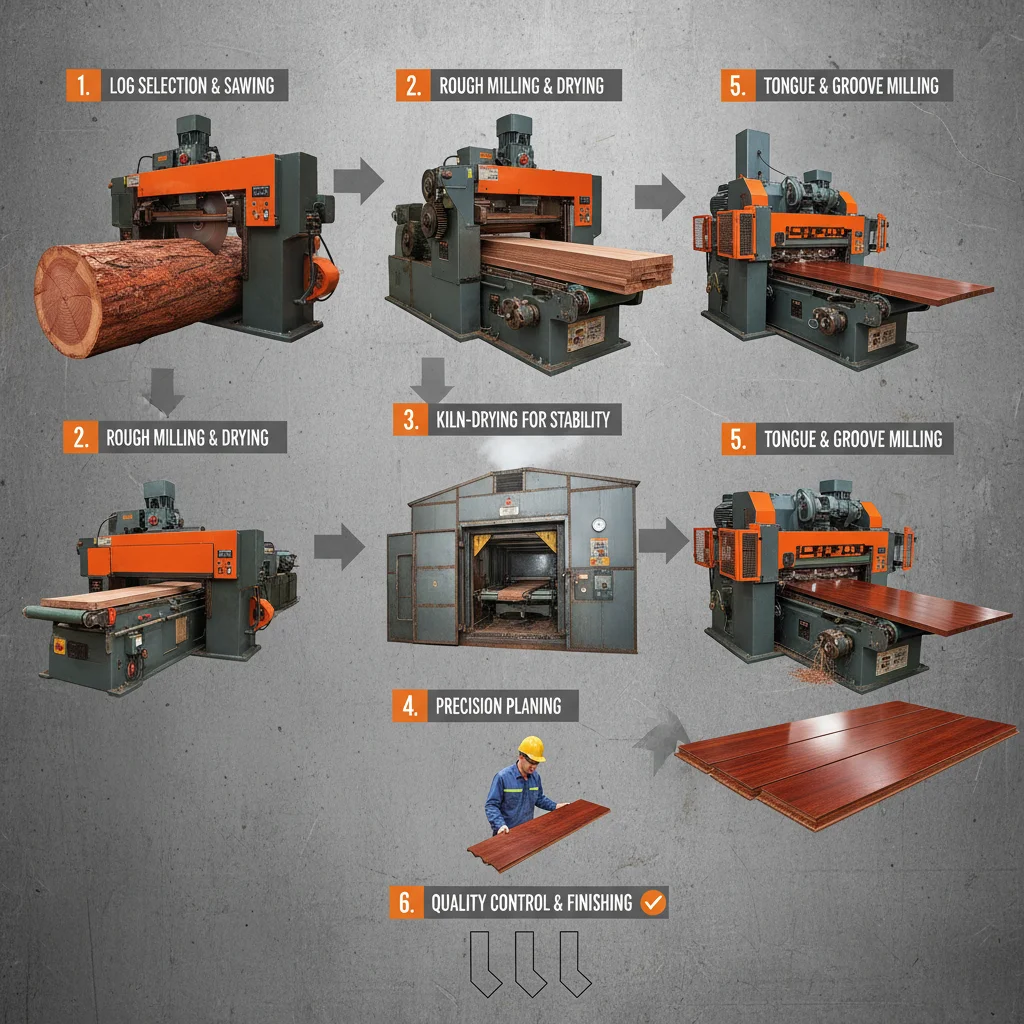
In conclusion, parquet wood flooring represents a timeless investment in quality, beauty, and durability. From its historical origins to its modern innovations, parquet continues to captivate designers and homeowners alike. By understanding its composition, manufacturing process, and key performance indicators, consumers can make informed decisions and select the perfect parquet flooring to enhance their spaces. parquet wood flooring offers a blend of aesthetics and value.
Looking ahead, the future of parquet wood flooring is bright, with ongoing advancements in sustainable materials, installation techniques, and design possibilities. Embracing these innovations will ensure that parquet remains a relevant and desirable flooring choice for generations to come. Consider exploring the range of options available and consulting with flooring experts to create a stunning and lasting parquet floor that reflects your personal style and values.

Ethan Turner
Ethan is the Marketing Director at Cangzhou Jiujiang, focusing on expanding the brand's presence in North America. With over a decade of experience in outdoor apparel marketing, Ethan leverages his knowledge to promote the company’s PU rainwear, emphasizing its BSCI and GRS certifications.
If you are interested in our products, you can choose to leave your information here, and we will be in touch with you shortly.


