
- russian
- luganda
- maithili
- maori
- marathi
- norwegian
- oromo
- persian
- polish
- portuguese
- quechua
- korean
- shona
- sindhi
- singapore
- spanish
- tamil
- thai
- turkish
- ukrainian
- urdu
- vietnamese
- english
- arabic
- aymara
- basque
- belarusian
- bengali
- cebuano
- czech
- danish
- deutsch
- dutch
- afrikaans
- filipino
- finnish
- french
- galician
- hindi
- indonesian
- irish
- italian
- japanese

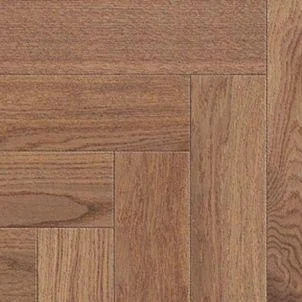
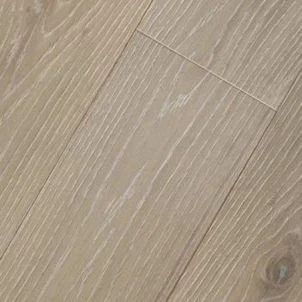
Honestly, engineered oak flooring... it's been a year. You spend enough time crawling around construction sites, breathing in sawdust, and arguing with engineers, and you start to see things a little differently. It's not about fancy marketing terms, it's about what actually *works*. And lately, what's working is stability. Everyone's realizing solid wood just isn't cutting it in a lot of situations, especially with the humidity swings we're getting.
I’ve noticed a huge push for wider planks too. People want that grand, open look. But that’s where things get tricky. Wider planks mean more potential for cupping and warping, especially with engineered oak. You have to get the core layers *just* right. And believe me, there are a lot of guys out there cutting corners.
It all comes down to the veneer, right? You can have a beautiful oak veneer, but if the core is garbage, it doesn't matter. I was at a factory in Vietnam last time, and the formaldehyde smell in some of those cheaper plywood cores was… well, let's just say I needed a lot of fresh air afterward. You want Baltic birch, or even a decent poplar core. Feels solid, doesn’t smell like chemicals, and it holds a screw. Simple as that.
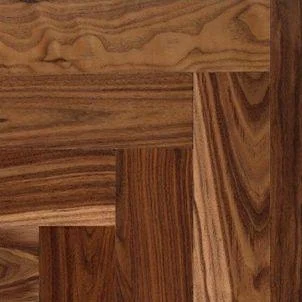
The Current Landscape of engineered oak flooring
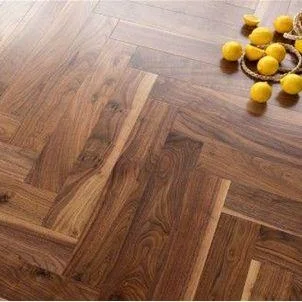
To be honest, engineered oak flooring has exploded in the last few years. It’s not just about cost anymore, although that's still a big factor. It's about performance, especially in areas with underfloor heating or high moisture. Solid wood just buckles under those conditions. Plus, people are building bigger, more open-plan spaces, and engineered oak gives you the stability you need with wider planks.
Strangely enough, the demand for pre-finished flooring has also gone through the roof. Contractors are desperate to save time on site, and pre-finished means less mess and quicker installation. It's a bit of a trade-off, though. You lose some control over the final finish, and if something gets damaged during installation, it's a bigger headache to fix.
FAQS
That's a classic question. Laminate is essentially a photograph of wood glued onto a fiberboard core. Engineered oak has a *real* wood veneer—actual oak—bonded to a core. That means it looks and feels more authentic, and you can refinish it (a few times, anyway). Laminate is cheaper, but it doesn’t have the same durability or value.
Most engineered oak flooring can, but it's crucial to check the manufacturer’s specifications. The core material needs to be stable enough to withstand the heat. You also need to control the temperature carefully—don’t crank it up too high, or you’ll dry out the wood. And a good underlayment is essential for heat distribution.
Keep it simple. Regular sweeping or vacuuming is key to remove dirt and debris. For deeper cleaning, use a damp mop with a pH-neutral cleaner. Avoid steam mops—they can force moisture into the seams and cause warping. And always wipe up spills immediately.
It depends on the quality of the flooring and how well it’s maintained. A good-quality engineered oak floor with a decent veneer thickness can easily last 20-30 years, or even longer. But you need to take care of it—avoid excessive moisture, protect it from scratches, and refinish it when needed.
Generally, yes. It uses less hardwood than solid wood flooring, which helps preserve forests. Look for flooring that’s certified by the Forest Stewardship Council (FSC). That means the wood is sourced from responsibly managed forests. And remember, the longevity of the flooring also contributes to its sustainability—the longer it lasts, the less waste it creates.
You can, but it's not always easy. It requires a certain level of skill and attention to detail. Proper subfloor preparation is crucial, and you need to be comfortable with tools like a saw and a moisture meter. If you're not confident, it’s best to hire a professional. A bad installation can lead to all sorts of problems down the line.
Conclusion
So, where does all this leave us? Engineered oak flooring isn't a silver bullet, but it's a damn good option for a lot of situations. It offers a good balance of stability, affordability, and aesthetics. It's not the cheapest, and it’s not the most luxurious, but it's a solid performer that can stand up to the rigors of real life.
Ultimately, whether this thing works or not, the worker will know the moment he tightens the screw. You can talk about specifications and certifications all day long, but it all comes down to how it feels underfoot and how it holds up over time. And that's what I look for. Check out our selection at engineered oak flooring.

Ethan Turner
Ethan is the Marketing Director at Cangzhou Jiujiang, focusing on expanding the brand's presence in North America. With over a decade of experience in outdoor apparel marketing, Ethan leverages his knowledge to promote the company’s PU rainwear, emphasizing its BSCI and GRS certifications.
If you are interested in our products, you can choose to leave your information here, and we will be in touch with you shortly.


