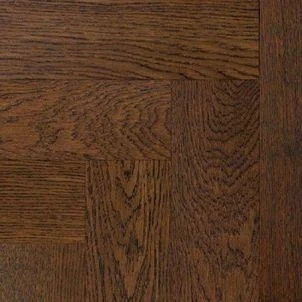
When it comes to high-end interior design, few materials command as much attention as brazilian cherry. Known for its deep, rich hues and exceptional hardness, this exotic hardwood has transitioned from a niche architectural choice to a global symbol of luxury and resilience in the flooring industry. Understanding the nuances of this material is essential for homeowners and developers who seek a balance between timeless aesthetics and long-term structural integrity.
The global demand for premium hardwoods has seen a significant shift toward species that offer both visual drama and high Janka hardness ratings. Brazilian cherry, often referred to as Jatoba, stands at the forefront of this trend, providing a natural warmth that synthetic alternatives struggle to replicate. Its ability to enhance the perceived value of a property makes it a strategic investment in the residential and commercial real estate sectors.
However, integrating such a dense material into a modern living space requires a professional understanding of its physical properties and installation requirements. From managing its natural color shifts under UV light to selecting the right underlayment, the success of a brazilian cherry installation lies in the details of the craftsmanship and the quality of the source material.
Global Relevance and Market Presence of Brazilian Cherry
The global market for exotic hardwoods has evolved rapidly, with brazilian cherry emerging as a primary choice for high-traffic luxury environments. According to trade data and ISO standards for timber quality, the demand for Jatoba (the botanical name for Brazilian cherry) has grown due to its superior density compared to North American oak or maple. This makes it an ideal solution for international markets where durability is as prized as visual appeal.
Despite its popularity, the industry faces challenges regarding sustainable sourcing and the logistics of transporting heavy, dense timber across oceans. The challenge lies in ensuring that the pursuit of luxury does not come at the cost of rainforest depletion. Consequently, the industry has pivoted toward certified sustainable harvesting practices, ensuring that every plank of brazilian cherry contributes to a circular economy of forest management.
Defining the Essence of Brazilian Cherry Flooring
In simple terms, brazilian cherry is an exotic hardwood sourced from the rainforests of South America, prized for its striking reddish-brown color and immense strength. Unlike domestic cherry wood, which is relatively soft, the Brazilian variety is a powerhouse of durability, making it more akin to an "ironwood" than a traditional fruitwood.
In the context of modern industry, this material addresses the critical need for flooring that can withstand heavy foot traffic without sacrificing a high-end aesthetic. Whether it is used in a bustling corporate lobby or a high-traffic residential hallway, its natural resistance to wear and tear reduces the frequency of sanding and refinishing, thereby lowering long-term maintenance costs.
Furthermore, the integration of brazilian cherry into modern architectural palettes allows designers to introduce organic warmth into minimalist or industrial spaces. Its deep tones provide a grounding element that complements both neutral whites and bold, dark accents, bridging the gap between raw nature and urban sophistication.
Core Components of Material Performance
The primary appeal of brazilian cherry lies in its extraordinary Janka hardness rating. For those unfamiliar with the term, the Janka scale measures the resistance of wood to denting and wear; Brazilian cherry consistently outperforms most domestic hardwoods, ensuring that the floor remains pristine even in homes with pets or children.
Color stability is another critical factor. While brazilian cherry is famous for its rich red tones, these colors naturally evolve when exposed to sunlight. This "patina" process is a hallmark of the wood's organic nature, shifting from a bright orange-red to a deeper, more sophisticated brown over time, adding a layer of historical character to the space.
From a cost-efficiency perspective, the material offers immense value over its lifecycle. While the initial procurement cost may be higher than laminate or softwoods, the longevity of brazilian cherry means fewer replacements and a higher resale value for the property, making it a logical financial decision for long-term owners.
Comparative Analysis of Hardness and Durability
When comparing brazilian cherry to other popular flooring options, the difference in density is stark. While SPC flooring offers waterproof benefits and laminate provides budget-friendly aesthetics, only solid hardwood—specifically high-density species like Jatoba—offers the tactile luxury and structural permanence required for heritage-grade installations.
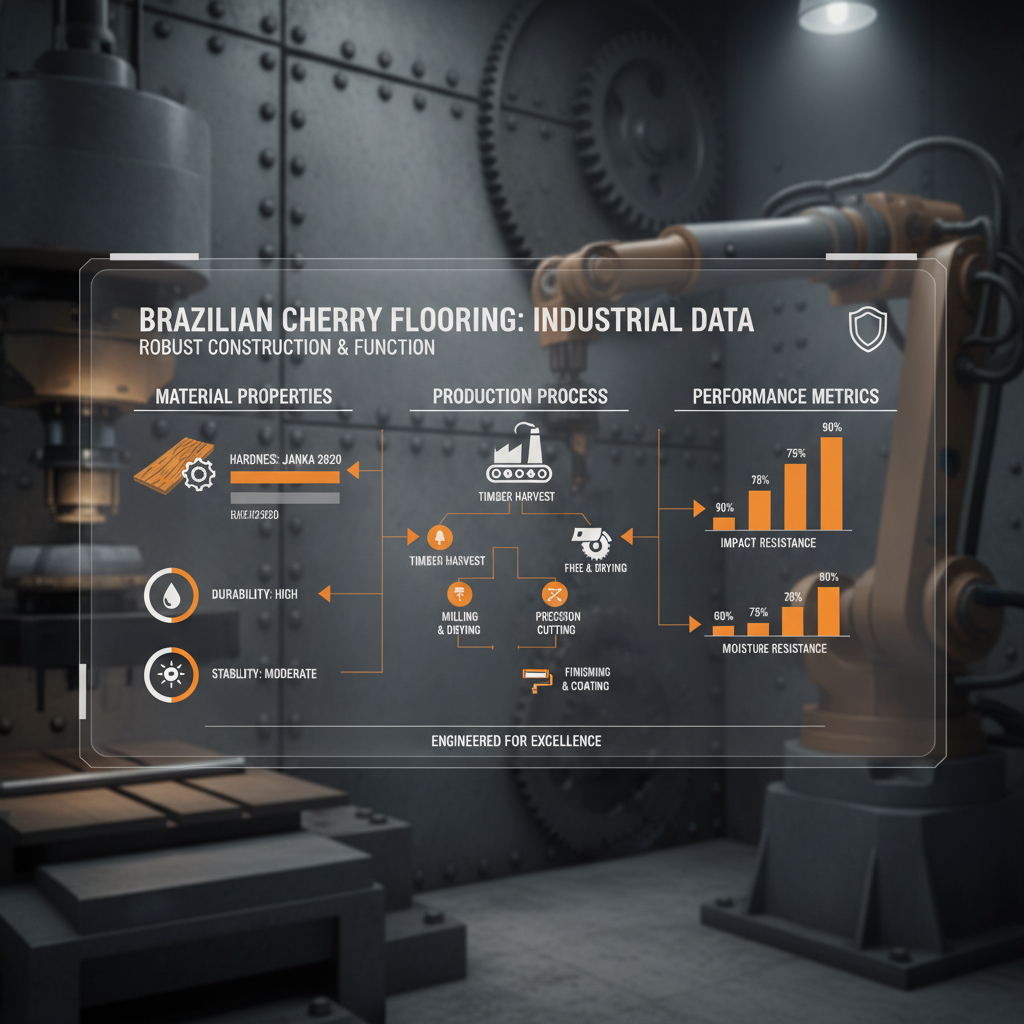
To better visualize how brazilian cherry stacks up against other materials in terms of performance metrics, we have analyzed key attributes such as scratch resistance, color depth, and longevity. This data underscores why professionals frequently recommend this species for high-performance luxury environments.
Brazilian Cherry Performance Metrics vs. Alternatives
Global Applications and Architectural Use Cases
In real-world applications, brazilian cherry is frequently deployed in luxury hotels and high-end retail spaces across North America and Europe. Its ability to maintain its luster under the constant friction of thousands of footsteps makes it a preferred choice for grand hallways and entrance foyers where first impressions are critical.
Beyond commercial use, we see a rising trend in "remote luxury" cabins and industrial-style lofts in urban centers like New York and London. In these settings, the rich organic texture of brazilian cherry acts as a counterpoint to cold materials like concrete and steel, creating a balanced, welcoming environment that feels both modern and timeless.
Long-Term Value and Sustainability Benefits
The investment value of brazilian cherry extends beyond simple aesthetics. From a logical standpoint, the density of the wood ensures that it does not warp or wear down as quickly as softer woods, meaning the cost per year of use is actually lower than that of many mid-range alternatives.
Emotionally, there is a sense of dignity and trust associated with natural hardwood. The warmth of the grain and the weight of the material provide a psychological sense of stability and permanence. This creates a living space that feels grounded and authentic, which is an increasingly valuable commodity in an age of mass-produced synthetic interiors.
Furthermore, the industry's commitment to FSC (Forest Stewardship Council) certification ensures that the use of brazilian cherry can be an eco-friendly choice. By supporting responsibly managed forests, consumers are contributing to the preservation of biodiversity and the support of local communities in the Amazonian regions.
Future Trends in Brazilian Cherry Processing
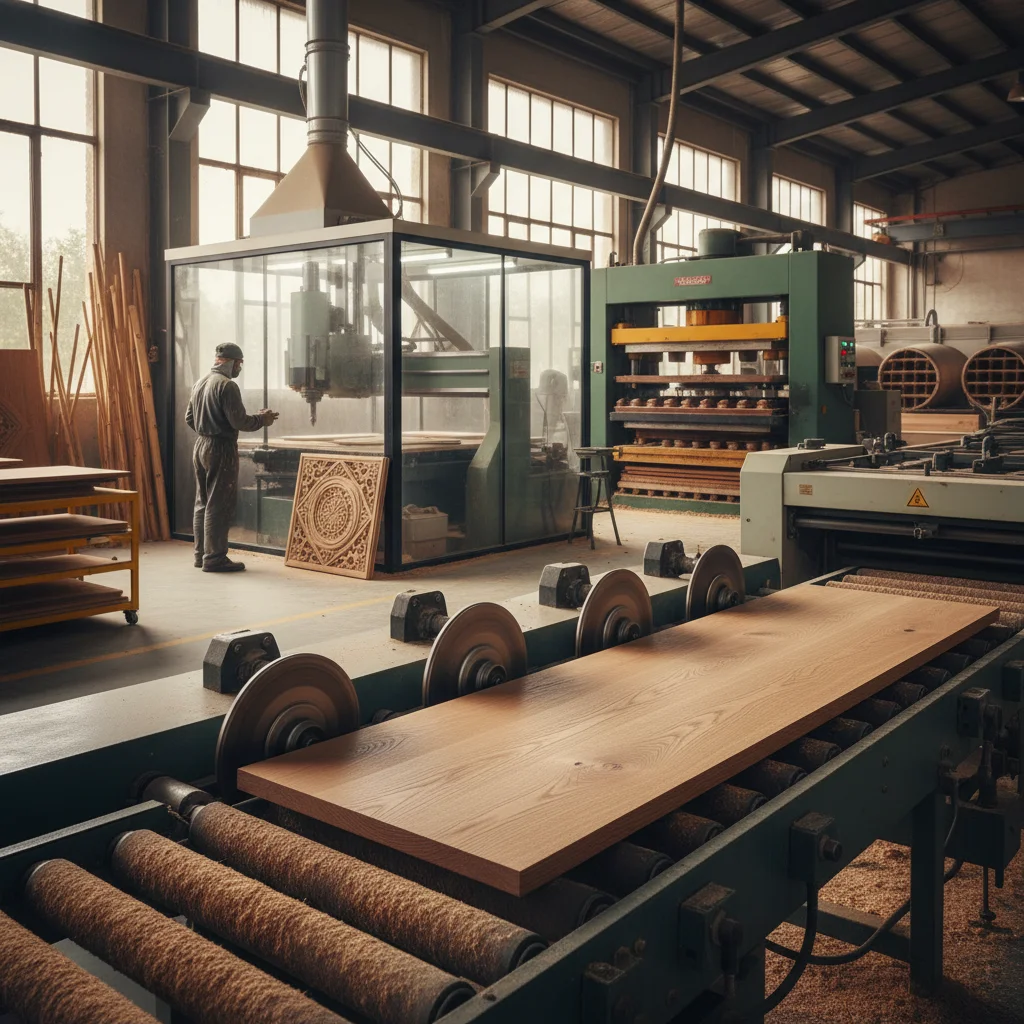
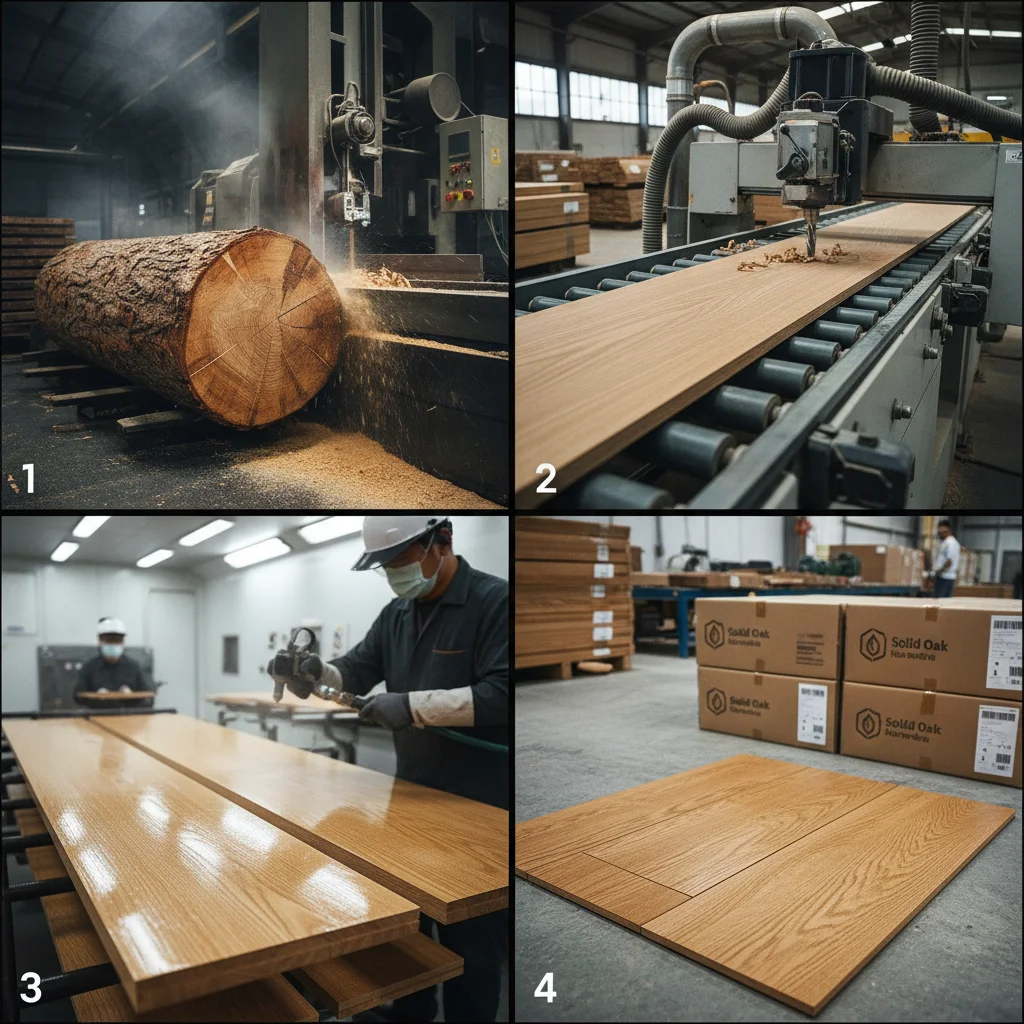
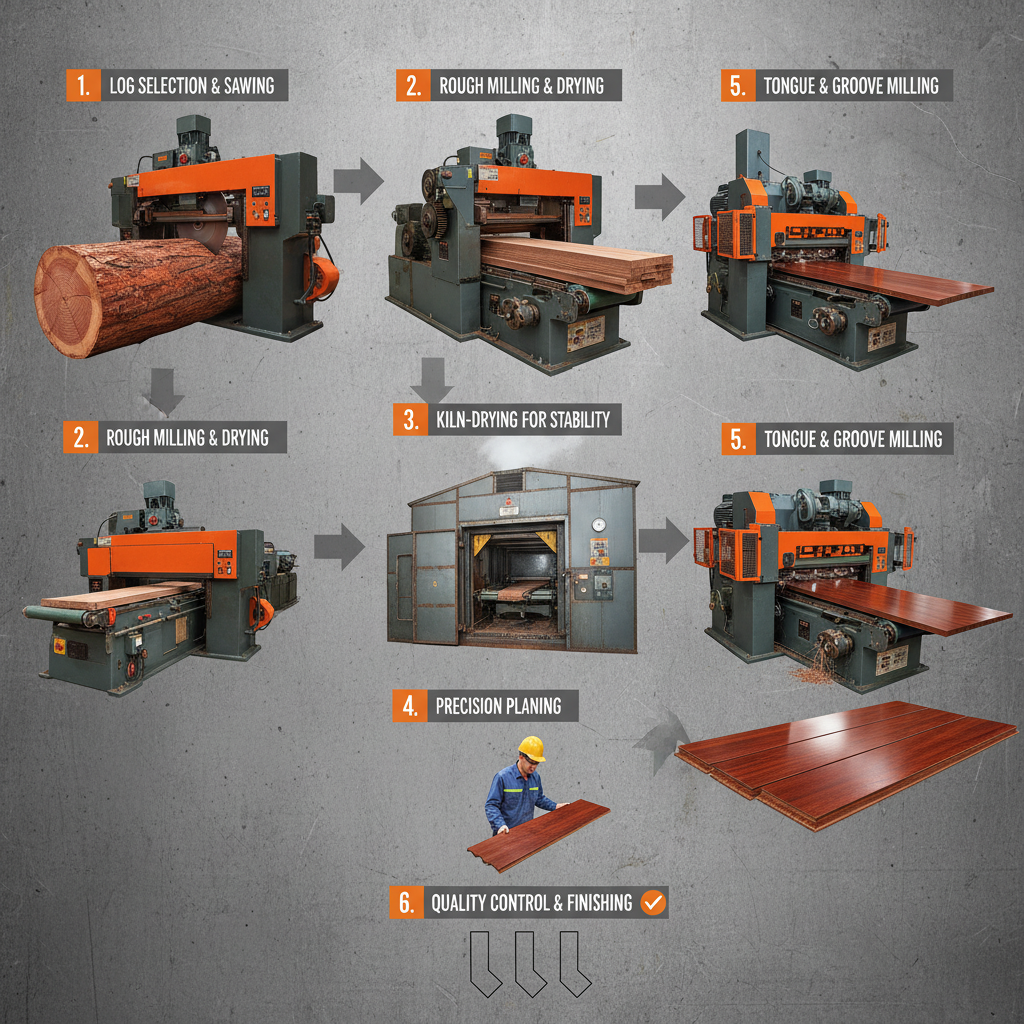
Looking ahead, the processing of brazilian cherry is being revolutionized by digital transformation. Automated precision cutting and AI-driven grade sorting are reducing material waste, ensuring that only the most stable and visually consistent planks reach the consumer. This automation not only lowers costs but also improves the structural precision of the final product.
Sustainability is also driving innovation in the form of hybrid flooring. We are seeing the emergence of "engineered brazilian cherry," which uses a thin layer of real Jatoba over a stable plywood core. This reduces the amount of raw hardwood required while maintaining the look and feel of solid wood, allowing for installation in environments (like basements) where solid wood would typically fail.
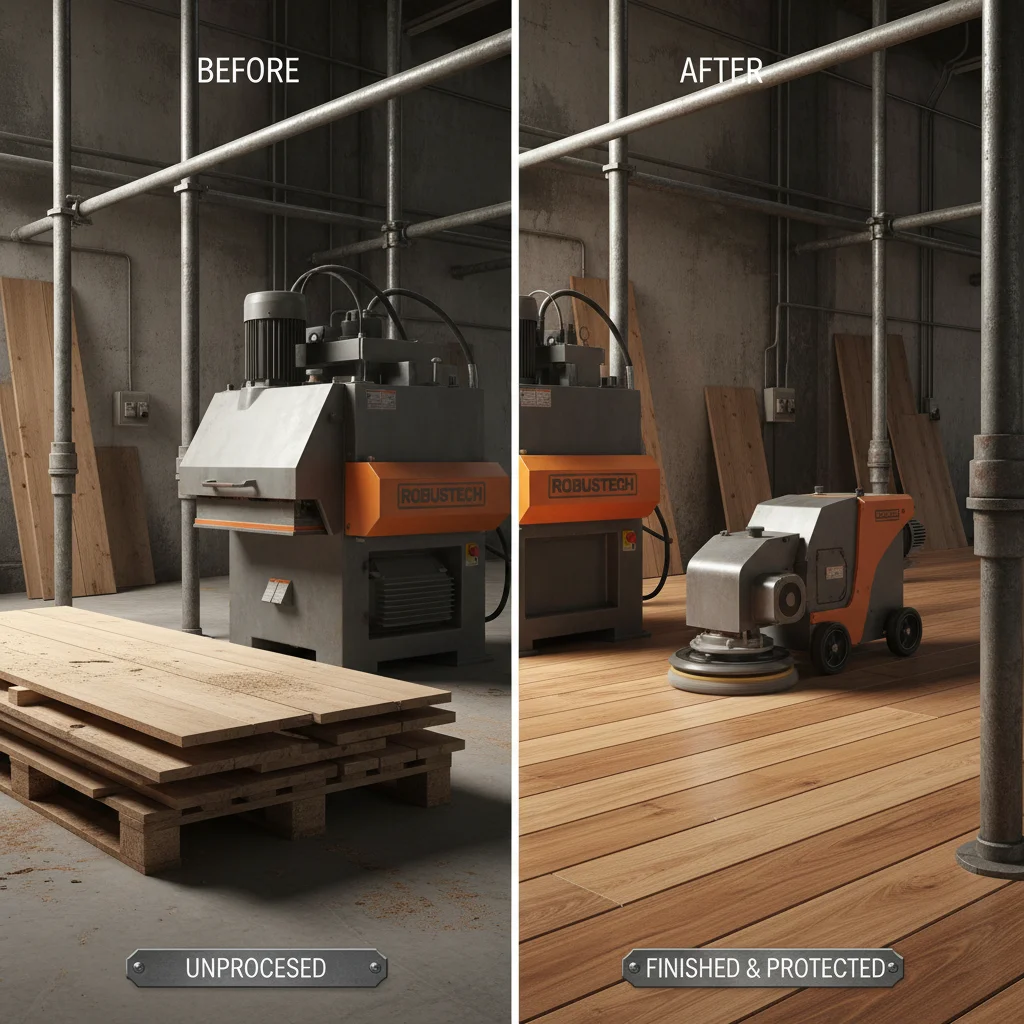
Finally, the integration of green energy in the manufacturing process is becoming standard. From solar-powered kilns to non-toxic, water-based finishes, the journey of a brazilian cherry plank from the forest to the living room is becoming cleaner and more transparent.
Comparative Analysis of Brazilian Cherry across Different Flooring Formats
|
Flooring Type
|
Durability Score (1-10)
|
Installation Complexity
|
Environmental Impact
|
|
Solid Brazilian Cherry
|
10
|
High (Requires Nail/Glue)
|
Moderate (High Raw Wood Use)
|
|
Engineered Brazilian Cherry
|
8
|
Medium (Click-Lock)
|
Low (Efficient Material Use)
|
|
SPC Brazilian Cherry Style
|
9
|
Low (Floating Floor)
|
Moderate (Synthetic Base)
|
|
Laminate Brazilian Cherry
|
7
|
Low (DIY Friendly)
|
Low (Recycled Components)
|
|
Reclaimed Brazilian Cherry
|
9
|
High (Custom Fitting)
|
Very Low (Circular Economy)
|
|
Plywood-Core Brazilian Cherry
|
7
|
Medium (Standard Install)
|
Moderate (Glue-based)
|
FAQS
No, despite the common name, brazilian cherry is actually Jatoba, a species of legume tree from South America. It is called "cherry" because its rich, reddish-brown color resembles domestic cherry wood, but it is significantly harder and more durable than true cherry wood.
Like all natural hardwoods, brazilian cherry reacts to UV light. Initially, it may have a bright orange or red tint, but over several months, it typically mellows into a deeper, richer brown. This is a natural characteristic and is often seen as an improvement in the wood's appearance.
Maintenance for brazilian cherry is straightforward. Use a microfiber mop and a pH-neutral cleaner specifically designed for hardwoods. Avoid steam cleaners or excessive water, which can penetrate the seams. Periodic professional polishing can restore the original luster if the surface becomes dull.
Solid brazilian cherry is not recommended for bathrooms due to the risk of humidity-induced swelling. However, if you love the look, we recommend using the Brazilian Cherry SPC (Stone Plastic Composite) variant, which is 100% waterproof and perfectly suited for high-moisture areas.
Generally, yes. Because brazilian cherry is an exotic import with a higher density and more complex harvesting process, it typically commands a higher price point than domestic white or red oak. However, its extreme durability often offsets the initial cost.
It can be. When purchasing brazilian cherry, always look for FSC certification. This ensures the wood was harvested according to strict environmental standards that prevent deforestation and protect the ecosystem of the Brazilian rainforest.
Conclusion
In summary, brazilian cherry represents the pinnacle of exotic hardwood flooring, offering an unrivaled combination of visual warmth and structural resilience. From its high Janka hardness to its evolving color palette and increasing sustainability through FSC certification, it serves as a timeless choice for those who refuse to compromise on quality. Whether deployed as a solid luxury plank or a modern engineered solution, its ability to withstand the test of time makes it a superior asset to any architectural project.
As we look toward the future, the shift toward sustainable luxury and AI-enhanced manufacturing will only make brazilian cherry more accessible and eco-responsible. For homeowners and designers, the recommendation is clear: invest in materials that offer both emotional resonance and logical durability. To explore the best selections of high-grade exotic flooring, we invite you to visit our website: www.houndafloor.com.