When it comes to high-end interior design, few elements command as much attention and admiration as exotic hardwood flooring. These rare timber species, sourced from the most remote corners of the globe, offer a synthesis of unmatched aesthetic brilliance and structural resilience that standard oak or maple simply cannot replicate. By integrating these unique materials, homeowners and architects can transform a mundane living space into a gallery of natural art, characterized by deep hues and intricate grain patterns.
The global demand for premium flooring has shifted toward materials that tell a story of origin and exclusivity. In an era where mass production is the norm, the tactile warmth and visual depth of exotic hardwood flooring provide a sense of permanence and luxury. Whether it is the deep chocolates of Ipe or the golden shimmer of Tigerwood, these materials are not merely surfaces to walk upon; they are long-term investments in the property's equity and the inhabitant's quality of life.
However, choosing the right exotic timber requires a balance between desire and technical knowledge. Understanding the Janka hardness scale, moisture resistance, and sustainable sourcing certifications like FSC is crucial for ensuring that the flooring remains stable and ethical over decades. This guide explores the nuances of these rare woods, helping you navigate the complex intersection of luxury, durability, and environmental responsibility in the modern flooring industry.
The Global Appeal of Exotic Hardwood Flooring
The international fascination with exotic hardwood flooring stems from a desire for distinction. Unlike domestic woods, exotic species often possess natural oils and densities that make them virtually impervious to common wear and tear. In luxury markets across North America, Europe, and Asia, these floors serve as a status symbol, reflecting a sophisticated taste for nature's most rare creations.
Beyond aesthetics, the global movement toward "biophilic design"—incorporating natural elements into the built environment—has propelled these woods into the spotlight. By utilizing species like Brazilian Cherry or Cumaru, architects can create a seamless transition between outdoor landscapes and indoor living, enhancing the psychological well-being of the residents while adding immense tangible value to the real estate.
Defining the Essence of Exotic Timber
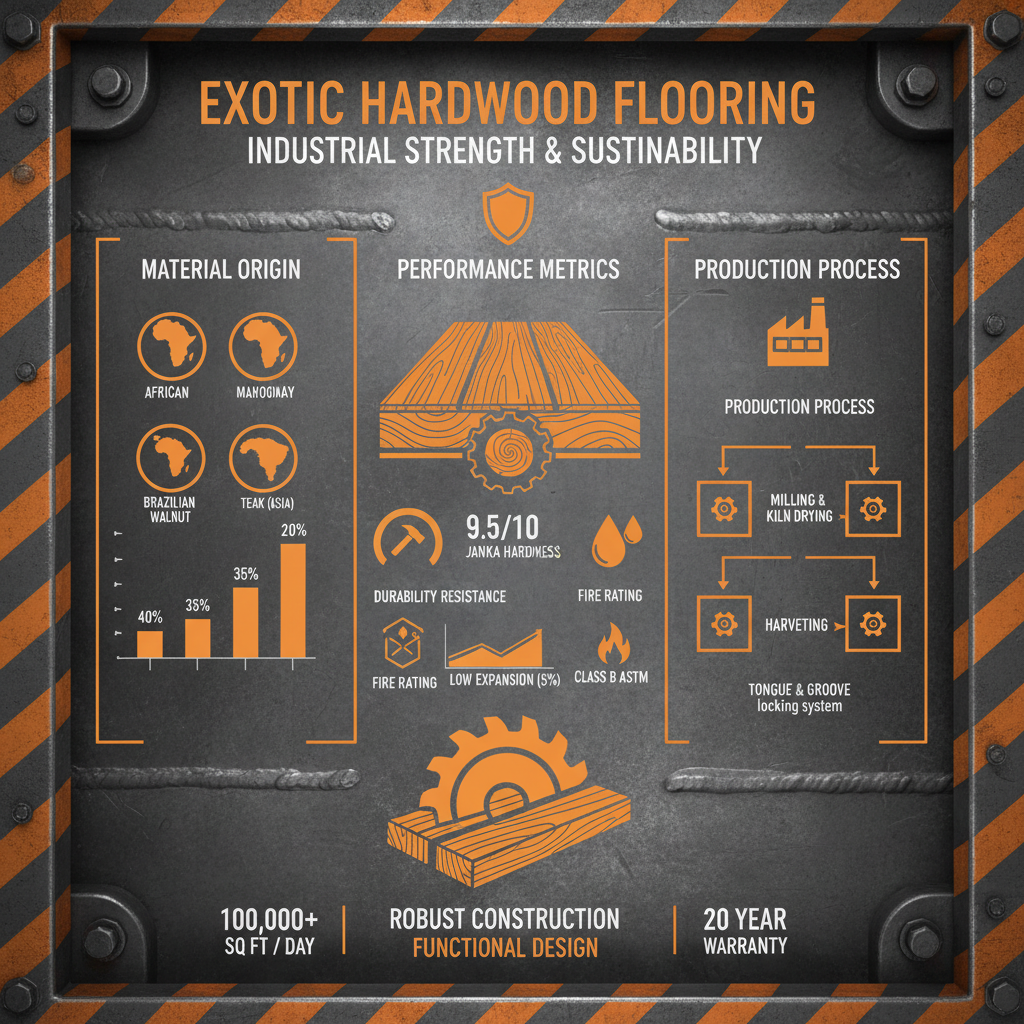
In the professional flooring industry, exotic hardwood flooring refers to timber species that are not native to the region where they are being installed, typically sourced from tropical rainforests in South America, Africa, or Southeast Asia. These woods are defined by their biological divergence from temperate hardwoods, often featuring higher density, unique mineral deposits, and vivid pigmentation that does not require artificial staining.
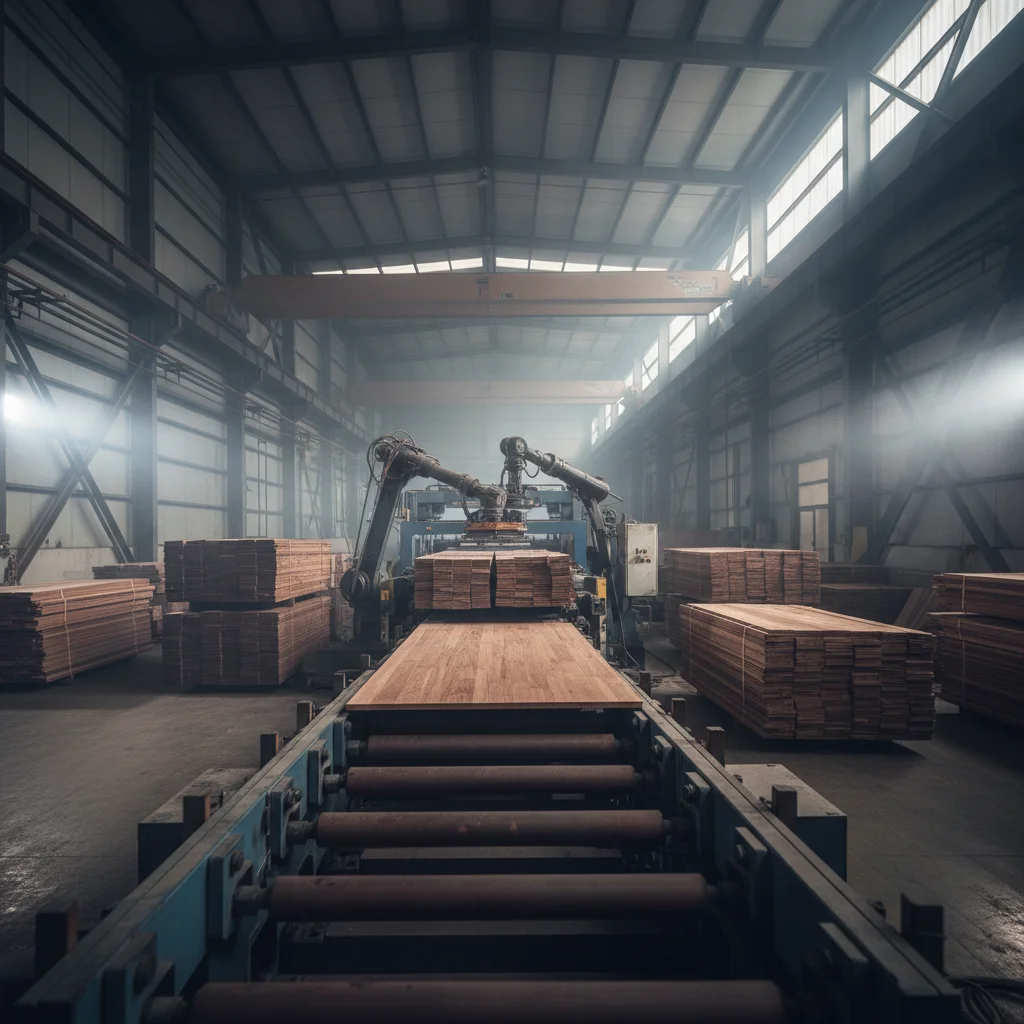
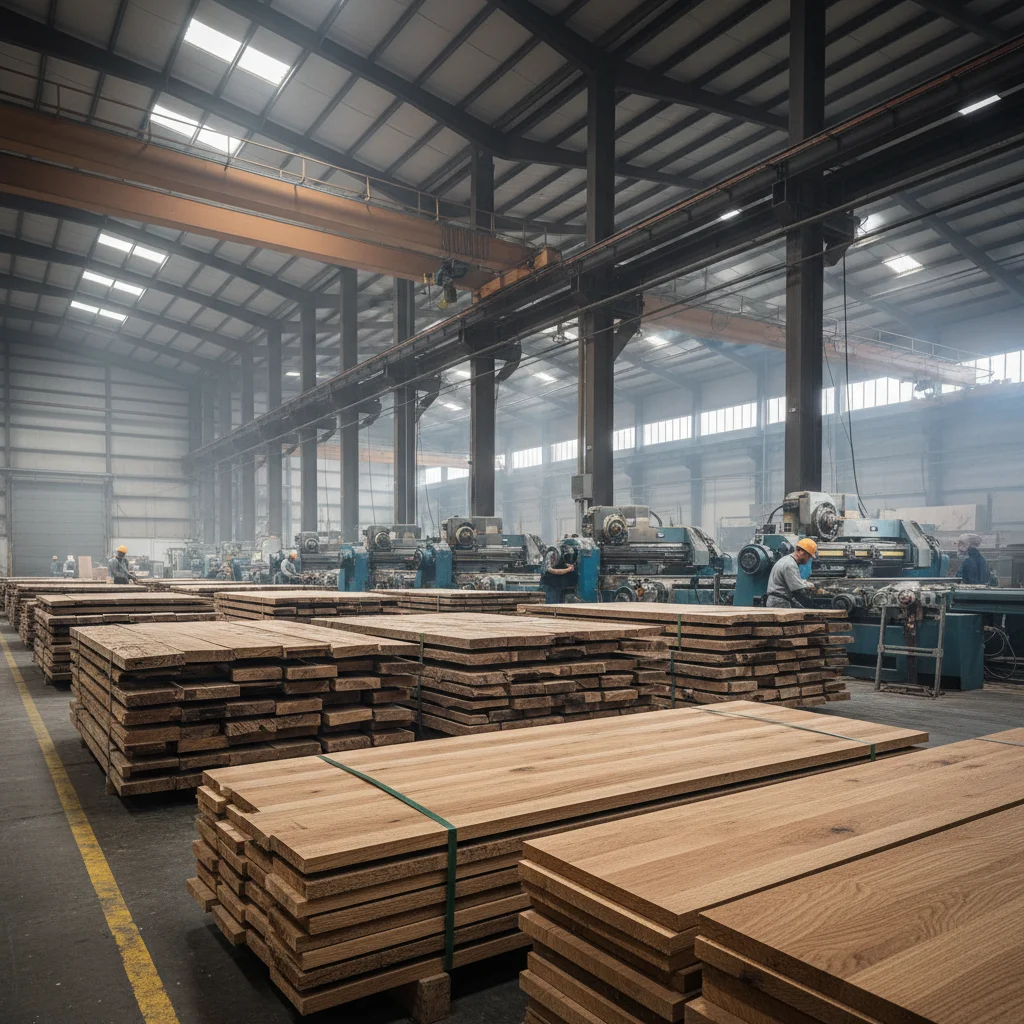
The connection to modern industry is found in the precision of milling. Today's manufacturing processes allow these dense, often "difficult" woods to be sliced into perfectly uniform planks that maintain the integrity of the grain. This technological leap has made exotic woods viable for large-scale residential and commercial projects, bridging the gap between raw wilderness and polished urban luxury.
Furthermore, the definition of "exotic" now encompasses an ethical dimension. It is no longer just about the rarity of the wood, but the transparency of the supply chain. The industry is moving toward a standard where "exotic" also implies a commitment to reforestation and the protection of indigenous habitats, ensuring that luxury does not come at the cost of ecological collapse.
Core Performance Factors of Rare Woods
One of the primary drivers for choosing exotic hardwood flooring is its legendary durability. Many of these species rank significantly higher on the Janka scale than domestic oak. This means they are far more resistant to dents from high heels, pet claws, and heavy furniture, making them ideal for high-traffic areas in luxury homes.
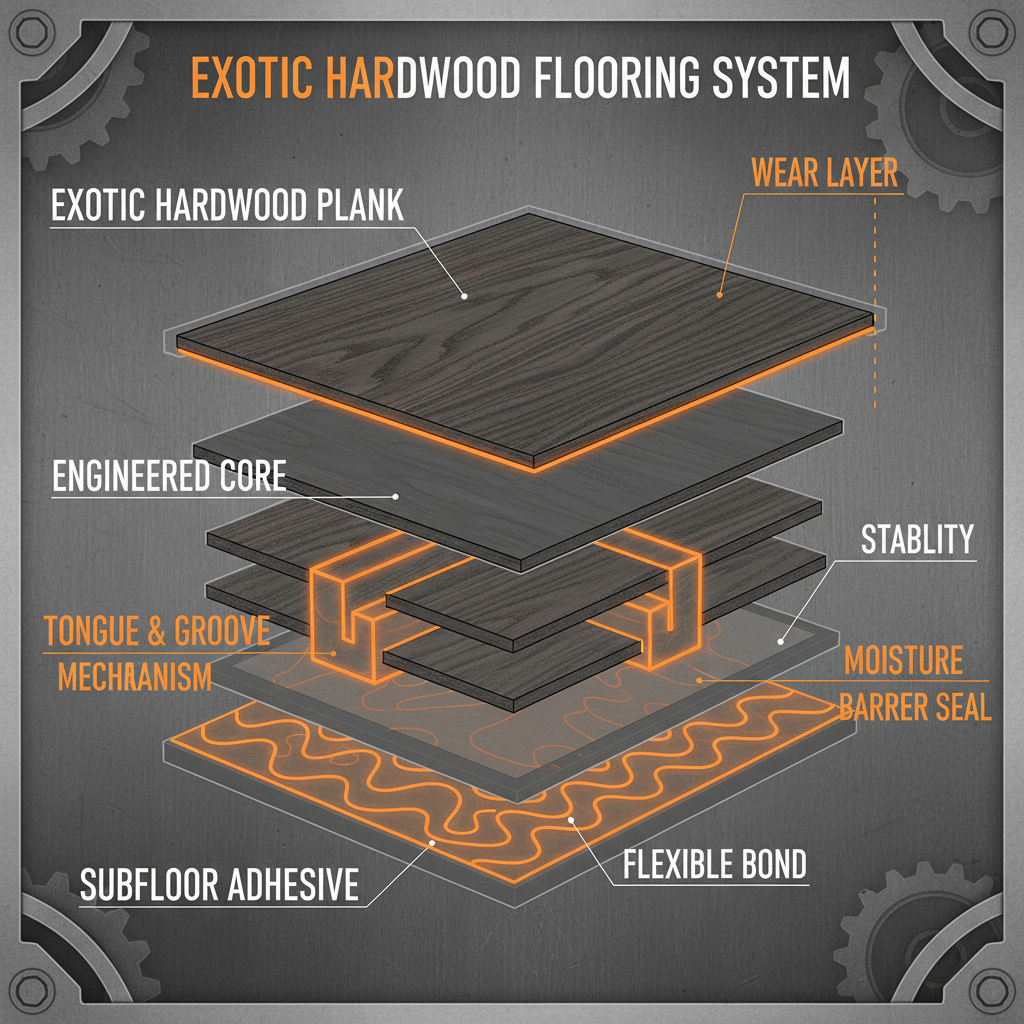
Moisture resistance is another critical factor. Because many exotic timbers evolve in humid tropical environments, they naturally possess high oil content and tight grain structures. This makes exotic hardwood flooring an exceptional choice for kitchens or basements where moisture levels might fluctuate, preventing the warping common in softer woods.
Finally, the dimensional stability of these woods ensures a long-lasting finish. When properly cured and kiln-dried, rare hardwoods exhibit minimal expansion and contraction. This reliability reduces the likelihood of gaps forming between planks, ensuring that the visual continuity of the floor remains intact for generations, regardless of seasonal climate changes.
Practical Applications and Global Use Cases
The application of exotic hardwood flooring extends far beyond simple bedroom installations. In high-end commercial sectors, such as luxury hotel lobbies in Dubai or corporate headquarters in New York, these floors are used to convey a message of strength and permanence. Their ability to withstand thousands of daily footsteps while maintaining a mirror-like polish makes them the gold standard for commercial luxury.
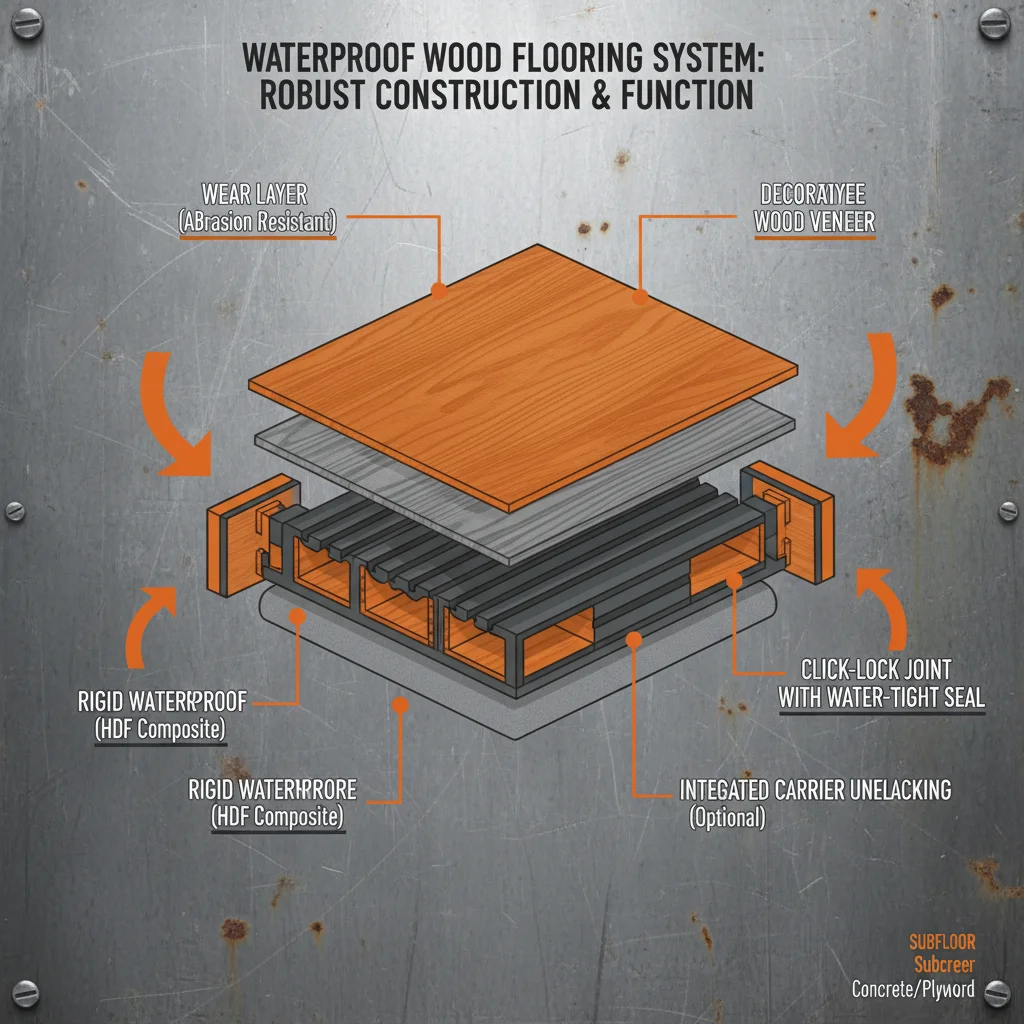
In residential contexts, we see a trend toward "zoned" flooring. For example, a homeowner might use SPC flooring in the utility rooms for maximum waterproofing, but transition to exotic hardwood flooring in the grand foyer and master suite to create a focal point of opulence. This strategic application maximizes both the utility and the prestige of the property.
Performance Comparison of Exotic Hardwood Species
Long-Term Value and Aesthetic Advantages
Investing in exotic hardwood flooring is as much a financial decision as it is a stylistic one. From a real estate perspective, the presence of rare, high-quality timber is a significant selling point that can drastically increase the appraisal value of a home. Buyers recognize the cost and effort associated with sourcing and installing these materials, viewing them as a mark of a "no-expense-spared" renovation.
Emotionally, the impact of these floors is profound. The deep, saturated colors and complex grains create a sense of grounding and luxury that synthetic alternatives cannot mimic. Whether it's the warm invitation of a cherry-toned room or the bold, modern statement of a dark ebony floor, exotic hardwood flooring fosters an environment of sophistication and timeless elegance.
Innovations in Sustainable Exotic Sourcing
The future of the industry lies in the marriage of luxury and sustainability. The rise of "Eco-Exotics" involves using reclaimed timber from old colonial buildings or abandoned industrial sites in tropical regions. This process allows us to enjoy the beauty of exotic hardwood flooring without contributing to further deforestation, turning historical waste into modern masterpieces.
Digital transformation is also playing a role. Blockchain technology is now being implemented to track timber from the specific stump in the forest to the final plank in a customer's home. This level of traceability ensures that every square foot of flooring adheres to the strictest environmental laws, eliminating the risk of illegal logging and protecting biodiversity.
Moreover, new thermal modification processes are allowing us to enhance the stability of less-dense exotic species. By treating wood with high heat in an oxygen-free environment, we can create a product that mimics the hardness and decay-resistance of the rarest woods, expanding the palette available to designers while reducing the pressure on endangered species.
Overcoming Installation and Maintenance Challenges
Despite their benefits, exotic hardwood flooring presents unique challenges. Due to their extreme density, these woods are harder to nail and screw than domestic options. Professional installers often use specialized pre-drilling techniques and high-torque equipment to prevent the wood from splitting, emphasizing the need for expert craftsmanship.
Maintenance also requires a tailored approach. Because of the natural oils present in many exotic species, some traditional polyurethane finishes may struggle to adhere. The solution lies in using oil-based finishes or specialized water-borne coatings that are formulated to bond with the unique chemical composition of tropical timbers, ensuring a long-lasting, peel-resistant surface.
Acclimatization is the final, critical step. Shipping wood across oceans means it has experienced drastic changes in humidity. Allowing the planks to sit in the installation environment for several days—or even weeks—is essential to prevent crowning or cupping. When these technical hurdles are managed correctly, the result is a flawless surface that stands the test of time.
Comparative Analysis of Exotic Hardwood Maintenance and Specs
| Wood Species |
Hardness (Janka) |
Moisture Resistance |
Installation Difficulty |
| Ipe |
Extremely High |
Exceptional |
High (Pre-drill req) |
| Brazilian Cherry |
High |
Moderate-High |
Medium |
| Tigerwood |
Very High |
High |
High |
| Cumaru |
Extremely High |
Exceptional |
High |
| Zebrawood |
Medium-High |
Moderate |
Medium |
| Wenge |
Very High |
High |
High |
FAQS
Yes, most species of exotic hardwood flooring, such as Ipe or Cumaru, have significantly higher Janka hardness ratings than white or red oak. This means they are much more resistant to scratches, dents, and impact, making them superior for high-traffic areas or homes with large pets.
While not recommended for shower areas, many exotic hardwoods have natural oil content that makes them more water-resistant than domestic woods. However, for maximum safety and longevity in wet areas, we recommend combining them with a professional-grade sealant or considering SPC flooring for the most humid zones.
The best way to ensure sustainability is to look for FSC (Forest Stewardship Council) or PEFC certifications. These organizations audit the supply chain to ensure the timber is harvested legally and that reforestation efforts are in place to protect the ecosystem.
Because of their dense nature and specific finishes, it is best to avoid harsh chemicals or steam mops, which can damage the protective coating. We recommend a pH-neutral cleaner specifically designed for hardwood to maintain the luster and integrity of the wood.
The cost reflects the rarity of the species, the complexity of international shipping, and the specialized milling required for such dense materials. Unlike laminate, which is a synthetic print, exotic hardwood is a natural, long-term asset that can be sanded and refinished multiple times over decades.
Like all natural wood, exotic hardwood flooring can change color when exposed to UV light. Some species lighten, while others deepen. To minimize this, we suggest using UV-resistant window films or rotating area rugs in sun-drenched rooms.
Conclusion
Selecting exotic hardwood flooring is a journey of balancing unparalleled beauty with technical precision. From the extreme durability of Ipe to the rich tones of Brazilian Cherry, these materials offer a level of prestige and resilience that elevates any architectural project. By focusing on sustainable sourcing, expert installation, and specialized maintenance, you can ensure that your floors remain a stunning centerpiece for a lifetime.
As the industry evolves toward greater transparency and ecological responsibility, the value of rare timbers will only increase. We encourage homeowners and designers to look beyond the surface and invest in materials that provide both aesthetic joy and long-term property appreciation. To explore the finest selection of premium surfaces and rare timbers, visit our website: www.houndafloor.com.