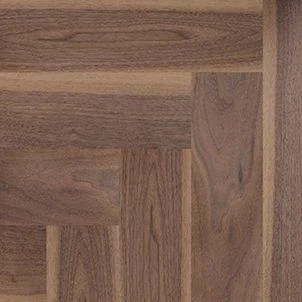
herringbone laminate
0%

Table of Contents

Waterproof wood flooring represents a significant advancement in the flooring industry, offering the aesthetic appeal of natural wood with unparalleled resistance to water damage. This innovation addresses a long-standing challenge for homeowners and businesses alike – the vulnerability of traditional wood floors in moisture-prone areas. The rising demand for durable and aesthetically pleasing flooring solutions globally is fueling the growth of this market.

The global building materials market, valued at trillions of dollars, is increasingly focused on sustainable and resilient products. According to reports from the UN Environment Programme, green building practices are gaining momentum, and waterproof wood flooring aligns perfectly with these trends. This shift is driven by increasing awareness of environmental concerns and the need for building materials that can withstand the impacts of climate change.

Waterproof wood flooring isn’t just a trend; it’s a practical solution to a widespread problem – the limitations of traditional wood flooring in areas susceptible to moisture. This durability translates into long-term cost savings and enhanced property value, making it a compelling choice for both residential and commercial applications. Understanding its benefits is crucial for informed decision-making in construction and renovation projects.
waterproof wood flooring

Introduction to Waterproof Wood Flooring
waterproof wood flooring

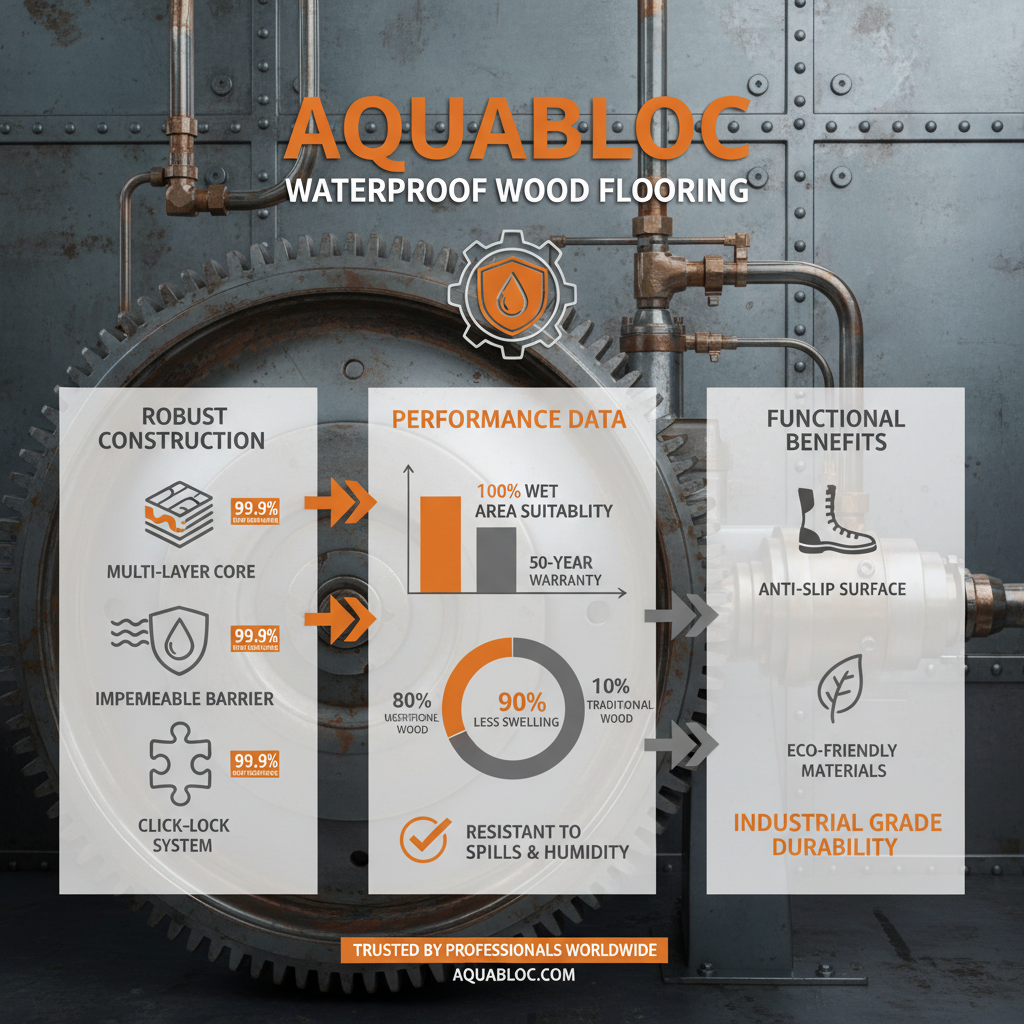
The appeal of hardwood flooring is undeniable – its warmth, beauty, and timeless elegance. However, its susceptibility to water damage has traditionally limited its use in areas like kitchens, bathrooms, and basements. Waterproof wood flooring bridges this gap, offering the same aesthetic benefits with significantly enhanced durability and resilience. waterproof wood flooring has become a game changer.

This technology utilizes innovative core materials and surface treatments to create a flooring product that can withstand spills, moisture, and even flooding without warping, swelling, or losing its structural integrity. It’s a practical solution for families with children, pet owners, and anyone seeking a low-maintenance, long-lasting flooring option.

Defining Waterproof Wood Flooring

Waterproof wood flooring isn’t simply water-resistant; it's designed to prevent water from penetrating the core of the flooring material. This is typically achieved through the use of a waterproof core, often composed of a blend of wood plastic composite (WPC) or stone plastic composite (SPC). These materials are inherently impervious to water, unlike traditional plywood or fiberboard cores.

Unlike laminate flooring, which merely has a water-resistant surface layer, waterproof wood flooring offers complete protection throughout the entire plank. This distinction is crucial, as even a small breach in the surface layer of laminate can allow water to seep in and cause damage. The technology connects directly to the modern need for robust, long-lasting building solutions.

The term "waterproof" in this context means the flooring can withstand immersion in water for a specified period without significant damage. However, it’s important to note that even waterproof flooring should be cleaned up promptly after spills to prevent any potential staining or residue buildup.

Core Components & Key Characteristics

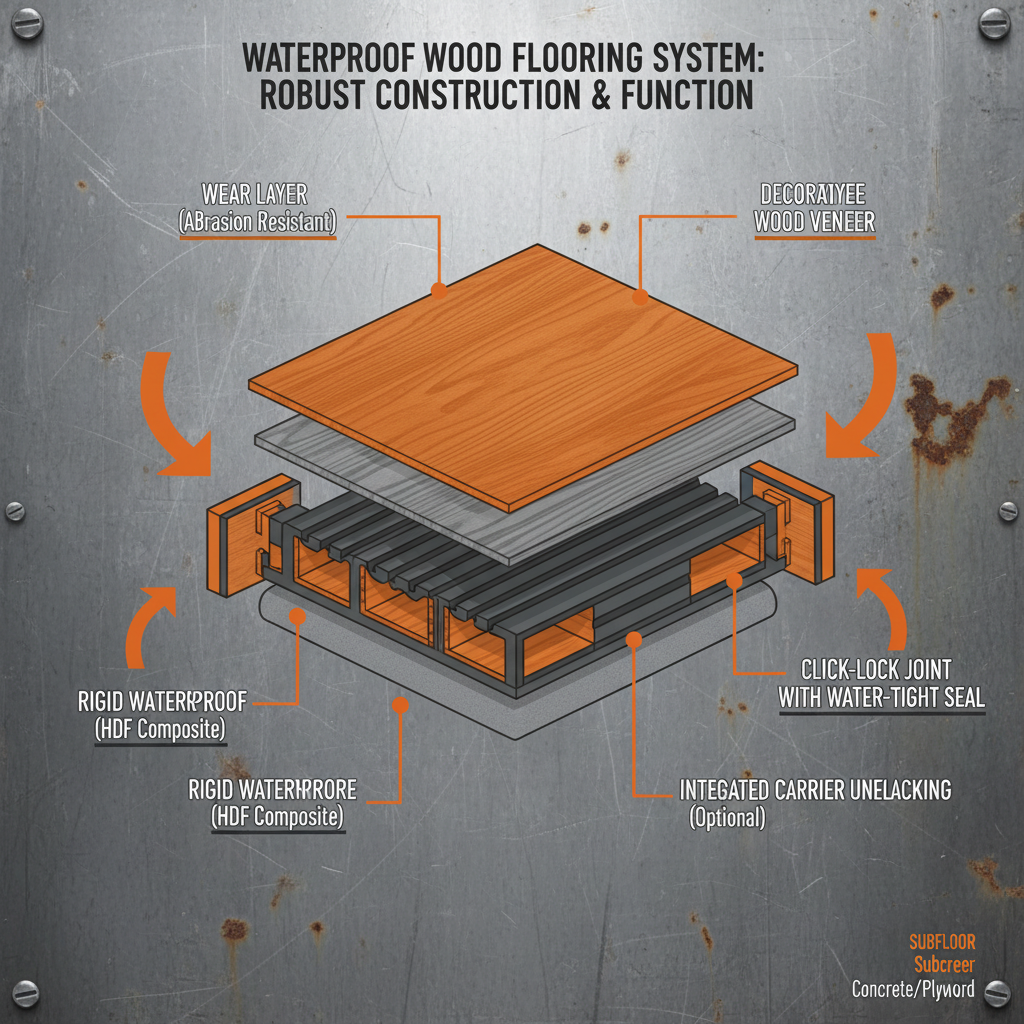
Several key components contribute to the waterproof nature and overall performance of these floors. The wear layer, typically made of durable polyurethane, provides scratch and stain resistance. Beneath this lies a decorative layer, often a high-resolution printed film that mimics the look of real wood. The core, as mentioned, is the critical waterproof element, being either WPC or SPC.

WPC flooring is generally more comfortable underfoot due to its slightly softer composition, while SPC flooring is known for its enhanced stability and impact resistance. Both offer excellent waterproof properties. Finally, an attached underlayment provides sound absorption and adds to the overall comfort of the floor.

Crucially, the locking systems used to connect the planks are also designed to be watertight. These systems, often featuring click-lock mechanisms, create a tight seal that prevents water from seeping between the boards. waterproof wood flooring relies on precision engineering.

Applications Across Industries

The versatility of waterproof wood flooring makes it suitable for a wide range of applications. In residential settings, it’s ideal for kitchens, bathrooms, laundry rooms, basements, and entryways – areas traditionally off-limits for hardwood. Its durability also makes it a popular choice for high-traffic areas like hallways and living rooms.

Commercial applications are equally diverse. Retail spaces, restaurants, offices, and healthcare facilities all benefit from its water resistance and ease of maintenance. It is increasingly used in multi-family housing developments, offering a premium look with reduced risk of water damage claims.

Waterproof Wood Flooring Market Share by Application

Advantages & Long-Term Value Proposition

The benefits of waterproof wood flooring extend beyond its water resistance. It’s highly durable, resisting scratches, dents, and wear and tear, making it a long-lasting investment. This durability translates into lower replacement costs over time, offering significant cost savings.

It’s also incredibly easy to maintain, requiring only regular sweeping and occasional damp mopping. This low-maintenance aspect is particularly appealing for busy households and commercial environments. The peace of mind knowing your floors are protected from water damage adds immeasurable value.

Future Trends & Innovations in Waterproofing

Innovation in waterproof wood flooring is ongoing. We are seeing advancements in core materials, with a focus on incorporating recycled content and reducing the environmental impact of production. Improvements in wear layer technology are enhancing scratch and stain resistance.

Digital printing techniques are allowing for more realistic wood grain patterns and textures, blurring the lines between waterproof flooring and genuine hardwood. Smart flooring technologies, incorporating sensors for monitoring moisture levels and temperature, are also emerging as a potential future trend.

Challenges & Potential Solutions

While waterproof wood flooring offers numerous advantages, some challenges remain. One concern is the potential for off-gassing from the core materials, though manufacturers are increasingly using low-VOC (volatile organic compound) formulations to address this issue.

Another challenge is the higher initial cost compared to traditional laminate flooring. However, the long-term durability and reduced maintenance costs often offset this initial investment. Proper installation is also critical to ensure watertight seams, and consumers should seek qualified installers.

Finally, while highly durable, waterproof wood flooring is not indestructible. Heavy impacts or sharp objects can still cause damage, so taking preventative measures is essential.

Summary of Waterproof Wood Flooring Core Material Performance

Core Material Water Resistance Rating (1-10) Impact Resistance Rating (1-10) Cost (per sq ft)
WPC (Wood Plastic Composite) 10 6 $3.50 - $5.00
SPC (Stone Plastic Composite) 10 8 $4.00 - $6.00
Traditional Plywood Core (with water-resistant coating) 4 5 $2.00 - $3.00
MDF (Medium-Density Fiberboard) Core (with water-resistant coating) 3 4 $1.50 - $2.50
Reinforced Vinyl Core 9 7 $3.00 - $4.50
Hybrid Core (WPC/SPC blend) 10 7.5 $4.50 - $6.50

FAQS

What makes waterproof wood flooring different from water-resistant flooring?

Water-resistant flooring can withstand some moisture, but it's not designed for prolonged exposure or standing water. Waterproof flooring, however, prevents water from penetrating the core, offering complete protection. This means you can confidently clean up spills without worrying about warping or damage. It’s a significant distinction when choosing flooring for moisture-prone areas.

Is waterproof wood flooring truly 100% waterproof?

While marketed as waterproof, it's important to understand the limits. Waterproof wood flooring can withstand immersion for a period, but prolonged flooding can still potentially cause issues. Prompt cleanup of spills and addressing any water leaks is always recommended. It's waterproof within reasonable usage parameters.

How does waterproof wood flooring hold up to scratches and dents?

Waterproof wood flooring typically features a durable wear layer that protects against scratches and dents. SPC flooring generally offers superior impact resistance compared to WPC. However, like any flooring, it's not impervious to damage. Using furniture pads and avoiding dropping heavy objects can help maintain its appearance.

Can waterproof wood flooring be installed over existing floors?

In many cases, yes. It can often be installed as a floating floor over existing smooth, level surfaces like concrete, tile, or vinyl. However, it's crucial to ensure the subfloor is properly prepared – clean, level, and dry – before installation. Consult the manufacturer’s instructions for specific guidelines.

Is waterproof wood flooring environmentally friendly?

Many manufacturers are incorporating recycled content into their waterproof wood flooring products, making them a more sustainable choice. Look for certifications like FloorScore, which indicates low VOC emissions. Choosing a product with a responsible manufacturing process can minimize its environmental impact.

What is the average lifespan of waterproof wood flooring?

With proper care and maintenance, waterproof wood flooring can last for 15-25 years, or even longer. Its durability and water resistance contribute to its longevity. Regular cleaning, avoiding excessive moisture, and protecting it from heavy impacts will maximize its lifespan. Warranties often range from 10 to 25 years.

Conclusion

Waterproof wood flooring represents a compelling advancement in the flooring industry, offering the aesthetic appeal of natural wood combined with unparalleled durability and water resistance. From residential kitchens and bathrooms to high-traffic commercial spaces, its versatility and long-term value are undeniable. Choosing waterproof wood flooring is an investment in peace of mind, reduced maintenance, and enhanced property value.

As technology continues to evolve, we can expect even more innovative waterproof flooring solutions to emerge, further blurring the lines between natural and synthetic materials. By staying informed about the latest trends and choosing products from reputable manufacturers, consumers can confidently select the perfect flooring solution for their needs. For exceptional waterproof wood flooring options, visit our website: www.houndafloor.com
Ethan Reynolds

Ethan Reynolds

Ethan Reynolds is a seasoned Product Development Specialist at Hounda, dedicated to adapting and refining our flooring products for the US consumer. With a background in materials science and engineering from Georgia Tech, Ethan works closely with our R&D team in China, ensuring all products meet stringent US quality standards and environmental regulations. He's instrumental in testing and implementing new finishes and core materials, focused on durability and aesthetic appeal. Ethan is particularly proud of Hounda’s SPC flooring line and its resistance to moisture, a key benefit for US homeowners. He joined Hounda in 2020.
Previous Exploring the Timeless Elegance of Dark Wood Flooring Options
Next Explore the Timeless Appeal of Grey Wooden Flooring for Modern Interiors

If you are interested in our products, you can choose to leave your information here, and we will be in touch with you shortly.