
- russian
- luganda
- maithili
- maori
- marathi
- norwegian
- oromo
- persian
- polish
- portuguese
- quechua
- korean
- shona
- sindhi
- singapore
- spanish
- tamil
- thai
- turkish
- ukrainian
- urdu
- vietnamese
- english
- arabic
- aymara
- basque
- belarusian
- bengali
- cebuano
- czech
- danish
- deutsch
- dutch
- afrikaans
- filipino
- finnish
- french
- galician
- hindi
- indonesian
- irish
- italian
- japanese

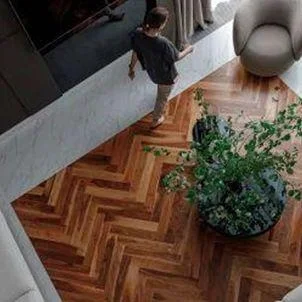
Laminate chevron flooring is rapidly gaining popularity as a stylish and affordable alternative to traditional hardwood. Its distinctive V-shaped pattern, created by precisely angled planks, adds a touch of sophistication and visual interest to any room. Beyond aesthetics, laminate chevron flooring offers excellent durability, ease of installation, and cost-effectiveness, making it an increasingly desirable choice for homeowners and commercial spaces alike. This unique flooring solution is transforming interior design trends globally, and understanding its nuances is crucial for informed decision-making.
The global demand for flooring solutions is driven by factors like urbanization, increasing disposable incomes, and a growing construction industry. According to Statista, the global flooring market was valued at approximately $137.8 billion in 2023 and is projected to reach $176.4 billion by 2029. Laminate chevron flooring, as a growing segment within this market, addresses the need for stylish, resilient, and budget-friendly flooring options. Furthermore, the rising consumer awareness of sustainable materials and easy-to-maintain products contribute to the appeal of laminate chevron flooring.
A key challenge within the flooring industry is balancing affordability with environmental sustainability. Traditional hardwood flooring, while aesthetically pleasing, often comes with significant environmental costs related to deforestation. Laminate chevron flooring, utilizing engineered wood and advanced manufacturing processes, presents a viable solution that minimizes environmental impact while delivering a premium look and feel. This makes it an important option in a market increasingly focused on eco-conscious choices.
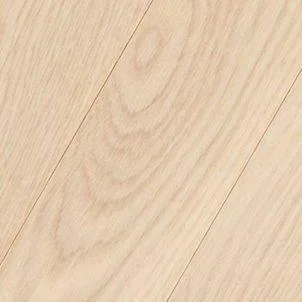
What is Laminate Chevron Flooring?
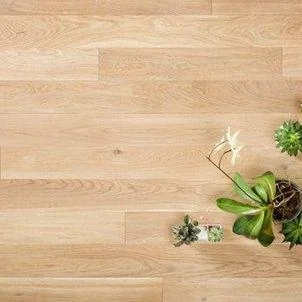
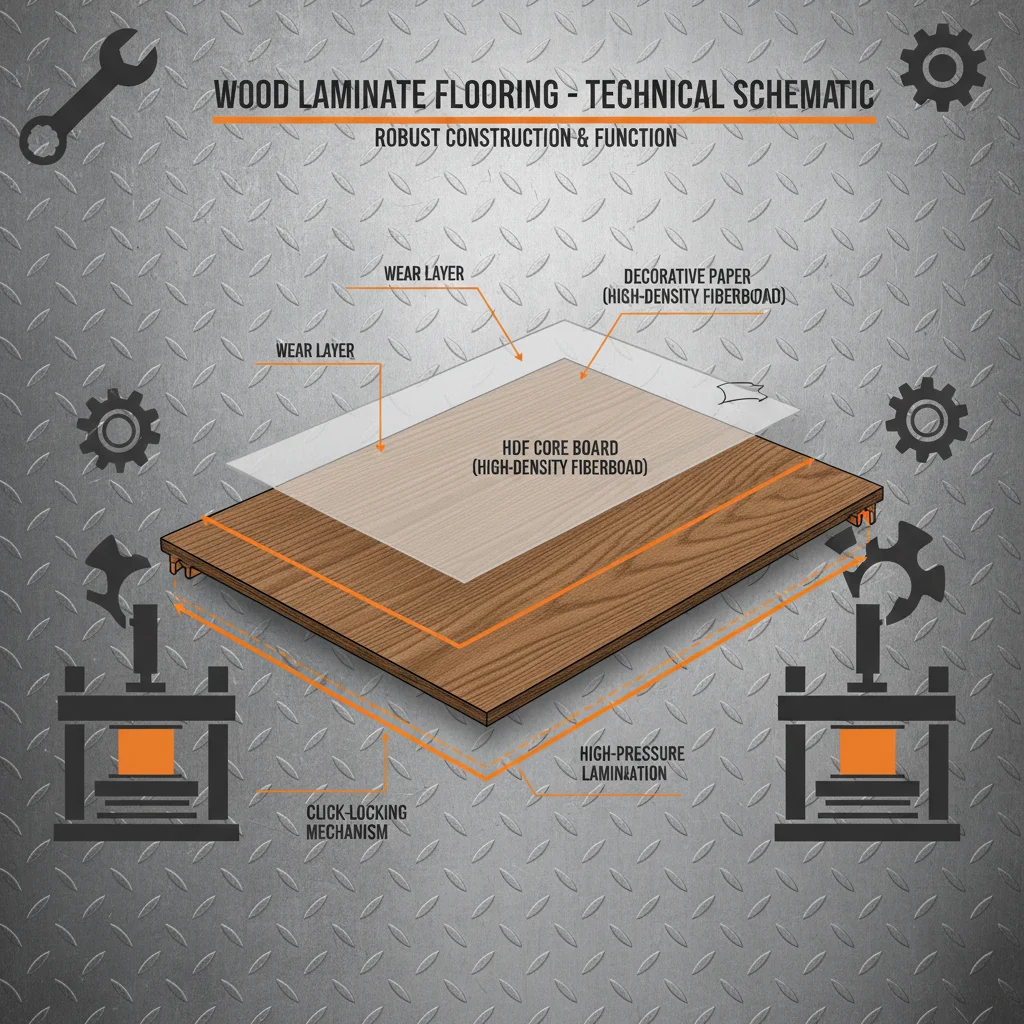
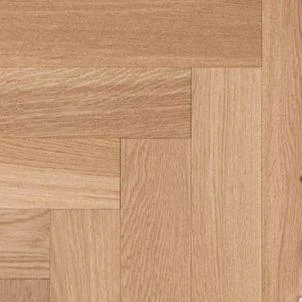
Laminate chevron flooring is a type of flooring constructed using a photographic appliqué layer, which visually replicates the aesthetic of natural wood, bonded over a core layer of high-density fiberboard (HDF) or medium-density fiberboard (MDF). The 'chevron' pattern specifically refers to the distinct V-shaped arrangement of the planks, created by angling the edges to meet at a point. This design creates a dynamic visual flow, making spaces appear larger and more sophisticated.
Unlike traditional hardwood, which is milled from solid wood, laminate chevron flooring offers a more sustainable and cost-effective option. It’s frequently chosen in residential and commercial projects aiming to create a luxurious look without the high price tag or intensive maintenance requirements of hardwood. The durability of laminate chevron flooring also makes it a practical choice for high-traffic areas.
FAQS
With proper care and maintenance, laminate chevron flooring can last between 10 and 20 years, or even longer. The lifespan depends on the AC rating, the quality of the materials, and the level of foot traffic. Regular cleaning, avoiding excessive moisture, and using furniture pads will maximize its longevity. Choosing a higher AC rating significantly increases the durability and extends the floor’s lifespan, especially in high-traffic areas like hallways or commercial spaces.
While traditional laminate flooring is water-resistant, not waterproof, many newer laminate chevron flooring options are now manufactured with enhanced water-resistant cores. These cores offer significantly improved protection against spills and moisture damage, making them suitable for kitchens and bathrooms, though standing water should still be cleaned up promptly. Look for flooring specifically labeled as waterproof or highly water-resistant for the best performance.
Laminate chevron flooring typically features a click-lock system, which makes it relatively easy to install, even for DIY enthusiasts. However, achieving a seamless and professional look requires careful subfloor preparation and precise alignment of the planks. It is recommended to consult the manufacturer's instructions and consider hiring a professional installer for optimal results, especially for larger areas or complex patterns.
Laminate chevron flooring is considerably more affordable than real hardwood flooring. The cost of real hardwood can range from $8 to $25 per square foot or more, while laminate chevron flooring typically ranges from $3 to $10 per square foot. This price difference makes laminate a popular choice for homeowners and businesses looking for a stylish, durable, and budget-friendly flooring option. Installation costs are also generally lower for laminate flooring.
The best underlayment for laminate chevron flooring depends on your specific needs and subfloor conditions. A moisture barrier underlayment is crucial if your subfloor is concrete or prone to moisture issues. Soundproofing underlayments can reduce noise transmission, particularly in multi-story buildings. Choose an underlayment specifically designed for laminate flooring and that meets the manufacturer's recommendations for optimal performance.
Cleaning laminate chevron flooring is simple. Regular sweeping or vacuuming will remove dust and debris. For deeper cleaning, use a damp mop with a pH-neutral cleaner specifically designed for laminate floors. Avoid using excessive water, as it can damage the core. Avoid abrasive cleaners and harsh chemicals, as they can dull the finish. Protect the flooring from scratches by using furniture pads under heavy items.
Conclusion
Laminate chevron flooring offers a compelling combination of style, durability, and affordability. Its distinctive V-shaped pattern adds a touch of sophistication to any space, while its ease of installation and maintenance make it a practical choice for both residential and commercial applications. As technology continues to advance, laminate chevron flooring is poised to become an even more appealing option, offering realistic wood aesthetics, enhanced water resistance, and sustainable manufacturing practices.
Looking ahead, embracing innovative materials and technologies will be crucial for maximizing the benefits of laminate chevron flooring. We encourage you to explore the diverse range of options available and to consider the long-term value this flooring solution can bring to your project. Visit our website at www.houndafloor.com to discover our extensive collection and find the perfect laminate chevron flooring for your needs.

Ethan Turner
Ethan is the Marketing Director at Cangzhou Jiujiang, focusing on expanding the brand's presence in North America. With over a decade of experience in outdoor apparel marketing, Ethan leverages his knowledge to promote the company’s PU rainwear, emphasizing its BSCI and GRS certifications.
If you are interested in our products, you can choose to leave your information here, and we will be in touch with you shortly.


