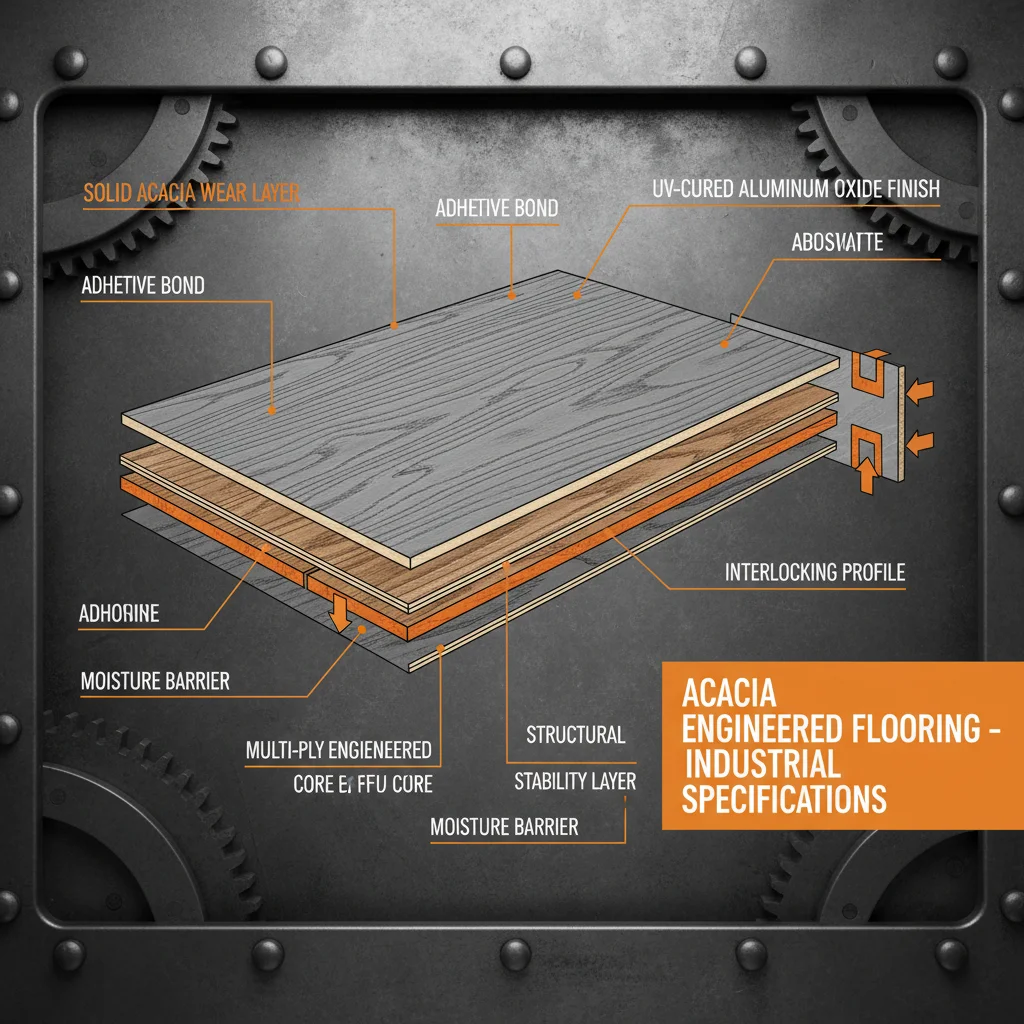
Finding the perfect balance between the timeless warmth of natural timber and the demands of modern living often leads homeowners and designers to explore wood look flooring. This innovative category of flooring materials replicates the intricate grain, texture, and color palettes of authentic hardwood while integrating advanced engineering to enhance durability and moisture resistance.
Across the global interior design market, the demand for these solutions has surged as consumers seek high-end aesthetics without the prohibitive costs or rigorous maintenance associated with traditional solid wood. Whether it is through high-definition printing on SPC or the layered precision of laminate, these materials offer a versatile alternative that fits seamlessly into various architectural styles.
Understanding the nuances of wood look flooring is essential for anyone looking to upgrade their space. By evaluating the trade-offs between different core materials and surface wear layers, you can ensure a selection that not only elevates the visual appeal of a room but also stands up to the daily rigors of foot traffic, pets, and spills.
The Global Evolution of Wood Look Flooring
The transition toward wood look flooring reflects a broader global shift toward sustainable urban development and resource conservation. With the increasing scarcity of old-growth forests and the strict regulations imposed by international environmental bodies, the industry has pivoted toward synthetic and composite alternatives that mimic nature without depleting it.
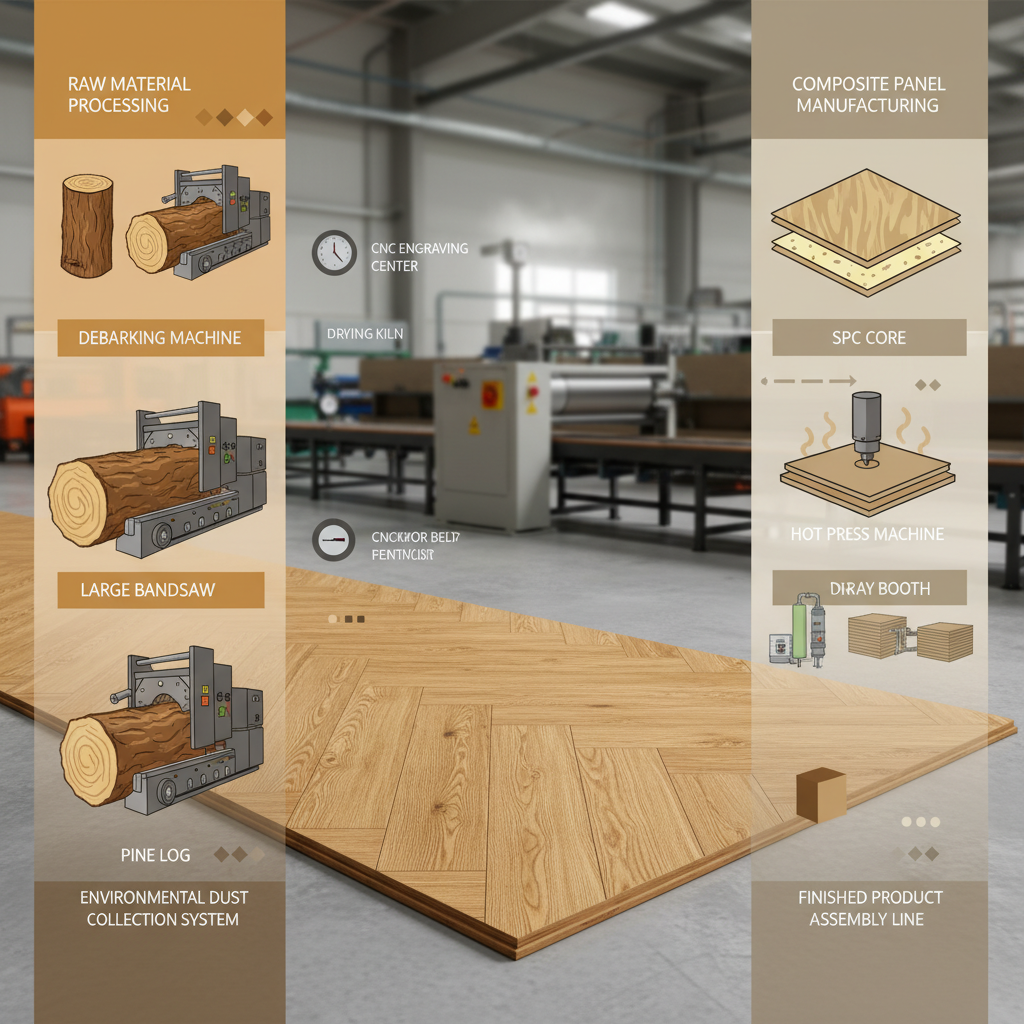
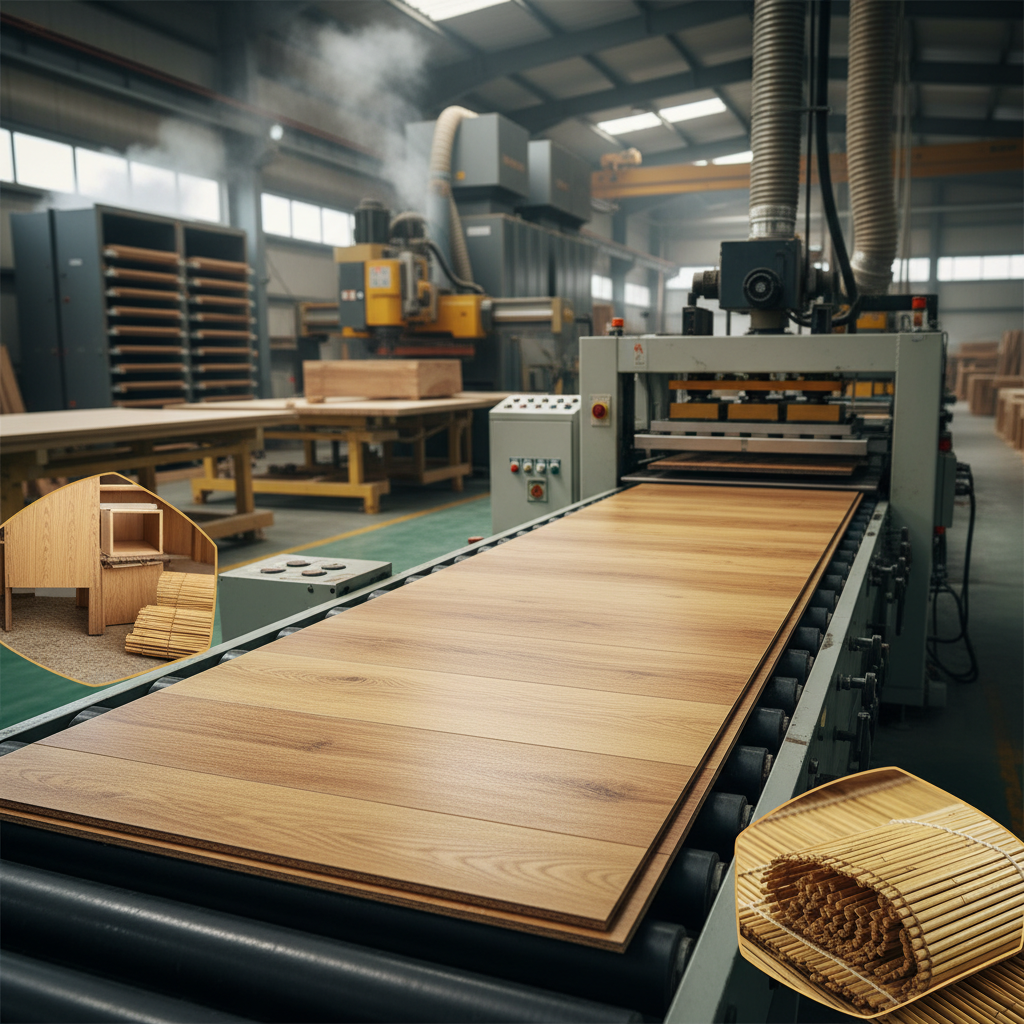
Modern manufacturing has evolved from simple vinyl sheets to complex multi-layered structures. Today's materials integrate synchronized embossing, where the physical texture of the plank matches the visual grain of the wood, creating a tactile experience that is nearly indistinguishable from real timber, thus solving the long-standing challenge of "plastic-looking" floors.
Defining Modern Wood Look Flooring Solutions
In technical terms, wood look flooring refers to any non-solid-wood surface treatment designed to replicate the aesthetic characteristics of natural wood. This includes a wide array of products such as Laminate, SPC (Stone Plastic Composite), and LVP (Luxury Vinyl Plank), each utilizing a decorative film layer to simulate species like Oak, Walnut, or Maple.
The primary goal of these solutions is to bridge the gap between luxury and practicality. While authentic hardwood is prized for its beauty, it is susceptible to scratches, humidity-induced warping, and insect infestation. Wood-look alternatives eliminate these vulnerabilities through a chemical composition that is inherently waterproof and dimensionally stable.
Beyond residential use, these flooring options address critical humanitarian and industrial needs. In high-traffic commercial environments or temporary housing projects, they provide a sense of dignity and warmth (the "psychological comfort" of wood) while maintaining the industrial-grade durability required for heavy usage and rapid deployment.
Core Components and Engineering Factors
The effectiveness of wood look flooring depends largely on its wear layer. This topmost transparent coating protects the decorative film from abrasion and UV fading, ensuring that the "wood" appearance remains vibrant even in sun-drenched living rooms or busy corridors.
The core material is where the real engineering happens. For instance, SPC wood look flooring utilizes a limestone-based composite that prevents the floor from expanding or contracting under temperature swings, making it ideal for kitchens and bathrooms where traditional wood would fail.
Finally, the installation system—typically a click-lock or floating mechanism—allows for efficient deployment. This eliminates the need for messy glues or nails, reducing labor costs and allowing the flooring to be installed over existing substrates, which is a major advantage for renovation projects.
Performance Metrics Across Flooring Types
When comparing different iterations of wood look flooring, it is important to analyze them across several dimensions: water resistance, scratch durability, installation ease, and acoustic comfort. Each material caters to a different set of priorities.
Laminate excels in surface hardness and impact resistance, whereas SPC is the gold standard for 100% waterproof environments. By quantifying these traits, developers and homeowners can make an informed decision based on the specific stressors of their environment.
Comparative Performance of Wood Look Flooring Types
Global Applications and Versatile Use Cases
The application of wood look flooring extends far beyond the residential living room. In the hospitality industry, luxury hotels utilize these materials in guest rooms to provide the warm atmosphere of a chalet while ensuring the floors can be sanitized with industrial cleaners without damaging the surface.
In more challenging contexts, such as remote industrial zones or post-disaster relief housing, modular wood look flooring provides a critical psychological benefit. It transforms a sterile, temporary environment into a space that feels like a home, contributing to the mental well-being and dignity of the occupants.
Long-Term Value and Sustainable Advantages
From a financial perspective, the long-term value of wood look flooring is found in its minimal lifecycle cost. Unlike solid wood, which requires periodic sanding, staining, and sealing, these synthetic alternatives remain visually consistent for decades with only basic cleaning.
Sustainability is another pillar of value. By utilizing recycled PVC and limestone, manufacturers reduce the pressure on global timber reserves. Many modern products are now phthalate-free and carry FloorScore certifications, ensuring that indoor air quality is maintained and VOC emissions are kept to a minimum.
Moreover, the reliability of these materials fosters trust between contractors and clients. The predictability of the material's behavior—knowing it will not warp in a humid climate like Southeast Asia or crack in the dry air of the American Southwest—makes it a low-risk, high-reward investment for large-scale real estate developments.
Future Innovations in Flooring Technology
The future of wood look flooring is being shaped by digital transformation and material science. We are seeing the emergence of 3D-printed textures that can replicate the exact depth and porosity of rare exotic woods, removing the "flat" look that once plagued early synthetic floors.
Integration with smart home technology is also on the horizon. Concepts are being developed for flooring that can sense pressure or temperature, utilizing the composite core of wood look flooring to house thin-film heating elements or sensors for elderly fall detection, blending aesthetics with lifesaving utility.
Furthermore, the industry is moving toward a fully circular economy. New bio-based polymers are replacing petroleum-derived plastics, ensuring that the next generation of flooring is not only biodegradable at the end of its life but also carbon-neutral during its production phase.
Comparison of Technical Specifications for Wood Look Flooring Categories
| Flooring Type |
Water Resistance |
Wear Resistance |
Installation Speed |
| SPC Flooring |
10/10 (Waterproof) |
9/10 |
Very Fast |
| Laminate Flooring |
6/10 (Resistant) |
10/10 |
Fast |
| LVP Flooring |
9/10 (Waterproof) |
7/10 |
Very Fast |
| Engineered Wood |
4/10 (Limited) |
6/10 |
Moderate |
| WPC Flooring |
10/10 (Waterproof) |
6/10 |
Fast |
| Hybrid Wood Look |
8/10 (High) |
8/10 |
Fast |
FAQS
Yes, provided you choose the right material. SPC (Stone Plastic Composite) wood look flooring is 100% waterproof and ideal for bathrooms. Standard laminate, however, may swell if exposed to standing water, so it is less recommended for wet areas.
In many ways, it is superior. While hardwood can scratch and dent, high-quality wood look flooring features a reinforced wear layer that resists abrasions from pets and high heels. It also doesn't require the periodic sanding and refinishing that real wood does.
Absolutely. Most wood look flooring options, especially click-lock systems, are designed as "floating floors." This means they can be installed directly over a level tiled surface, saving you the time and cost of demolition.
Depending on the core, it can feel cooler than carpet but warmer than ceramic tile. To enhance comfort, we recommend using a high-quality underlayment, which provides thermal insulation and acoustic dampening, making the floor feel soft and warm.
Maintenance is incredibly simple. Regular sweeping and occasional mopping with a damp cloth and a pH-neutral cleaner are sufficient. Avoid using harsh steam cleaners on laminate, as excessive heat and moisture can penetrate the seams.
Yes, by reducing the reliance on slow-growing hardwood forests, wood look flooring helps preserve biodiversity. Many of our products also use recycled materials and are certified low-VOC to ensure a healthy indoor environment.
Conclusion
In summary, wood look flooring represents the pinnacle of modern material engineering, blending the irreplaceable aesthetic of natural timber with the rigorous performance standards of the 21st century. From the waterproof capabilities of SPC to the scratch resistance of premium laminates, these solutions provide a sustainable, cost-effective, and visually stunning alternative to traditional flooring.
As we move toward a future of smarter and greener building practices, the integration of bio-polymers and digital textures will only further blur the line between synthetic and natural. For homeowners and developers alike, investing in high-quality wood-look alternatives is a strategic choice that ensures long-term durability without compromising on style. Visit our website for more information: www.houndafloor.com