herringbone laminate
0%

Table of Contents

The global shift toward sustainable architecture has placed composite wood flooring at the forefront of modern interior design. As homeowners and commercial developers seek a balance between the timeless warmth of natural timber and the rigorous demands of high-traffic environments, composite solutions have emerged as the ideal compromise, blending engineered stability with aesthetic versatility.

Understanding the nuances of these materials is crucial because the flooring choice dictates not only the visual appeal of a space but also its long-term maintenance costs and environmental footprint. By integrating advanced polymers with wood fibers, the industry has created a product that resists the traditional pitfalls of wood, such as warping and moisture absorption, without sacrificing the organic feel that people crave.

In this comprehensive guide, we explore how composite wood flooring is redefining the boundaries of the flooring industry. From its technical composition to its application in extreme climates, we will analyze why this innovation is becoming the gold standard for those who refuse to choose between luxury and durability.
composite wood flooring

The Global Evolution of Composite Wood Flooring
composite wood flooring

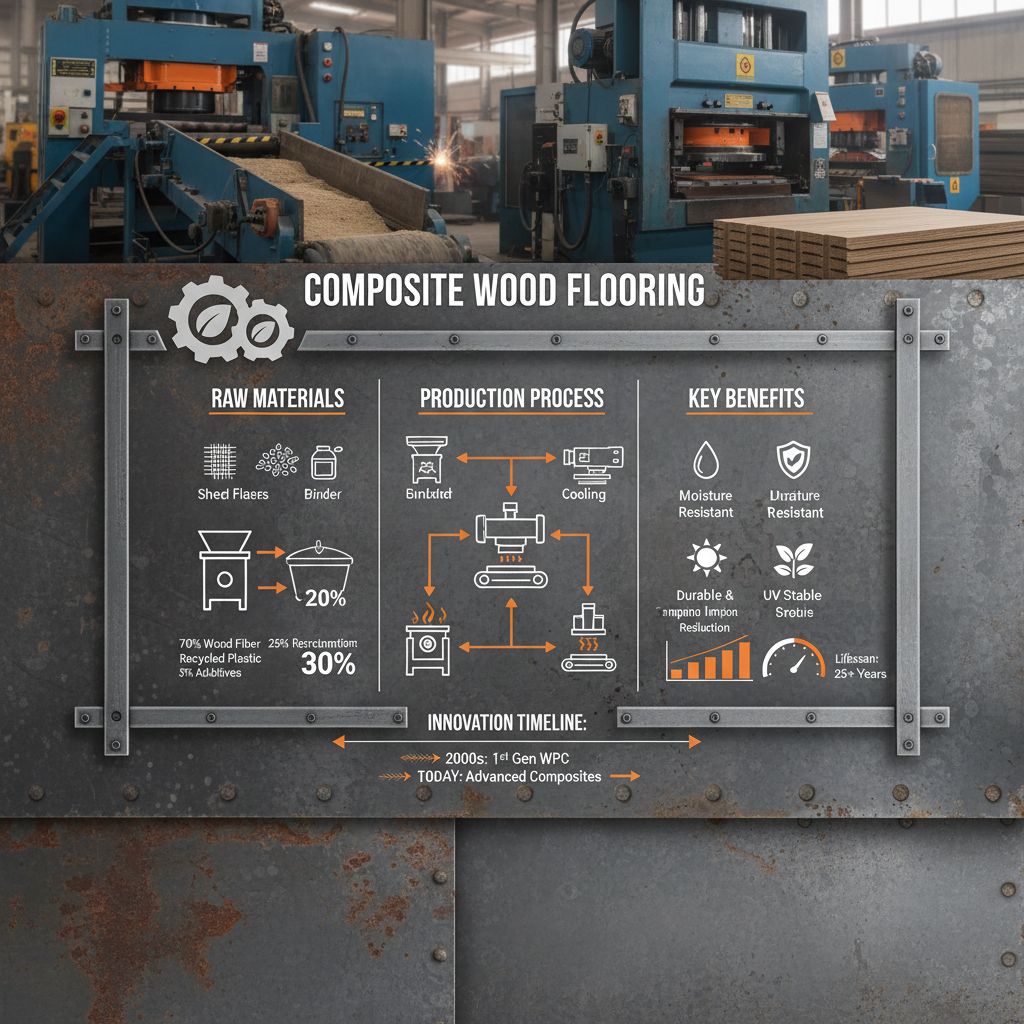
The rise of composite wood flooring reflects a broader global trend toward "circular economy" manufacturing. According to recent industry data and ISO standards for sustainable building materials, the demand for alternatives to old-growth hardwood has skyrocketed. This evolution was driven by the need to reduce deforestation while maintaining the structural integrity required for urban infrastructure and residential housing.

Historically, wood flooring was susceptible to the elements—humidity caused swelling and dry air caused cracking. The introduction of composite technology solved these systemic failures by blending recycled wood flour with high-density plastics. This transition has allowed the industry to scale production rapidly, meeting the needs of emerging markets where traditional timber supplies are scarce or prohibitively expensive.

Defining the Mechanics of Composite Wood Flooring

At its most basic level, composite wood flooring is an engineered product created through the fusion of natural wood fibers (often reclaimed sawdust or wood flour) and thermoplastic resins. Unlike solid wood, which is a single piece of timber, composite flooring is a homogenized material designed to behave predictably under varying environmental stresses.

This synthesis addresses a critical humanitarian and economic need: the democratization of high-quality housing. By utilizing waste products from the lumber industry, manufacturers can produce flooring that looks and feels like premium oak or walnut but remains accessible to a wider demographic. This shift transforms industrial waste into a durable asset, reducing the volume of landfills and lowering the carbon footprint of new construction projects.

The resulting material is an isotropic structure, meaning its physical properties are uniform in all directions. This removes the "grain weakness" found in natural wood, making the floor significantly more resistant to impacts, punctures, and the abrasive wear and tear of daily life in busy households or commercial storefronts.

Core Components Driving Performance

The superior resilience of composite wood flooring is rooted in its multi-layered engineering. The base layer typically consists of a high-density core that provides the necessary structural rigidity, ensuring that the floor does not sag or flex under heavy furniture, a common issue with cheaper laminate options.

A critical component is the moisture-resistant binding agent. In high-end composite wood flooring, these binders are non-toxic and formaldehyde-free, meeting strict E0 or E1 emission standards. This ensures that the indoor air quality remains healthy while the floor remains impervious to spills, leaks, and high humidity levels that would destroy traditional hardwood.

Finally, the wear layer acts as the first line of defense. Using advanced UV-cured coatings or high-pressure overlays, this layer protects the aesthetic design from fading and scratches. The synergy between the recycled core and the protective surface is what allows these floors to maintain their "out-of-the-box" look for decades.

Comparative Analysis of Material Durability

When comparing composite wood flooring to traditional alternatives like solid wood or standard laminate, the differences in performance are stark. While solid wood offers prestige, it requires constant sanding and sealing. Composites, however, are engineered for "zero-maintenance" lifestyles, requiring only basic cleaning to stay pristine.

The logic behind the preference for composites in modern builds is simple: reliability. In high-moisture areas like kitchens or basements, the dimensional stability of composite materials prevents the "cupping" effect seen in natural timber. This makes them a safer and more cost-effective choice for large-scale developments.

Durability Performance of Various Flooring Types

Global Applications and Industrial Use Cases

The versatility of composite wood flooring allows it to be deployed in diverse environments across the globe. In the humid tropical regions of Southeast Asia, where termites and mold are constant threats to traditional timber, composite flooring provides a pest-proof and rot-proof alternative that significantly extends the life of the building's interior.

Beyond residential use, we see massive adoption in remote industrial zones and modular housing projects. For example, in rapid-deployment housing for disaster relief or temporary workforce camps, the ease of installation—often utilizing a click-lock system—makes composite flooring the most efficient choice for creating a dignified, clean living space in a matter of hours.

Long-term Value and Sustainability Benefits

From a financial perspective, composite wood flooring offers a superior Return on Investment (ROI). While the initial cost may be slightly higher than low-grade laminate, the absence of need for periodic sanding, staining, or replacement due to water damage leads to significant savings over a 20-year cycle.

Sustainability is where these materials truly shine. By incorporating recycled plastics and FSC-certified wood waste, the production process mitigates the environmental degradation associated with logging. This creates a positive feedback loop: the more we adopt composite solutions, the less pressure is placed on the world's remaining primary forests.

Moreover, the psychological impact of a stable, beautiful home cannot be overstated. Providing durable flooring in low-income housing projects offers residents a sense of permanence and dignity, proving that sustainable engineering can serve both the planet and the people.

Future Trends in Composite Flooring Technology

The next frontier for composite wood flooring lies in "smart materials." Researchers are currently developing composite cores embedded with conductive polymers that can provide low-energy radiant heating, eliminating the need for bulky underfloor heating systems and further increasing energy efficiency in cold climates.

Digital transformation is also playing a role through 3D-printed textures. Future flooring will not just "look" like wood; it will possess a hyper-realistic, tactile topography that mimics the exact grain and pore structure of specific rare wood species, all while remaining 100% synthetic and sustainable.

As automation in manufacturing increases, we expect to see a rise in "custom-fit" composite flooring, where laser-scanning technology allows floors to be pre-cut to the exact millimeter of a room's dimensions, reducing installation waste to nearly zero.

Comparative Analysis of Composite Flooring Tech Specifications

Technology Type Water Resistance Installation Speed Life Expectancy
SPC Composite 10/10 (Waterproof) Very Fast 25+ Years
WPC Composite 9/10 (Highly Resistant) Fast 20 Years
HDF Composite 6/10 (Water Repellent) Moderate 15 Years
Hybrid Composite 8/10 (Resistant) Fast 22 Years
Bamboo Composite 7/10 (Resistant) Moderate 18 Years
Recycled Polymer 10/10 (Waterproof) Very Fast 30 Years

FAQS

Is composite wood flooring actually waterproof compared to laminate?

Yes, specifically SPC (Stone Plastic Composite) and WPC (Wood Plastic Composite) options are inherently waterproof because they use a non-porous core. Traditional laminate often uses a pressed wood core that can swell when exposed to water; composite flooring prevents this by blending resins that block moisture penetration entirely.

Does composite flooring scratch as easily as real hardwood?

Generally, no. Composite wood flooring is engineered with a high-density wear layer that is significantly harder than natural wood. While nothing is completely scratch-proof, the combination of polymers and UV coatings makes it far more resistant to pet claws and heavy furniture movement than soft hardwoods like pine or cherry.

Can I install composite wood flooring over an existing floor?

In most cases, yes. Because composite flooring is thin yet structurally rigid, it can often be installed as a "floating floor" over existing tile or concrete, provided the surface is level. This eliminates the need for costly demolition and makes it an ideal choice for quick renovations.

Is composite flooring eco-friendly?

Absolutely. Most composite flooring utilizes recycled wood flour and recycled plastics, diverting waste from landfills. By reducing the reliance on virgin timber, it helps preserve endangered forests. Additionally, high-quality composites are VOC-free, ensuring they don't release harmful gases into your home.

How does the lifespan of composite flooring compare to solid wood?

While solid wood can last a century if meticulously maintained, composite flooring offers a "hassle-free" lifespan of 20 to 30 years. The key difference is that composite does not require sanding or refinishing every few years to stay looking new, providing a more consistent aesthetic over time.

Is composite wood flooring suitable for commercial spaces?

Yes, it is highly recommended for commercial use. Its high impact resistance and ease of cleaning make it perfect for retail stores, offices, and clinics. The ability to withstand thousands of footsteps without showing wear makes it a more economical choice than natural stone or hardwood in high-traffic zones.

Conclusion

The transition toward composite wood flooring represents a pivotal moment in the construction industry, where technological innovation finally aligns with environmental responsibility. By synthesizing the aesthetic brilliance of natural wood with the invincible properties of modern polymers, we have created a flooring solution that is durable, waterproof, and sustainable. From the reduction of deforestation to the lowering of long-term maintenance costs, the value proposition of composite materials is undeniable.

As we look toward the future, the integration of smart technology and 3D textures will only further blur the line between synthetic and natural materials. For developers, homeowners, and architects, the choice is clear: investing in composite solutions is not just a design preference, but a commitment to a more resilient and eco-conscious way of building. To explore our range of high-performance solutions, visit our website: www.houndafloor.com

Kevin Thompson

Kevin Thompson

Kevin Thompson serves as Hounda’s Logistics Manager for the North American market. He is responsible for overseeing the entire supply chain process, from production in China to final delivery to our distribution centers. Kevin’s expertise lies in optimizing shipping routes, managing inventory, and ensuring timely delivery, even during periods of high demand. He has over 10 years of experience in international logistics and supply chain management. Kevin is committed to providing seamless and reliable service to Hounda's partners and customers. He holds certifications in supply chain efficiency and transportation logistics.
Previous Authentic Barnwood Flooring for Sustainable Rustic Interior Design
Next Premium Craftsmanship Wood Flooring Solutions

If you are interested in our products, you can choose to leave your information here, and we will be in touch with you shortly.