
- russian
- luganda
- maithili
- maori
- marathi
- norwegian
- oromo
- persian
- polish
- portuguese
- quechua
- korean
- shona
- sindhi
- singapore
- spanish
- tamil
- thai
- turkish
- ukrainian
- urdu
- vietnamese
- english
- arabic
- aymara
- basque
- belarusian
- bengali
- cebuano
- czech
- danish
- deutsch
- dutch
- afrikaans
- filipino
- finnish
- french
- galician
- hindi
- indonesian
- irish
- italian
- japanese

The timeless elegance of a white oak herringbone floor represents more than just a design choice; it is a statement of architectural sophistication and enduring quality. By combining the natural, light-toned beauty of white oak with the geometric precision of the herringbone pattern, homeowners and designers can create spaces that feel both expansive and intimate. This flooring style has transitioned from the grand palaces of Europe to modern minimalist apartments, proving its versatility across diverse interior aesthetics.
Understanding the technical nuances of white oak—such as its tight grain structure and inherent stability—is crucial for anyone looking to invest in high-end flooring. Unlike other hardwoods, white oak offers a superior resistance to wear and moisture, making the herringbone layout not only a visual asset but a practical long-term investment. Whether integrated into a solid wood, engineered, or high-quality laminate format, this pattern directs the eye and adds a rhythmic flow to any room.
In today's global market, the demand for white oak herringbone floor is driven by a shift toward "quiet luxury" and sustainable sourcing. As consumers prioritize materials that offer both longevity and ecological responsibility, the focus has shifted toward FSC-certified white oak and advanced installation methods. This guide explores the global industry context, technical advantages, and future innovations surrounding this premier flooring choice.

Global Market Relevance of White Oak Herringbone Floor
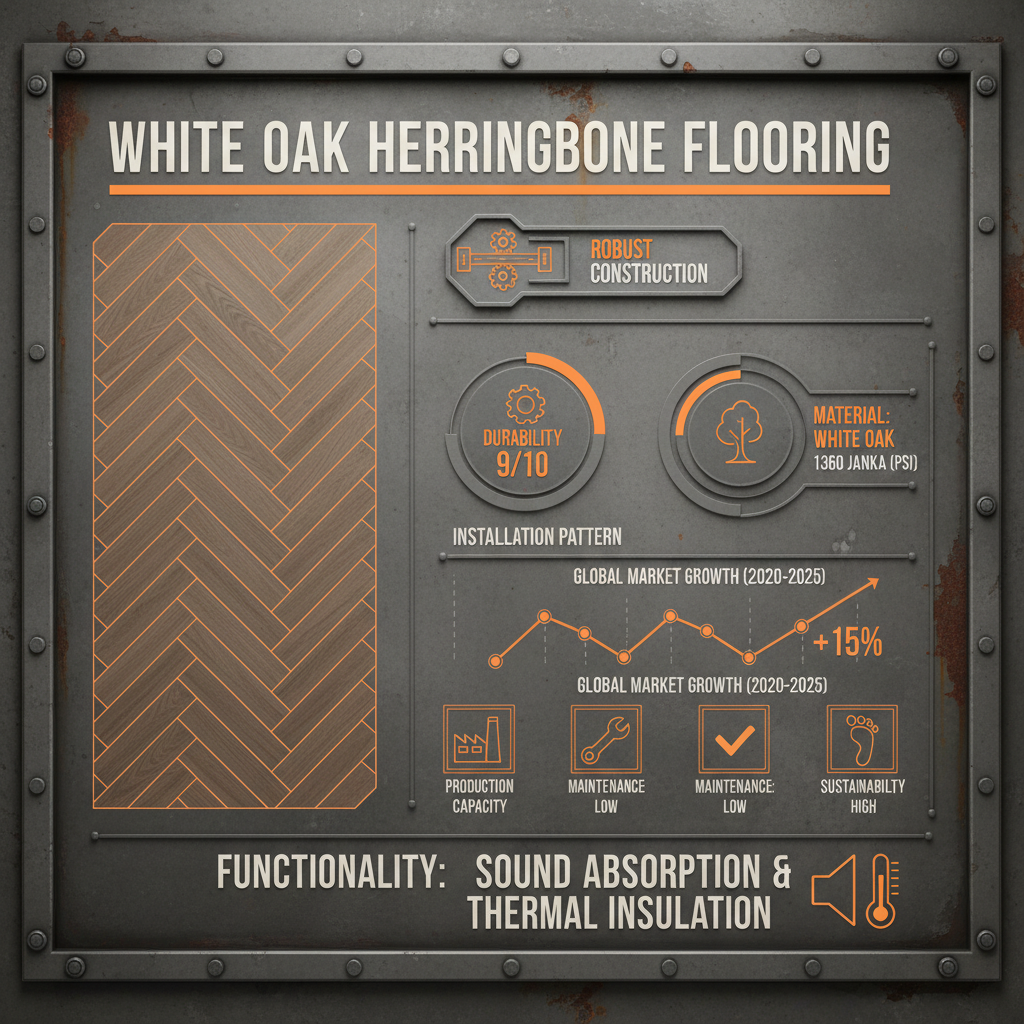
The global appetite for white oak herringbone floor has seen a significant uptick, mirrored by the growth in the luxury residential sector across North America and Europe. Market data indicates that high-end hardwood flooring continues to hold a substantial share of the interior renovation market, with a particular preference for light-toned woods that enhance natural light. This trend is often linked to the "Scandinavian" and "French Provincial" design movements, which emphasize brightness and organic textures.
However, the industry faces a challenge in balancing this high demand with sustainable forestry practices. With ISO standards pushing for more rigorous traceability in timber sourcing, manufacturers are innovating to provide the prestige of white oak while minimizing environmental impact. The transition toward engineered white oak herringbone solutions has allowed for greater dimensional stability and reduced waste, addressing the climate-related expansion and contraction issues common in traditional solid wood.
FAQS
Not necessarily. While the pattern is more complex, the maintenance—such as vacuuming and occasional polishing—is identical to straight planks. The only difference is that if a single plank is severely damaged, replacing it in a herringbone pattern requires a bit more precision to maintain the alignment. However, using a high-quality white oak with a durable UV finish makes daily care very simple.
Yes, it typically does. The diagonal lines of the herringbone pattern create an optical illusion of depth and width. By drawing the eye outward toward the corners of the room, it breaks the "boxy" feel of a small space. When you use the light, airy tones of white oak, this effect is amplified as the brightness reflects more light, making the area feel more open and expansive.
For traditional solid white oak, it is not recommended due to moisture sensitivity. However, if you choose an SPC or high-grade engineered white oak herringbone floor with a waterproof core, it is an excellent choice for bathrooms. These materials provide the high-end look of oak while resisting the humidity and occasional splashes common in wet areas.
In a herringbone pattern, rectangular planks are laid parallel to each other, creating a staggered "step" effect. In a chevron pattern, the ends of the planks are cut at an angle (usually 45 degrees) so they meet in a perfect straight line, creating a continuous zigzag. Herringbone is generally considered more traditional and is often easier to source in a wider variety of white oak grades.
Yellowing is often caused by UV exposure and the type of sealant used. To maintain the "white" in your white oak herringbone floor, use UV-inhibiting finishes or water-based polyurethanes rather than oil-based ones. Additionally, using area rugs in high-sunlight zones or installing UV-filtering window films can protect the natural pale tone of the wood for years.
Absolutely. Engineered white oak is often preferred for herringbone layouts because its layered construction makes it significantly more stable. It is less likely to expand or contract with temperature changes, which reduces the risk of gaps appearing in the complex "V" joints. With a thick wear layer, it can still be sanded and refinished, providing almost the same lifespan as solid wood.
Conclusion
The white oak herringbone floor stands as a pinnacle of interior design, blending technical resilience with an unmatched aesthetic appeal. From its ability to visually expand a room to its long-term value as a luxury asset, it offers a comprehensive solution for those seeking both style and substance. By prioritizing sustainable sourcing and utilizing modern engineered materials, we can enjoy the grandeur of this classic pattern without compromising our environmental responsibilities.
As we look toward the future, the integration of smart technology and carbon-neutral manufacturing will only enhance the desirability of white oak. Whether you are renovating a historic estate or designing a modern urban loft, investing in a high-quality herringbone layout is a decision that yields dividends in both property value and daily living quality. We encourage you to explore the perfect balance of grain, tone, and finish to bring this timeless elegance into your home. Visit our website: www.houndafloor.com


Brian Harrison
If you are interested in our products, you can choose to leave your information here, and we will be in touch with you shortly.


