
- russian
- luganda
- maithili
- maori
- marathi
- norwegian
- oromo
- persian
- polish
- portuguese
- quechua
- korean
- shona
- sindhi
- singapore
- spanish
- tamil
- thai
- turkish
- ukrainian
- urdu
- vietnamese
- english
- arabic
- aymara
- basque
- belarusian
- bengali
- cebuano
- czech
- danish
- deutsch
- dutch
- afrikaans
- filipino
- finnish
- french
- galician
- hindi
- indonesian
- irish
- italian
- japanese

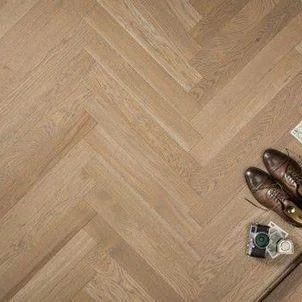
Look, engineered oak flooring… it’s everywhere now, right? Been seeing a lot of it. Not just in homes, but in commercial spaces, even some of those fancy pop-up shops. It's a shift. Used to be, everyone wanted solid hardwood, the real deal. But the cost, the installation… a headache. Now, with engineered oak flooring, you get that look, that feel, without quite as much fuss. To be honest, it’s been a lifesaver on some sites.
You see a lot of variations popping up, though. Everyone's trying to jump on the bandwagon. It’s not all created equal, let me tell you. I’ve seen some stuff that… well, let’s just say I wouldn’t trust it with my own house. It’s a bit like pizza, you know? It's all pizza, but some pizza… is just sad.
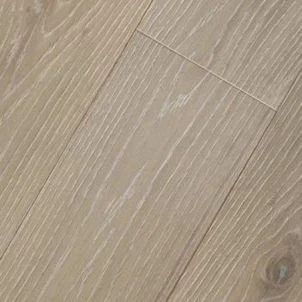
What’s trending now is wider planks, more textured finishes. People want that rustic look, but they also want it durable. They want something that can handle a dog scratching at it, a kid dropping a Lego, you name it. And they want it to look like it’s been around for a hundred years, even if it’s brand new. It’s… strange, isn’t it? Wanting something to look old?
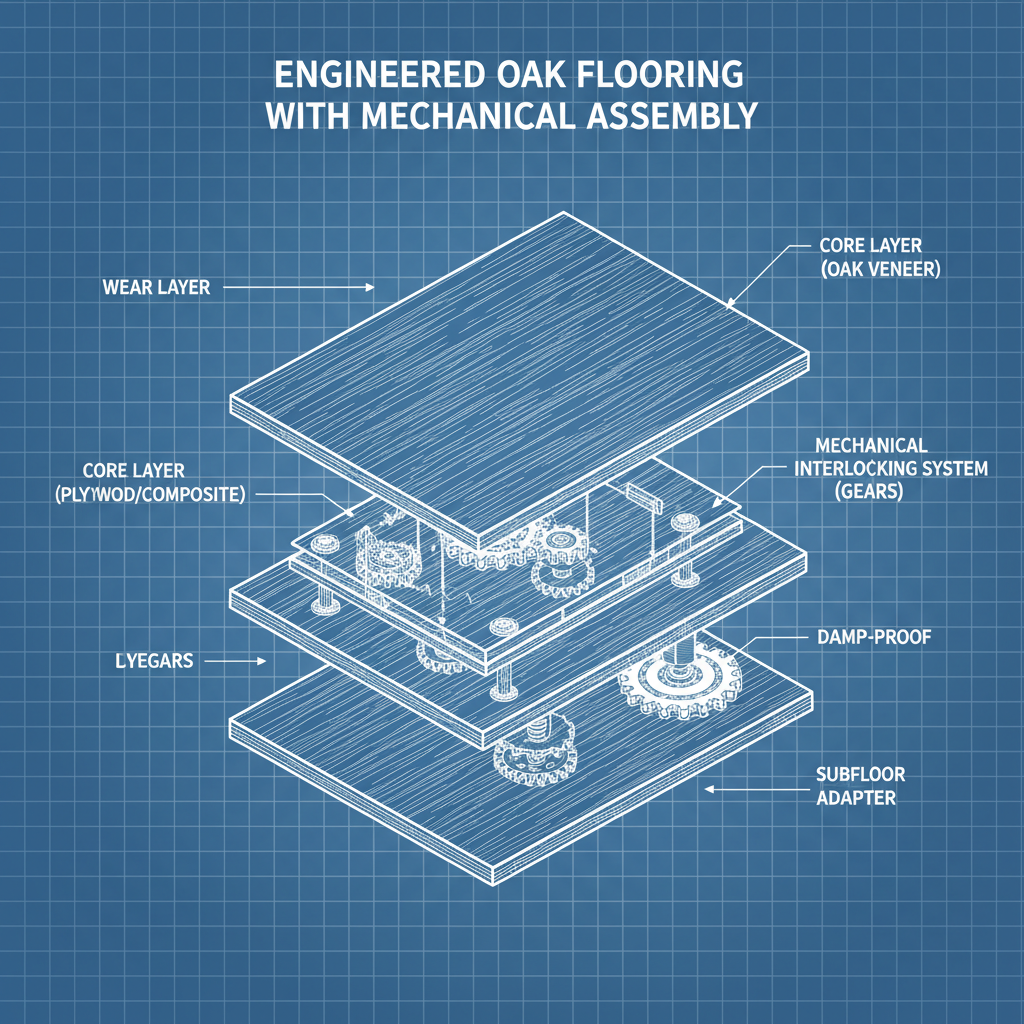
What’s Trending and Common Pitfalls
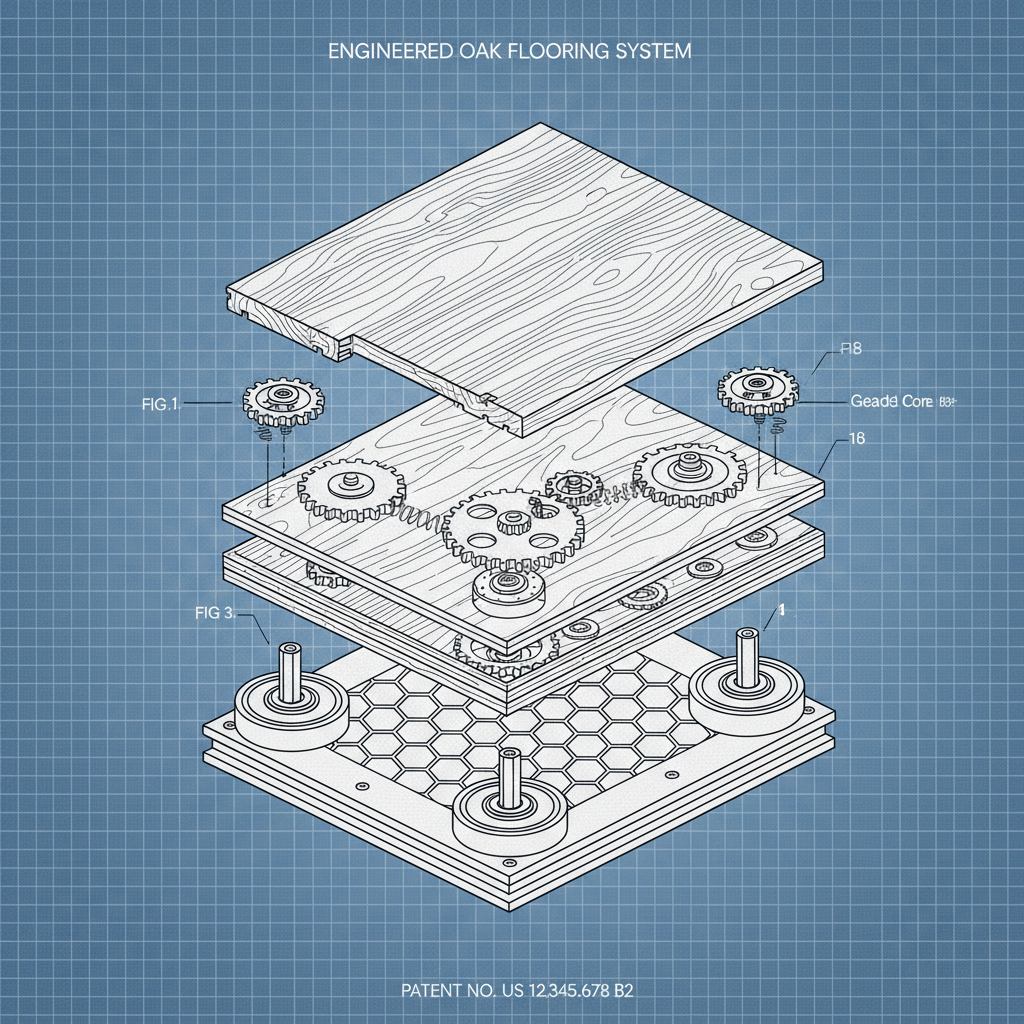
Have you noticed how everyone’s chasing that “natural” look? Even with engineered flooring. They’re doing these textured surfaces, wire-brushed effects… it's good, but it’s also where things can get tricky. A lot of manufacturers cut corners on the veneer thickness. You get a beautiful floor, but if someone drops something heavy, you’re going right through to the core. I encountered this at a factory last time, and the veneer was so thin, I almost poked a hole in it with my fingernail.
Another pitfall? The adhesive. Cheap adhesive means the planks separate over time. It looks great at first, but six months later, you've got gaps. And then you're pulling up the whole floor and starting over. Believe me, I’ve been there. It’s not fun. Not fun at all.
FAQS
That’s a good question. Laminate is entirely synthetic – a printed image covered in a wear layer. Engineered oak flooring has a real wood veneer on top, which gives it a much more authentic look and feel. You can refinish engineered oak, but you can't refinish laminate. Laminate’s cheaper, sure, but it doesn’t last as long or look as good. It’s like comparing a photograph to the real thing.
Not entirely. While some engineered oak flooring has a waterproof core (like SPC), it’s still wood. It can handle spills if you wipe them up quickly, but it’s not designed to be submerged in water. Avoid using it in bathrooms or laundry rooms unless it’s specifically labeled as waterproof. Even then, I’d be cautious.
Depends on the quality, the wear layer thickness, and how well you take care of it. A good quality engineered oak floor can easily last 20-30 years, sometimes longer. The thicker the veneer, the more times you can refinish it, extending its lifespan. Regular cleaning and maintenance are key.
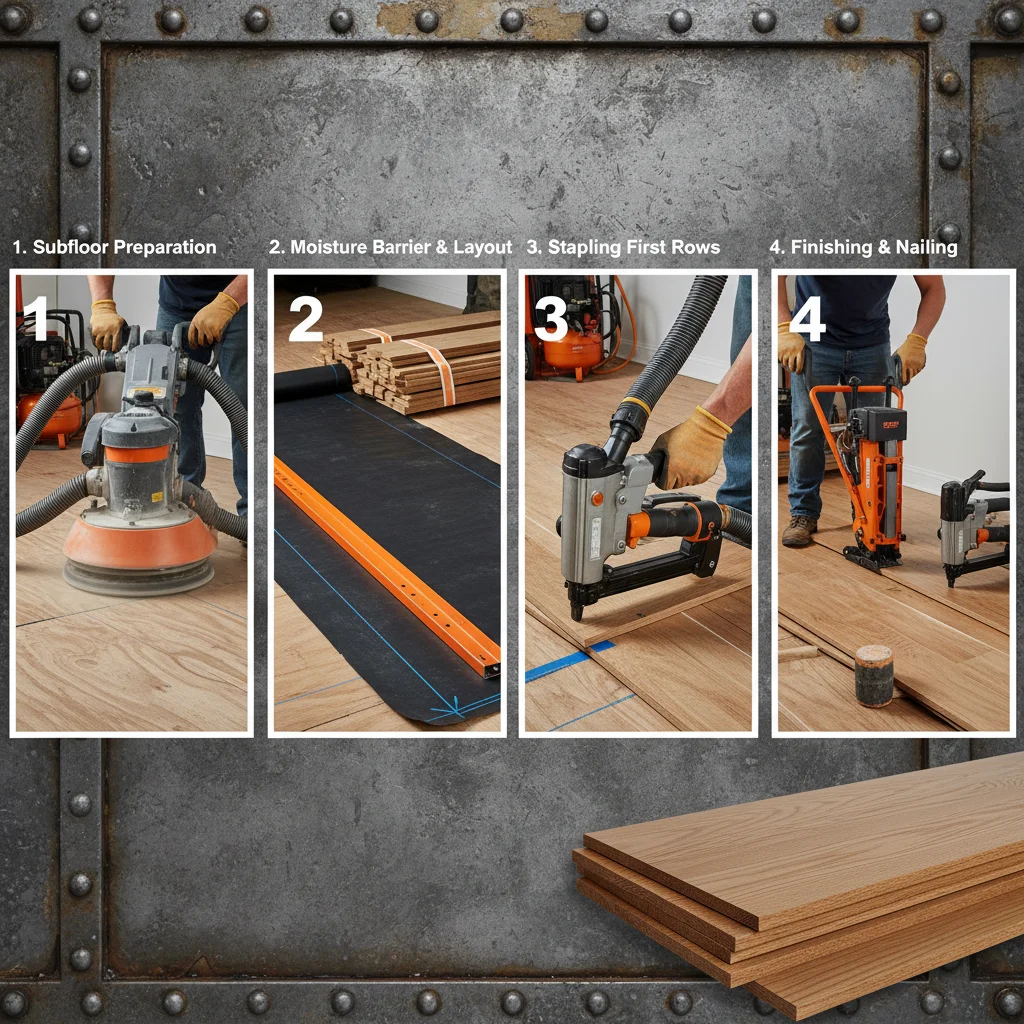
Yes, absolutely. That’s one of the big advantages. But you need to make sure the concrete is properly prepared – level, clean, and dry. You’ll also need to use a moisture barrier to prevent moisture from seeping up from the concrete. It’s pretty standard stuff, but don’t skip those steps!
Keep it simple. Sweep or vacuum regularly to remove dirt and debris. Use a wood floor cleaner specifically designed for engineered oak. Avoid harsh chemicals and abrasive cleaners. And don’t let water puddle on the floor. Less is more, really.
It can be. Look for flooring certified by the Forest Stewardship Council (FSC). That means the wood comes from sustainably managed forests. Also, engineered oak uses less hardwood than solid hardwood, which is a plus. But always check the manufacturer's environmental practices and certifications.
Conclusion
So, engineered oak flooring. It's not a miracle product, but it’s a solid choice for a lot of people. It gives you the look of real wood, with a bit more stability and a lower price tag. There’s a lot of variation out there, so you have to do your research and choose wisely. Don’t just go for the cheapest option. You’ll regret it.
Ultimately, whether this thing works or not, the worker will know the moment he tightens the screw. And if he curses under his breath, you know you’ve got a problem. Visit our website for more information and to explore our selection of engineered oak flooring: engineered oak flooring.

Ethan Reynolds
If you are interested in our products, you can choose to leave your information here, and we will be in touch with you shortly.


