
- russian
- luganda
- maithili
- maori
- marathi
- norwegian
- oromo
- persian
- polish
- portuguese
- quechua
- korean
- shona
- sindhi
- singapore
- spanish
- tamil
- thai
- turkish
- ukrainian
- urdu
- vietnamese
- english
- arabic
- aymara
- basque
- belarusian
- bengali
- cebuano
- czech
- danish
- deutsch
- dutch
- afrikaans
- filipino
- finnish
- french
- galician
- hindi
- indonesian
- irish
- italian
- japanese

Hardwood flooring has been a cornerstone of building and design for centuries, prized for its beauty, durability, and inherent warmth. Globally, the demand for hardwood continues to rise, driven by factors ranging from increasing disposable incomes in developing nations to a renewed appreciation for natural materials in established markets. The versatility of hardwood flooring—from classic oak to exotic species—makes it suitable for a wide range of applications, influencing architectural trends and interior aesthetics worldwide.
The hardwood flooring industry is a significant contributor to the global economy, impacting forestry, manufacturing, and construction sectors. According to the National Wood Flooring Association, the North American hardwood flooring market alone generates billions in revenue annually. However, challenges related to sustainable sourcing, environmental impact, and fluctuating raw material costs are driving innovation in the industry, pushing for responsible forestry practices and the development of eco-friendly finishes.
Understanding the nuances of hardwood flooring - from wood species and construction methods to installation techniques and maintenance requirements - is crucial for both consumers and professionals alike. Choosing the right hardwood flooring solution can significantly enhance a property’s value, improve indoor air quality, and create a lasting legacy of beauty and functionality.
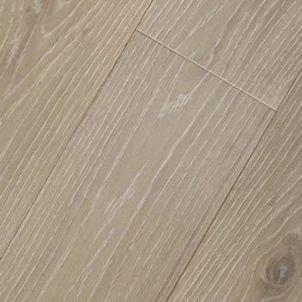
The Significance of Hardwood Flooring
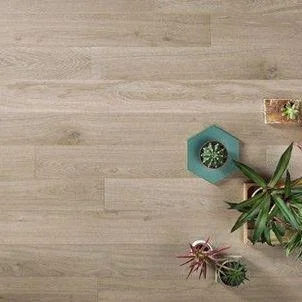
Hardwood flooring represents more than just a covering for floors; it's an investment in the long-term value and aesthetic appeal of a property. Its enduring popularity stems from its ability to seamlessly blend classic elegance with modern design sensibilities. The choice of hardwood impacts not only the visual character of a space but also the overall ambiance and comfort.
Historically, hardwood flooring has signified status and quality, often found in grand estates and public buildings. Today, while more accessible, it retains that aura of sophistication, making it a sought-after feature in both residential and commercial settings. The natural beauty of wood grain and the warm tones it offers contribute to a feeling of authenticity and well-being within a space.
FAQS
For high-traffic areas, hardwoods like oak, maple, and hickory are excellent choices due to their exceptional durability and resistance to wear. These species possess a high Janka hardness rating, indicating their ability to withstand dents and scratches. Consider a durable finish like polyurethane to further enhance protection. Regular maintenance, such as using area rugs and felt pads under furniture, will also help prolong the life of your hardwood flooring.
Preventing scratches on hardwood floors involves a multi-faceted approach. Use area rugs in high-traffic zones, place felt pads under furniture legs, and avoid wearing shoes with heels or cleats indoors. Regular sweeping and cleaning with a hardwood floor cleaner can remove abrasive particles. Consider a durable finish that offers enhanced scratch resistance, and address spills promptly to prevent staining.
Solid hardwood is milled from a single piece of wood, offering durability and refinishing potential. Engineered hardwood consists of a thin veneer of hardwood bonded to a core of plywood or fiberboard. Engineered hardwood is more stable in humid environments and can be installed over various subfloors, including concrete. However, it has limited refinishing options compared to solid hardwood.
The frequency of refinishing depends on foot traffic and wear. Generally, hardwood floors should be refinished every 7-10 years, or when the finish becomes significantly worn or damaged. Signs that refinishing is needed include deep scratches, dullness, and difficulty cleaning. Refinishing restores the wood’s beauty and protects it from further damage.
Hardwood flooring can be a sustainable choice when sourced responsibly. Look for wood certified by the Forest Stewardship Council (FSC), ensuring it comes from sustainably managed forests. Consider reclaimed wood, which repurposes wood from old buildings and structures, reducing demand for new timber. Using durable hardwood flooring also minimizes the need for replacement, lowering its environmental impact.
Regular cleaning is essential for maintaining hardwood floors. Sweep or vacuum frequently to remove dust and debris. Use a hardwood floor cleaner specifically designed for your finish type, following the manufacturer’s instructions. Avoid excessive water, as it can damage the wood. Damp mop with a microfiber cloth, and dry immediately. Avoid harsh chemicals or abrasive cleaners.
Conclusion
In conclusion, hardwood flooring represents a timeless and valuable investment, offering beauty, durability, and long-term value. From its rich history and diverse applications to its increasing sustainability and innovative technologies, hardwood flooring continues to evolve and adapt to modern needs. Understanding the core components, advantages, and challenges associated with hardwood flooring empowers consumers and professionals to make informed decisions.
As we look to the future, the industry is poised for continued growth and innovation. Embracing sustainable practices, exploring new materials, and prioritizing quality craftsmanship will be crucial for ensuring the enduring appeal of hardwood flooring. For exceptional hardwood flooring solutions and expert advice, visit our website today!

Ethan Turner
Ethan is the Marketing Director at Cangzhou Jiujiang, focusing on expanding the brand's presence in North America. With over a decade of experience in outdoor apparel marketing, Ethan leverages his knowledge to promote the company’s PU rainwear, emphasizing its BSCI and GRS certifications.
If you are interested in our products, you can choose to leave your information here, and we will be in touch with you shortly.


