
- russian
- luganda
- maithili
- maori
- marathi
- norwegian
- oromo
- persian
- polish
- portuguese
- quechua
- korean
- shona
- sindhi
- singapore
- spanish
- tamil
- thai
- turkish
- ukrainian
- urdu
- vietnamese
- english
- arabic
- aymara
- basque
- belarusian
- bengali
- cebuano
- czech
- danish
- deutsch
- dutch
- afrikaans
- filipino
- finnish
- french
- galician
- hindi
- indonesian
- irish
- italian
- japanese

Comprehensive Guide to Anti Slip Steel Plate Applications and Safety Benefits
Understanding Anti Slip Steel Plate: Applications and Benefits
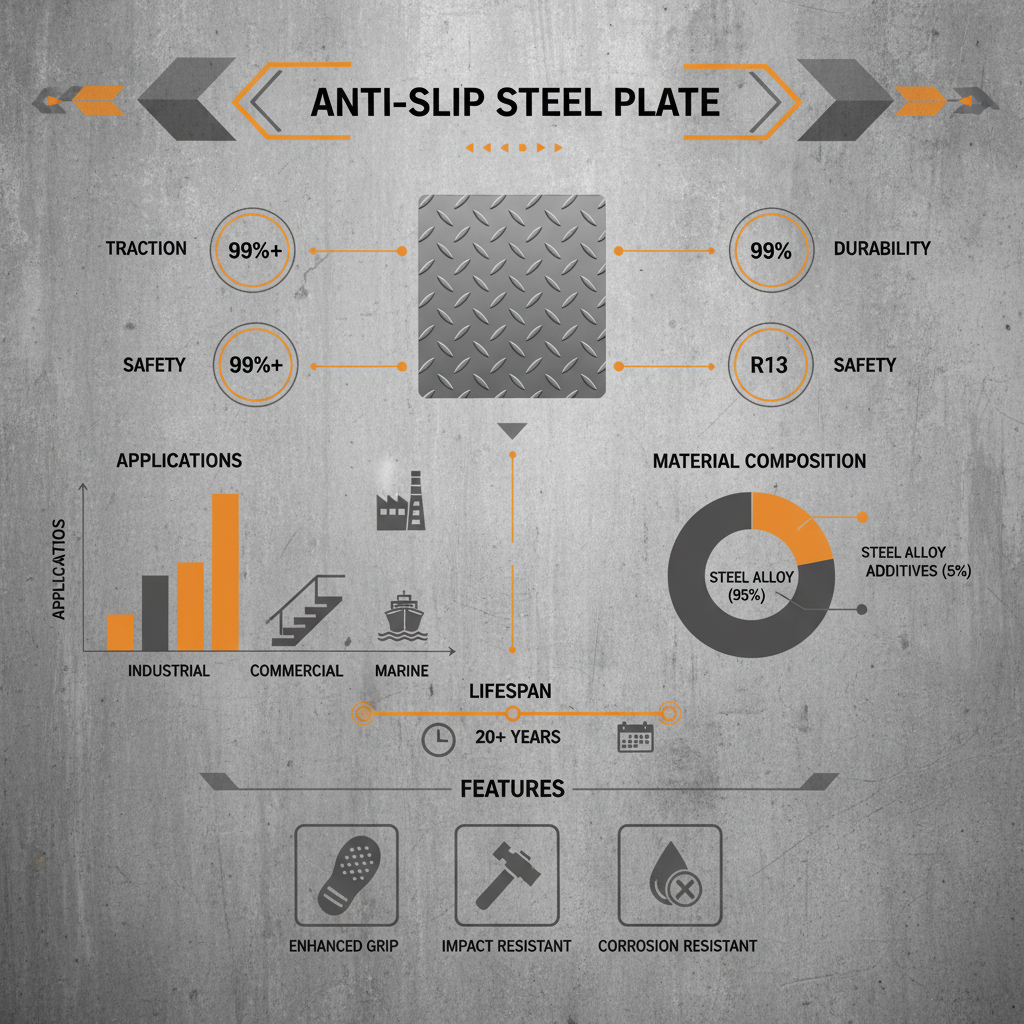
In industrial and commercial settings, safety is paramount. A critical component of workplace safety is ensuring adequate traction underfoot. This is where anti slip steel plate comes into play. These plates, also known as checkered plate or diamond plate, provide a textured surface that dramatically reduces the risk of slips and falls. This article will explore the uses, benefits, types, and considerations when selecting the right anti slip steel plate for your needs. Investing in quality steel plate is a proactive step towards a safer working environment.

The Core Benefits of Anti Slip Steel Plate
The primary benefit of anti slip steel plate is, unsurprisingly, increased safety. By providing a textured surface, it significantly enhances traction even in wet, oily, or icy conditions. This reduces the likelihood of slips, trips, and falls – a leading cause of workplace injuries. Beyond safety, these plates offer exceptional durability and can withstand heavy foot traffic and harsh environments. Furthermore, anti slip steel plate is relatively easy to install and maintain, offering a cost-effective safety solution. The material's inherent strength also contributes to the longevity of the surface it protects, reducing the need for frequent repairs or replacements.
Key Advantages: Increased safety, exceptional durability, ease of installation, and low maintenance.
Common Applications for Anti Slip Steel Plate
The versatility of anti slip steel plate makes it ideal for a wide range of applications. Some common uses include: walkways and platforms in industrial facilities, stair treads, truck beds and loading ramps, around machinery, in food processing plants (where hygiene is crucial), and in marine environments. They are also frequently used in public spaces like entryways, staircases, and around swimming pools. The robustness and slip-resistant properties make them suitable for both indoor and outdoor environments.
Application Areas:
• Industrial Walkways
• Truck Beds & Ramps
• Stair Treads
• Food Processing Facilities
• Marine Environments
Different Types of Anti Slip Steel Plate: A Comparative Overview
While generally referred to as 'anti slip steel plate,' several variations exist, each offering different levels of grip and suited for specific applications. The most common types include: Diamond Plate (the most recognizable pattern), Tread Plate (features raised longitudinal ribs), and Chequered Plate (a similar pattern to diamond plate but with more defined squares). The choice depends on the level of traction required and the aesthetic preferences. Different materials also impact performance; stainless steel provides superior corrosion resistance, while carbon steel is more cost-effective.
Selecting the Right Anti Slip Steel Plate for Your Needs
When choosing anti slip steel plate, consider factors like the environment, the level of foot traffic, and any potential exposure to corrosive substances. Stainless steel is ideal for wet or corrosive environments, while carbon steel offers a more cost-effective solution for dry indoor applications. Think about the pattern – more aggressive patterns provide greater traction but may be harder to clean. Finally, ensure the plate meets relevant safety standards and regulations for your industry. HoundaFloor offers a wide variety of options and can provide expert guidance to help you select the perfect plate for your specific needs.
Maintenance and Longevity
Maintaining anti slip steel plate is relatively straightforward. Regular cleaning with mild detergent and water is usually sufficient to remove dirt and debris. Avoid abrasive cleaners that could damage the textured surface. Periodic inspection for any signs of damage, such as cracks or dents, is also recommended. With proper care, anti slip steel plate can provide years of reliable safety and durability.
Conclusion: A Foundation for Workplace Safety
Investing in anti slip steel plate is a crucial step towards creating a safer and more productive work environment. By preventing slips and falls, you can reduce the risk of injuries, minimize downtime, and improve employee morale. HoundaFloor offers a comprehensive range of high-quality steel plates to meet your specific needs. Prioritize safety – choose a solution that delivers lasting protection and peace of mind.
Frequently Asked Questions (FAQs)
What is the difference between diamond plate and chequered plate?
Both diamond plate and chequered plate feature raised patterns for increased traction. The primary difference lies in the pattern itself. Diamond plate has a raised diamond-shaped pattern, while chequered plate features a more defined square or grid-like pattern. Diamond plate generally offers slightly better traction in some applications, while chequered plate can be easier to clean. The best choice depends on your specific needs and aesthetic preferences. Ultimately, both provide significant slip resistance compared to a flat surface.
How does the thickness of the steel plate affect its durability?
The thickness of the steel plate directly correlates to its durability and load-bearing capacity. Thicker plates are more resistant to bending, denting, and wear and tear, making them suitable for heavy-duty applications. Thinner plates may be sufficient for lighter foot traffic or decorative purposes. When selecting a plate, consider the anticipated load, the type of traffic, and the environment it will be exposed to. Choosing the correct thickness ensures long-term performance and safety.
Can anti slip steel plate be welded?
Yes, most types of anti slip steel plate can be welded, but it's crucial to use the correct welding techniques and materials. Carbon steel plates are generally easier to weld than stainless steel. Stainless steel requires specific welding procedures to maintain its corrosion resistance. It’s also important to note that welding can potentially compromise the anti-slip properties in the weld area, so proper grinding and finishing may be required after welding to restore the textured surface. Always consult with a qualified welder for optimal results.
What is the best way to clean anti slip steel plate to maintain its grip?
Regular cleaning with a mild detergent and water is the most effective way to maintain the grip of anti slip steel plate. Avoid using abrasive cleaners or harsh chemicals, as they can damage the textured surface and reduce its slip resistance. A stiff-bristled brush can help remove stubborn dirt and debris from the pattern. For oily or greasy surfaces, a degreasing agent may be necessary, followed by a thorough rinse with water. Consistent cleaning ensures the plate continues to provide optimal traction.


-

Premium China herringbone wood floor Technical Selection Guide The herringbone pattern has long been a symbol of architectural sophistication, characterized by its distinctive V-shape that adds dynamic movement and depth to any interior. When sourcing a China herringbone wood floor, professional buyers must look beyond the visual appeal to evaluate the structural integrity, material stability, and manufacturing precision that ensure long-term performance in diverse climates. In the current B2B landscape, the demand for patterned flooring is shifting toward hybrid solutions that combine the timeless look of natural timber with advanced composite technologies. This evolution is driven by the need for increased durability in high-traffic commercial zones Read More >26 Nov, 05
-

Waterproof China floating floorboards for Commercial Use Selecting a flooring solution that balances high-end architectural aesthetics with rigorous daily performance is a primary challenge for modern interior designers and commercial contractors. For those seeking the elegance of a herringbone layout without the instability of traditional hardwood, waterproof laminate options provide a strategic alternative. These engineered surfaces utilize a floating installation method, allowing the floor to expand and contract naturally without the need for permanent adhesives. By integrating a robust, waterproof HDF core with advanced wear layers, China floating floorboards offer a versatile solution for environments ranging from quiet residential bedrooms to high-traffic urban cafes. Read More >26 Nov, 02
-

Luxury Solid Wood Flooring: Answers for Material, Finish and Ordering Questions This FAQ explains the wood species, thicknesses, finishes, installation formats, moisture content, applications, and customization options available for luxury solid wood flooring from SHENYANG HOUNDA FLOOR PROCESSING CO.LIMITED. Read More >26 Nov, 02
-

Premium Quality China white oak stair treads for Luxury Stairs White oak is widely regarded as the gold standard for luxury staircases due to its exceptional hardness, tight grain structure, and timeless aesthetic. Selecting high-quality treads requires a deep understanding of both the botanical properties of the wood and the industrial precision used in their manufacture. This guide examines the technical requirements and sourcing considerations for professionals seeking premium staircase solutions. In the B2B procurement landscape, the challenge lies in balancing visual consistency with structural integrity. For contractors and designers, China white oak stair treads offer a strategic combination of European-grade precision and scaled manufacturing efficiency. Read More >26 Oct, 29
If you are interested in our products, you can choose to leave your information here, and we will be in touch with you shortly.


