
- russian
- luganda
- maithili
- maori
- marathi
- norwegian
- oromo
- persian
- polish
- portuguese
- quechua
- korean
- shona
- sindhi
- singapore
- spanish
- tamil
- thai
- turkish
- ukrainian
- urdu
- vietnamese
- english
- arabic
- aymara
- basque
- belarusian
- bengali
- cebuano
- czech
- danish
- deutsch
- dutch
- afrikaans
- filipino
- finnish
- french
- galician
- hindi
- indonesian
- irish
- italian
- japanese

Brazilian hardwood, renowned for its striking beauty and exceptional durability, has become a globally sought-after material for flooring, decking, and a variety of construction applications. Its rich colors, unique grain patterns, and inherent resistance to wear and tear make it a premium choice for both residential and commercial projects. As sustainable forestry practices gain prominence, the responsible sourcing of brazilian hardwood is increasingly crucial, driving innovation in forest management and traceability systems.
The global demand for brazilian hardwood is fueled by a growing preference for natural materials and a desire for long-lasting, aesthetically pleasing surfaces. Originating from the Amazon rainforest, species like Ipe, Cumaru, and Jatoba are prized for their density and resistance to insects, decay, and even fire. This demand, however, presents challenges related to deforestation and illegal logging, highlighting the need for certified sustainable sources and stringent regulatory oversight.
Understanding the intricacies of brazilian hardwood—from its harvesting and processing to its installation and maintenance—is paramount for architects, builders, homeowners, and conservationists alike. Properly sourced and cared for, this exceptional material can provide decades of beauty and functionality while minimizing environmental impact and supporting responsible forestry initiatives.
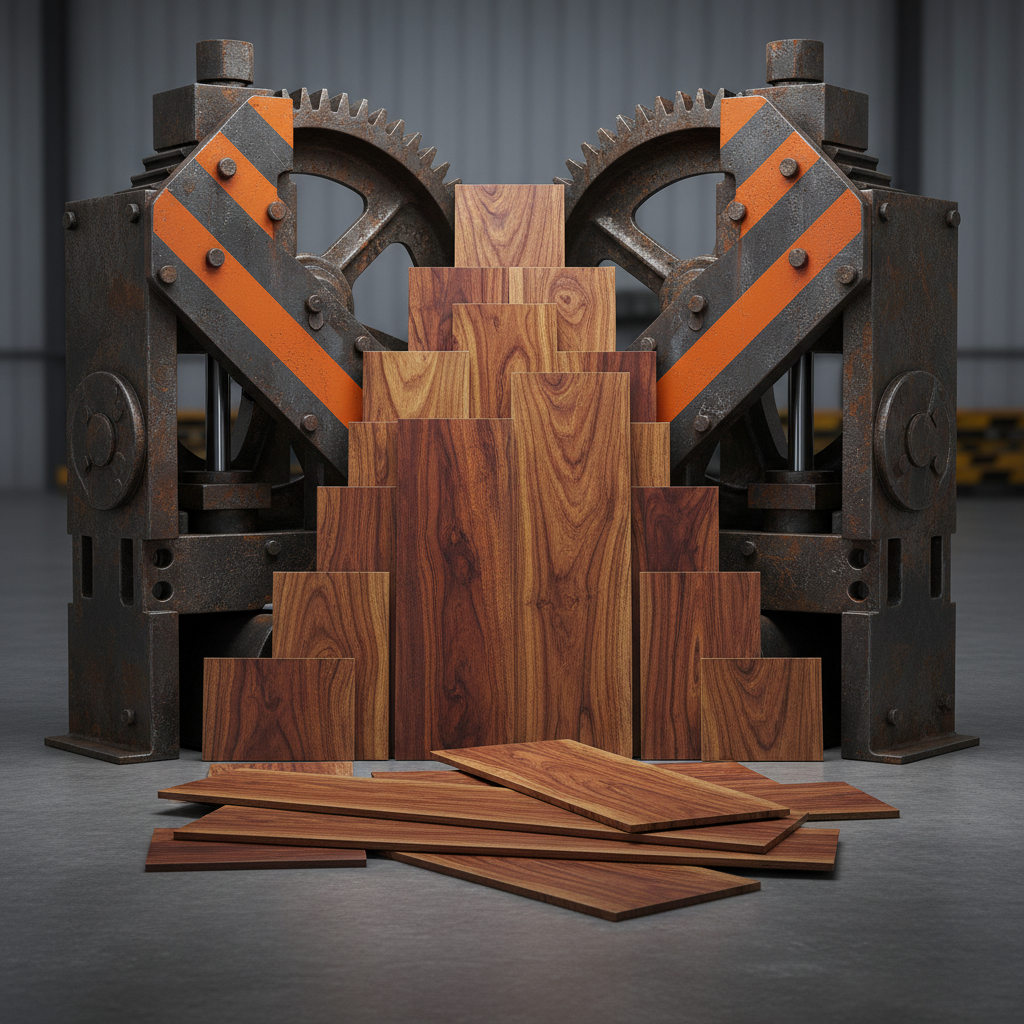
The Essence of Brazilian Hardwood

Brazilian hardwood is characterized by its exceptional density, which contributes to its remarkable durability and resistance to scratches, dents, and wear. This density also makes it naturally resistant to decay, insect infestation, and even fire, making it a preferred choice for high-traffic areas and outdoor applications. The varied color palettes, ranging from rich browns and reds to golden yellows, add to its aesthetic appeal.
The unique grain patterns of different brazilian hardwood species further enhance its visual appeal, adding a touch of natural artistry to any space. Species like Ipe, known for its deep chocolate brown tones, and Cumaru, with its reddish hues, offer distinct design options. The natural variations within each plank contribute to the authentic and organic feel that many homeowners and designers seek.
FAQS
Brazilian hardwood offers superior durability, natural beauty, and a longer lifespan compared to composite decking. While composite materials require less maintenance, they often lack the aesthetic appeal and authentic feel of natural wood. Brazilian hardwood is also more resistant to scratches and fading, maintaining its rich color for decades with minimal upkeep. Furthermore, properly sourced brazilian hardwood is a renewable resource.
The sustainability of brazilian hardwood depends on its sourcing. Choosing wood certified by the Forest Stewardship Council (FSC) ensures it comes from responsibly managed forests that prioritize conservation and reforestation. Look for suppliers committed to traceability and legal logging practices. Supporting these efforts helps protect the Amazon rainforest and its biodiversity.
Brazilian hardwood typically has a higher upfront cost than pressure-treated lumber or composite decking. However, its exceptional durability and low maintenance requirements often result in lower lifecycle costs. Because it lasts significantly longer, you’ll save money on repairs and replacements over time. It’s an investment in long-term value.
Brazilian hardwood decking requires minimal maintenance. Regular cleaning with soap and water is usually sufficient. To maintain its rich color, an oil finish can be applied every 1-2 years, depending on exposure to the elements. Occasional sanding may be needed to address minor surface wear.
Brazilian hardwood is naturally resistant to many insects and decay fungi due to its high density and natural oils. However, in some environments, preventative measures like proper drainage and ventilation can further enhance its resistance. It does not require chemical treatments to protect against these elements.
Indoors, brazilian hardwood excels in flooring, furniture making, and architectural detailing. Its durability makes it ideal for high-traffic areas, while its beautiful grain patterns add warmth and sophistication to any space. It’s particularly well-suited for kitchens, living rooms, and bedrooms where a luxurious and long-lasting surface is desired.
Conclusion
Brazilian hardwood stands out as a premium building material, offering an exceptional combination of durability, beauty, and sustainability when sourced responsibly. From its inherent resistance to the elements to its stunning aesthetic appeal, it provides long-term value for a wide range of applications, including decking, flooring, and furniture. Embracing certified sources and innovative forestry practices is crucial for ensuring the continued availability of this remarkable resource.
Looking ahead, advancements in technology and a growing commitment to environmental stewardship will further enhance the sustainability and traceability of brazilian hardwood. By choosing responsibly sourced products and supporting companies dedicated to responsible forest management, we can safeguard the Amazon rainforest and enjoy the enduring benefits of this exceptional material for generations to come. Visit our website to learn more: www.houndafloor.com

Ethan Reynolds
If you are interested in our products, you can choose to leave your information here, and we will be in touch with you shortly.


