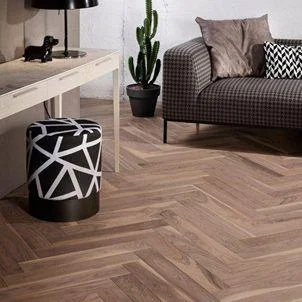

China laminate wood flooring represents a sophisticated fusion of high-density fiberboard (HDF) and high-resolution decorative layers, engineered to replicate the aesthetic of natural timber while offering superior mechanical durability. As a cornerstone of modern interior surfacing, these products are designed to withstand high-traffic environments while maintaining a consistent, luxurious appearance across large-scale installations.
For procurement managers and interior designers, the primary challenge lies in balancing initial capital expenditure with long-term lifecycle costs. Inconsistent quality in core materials and suboptimal wear layers often lead to premature delamination or swelling in humid climates, making the selection of a technically proficient manufacturer critical for project longevity.
This technical analysis explores the engineering standards of high-performance laminate flooring, evaluates the trade-offs between different core densities, and provides a procurement framework to help buyers identify sustainable, high-durability solutions that align with international building codes and environmental certifications.

1Understanding the Composition of High-Density Laminate

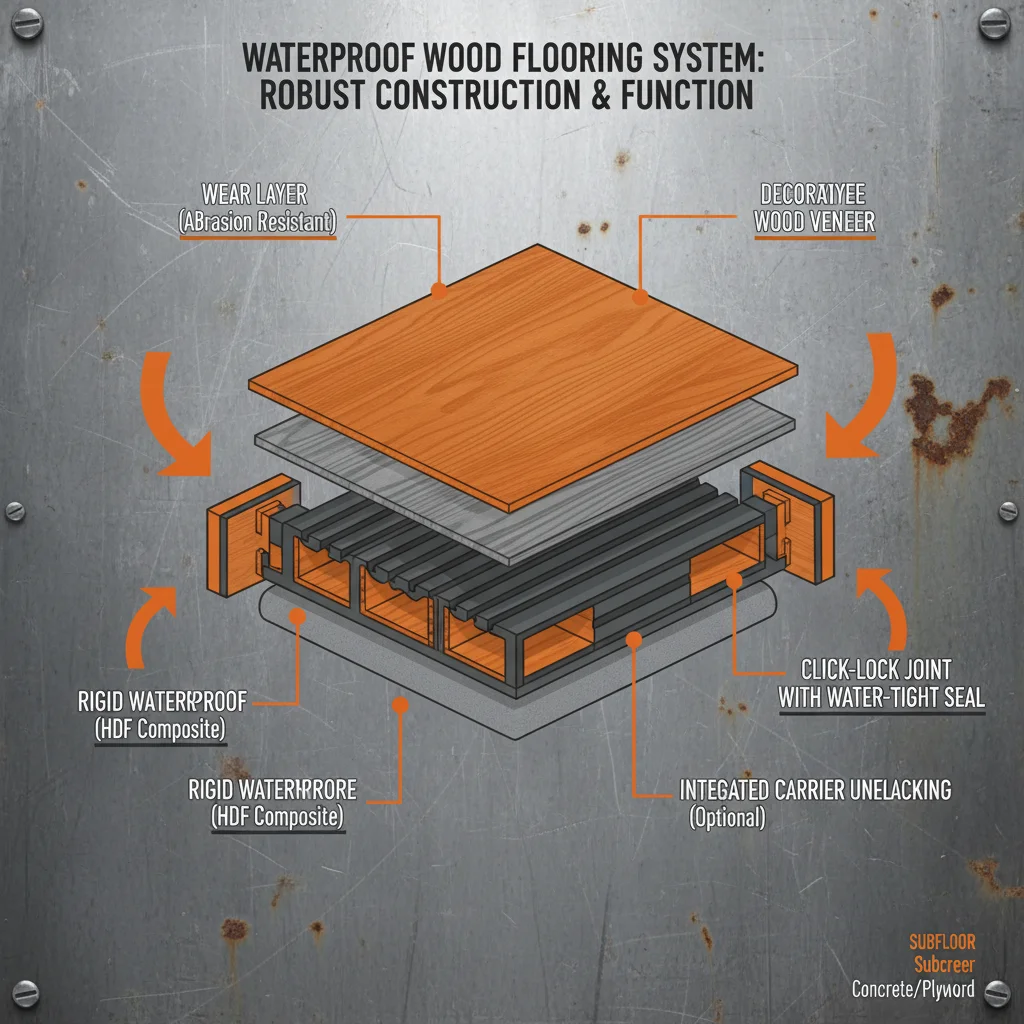
High-quality laminate flooring is a multi-layered composite. The base consists of a high-density fiberboard (HDF) core, which provides the structural integrity and dimensional stability required to prevent warping. Above the core sits the decorative paper layer, which utilizes advanced printing technology to simulate the intricate grains of Oak, Walnut, or Hickory, ensuring visual continuity across thousands of square meters.
The final protective layer is the transparent aluminum oxide wear layer. This overlay is what defines the flooring's AC (Abrasion Class) rating, determining whether the product is suitable for residential light use or heavy commercial foot traffic. The synergy between these layers prevents surface scratching while maintaining a realistic wood texture.
Understanding this structure is essential for buyers because a failure in any single layer—such as an insufficient wear layer or a low-density core—can compromise the entire installation, leading to structural failure in high-humidity zones.
2Core Technical Advantages and Material Synergy
The primary advantage of China laminate wood flooring lies in its precision engineering. Unlike natural wood, which is subject to biological irregularities, laminate offers absolute uniformity in thickness and locking mechanism dimensions. This allows for rapid installation using click-lock systems, which reduce labor costs and eliminate the need for toxic adhesives in many residential applications.
Furthermore, the integration of UV-cured coatings enhances the surface hardness and prevents discoloration from sunlight exposure. This makes laminate an ideal choice for areas with large windows or glass facades where natural solid wood would typically fade or crack over time due to UV degradation.
From a maintenance perspective, the non-porous nature of the wear layer means that spills and stains can be wiped away without penetrating the core, a significant upgrade over traditional hardwoods that require frequent sanding and refinishing.
3Optimal Application Scenarios and Environmental Limits
Laminate flooring is exceptionally versatile, performing best in residential living rooms, bedrooms, and low-to-medium traffic commercial offices. Its ability to mimic high-end hardwoods makes it a preferred choice for developers looking to increase property value without the prohibitive cost of solid timber. It provides a warm, inviting atmosphere while remaining highly functional.
However, it is critical to acknowledge the environmental limitations. While HDF is treated for stability, laminate is not waterproof in the same way as SPC (Stone Plastic Composite). In areas with constant standing water, such as bathrooms or laundry rooms, moisture can penetrate the seams and cause the HDF core to swell.
For commercial settings like boutique hotels or retail stores, selecting a high AC rating (AC4 or AC5) is non-negotiable to ensure the surface does not wear down under the friction of constant pedestrian movement and luggage wheels.
4Performance Analysis: Wear Layers and Stability
The operational lifespan of laminate flooring is directly proportional to the density of the core and the quality of the aluminum oxide overlay. High-performance variants utilize a multi-stage pressing process that ensures the core can withstand compressive loads without denting, providing a stable platform for heavy furniture.
Stability is further enhanced through the use of low-VOC resins that bind the wood fibers. This not only contributes to the structural rigidity of the plank but also ensures that the product meets strict indoor air quality standards, such as CARB Phase 2 or EPA compliance, which is vital for health-conscious projects.
China laminate wood flooring Performance Metrics
As shown in the performance metrics, precision-manufactured laminate significantly outperforms generic industry averages in wear resistance and installation efficiency. The reduction in installation time, paired with a high resistance to surface abrasion, results in a lower total cost of ownership over a 15-year cycle.
5Strategic Procurement and Quality Selection Criteria
When sourcing laminate flooring from China, buyers must look beyond the price per square meter. The most critical metric is the density of the HDF core (measured in kg/m³). A higher density indicates better moisture resistance and a lower probability of structural failure. Requesting technical data sheets that specify the core density is a prerequisite for quality assurance.
Another key procurement factor is the certification of the raw materials. Ensure the timber is sourced from FSC or PEFC certified forests. This not only ensures ecological responsibility but often correlates with better raw material quality and more stringent processing standards.
Finally, evaluate the locking system's tolerance. A high-quality lock should engage firmly without excessive force, preventing gap formation during seasonal temperature fluctuations while allowing for a seamless, flat surface across the entire room.
6Innovations in Sustainable Flooring Technology
The industry is currently shifting toward "zero-emission" flooring. This involves replacing traditional urea-formaldehyde glues with NAF (No Added Formaldehyde) adhesives. This innovation is essential for achieving LEED or WELL certifications in green building projects, as it eliminates the risk of off-gassing in enclosed residential spaces.
Technological advancements in digital printing are also allowing for "synchronized" textures, where the physical embossment of the plank perfectly matches the visual grain of the wood print. This creates a tactile experience nearly indistinguishable from real hardwood, enhancing the perceived value of the installation.
Additionally, the development of integrated acoustic underlayments is reducing the need for separate padding, streamlining the installation process and improving the sound-dampening properties of the floor in multi-story commercial buildings.
7Comparative Analysis: Laminate vs. Solid Wood vs. SPC
Selecting the right flooring requires a trade-off analysis between aesthetics, durability, and cost. While solid wood offers the highest prestige and the ability to be refinished, it is susceptible to moisture and requires significant maintenance. Laminate provides a similar look with much higher surface hardness and lower cost.
SPC (Stone Plastic Composite) is the superior choice for wet areas due to its 100% waterproof nature, but it often lacks the warmth and organic feel of a wood-based laminate. For most dry-area residential and commercial projects, laminate strikes the optimal balance.
| Feature | Laminate Flooring | Solid Wood | SPC Flooring |
|---|---|---|---|
| Water Resistance | Moderate (HDF Core) | Low (Prone to Warp) | Excellent (Waterproof) |
| Surface Hardness | High (AlOx Layer) | Low (Easily Scratched) | Very High |
| Installation Speed | Fast (Click-Lock) | Slow (Nail/Glue) | Fast (Click-Lock) |
| Aesthetic Realism | Very High (Digital) | Absolute (Natural) | Moderate |
| Maintenance | Low (Wipe Clean) | High (Sanding/Oil) | Very Low |
| Initial Cost | Competitive | Expensive | Moderate |
In conclusion, for those seeking a visually stunning, durable, and cost-effective solution for living areas and offices, China laminate wood flooring is the most pragmatic choice, provided that high-density cores and certified low-emission resins are specified.
Frequently Asked Questions
Conclusion
China laminate wood flooring offers a powerful combination of visual luxury and industrial-grade durability, making it a strategic choice for both residential and commercial interiors. By prioritizing high-density HDF cores and verified low-emission certifications, buyers can ensure a sustainable installation that minimizes maintenance while maximizing property value.
For procurement professionals and designers seeking reliable, high-performance flooring solutions that balance cost and quality, reviewing detailed technical specifications and manufacturer capabilities is essential. Further product information and technical guidance can be found at www.houndafloor.com.