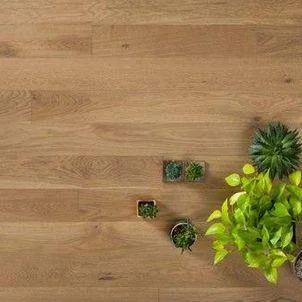
When it comes to timeless elegance and unmatched durability in interior design, solid oak wood flooring remains the gold standard for homeowners and architects alike. Unlike engineered alternatives, solid oak is crafted from a single piece of timber, offering a depth of character and a structural integrity that enhances the value of any property. Its natural grain patterns and warm hues create an inviting atmosphere that transcends fleeting design trends.
Globally, the demand for high-quality hardwoods has surged as people shift toward sustainable, long-term investments for their living spaces. The versatility of oak allows it to blend seamlessly into various architectural styles, from the rustic charm of a country farmhouse to the sleek minimalism of a modern metropolitan penthouse. By choosing a natural material, users not only improve the aesthetics of their home but also benefit from the hypoallergenic properties of genuine wood.
Understanding the nuances of solid oak wood flooring—from its harvesting and curing process to its long-term maintenance—is essential for maximizing its lifespan. Whether you are renovating a historic estate or building a new contemporary home, investing in solid oak ensures a legacy of quality that can be passed down through generations, provided the right installation and care protocols are followed.
The Global Appeal of Solid Oak Wood Flooring
The global market for solid oak wood flooring is driven by a universal appreciation for organic materials and a growing emphasis on sustainable luxury. According to international trade data and ISO standards for timber products, oak remains one of the most sought-after hardwoods due to its density and resistance to wear. In regions like North America and Europe, where traditional craftsmanship is highly valued, solid oak is often the first choice for high-traffic residential areas.
However, the industry faces the challenge of balancing high demand with ecological responsibility. The shift toward FSC-certified (Forest Stewardship Council) oak ensures that the beauty of these floors does not come at the cost of deforestation. By implementing rigorous sustainable harvesting practices, manufacturers are able to provide a product that meets the luxury needs of the modern consumer while preserving the world's forest ecosystems for future generations.
Defining the Essence of Solid Oak Wood Flooring
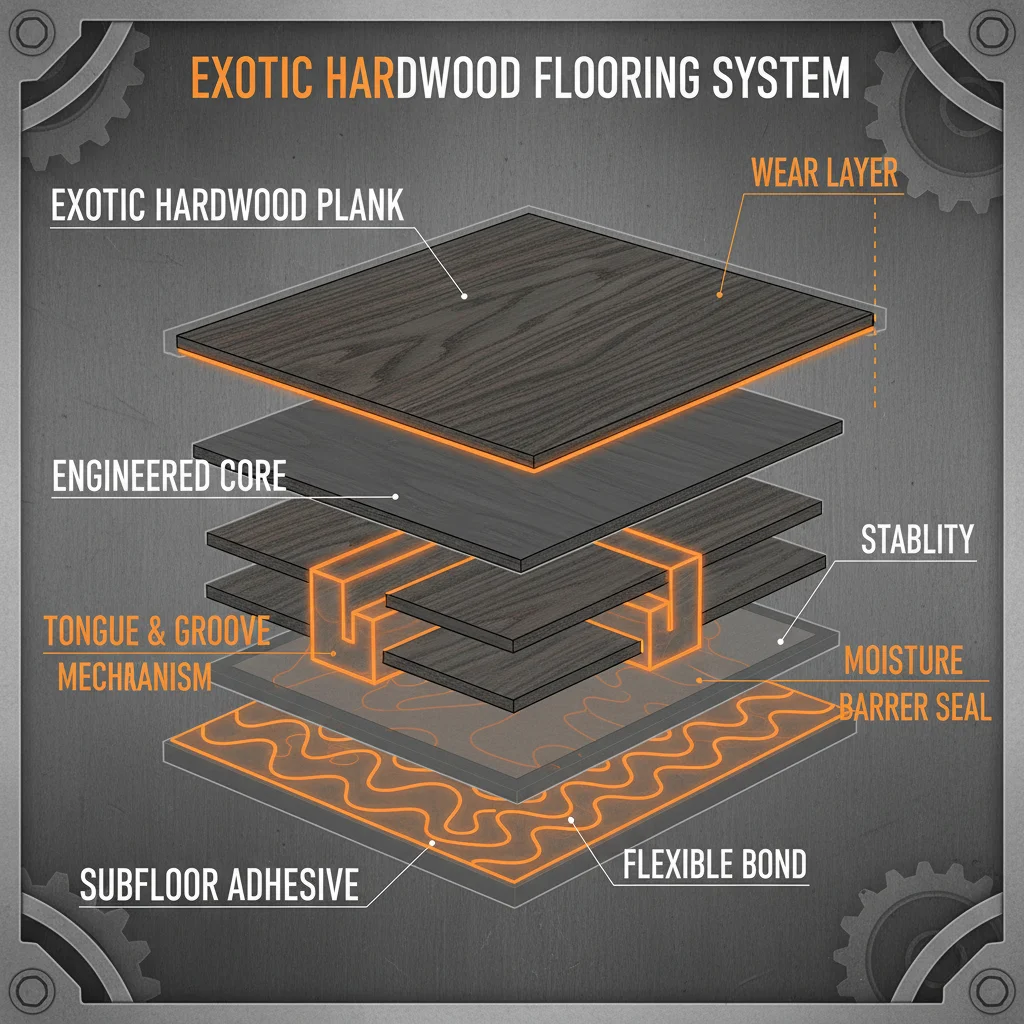
At its core, solid oak wood flooring consists of planks that are carved from a single piece of oak timber from top to bottom. Unlike engineered wood, which uses a layered construction of plywood or HDF topped with a veneer, solid oak offers a uniform composition. This inherent structure allows the floor to be sanded and refinished multiple times over several decades, making it a permanent fixture of the home rather than a temporary covering.
From an industry perspective, the "solid" nature of these planks represents a commitment to authenticity. In an era of synthetic mimics and laminate flooring, the tactile warmth and natural scent of real oak provide a psychological sense of stability and connection to nature. This alignment with "biophilic design"—the practice of incorporating natural elements into built environments—has made solid oak essential for creating spaces that promote mental well-being and tranquility.
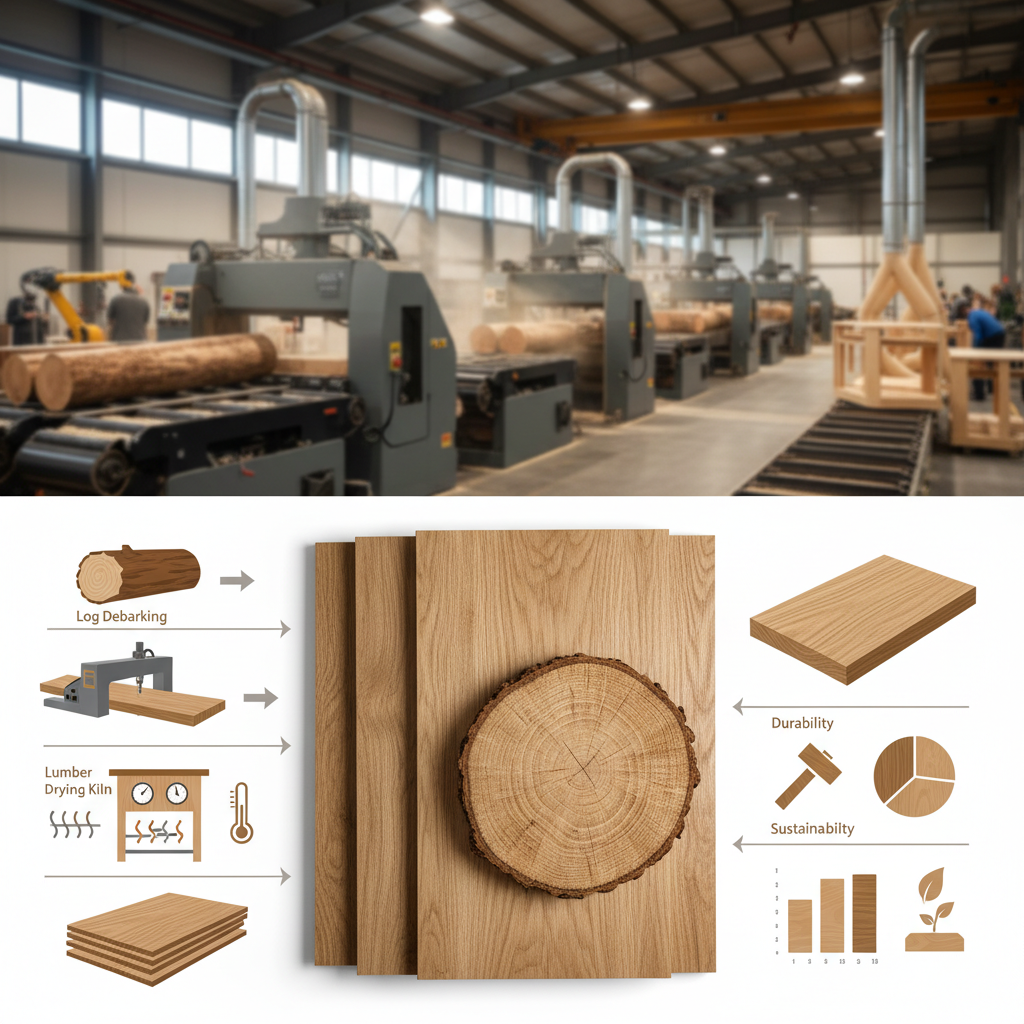
Furthermore, the technical definition of quality oak flooring involves the moisture content and the grade of the wood. Whether it is European White Oak or American Red Oak, the process of kiln-drying is critical to ensure the wood is stable enough to resist warping in various climates. This marriage of natural growth and industrial precision is what allows solid oak to perform reliably in diverse environments across the globe.
Core Components of Premium Oak Flooring
The durability of solid oak wood flooring is rooted in its high Janka hardness rating. Because oak is a dense hardwood, it can withstand the impact of heavy furniture and the daily friction of foot traffic far better than softer woods like pine or maple. This structural resilience makes it an ideal choice for family homes where longevity is a priority.
Another critical component is the grain structure. The radial (quarter-sawn) and tangential (plain-sawn) cuts of solid oak wood flooring determine the visual pattern—ranging from straight lines to sweeping cathedrals. This versatility allows designers to manipulate the mood of a room, using wider planks for a rustic feel or narrower strips for a formal, traditional aesthetic.
Finally, the finishing process acts as the protective skin of the floor. Whether utilizing UV-cured oils, polyurethane, or natural waxes, the finish prevents moisture penetration and protects the wood from stains. High-end solid oak wood flooring utilizes multi-stage finishing to ensure that the natural beauty of the oak is highlighted while providing a barrier against the wear and tear of daily life.
Performance Metrics and Durability Factors
When evaluating the performance of solid oak wood flooring, industry experts look at several key metrics including dimensional stability, abrasion resistance, and thermal insulation. Solid oak naturally regulates indoor temperatures, feeling warm underfoot during winter and cool during summer, which adds to the energy efficiency of a home.
To better understand how different types of oak treatments perform, we can examine their comparative ratings in terms of hardness, moisture resistance, and aesthetic longevity. This data helps homeowners decide whether a matte oil finish or a high-gloss lacquer is better suited for their specific lifestyle needs.
Performance Comparison of Solid Oak Wood Flooring Finishes
Global Applications and Use Cases
The application of solid oak wood flooring extends far beyond simple residential bedrooms. In high-end commercial sectors, such as luxury boutiques in Paris or corporate headquarters in New York, solid oak is used to signal prestige and reliability. Its ability to be customized through staining allows it to fit any corporate branding, from deep walnuts to pale, Scandinavian whites.
In historical restoration projects across Europe, solid oak is often the only material permitted to maintain the architectural integrity of heritage sites. From centuries-old libraries to government palaces, the use of authentic oak ensures that the restoration is sympathetic to the original build, providing a seamless blend of antiquity and modern durability.
The Long-Term Value of Genuine Hardwood
Investing in solid oak wood flooring is widely recognized as a strategic financial move in real estate. Unlike carpets or laminates that depreciate and require replacement every 5-10 years, solid oak appreciates in perceived value. Potential buyers often view genuine hardwood as a mark of a high-quality build, which can significantly increase the resale value of a property.
Beyond the financial aspect, there is an emotional value tied to the longevity of oak. A solid oak floor develops a "patina" over time—a unique character that reflects the history of the home. This creates a sense of dignity and trust in the environment, knowing that the materials underfoot are honest, natural, and built to last for a century.
Sustainability also plays a key role in its long-term value. As the world moves away from plastic-based flooring, the biodegradable nature of oak becomes a massive advantage. By choosing a renewable resource that lasts for generations, homeowners reduce their overall environmental footprint and contribute to a circular economy.
Future Trends in Oak Flooring Innovation
The future of solid oak wood flooring is being shaped by digital transformation and green chemistry. We are seeing the rise of "Smart Flooring" concepts where sensors are integrated beneath the oak planks to monitor room temperature or detect leaks, blending traditional materials with IoT technology without compromising the surface's natural look.
Innovation is also occurring in the realm of finishes. New bio-based resins and VOC-free coatings are making oak floors even healthier for indoor air quality. These advancements ensure that the flooring is not only beautiful and durable but also completely non-toxic, catering to the increasing demand for "wellness-certified" building materials.
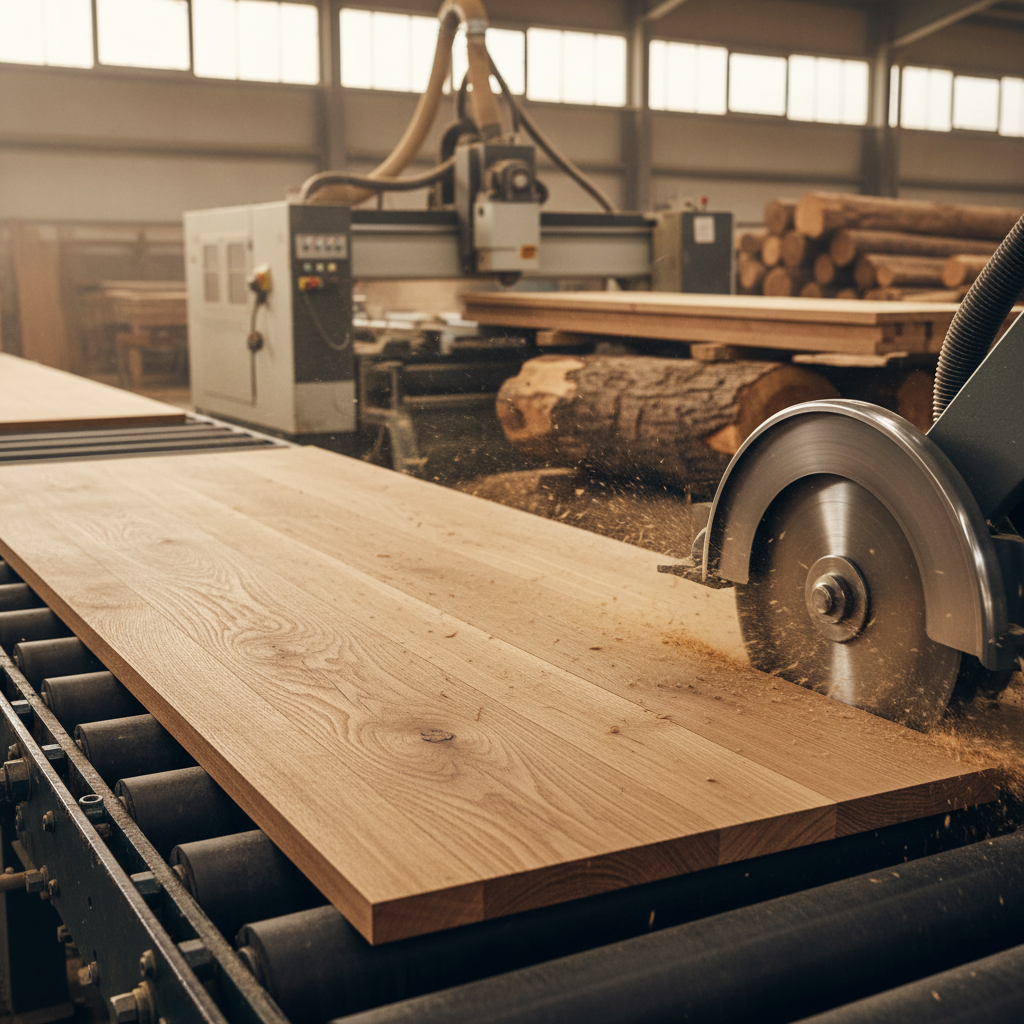
Furthermore, automation in the milling process is allowing for higher precision in tongue-and-groove joints, resulting in tighter seams and easier installation. This reduction in labor costs and installation errors is making premium solid oak more accessible to a wider range of consumers globally.
Comparison of Modern Oak Flooring Innovations
| Innovation Category |
Technical Improvement |
Sustainability Impact |
User Benefit |
| Bio-Based Coatings |
Plant-derived resins |
Zero VOC emissions |
Healthier air quality |
| Precision Milling |
CNC-guided joints |
Reduced wood waste |
Faster installation |
| Smart Integration |
Under-floor sensors |
Energy efficiency |
Automated climate control |
| FSC+ Traceability |
Blockchain tracking |
Anti-deforestation |
Ethical peace of mind |
| Thermal Treatment |
Modified cell structure |
Longer lifespan |
Higher moisture resistance |
| Hybrid-Finish |
Nano-ceramic layers |
Reduced chemical use |
Extreme scratch resistance |
FAQS
The primary advantage is longevity and authenticity. Solid oak consists of a single piece of wood, meaning it can be sanded and refinished numerous times over many decades. Engineered wood has a thin veneer that can only be sanded once or twice. Additionally, solid oak typically offers a higher resale value for the home and a more natural aesthetic that ages gracefully.
Regular cleaning with a damp (not wet) microfiber mop and a pH-neutral cleaner is essential. Avoid harsh chemicals or steam cleaners, as excessive moisture can cause the wood to warp. We also recommend using felt pads under furniture and area rugs in high-traffic zones to prevent scratches, and professional sanding/refinishing every 10-15 years.
Yes, but it requires careful planning. Because solid oak is more susceptible to expansion and contraction due to heat than engineered wood, it is crucial to use a low-temperature heating system and ensure the wood is properly acclimated to the room. We recommend consulting a professional installer to ensure the moisture levels are balanced to prevent gaps.
Generally, solid oak is not recommended for full bathrooms due to high humidity and direct water contact, which can lead to cupping or rotting. However, it can be used in powder rooms or dry areas if a high-grade moisture-resistant sealant is applied and ventilation is excellent. For wet areas, SPC or laminate is a safer choice.
White Oak is generally more water-resistant and has a cooler, more neutral tone with a straight grain. Red Oak has a warmer, reddish-pink hue and a more prominent grain pattern. White Oak is currently more popular in modern and coastal designs, while Red Oak is a staple of traditional American and European interiors.
Look for the FSC (Forest Stewardship Council) logo on the product packaging or request a chain-of-custody certificate from your supplier. FSC certification guarantees that the oak was harvested from responsibly managed forests that provide environmental, social, and economic benefits, ensuring your luxury floor is also eco-friendly.
Conclusion
In summary, solid oak wood flooring represents the pinnacle of flooring solutions, combining timeless aesthetic appeal with unmatched structural durability. From its ability to be refinished over generations to its capacity to increase property value, solid oak is more than just a surface—it is a lifelong investment in quality and sustainability. By balancing traditional craftsmanship with modern innovations like bio-coatings and precision milling, it remains the most reliable choice for those seeking a home environment that is both luxurious and enduring.
Looking ahead, the integration of sustainable forestry and smart-home technology will only enhance the appeal of genuine hardwood. We encourage homeowners and designers to prioritize certified sources and professional installation to ensure their floors stand the test of time. Embrace the warmth and stability of nature in your living space today. For premium solutions and expert guidance, visit our website: www.houndafloor.com