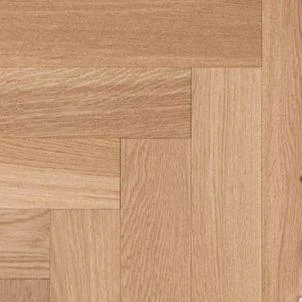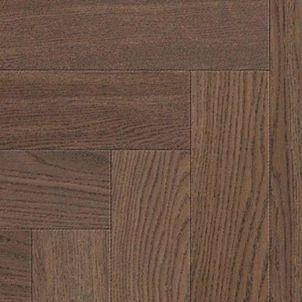
herringbone laminate
0%

Table of Contents

Choosing the right flooring is a pivotal decision for any homeowner or commercial developer, and the floating hardwood floor has emerged as a revolutionary solution that bridges the gap between luxury and practicality. Unlike traditional nail-down methods, this installation technique allows the floor to "float" over a subfloor, providing a flexible yet stable surface that adapts to the natural movements of wood.

Globally, the demand for high-quality interior finishes is rising, driven by a shift toward sustainable living and the desire for rapid home renovation. The floating system eliminates the need for permanent adhesives or fasteners, making it an attractive option for those who value efficiency without compromising on the timeless aesthetic of real hardwood.

Understanding the nuances of this flooring type is essential for maximizing the lifespan of your investment. From moisture management to the selection of underlayment, the right approach to a floating hardwood floor ensures a seamless blend of durability, sound insulation, and unmatched visual appeal.
floating hardwood floor

Global Relevance of Floating Hardwood Floor
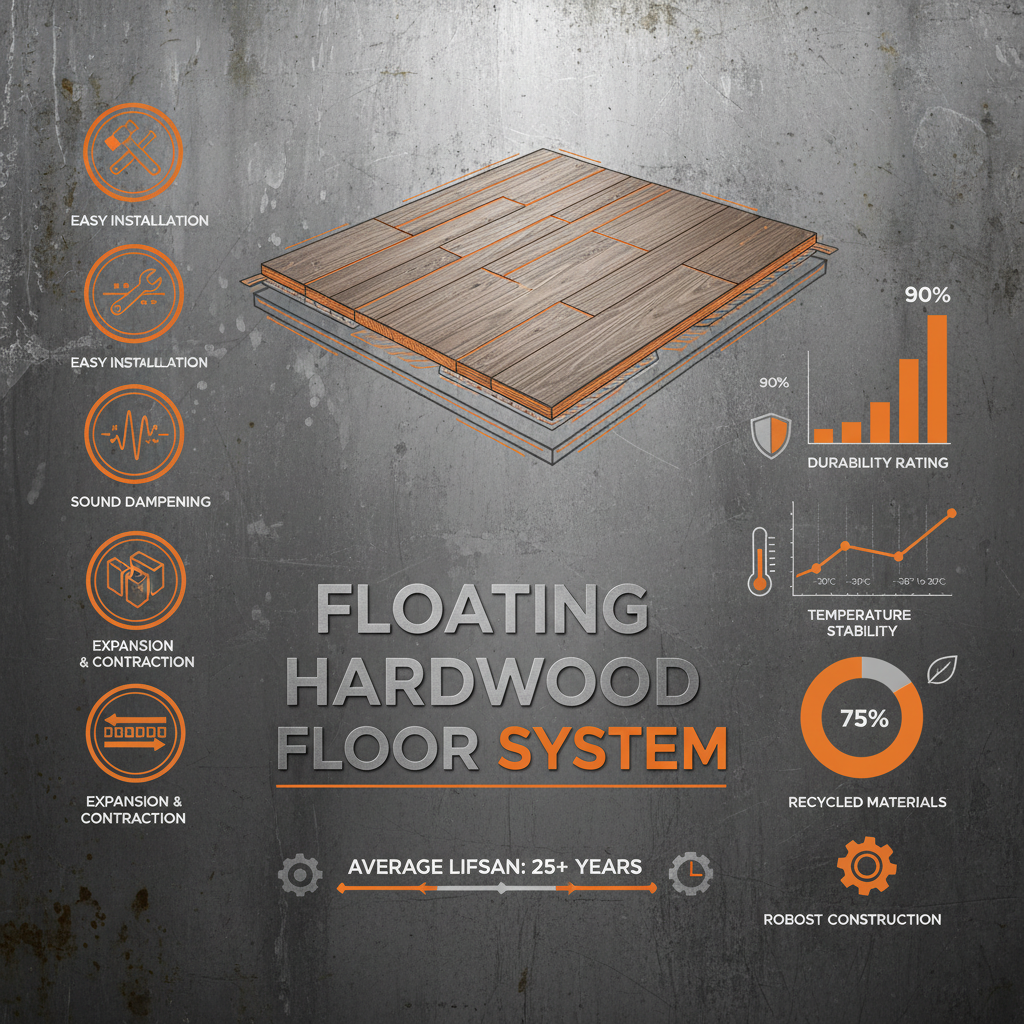
floating hardwood floor

In the contemporary architectural landscape, the floating hardwood floor represents a significant shift toward modularity and adaptability. According to international construction trends and ISO standards for building materials, there is a marked increase in the adoption of "dry-fix" systems. This trend is largely driven by the need to reduce construction timelines and minimize the environmental impact associated with toxic adhesives.

The challenge the industry faced for decades was the inherent volatility of wood—its tendency to expand and contract with humidity. Traditional gluing often led to buckling or cracking. The floating method solves this by allowing the entire floor mass to move as a single unit, making it globally relevant for regions with extreme seasonal temperature swings, from the humid tropics to the dry northern climates.

Defining the Floating Hardwood Floor Mechanism

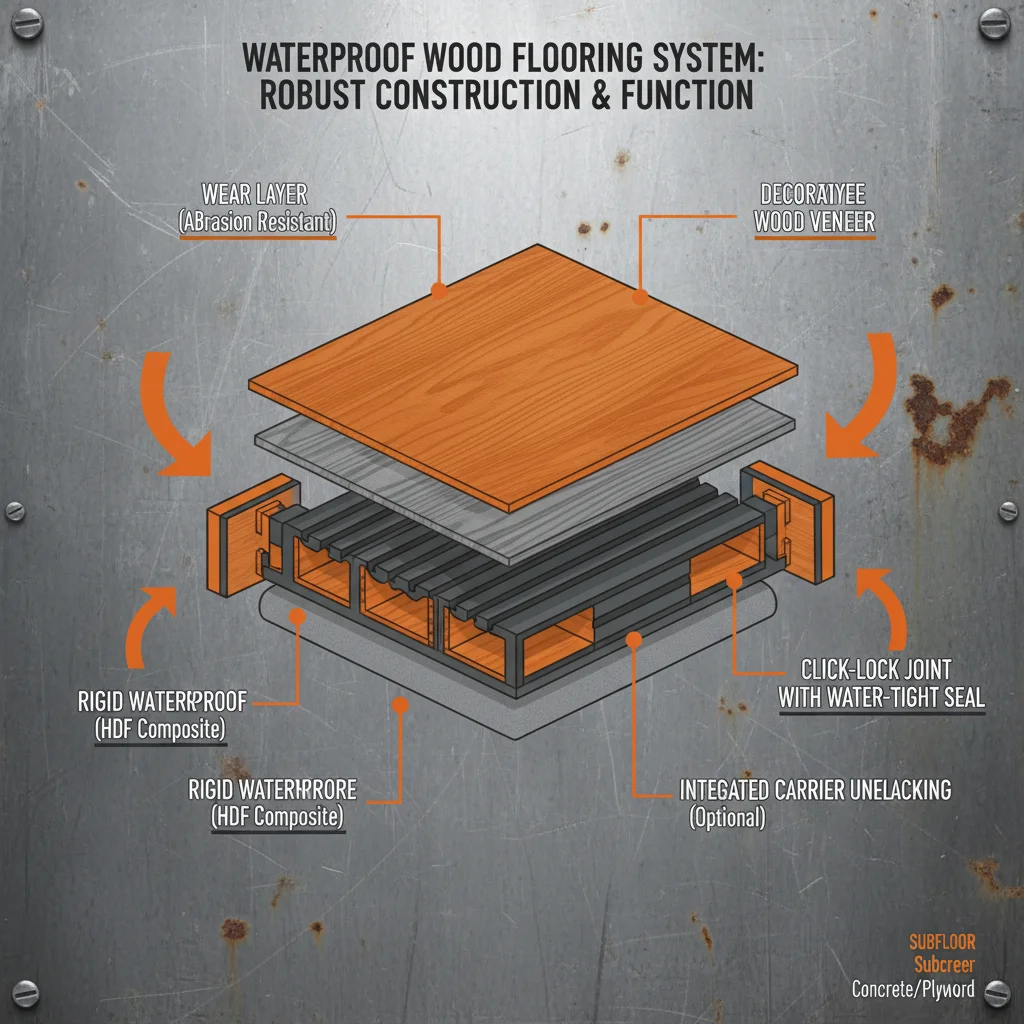
At its core, a floating hardwood floor is a flooring system that is not permanently attached to the subfloor. Instead, the planks are locked together using a tongue-and-groove or click-lock system, creating a cohesive surface that rests atop a foam or felt underlayment. This separation from the foundation is what gives the floor its "floating" characteristic.

This mechanism is deeply connected to modern industry needs for versatility. In an era where rental properties and flexible office spaces are the norm, the ability to install a high-end wood floor without damaging the original concrete or plywood subfloor is invaluable. It allows for easier removal and replacement, aligning with the circular economy's goal of material reuse.

From a humanitarian and urban development perspective, this technology enables the rapid upgrading of aging housing stocks. By removing the labor-intensive process of sanding and nailing, developers can provide dignified, high-quality living environments in a fraction of the time, significantly lowering the barrier to entry for sustainable home improvements.

Core Components for Maximum Stability

The structural integrity of a floating hardwood floor depends heavily on the quality of the locking mechanism. Precision-engineered joints ensure that gaps do not form over time, maintaining a watertight seal that protects the underlayment from spills and debris.

The underlayment is the unsung hero of the system. Whether using high-density foam, cork, or specialized rubber, the underlayment provides the necessary cushioning to absorb impact and sound. For a floating hardwood floor, the underlayment also acts as a critical moisture barrier, preventing ground dampness from warping the wood planks.

Expansion gaps are the final critical component. By leaving a small perimeter of space around the walls, the floor can expand and contract naturally. This prevents the tension that typically leads to "peaking" or "cupping," ensuring the long-term flatness and beauty of the installation.

Economic and Practical Performance Metrics

When comparing different installation methods, the floating hardwood floor consistently outperforms traditional methods in terms of installation speed and labor costs. The reduction in specialized tool requirements means that both professionals and skilled DIYers can achieve high-quality results.

Beyond labor, the versatility of the materials—ranging from engineered oak to luxury laminate—allows users to balance their budget with their aesthetic goals. The following data illustrates how different floating configurations perform across key industry metrics.

Performance Analysis of Floating Hardwood Floor Variants

Global Applications and Residential Use Cases

In real-world applications, the floating hardwood floor is the preferred choice for multi-story residential buildings. Because it does not require gluing to the concrete slab, it is ideal for apartments and condominiums where sound transmission between floors is a major concern; the underlayment provides a natural acoustic break.

Beyond the home, we see this technology applied in boutique hotels and retail spaces. In remote industrial zones or rapidly developing urban hubs, where the subfloor might be uneven or inconsistent, the floating system's ability to mask minor imperfections makes it a reliable and aesthetically superior choice.

Long-Term Value and Sustainability Benefits

The long-term value of a floating hardwood floor extends beyond the initial cost savings. Because the installation is non-destructive, the original subfloor remains intact. This means that in twenty years, the floor can be lifted and replaced without the need for grueling demolition, drastically reducing construction waste.

From an emotional standpoint, the warmth and texture of wood provide a sense of dignity and comfort to a living space. The psychological impact of natural materials is well-documented, contributing to lower stress levels and increased well-being. By making luxury wood finishes accessible through floating technology, more people can experience these benefits.

Sustainability is further enhanced through the use of FSC-certified woods and recycled underlayment materials. The industry is moving toward a "closed-loop" system where old floating planks can be refurbished and re-installed, ensuring that the beauty of nature is preserved for future generations.

Future Innovations in Flooring Technology

The future of the floating hardwood floor lies in the integration of smart materials. We are seeing the emergence of "self-healing" coatings that can repair micro-scratches through heat activation, ensuring that the pristine look of the floor lasts for decades without constant refinishing.

Digital transformation is also playing a role, with AR (Augmented Reality) tools allowing homeowners to visualize floating installations in real-time. Furthermore, the industry is experimenting with carbon-negative wood composites that sequester more CO2 than they emit during production, turning floors into active environmental assets.

Automation in manufacturing is increasing the precision of the click-lock systems, reducing the tolerance for error to microns. This means future installations will be even faster and more stable, potentially allowing for "snap-in" flooring that can be installed in hours rather than days.

Comparative Analysis of Floating Hardwood Floor Material Technologies

Material Type Wear Resistance (1-10) Installation Ease Environmental Impact
Engineered Oak 8 High Low (FSC Certified)
High-Pressure Laminate 10 Very High Moderate
SPC Wood-Effect 9 High Moderate
Bamboo Floating 7 Moderate Very Low
Walnut Engineered 7 High Low
Hybrid Wood Composite 8 High Low (Recycled)

FAQS

What makes a floating hardwood floor different from traditional installation?

The primary difference is the lack of permanent attachment. Traditional floors are nailed or glued directly to the subfloor, while a floating floor relies on an interlocking system and rests on an underlayment. This allows the floor to expand and contract without stressing the materials, making installation faster and removal non-destructive.

Can I install floating hardwood floors over existing tile or concrete?

Yes, one of the biggest advantages of the floating system is its ability to be installed over most existing hard surfaces. As long as the subfloor is level and dry, you can lay your underlayment and planks directly over tile or concrete, saving the time and cost of demolition.

Do floating floors feel "hollow" compared to glued-down floors?

Some users notice a slight difference in sound, but this is easily managed with high-quality underlayment. By choosing a denser underlayment, such as cork or rubber, you can eliminate the hollow sound and actually improve the acoustic properties of the room compared to traditional hardwood.

How do I handle moisture in a floating hardwood installation?

Moisture is managed through two primary means: a high-quality moisture-barrier underlayment and proper expansion gaps. The barrier prevents ground moisture from reaching the wood, while the gaps around the perimeter ensure that humidity-induced expansion doesn't cause the floor to buckle.

Are floating hardwood floors durable enough for high-traffic areas?

Absolutely. When you choose engineered floating options or high-quality laminates, the wear layer is designed specifically for high traffic. Because they aren't pinned down, they can actually absorb more impact energy, which in some cases prevents the surface from cracking under heavy loads.

Can a floating hardwood floor be refinished like solid wood?

It depends on the product. Solid-core engineered floating floors with a thick wear layer can be refinished once or twice. However, laminate floating floors cannot be sanded. Always check the "wear layer" thickness (measured in mm) before purchasing if refinishing is a long-term goal.

Conclusion

The floating hardwood floor represents the perfect intersection of traditional aesthetics and modern engineering. By solving the age-old problem of wood expansion and reducing the labor intensity of installation, it has democratized luxury flooring for millions. From its essential components like high-performance underlayments to its sustainable, non-destructive lifecycle, this system provides an unmatched balance of efficiency and elegance.

Looking ahead, as smart materials and carbon-negative production become the industry standard, floating floors will continue to evolve into an essential component of green building. Whether you are renovating a family home or designing a commercial space, we recommend prioritizing high-density locking systems and eco-certified materials to ensure a lifetime of beauty. Explore our premium collections and find your perfect match today. Visit our website: www.houndafloor.com
David Miller

David Miller

David Miller is Hounda's North American Sales Director, bringing over 15 years of experience in the flooring industry. Prior to joining Hounda in 2022, David held leadership positions at leading flooring distributors like Shaw Industries and Mohawk. He’s a strong advocate for sustainable building practices and is passionate about bringing innovative flooring solutions to the US market. David focuses on expanding Hounda’s presence within the commercial sector, specifically targeting hospitality and multi-family residential projects. He holds a Bachelor's degree in Business Administration from the University of Texas at Austin and frequently speaks at industry conferences on flooring trends and market analysis.
Previous Luxury Brazilian Cherry Hardwood Flooring Guide for Home Design
Next Premium Hardwood Stairs Guide for Home Value and Elegance

If you are interested in our products, you can choose to leave your information here, and we will be in touch with you shortly.