herringbone laminate
0%

Table of Contents

Solid maple flooring stands as a testament to enduring quality and timeless beauty in the world of interior design. Globally, the demand for hardwood flooring, and specifically maple, continues to rise, driven by factors such as increasing disposable incomes, a growing preference for natural materials, and a renewed focus on home improvement.  Its inherent strength and durability make it a sustainable choice, contributing to long-term value and reducing the environmental impact associated with frequent replacements.        

       The versatility of solid maple flooring allows it to seamlessly integrate into a wide range of architectural styles, from classic and traditional to modern and minimalist. This adaptability, coupled with its ability to enhance a home's aesthetic appeal and increase its resale value, positions it as a premier flooring option for homeowners and builders alike. The inherent warmth and inviting texture of maple contribute significantly to creating comfortable and visually appealing living spaces.        

       Understanding the nuances of solid maple flooring – from its grading and finishing options to proper installation and maintenance – empowers consumers and professionals to make informed decisions, maximizing its lifespan and enjoying its inherent benefits.  Choosing wisely ensures not just a beautiful floor, but an investment in lasting quality.
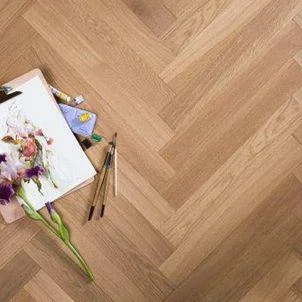
   

The Essence of Solid Maple Flooring
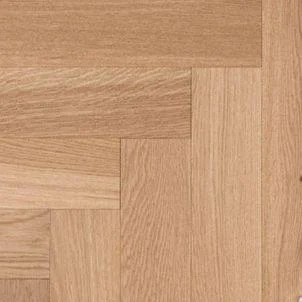
           

Solid maple flooring, crafted from a single piece of maple wood, represents a classic and highly sought-after flooring solution.  Its inherent strength and beauty stem from the maple tree itself – a hardwood renowned for its durability and attractive grain patterns.  Properly sourced and meticulously finished, solid maple flooring delivers a lifetime of elegance and functionality.            

           The appeal of solid maple flooring extends beyond aesthetics. It contributes to healthier indoor air quality compared to some synthetic alternatives, and its natural composition aligns with the growing demand for sustainable building materials. Choosing solid maple is a commitment to both quality and environmental responsibility.

Global Relevance and Market Trends

The global hardwood flooring market is experiencing consistent growth, with North America and Europe traditionally being the largest consumers.  However, emerging economies in Asia-Pacific, particularly China and India, are demonstrating increasingly strong demand due to rising urbanization and improved living standards. This growth is fueled by the perception of hardwood flooring as a premium product and a symbol of prosperity.        

       Statistics from organizations like the National Wood Flooring Association (NWFA) and the Forest Stewardship Council (FSC) indicate a sustained interest in responsibly sourced hardwoods. Consumers are becoming more aware of the origins of their flooring and prioritize products certified by sustainable forestry practices.  This trend is driving manufacturers to adopt more eco-friendly production methods and transparency in their supply chains.        

       One challenge facing the industry is the volatility of lumber prices, influenced by factors such as tariffs, transportation costs, and environmental regulations. This impacts the affordability of solid maple flooring and necessitates careful supply chain management by manufacturers and distributors to mitigate price fluctuations.

Defining Solid Maple Flooring

Solid maple flooring is precisely what its name suggests: flooring constructed from solid pieces of maple wood, typically cut from the heartwood of the tree. Unlike engineered hardwood, which consists of a thin veneer of wood adhered to a plywood core, solid maple offers a consistent wood structure throughout its thickness. This results in superior durability and allows for multiple refinishing cycles over its lifespan.

Its connection to modern industry lies in the sophisticated milling and finishing techniques employed to transform raw maple lumber into a premium flooring product. Sustainable forestry practices ensure a responsible supply, while advances in surface treatments enhance its resistance to wear, scratches, and moisture. This integration of traditional craftsmanship with modern technology defines the contemporary solid maple flooring market.

The grading of maple flooring – ranging from clear to rustic – determines the aesthetic character and price point. Clear grades feature minimal knots and color variations, while rustic grades embrace the natural imperfections of the wood, offering a more organic and textured appearance. This variety allows consumers to select a flooring style that perfectly complements their design preferences.

Key Characteristics of Solid Maple

The appeal of solid maple flooring centers around several key attributes. First, its **hardness** provides exceptional resistance to dents and scratches, making it ideal for high-traffic areas and homes with pets. Second, its **stability** ensures it won't easily warp or buckle with changes in humidity and temperature when properly installed.        

       Third, maple's **grain pattern** is visually appealing, offering a subtle and elegant aesthetic that complements a wide range of interior styles. Fourth, its **refinishability** allows for repairs and aesthetic updates, extending its lifespan significantly. Fifth, the **value** provided – combining durability, beauty and longevity – makes it a worthwhile investment.  Finally, maple is a relatively **sustainable** material, particularly when sourced from responsibly managed forests.

Solid Maple Flooring Performance Metrics

Applications of Solid Maple Flooring Worldwide

Solid maple flooring finds widespread application in residential construction, adorning homes across North America, Europe, and increasingly, Asia. Its warm tone and natural beauty make it a popular choice for living rooms, bedrooms, and dining areas. The growing trend towards open-concept living spaces further enhances the visual impact of solid maple.        

       Beyond residential settings, solid maple flooring is utilized in commercial spaces, including offices, retail stores, and boutique hotels. Its durability and ability to withstand high foot traffic make it a practical and aesthetically pleasing solution for these environments. In schools and community centers, its resilience and ease of maintenance are particularly valued.        

       Even in specialized applications, such as dance studios and gymnasiums, solid maple flooring provides a stable and supportive surface.  The consistent density and smooth finish contribute to optimal performance and safety.  The demand for ethically sourced solid maple flooring is growing in regions with strict environmental regulations, like Germany and Scandinavia.

Long-Term Advantages and Value Proposition

The long-term advantages of investing in solid maple flooring are substantial. Its inherent durability translates to a longer lifespan compared to many other flooring materials, reducing the frequency and cost of replacements. Furthermore, its refinishability allows for multiple restoration cycles, extending its useful life even further.        

       From a sustainability perspective, solid maple flooring represents a renewable resource, especially when sourced from responsibly managed forests. Its natural composition contributes to healthier indoor air quality, avoiding the off-gassing associated with some synthetic alternatives.  Emotionally, the warmth and beauty of maple create inviting and comfortable living spaces, enhancing the overall well-being of occupants.        

       The increased resale value of a home with solid maple flooring is another significant benefit. It’s a feature that appeals to discerning buyers and differentiates a property in the competitive real estate market. The combination of aesthetic appeal, longevity, and added value makes solid maple a sound financial investment.

Future of Solid Maple Flooring: Innovations and Challenges

Innovations in surface treatments and finishing technologies are enhancing the performance and aesthetics of solid maple flooring.  New water-based finishes offer improved scratch resistance, UV protection, and low VOC emissions. Advancements in pre-finished flooring options provide faster installation and reduced on-site mess.        

       The adoption of digital scanning technologies and precision milling techniques is enabling the creation of more intricate and customized flooring designs.  Furthermore, the integration of smart home technologies, such as integrated heating systems, is expanding the functionality of maple flooring. These technologies contribute to improved energy efficiency and enhanced comfort.        

       One of the primary challenges facing the industry is maintaining a sustainable supply of maple lumber in the face of increasing demand and potential environmental pressures. Addressing this requires continued investment in responsible forestry practices and the exploration of alternative sourcing options.

Overview of Solid Maple Flooring Quality Metrics

Manufacturing ProcessSustainability Score (1-10)Durability Rating (1-10)Aesthetic Appeal (1-10)
Traditional Kiln Drying787
Vacuum Drying898
Precision Milling999
Water-Based Finish Application887
UV Cured Coating798
FSC Certification1076

FAQS

What are the main benefits of choosing solid maple flooring over engineered hardwood?            

Solid maple flooring offers superior durability and can be refinished multiple times, extending its lifespan significantly. Unlike engineered hardwood, which has a thin veneer, solid maple’s consistent wood structure allows for deeper sanding and restoration. This makes it a more long-term investment, capable of withstanding higher traffic and wear. Furthermore, many consumers prefer the authentic feel and natural beauty of solid wood.

How do I properly maintain and care for my solid maple floor?            

Regular sweeping or vacuuming is essential to remove dust and debris. Avoid using abrasive cleaners, as they can damage the finish. For deeper cleaning, use a wood floor cleaner specifically designed for polyurethane finishes. Protect your floors from scratches by using felt pads under furniture legs and area rugs in high-traffic areas. Promptly clean up spills to prevent staining or water damage. Periodic professional refinishing can restore the floor's luster and protect its longevity.

Is solid maple flooring suitable for basements?            

While solid maple flooring can be installed in basements, it's crucial to ensure proper moisture control. Basements are prone to humidity fluctuations, which can cause solid wood to warp or buckle. A vapor barrier beneath the flooring is essential, and a dehumidifier may be necessary to maintain a stable moisture level. Engineered hardwood is often a more suitable choice for basements due to its greater resistance to moisture.

What are the different grades of solid maple flooring, and how do they affect the price?            

Maple flooring is graded based on the appearance of the wood. Clear grades have minimal knots and color variation, resulting in a uniform look and the highest price point. Select grades offer some color variation and small knots.  Common grades have more character marks, offering a rustic aesthetic at a lower price. Rustic grades showcase significant knots, mineral streaks, and color variation, creating a unique and natural appearance. The grade selected influences both the aesthetic and the cost.

 How does the source of the maple wood impact the sustainability of the flooring?            

The source of the maple wood is a critical factor in determining the flooring's sustainability. Look for flooring certified by the Forest Stewardship Council (FSC), which ensures that the wood comes from responsibly managed forests.  Choosing maple sourced from North America minimizes transportation emissions. Avoiding old-growth forests and supporting sustainable harvesting practices contribute to long-term forest health and biodiversity.

What is the typical cost per square foot for solid maple flooring installation?            

The cost per square foot for solid maple flooring installation can vary depending on the grade of the wood, the complexity of the installation, and the location.  Generally, material costs range from $6 to $12 per square foot. Installation costs typically add another $3 to $8 per square foot, depending on labor rates and any necessary subfloor preparation.  Therefore, the total cost can range from $9 to $20+ per square foot.

Conclusion

Solid maple flooring remains a highly desirable and valuable flooring option, renowned for its durability, beauty, and sustainability. From its inherent strength and aesthetic appeal to its long-term value proposition, it represents a significant investment in any home or commercial space. By understanding the nuances of maple grading, installation, and maintenance, consumers can maximize its lifespan and enjoy its timeless elegance for generations.        

       Looking ahead, continued innovation in finishing technologies and sustainable forestry practices will further enhance the appeal and environmental responsibility of solid maple flooring. As awareness of the importance of natural materials and healthy indoor environments grows, the demand for this classic flooring solution is expected to remain strong.  Visit our website at www.houndafloor.com to explore our wide selection of solid maple flooring options and discover the perfect fit for your project.

Ethan Turner

Ethan Turner

Ethan is the Marketing Director at Cangzhou Jiujiang, focusing on expanding the brand's presence in North America. With over a decade of experience in outdoor apparel marketing, Ethan leverages his knowledge to promote the company’s PU rainwear, emphasizing its BSCI and GRS certifications.

Previous Solid Oak Flooring Elegance Durability
Next Engineered Wood Flooring A Global Market Overview

If you are interested in our products, you can choose to leave your information here, and we will be in touch with you shortly.