
- russian
- luganda
- maithili
- maori
- marathi
- norwegian
- oromo
- persian
- polish
- portuguese
- quechua
- korean
- shona
- sindhi
- singapore
- spanish
- tamil
- thai
- turkish
- ukrainian
- urdu
- vietnamese
- english
- arabic
- aymara
- basque
- belarusian
- bengali
- cebuano
- czech
- danish
- deutsch
- dutch
- afrikaans
- filipino
- finnish
- french
- galician
- hindi
- indonesian
- irish
- italian
- japanese

Solid oak flooring represents a timeless elegance and durability, enjoying global demand for both residential and commercial applications. Its inherent beauty, coupled with its strength and longevity, makes it a premium choice for homeowners, architects, and designers worldwide. The global market for hardwood flooring, with solid oak being a significant segment, is projected for continued growth driven by rising disposable incomes and increasing construction activities, particularly in emerging economies.
However, sustainable sourcing and responsible forestry practices are becoming increasingly critical concerns. Consumers are more aware of the environmental impact of their choices, demanding certifications like FSC (Forest Stewardship Council) to ensure the oak is harvested responsibly. Addressing these concerns while maintaining affordability and accessibility is a key challenge for the industry.
Understanding the nuances of solid oak flooring – from its grading and construction to its proper installation and maintenance – empowers informed decision-making. This knowledge unlocks the full potential of this remarkable material, providing long-lasting value and aesthetic appeal for generations.
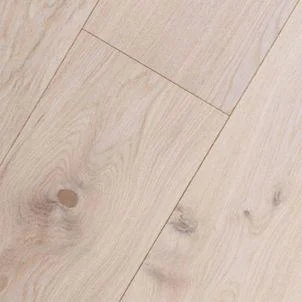
The Enduring Appeal of Solid Oak Flooring
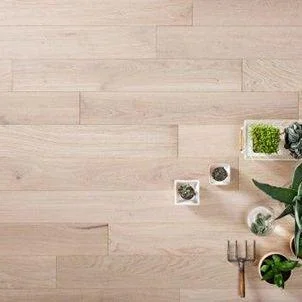
Solid oak flooring boasts a rich history, favored for centuries in grand homes and historic buildings. Its inherent warmth and natural beauty create a welcoming atmosphere, making it a desirable choice for contemporary interiors as well. Unlike engineered wood, solid oak consists of planks milled from a single piece of oak wood, offering a distinct tactile experience and a potential for refinishing multiple times over its lifespan.
The popularity of solid oak flooring stems not only from its aesthetic qualities but also its structural integrity. Its ability to withstand heavy foot traffic and resist wear and tear makes it a practical investment for homes with families, pets, or high levels of activity.
FAQS
Regular sweeping or vacuuming is essential to remove dirt and debris. Avoid excessive moisture, and clean spills immediately. Consider using felt pads under furniture legs to prevent scratches. Periodically refinishing the floor, every few years depending on traffic, will restore its beauty and protect the wood.
Solid oak can be susceptible to expansion and contraction in humid environments. Proper acclimation to the environment before installation is crucial. Maintaining a consistent indoor humidity level with a dehumidifier or humidifier can help prevent warping or cupping. White oak is generally more moisture-resistant than Red oak.
Look for certifications like the FSC (Forest Stewardship Council) label. This indicates that the oak wood was harvested from responsibly managed forests. Ask your flooring supplier for documentation regarding the wood’s origin and chain of custody. Supporting suppliers committed to sustainable forestry practices is key.
White Oak generally tends to be slightly more expensive than Red Oak due to its tighter grain and greater water resistance, which translates to higher demand. Pricing can also vary based on grade, width, and finish. It’s best to get quotes from multiple suppliers to compare prices.
Yes, solid oak flooring can be installed over concrete, but it requires proper preparation. A moisture barrier must be installed to prevent moisture from wicking up through the concrete. The concrete subfloor also needs to be level and free of cracks. Consider a floating installation or using a subfloor system.
The frequency of refinishing depends on foot traffic and wear. Typically, floors in high-traffic areas may need refinishing every 3-5 years, while those in less-used areas may last 7-10 years or longer. Signs it’s time to refinish include significant scratches, dullness, and difficulty cleaning.
Conclusion
Solid oak flooring represents more than just a flooring material; it embodies enduring quality, natural beauty, and long-term value. From its rich history to its sustainable sourcing potential, it offers a compelling combination of aesthetic appeal, durability, and environmental responsibility. Understanding its characteristics and proper care ensures that this investment will enrich homes and spaces for generations to come.
As we look to the future, innovation in wood finishing and smart home integration will further enhance the appeal of solid oak flooring. By prioritizing sustainable practices and embracing new technologies, we can continue to enjoy the timeless elegance and benefits of this remarkable material. Visit our website at houndafloor.com to explore our selection of premium solid oak flooring.
Related Posts

Ethan Turner
Ethan is the Marketing Director at Cangzhou Jiujiang, focusing on expanding the brand's presence in North America. With over a decade of experience in outdoor apparel marketing, Ethan leverages his knowledge to promote the company’s PU rainwear, emphasizing its BSCI and GRS certifications.
If you are interested in our products, you can choose to leave your information here, and we will be in touch with you shortly.


