
- russian
- luganda
- maithili
- maori
- marathi
- norwegian
- oromo
- persian
- polish
- portuguese
- quechua
- korean
- shona
- sindhi
- singapore
- spanish
- tamil
- thai
- turkish
- ukrainian
- urdu
- vietnamese
- english
- arabic
- aymara
- basque
- belarusian
- bengali
- cebuano
- czech
- danish
- deutsch
- dutch
- afrikaans
- filipino
- finnish
- french
- galician
- hindi
- indonesian
- irish
- italian
- japanese

You know, after running around construction sites all year, dealing with dust and sweat, you start to see things a little differently. Lately, everyone’s talking about prefabrication, modular builds… honestly, it’s a scramble to keep up. It’s not just about speed, though that’s a big part of it. It’s about controlling quality, reducing waste. But there’s always a catch, isn’t there?
Have you noticed how everyone’s obsessed with making things ‘smart’? Integrate this, connect that. Fine, great. But sometimes, the simplest solution is the best. I saw a whole project delayed last month because of a Bluetooth module that wouldn’t play nice with the humidity sensor. The engineers were pulling their hair out. Anyway, I think we sometimes overcomplicate things.
Solid maple flooring… now that’s a material I understand. It's not flashy, but it’s honest. You can smell the wood, feel the grain. It’s got a weight to it, you know? Not like this flimsy laminate stuff. I spent a week at a mill in Vermont last year – the aroma of freshly cut maple… unforgettable. They use Kiln-dried maple, of course, has to be. Otherwise, you’re asking for trouble – warping, cracking… a nightmare. You can tell a good piece of maple by the color, too. A warm, reddish hue is what you want. But it’s not just about looks, it’s about the density. A harder maple means a more durable floor. Later… forget it, I won’t mention it.
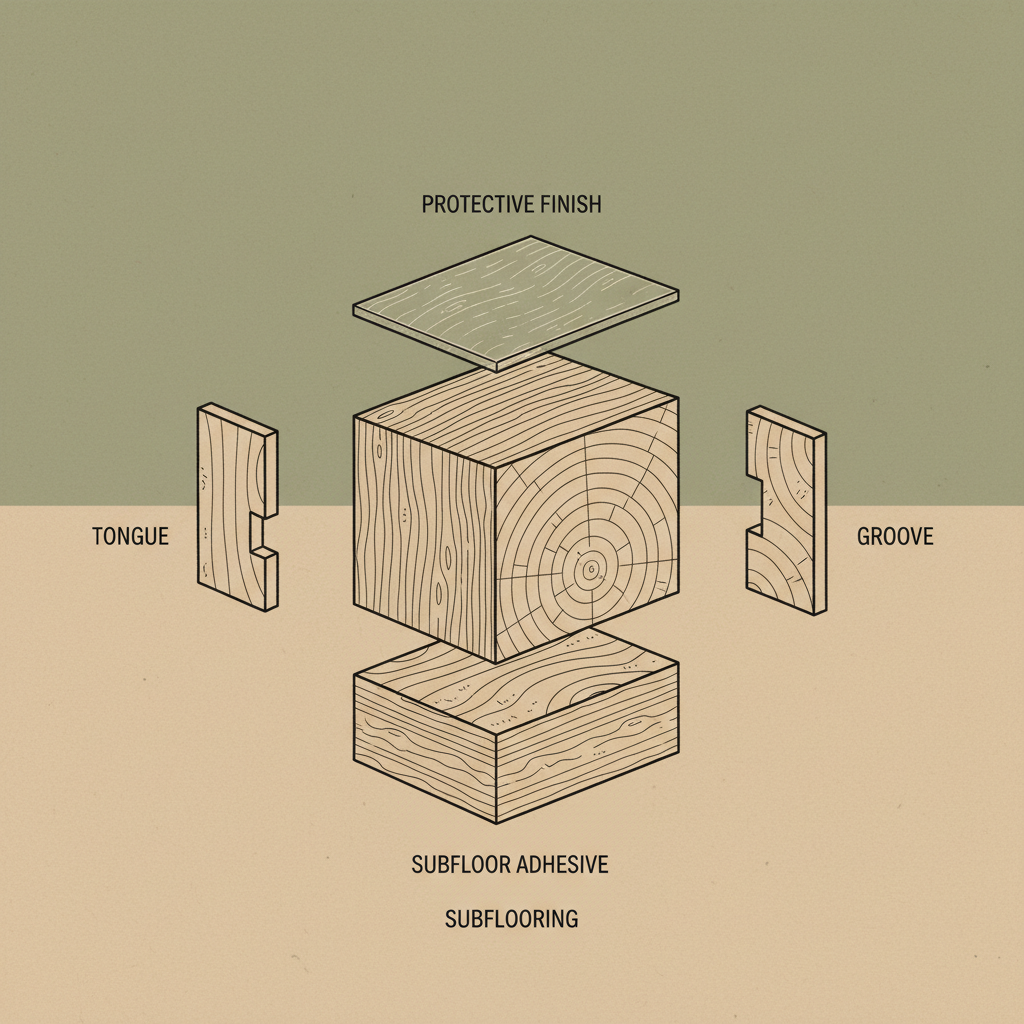
The Current Landscape of solid maple flooring
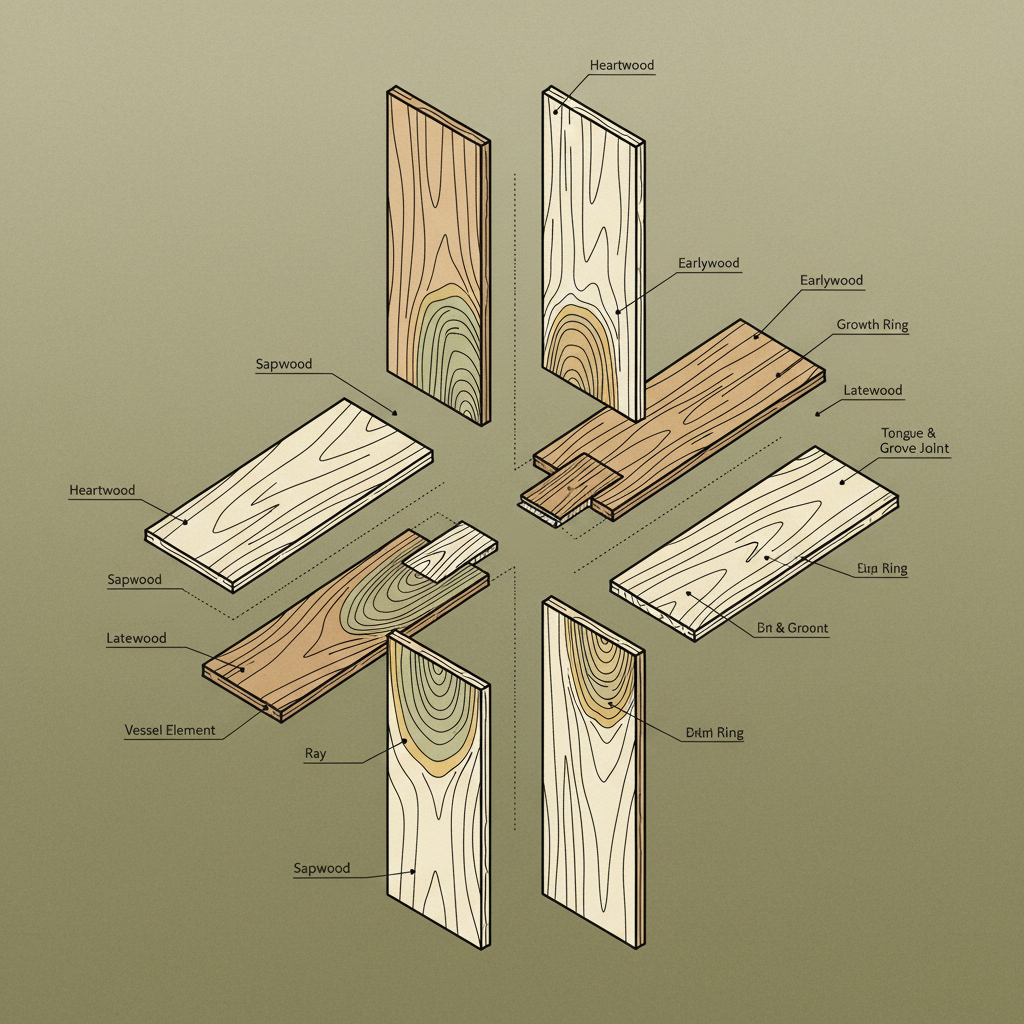
To be honest, solid maple flooring isn't new. It’s been around for ages. But what’s changing is the demand. People are tired of cheap imitations, they want something that lasts. There’s a real move towards sustainable materials, and maple – responsibly sourced, of course – ticks that box. I was talking to a contractor last week, and he said he’s getting requests for wider planks, more natural finishes. Less glossy, more… lived-in.
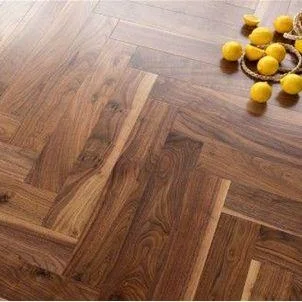
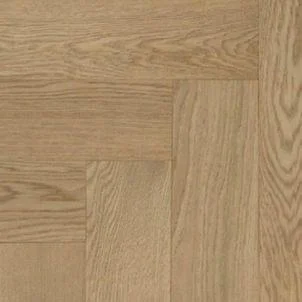
Strangely enough, there's also a bit of a revival of parquet flooring, but with a modern twist. Smaller pieces, geometric patterns. It requires a lot more skill to install, which drives up the cost, but people are willing to pay for it. They want a statement piece, something that stands out.
FAQS
It's almost impossible to prevent all scratches, but you can minimize them. Use rugs in high-traffic areas, felt pads under furniture legs, and avoid wearing high heels on the floor. Regular cleaning with a soft cloth and a pH-neutral cleaner is also important. And honestly, a little wear and tear just adds character.
Avoid harsh chemicals and abrasive cleaners. Stick to a damp (not wet!) cloth and a pH-neutral cleaner specifically designed for wood floors. Vacuum regularly to remove dirt and debris. Never use steam mops – the moisture can damage the wood. And for sticky messes, a little bit of mineral spirits can work wonders, but test it in an inconspicuous area first.
Generally, no. Bathrooms are high-moisture environments, and solid maple flooring isn't very water-resistant. If you absolutely must use it, you’ll need to apply several coats of a waterproof sealant and be meticulous about wiping up any spills immediately. Even then, it’s a risk. There are better options for bathrooms, like tile or vinyl.
With proper care, solid maple flooring can last for generations – easily 50-100 years or more. It can be sanded and refinished multiple times, extending its lifespan. Of course, heavy traffic, moisture damage, and poor maintenance will shorten its life. But it’s a remarkably durable material if treated right.
Prefinished flooring comes with a factory-applied finish, which saves you time and effort. Unfinished flooring needs to be sanded, stained, and finished on-site. Prefinished is easier and faster, but unfinished gives you more control over the color and finish. Also, unfinished is usually cheaper upfront, but you have to factor in the cost of labor and materials for finishing.
Absolutely. Solid maple flooring is considered a premium material, and it can definitely increase the value of your home. It's a selling point for a lot of buyers. It gives a sense of quality and craftsmanship that cheaper flooring options just can’t match. Plus, it's a timeless look that never goes out of style.
Conclusion
So, there you have it. Solid maple flooring isn’t a miracle product. It requires care, attention, and a willingness to put in the work. But it's a material with character, with history, with a warmth that you just don’t get with anything else. It's a solid choice, if you’ll forgive the pun, for anyone who wants a beautiful, durable, and sustainable floor that will last a lifetime.
Ultimately, whether this thing works or not, the worker will know the moment he tightens the screw. And trust me, after years on these sites, you learn to trust that instinct. If it feels right, it probably is. Now if you’ll excuse me, I’ve got a call about a warped subfloor...

Kevin Thompson
If you are interested in our products, you can choose to leave your information here, and we will be in touch with you shortly.


