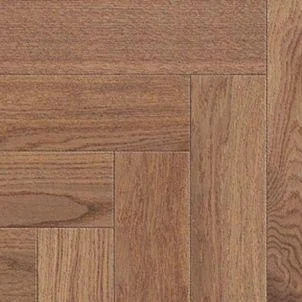
herringbone laminate
0%

Table of Contents

White oak hardwood flooring represents a timeless and highly sought-after material in the construction and interior design industries. Globally, demand for sustainable and aesthetically pleasing flooring solutions continues to rise, with white oak consistently ranking among the most popular choices. Its inherent durability, beautiful grain patterns, and versatility make it suitable for a wide range of applications, from residential homes to commercial spaces. Understanding the nuances of white oak—its grading, finishing options, and installation techniques—is crucial for both professionals and homeowners alike seeking a quality, long-lasting floor.

The increasing focus on eco-friendly building materials is further driving the popularity of white oak. As a responsibly sourced wood, it aligns with the growing consumer preference for sustainable products. Statistics from organizations like the Forest Stewardship Council (FSC) show a rising trend in demand for certified wood products, indicating a heightened awareness of forest management practices. The challenge lies in ensuring responsible harvesting and efficient distribution of this valuable resource to meet global demand without compromising forest ecosystems.

Beyond aesthetics, white oak hardwood flooring provides significant long-term value. It's an investment that can increase a property's resale value and reduce life-cycle costs compared to other flooring options. Its ability to be refinished multiple times extends its lifespan, making it a sustainable and economically sound choice for homeowners and businesses. Proper maintenance and care are key to maximizing this longevity and retaining its beauty for generations.

white oak hardwood flooring

The Global Significance of White Oak Hardwood Flooring
white oak hardwood flooring

White oak hardwood flooring has a significant and expanding global presence. Demand is particularly high in North America and Europe, driven by a preference for classic, durable flooring materials. However, emerging markets in Asia-Pacific and Latin America are also experiencing increased adoption, fueled by rising disposable incomes and a growing emphasis on home improvement. The United Nations Environment Programme (UNEP) promotes sustainable forestry, influencing the demand for responsibly sourced woods like white oak.

A significant challenge in the global market is the balance between satisfying demand and ensuring sustainable harvesting practices. Illegal logging and deforestation pose a threat to the long-term availability of white oak. Organizations like the World Bank are investing in sustainable forestry initiatives to combat these issues and promote responsible forest management. The growing awareness of these environmental concerns is pushing consumers and businesses towards certified white oak hardwood flooring from reliable sources.

Defining White Oak Hardwood Flooring

White oak hardwood flooring is a flooring material constructed from the wood of the white oak tree (Quercus alba). Unlike red oak, white oak has closed pores, making it naturally water-resistant and less susceptible to staining. This inherent property makes it particularly well-suited for environments prone to moisture, such as kitchens, bathrooms, and basements. It’s available in a variety of grades, widths, and finishes, offering a wide range of aesthetic options.

Its connection to modern industry extends beyond aesthetics. White oak is frequently used in construction for structural elements, shipbuilding, and even barrel-making for aging spirits. The durability and workability of white oak make it a versatile material applicable to many sectors. The increasing demand for sustainable building materials has further amplified its relevance, positioning it as a responsible choice for eco-conscious projects.

Choosing white oak hardwood flooring is about more than just selecting a floor covering. It's about investing in a material with a rich history, proven performance, and a sustainable future, aligning with both personal aesthetic preferences and broader environmental considerations.

Key Characteristics of White Oak Hardwood

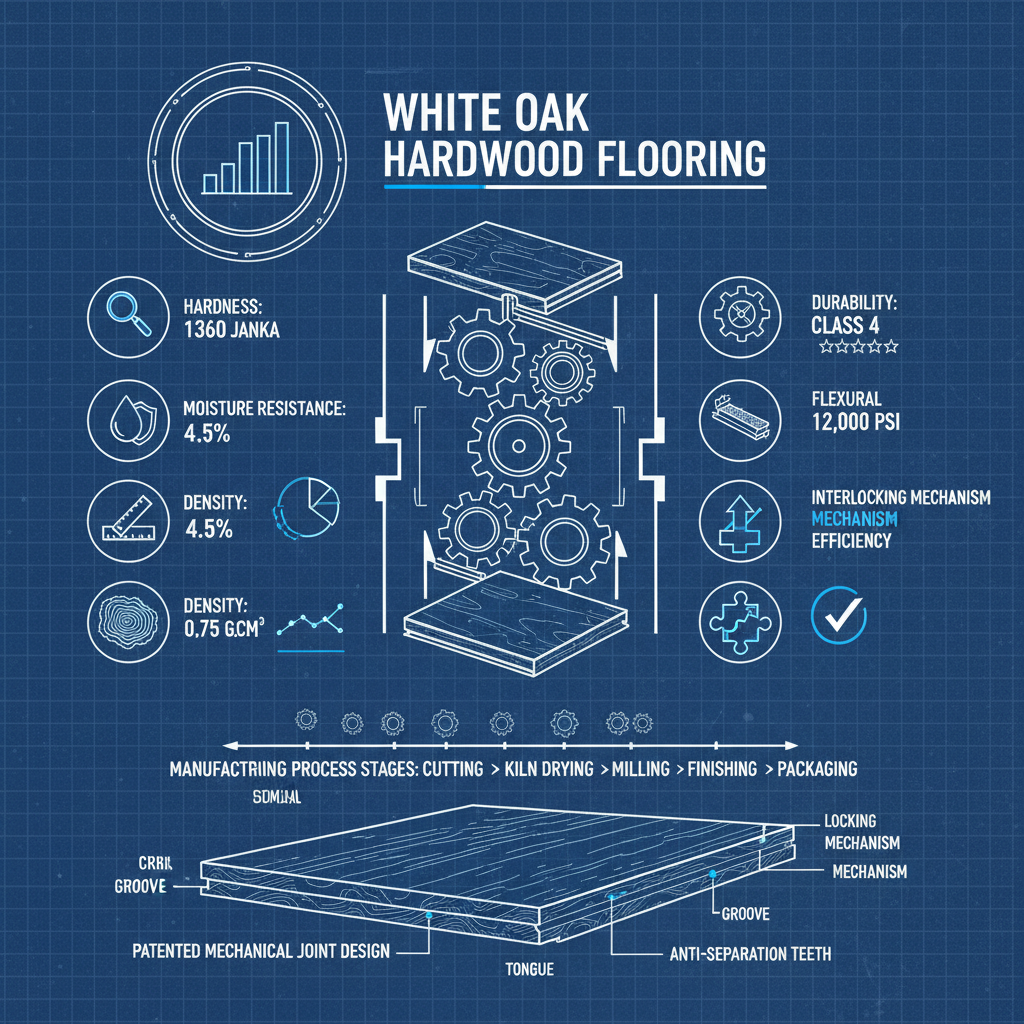
One of the primary characteristics of white oak hardwood is its hardness. Measured on the Janka hardness scale, white oak scores approximately 1360 lbf (pounds-force), making it quite durable and resistant to dents and scratches. This makes it a good choice for high-traffic areas in both residential and commercial settings. The unique grain pattern, typically featuring subtle rays and variations in color, contributes to its classic and appealing look.

Another important characteristic is its stability. White oak is less prone to warping or expanding and contracting with changes in humidity compared to other wood species. This dimensional stability is crucial for maintaining the integrity and appearance of the flooring over time. Proper acclimation before installation is still essential, but white oak generally performs well in a variety of climates.

Finally, white oak accepts stains and finishes exceptionally well. This allows for a wide range of customization options, from natural oil finishes that highlight the wood’s inherent beauty to darker stains that create a more dramatic and contemporary look. This versatility is a key reason why white oak remains a popular choice among designers and homeowners.

The Durability and Performance of White Oak

The exceptional durability of white oak hardwood flooring is a major contributing factor to its long-term value. Its resistance to wear and tear, combined with the ability to be refinished multiple times, makes it a floor that can last for generations. The open grain structure allows for deeper penetration of finishes, providing enhanced protection against scratches, stains, and moisture damage.

Performance varies depending on the grade of white oak selected. Higher grades, such as Select and Quarter Sawn, exhibit fewer knots and imperfections, resulting in a more uniform appearance and enhanced stability. However, even lower grades, like Common or Character, offer excellent durability and can contribute to a more rustic and natural aesthetic.

Performance Metrics of White Oak Flooring Finishes

Applications of White Oak Flooring Worldwide

White oak hardwood flooring enjoys widespread application across diverse sectors globally. In residential construction, it’s a popular choice for living rooms, dining rooms, bedrooms, and hallways, valued for its aesthetic appeal and durability. The versatility of white oak allows it to complement a wide range of interior design styles, from traditional to modern.

Commercially, white oak is frequently used in retail spaces, offices, and hospitality settings. Its ability to withstand heavy foot traffic and maintain its appearance makes it a practical and visually appealing option for high-use areas. In Europe, particularly in Scandinavian countries, white oak is favored for its light color and ability to create bright and airy spaces.

Long-Term Value and Benefits of White Oak

Investing in white oak hardwood flooring offers substantial long-term value. Its durability significantly reduces the need for frequent replacements, resulting in lower life-cycle costs compared to other flooring options. Furthermore, its ability to be refinished multiple times extends its lifespan, protecting your investment for decades. The classic aesthetic of white oak also contributes to its lasting appeal, ensuring it remains stylish and desirable for years to come.

Beyond the financial benefits, white oak offers ecological advantages. Sourced from sustainably managed forests, it represents a responsible and environmentally conscious choice. Its natural beauty enhances the well-being of inhabitants, creating warm and inviting spaces. Choosing white oak is a decision that combines practicality, aesthetics, and sustainability.

The emotional benefit of owning a beautiful, durable hardwood floor should not be underestimated. It offers a sense of pride and comfort, enhancing the overall quality of life and contributing to a more welcoming and harmonious home environment.

Future Trends in White Oak Hardwood Flooring

The future of white oak hardwood flooring is shaped by emerging trends in sustainability, technology, and design. We’re seeing increased demand for wider plank widths and longer lengths, creating a more modern and expansive look. Engineered white oak flooring, offering enhanced stability and ease of installation, is also gaining popularity. Digital printing technology is allowing for more intricate and customized grain patterns, expanding design possibilities.

The emphasis on eco-friendly finishes and adhesives is another key trend. Low-VOC (volatile organic compound) finishes are becoming standard, minimizing indoor air pollution and promoting healthier living environments. Furthermore, the use of reclaimed white oak—wood salvaged from old buildings and structures—is growing, offering a sustainable and unique flooring option.

Innovations in wood drying and stabilization techniques are further enhancing the performance and durability of white oak. These advancements, combined with a continued focus on responsible forest management, will ensure that white oak remains a leading choice for flooring for years to come.

Analysis of Factors Influencing White Oak Flooring Quality

Wood Grade Finish Type Installation Method Acclimation Period
Select Polyurethane Nail-Down 72 Hours
Quarter Sawn Oil Glue-Down 96 Hours
Character Water-Based Floating 48 Hours
Common Wax Nail-Down 48 Hours
Prime Aluminum Oxide Glue-Down 72 Hours
Standard UV-Cured Floating 96 Hours

FAQS

What are the main differences between white oak and red oak flooring?

While both are durable hardwoods, white oak differs from red oak in several key ways. White oak is naturally more water-resistant due to its closed pore structure, making it suitable for damp areas. It also has a slightly warmer, more neutral tone, while red oak has a pinkish hue. White oak typically costs slightly more than red oak due to its slower growth rate and greater demand.

How do I properly care for and maintain white oak hardwood floors?

Regular cleaning is essential. Sweep or vacuum frequently to remove dirt and debris. Use a wood floor cleaner specifically designed for polyurethane or oil finishes. Avoid excessive moisture – wipe up spills immediately. Consider using area rugs in high-traffic areas to protect the finish. Periodic refinishing, every 5-10 years, will restore the floor’s beauty and durability.

Is white oak flooring a good choice for homes with pets?

Yes, white oak is generally a good choice for pet owners. Its hardness resists scratches from claws, and its durability can withstand the wear and tear of pet activity. However, it’s still important to keep pet nails trimmed and clean up accidents promptly to prevent staining or damage to the finish. Consider a more durable finish, such as polyurethane, for added protection.

What is the best way to acclimate white oak flooring before installation?

Acclimation is crucial to prevent warping or gapping. Bring the flooring into the room where it will be installed at least 3-5 days before installation. Stack the boxes loosely, allowing for air circulation. Maintain the room's normal temperature and humidity levels during this period. Use a moisture meter to ensure the flooring’s moisture content is compatible with the subfloor.

Can white oak hardwood flooring be installed over concrete?

Yes, white oak can be installed over concrete, but proper preparation is essential. The concrete must be clean, dry, and level. A moisture barrier is required to prevent moisture from migrating through the concrete and damaging the flooring. Glue-down installation is typically the recommended method for concrete subfloors, ensuring a secure and lasting bond.

What is the typical cost of white oak hardwood flooring, including installation?

The cost of white oak flooring varies depending on the grade, width, finish, and installation method. Expect to pay between $8 to $15 per square foot for the materials alone. Installation costs can range from $3 to $8 per square foot, depending on the complexity of the job and your location. Total costs can therefore range from $11 to $23+ per square foot.

Conclusion

White oak hardwood flooring stands as a testament to enduring quality, timeless beauty, and sustainable practices. Its inherent durability, versatility, and aesthetic appeal make it a superior flooring choice for both residential and commercial applications. The continued focus on responsible forestry, innovative finishing techniques, and evolving design trends ensures its relevance and desirability for generations to come.

As consumers increasingly prioritize sustainability and long-term value, white oak is poised to maintain its position as a leading flooring material. Investing in white oak hardwood flooring isn’t merely a flooring decision; it’s a commitment to quality, environmental responsibility, and a lasting investment in the beauty and value of your property.

Ethan Reynolds

Ethan Reynolds

Ethan Reynolds is a seasoned Product Development Specialist at Hounda, dedicated to adapting and refining our flooring products for the US consumer. With a background in materials science and engineering from Georgia Tech, Ethan works closely with our R&D team in China, ensuring all products meet stringent US quality standards and environmental regulations. He's instrumental in testing and implementing new finishes and core materials, focused on durability and aesthetic appeal. Ethan is particularly proud of Hounda’s SPC flooring line and its resistance to moisture, a key benefit for US homeowners. He joined Hounda in 2020.
Previous Explore the Timeless Elegance of Herringbone Wood Floor Designs
Next Exploring the Resurgence and Benefits of Durable Hickory Flooring

If you are interested in our products, you can choose to leave your information here, and we will be in touch with you shortly.