Wood effect lino, also known as resilient flooring with a wood-grain appearance, is rapidly gaining popularity as a cost-effective and visually appealing alternative to traditional hardwood and laminate floors. It bridges the gap between the aesthetic warmth of wood and the practical benefits of modern, durable materials. This flooring solution is particularly relevant in a global market increasingly focused on sustainable and affordable housing options, especially as urbanization continues to accelerate.
The demand for wood effect lino is driven by factors such as rising timber costs, environmental concerns regarding deforestation, and the need for easy-to-install and maintain flooring in both residential and commercial settings. This surge in demand creates opportunities for innovation in manufacturing techniques and material science, impacting flooring industries worldwide.
Understanding the nuances of wood effect lino – its composition, manufacturing processes, performance characteristics, and applications – is crucial for architects, designers, contractors, and homeowners seeking durable, attractive, and sustainable flooring solutions. This guide aims to provide a comprehensive overview of this versatile flooring option, covering its key features, benefits, and future trends.
The Rise of Wood Effect Lino
The increasing adoption of wood effect lino is directly correlated with a global shift towards more sustainable and affordable building materials. The flooring market, valued at over $50 billion globally (as of 2023, according to Statista), is witnessing a significant demand for alternatives to traditional hardwood, which is often sourced from vulnerable forests. Wood effect lino offers a viable solution, utilizing materials like PVC, vinyl, and phthalate-free plasticizers to mimic the look and feel of natural wood. wood effect lino is increasingly becoming a material of choice.
Driven by urbanization and a growing middle class in developing nations, the demand for cost-effective and aesthetically pleasing flooring options is consistently rising. Wood effect lino addresses this demand by providing a durable, easy-to-maintain, and visually appealing flooring solution that fits a variety of budgets and design preferences. Its resistance to water and stains makes it particularly suitable for kitchens, bathrooms, and high-traffic areas.
Defining Wood Effect Lino
Wood effect lino isn't actually lino at all in the traditional sense. Traditional linoleum is made from renewable materials like linseed oil, rosin, wood flour, and cork dust. Wood effect lino, more accurately referred to as resilient flooring, is predominantly composed of vinyl or PVC, often with added phthalate plasticizers for flexibility and durability. The ‘wood effect’ is achieved through advanced printing technologies that create realistic wood grain patterns on the surface of the material.
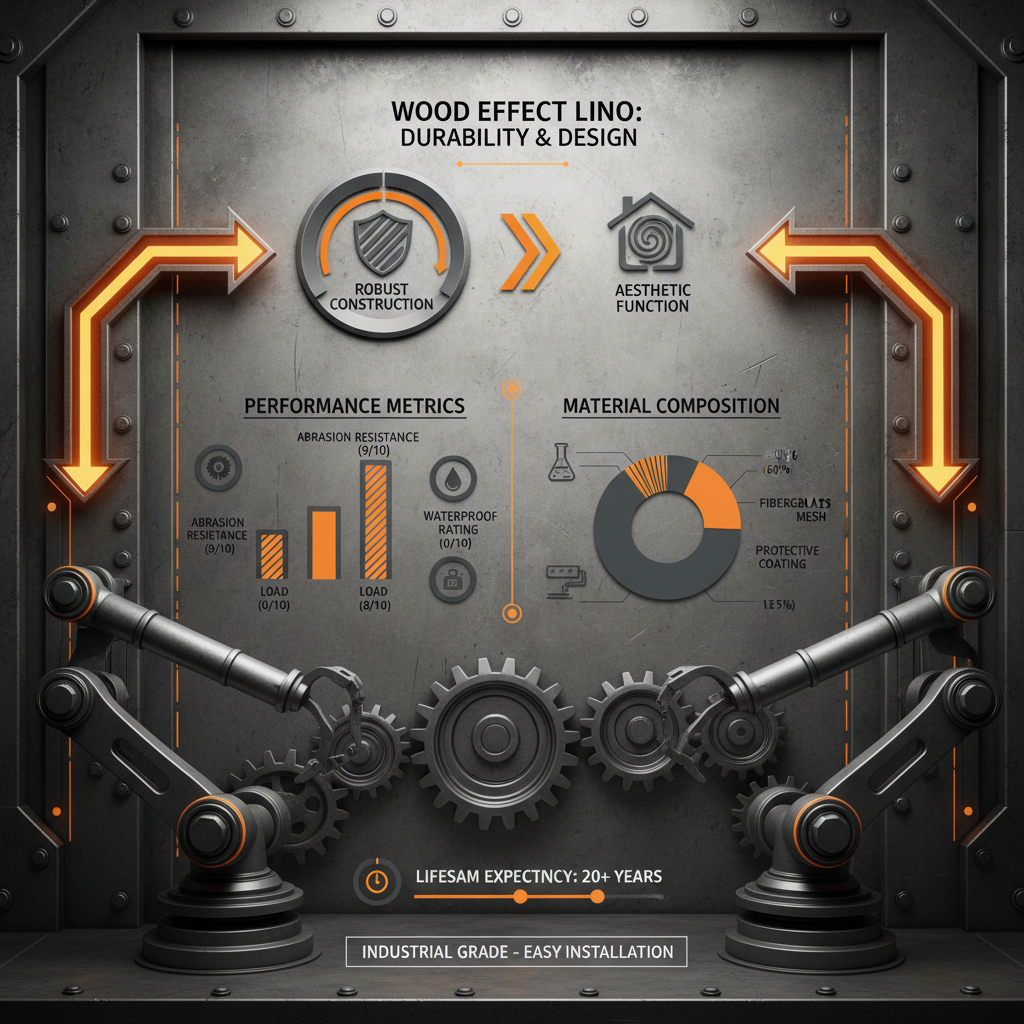
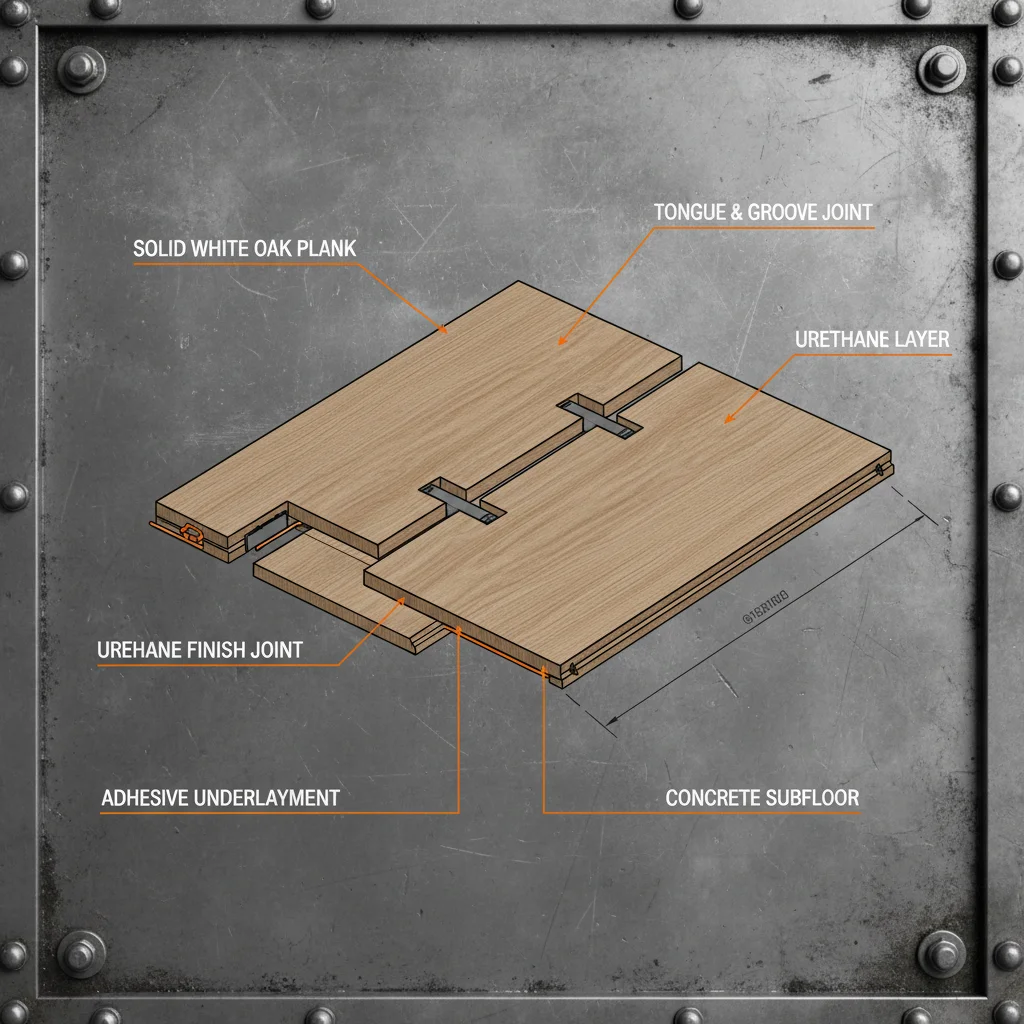
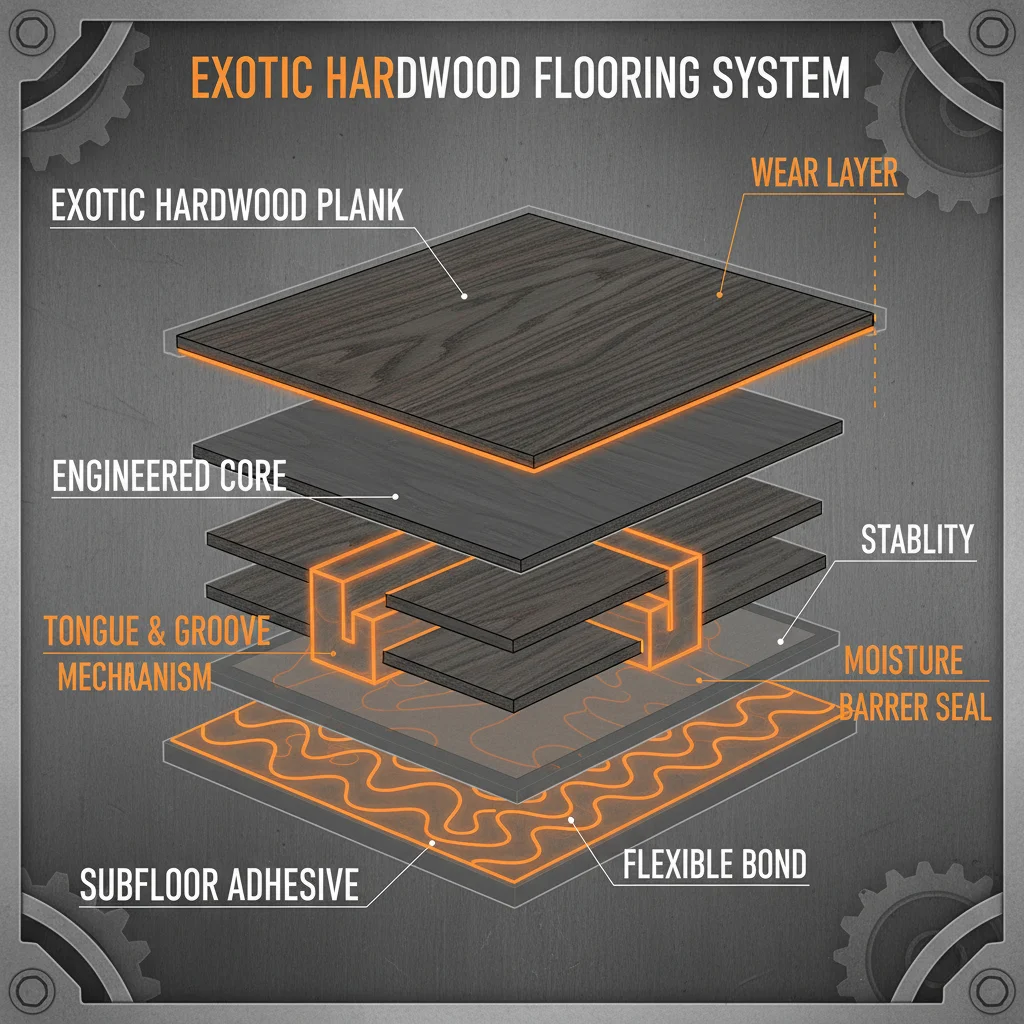
This material is manufactured in sheets or tiles, allowing for versatile installation options. The manufacturing process involves layering different materials, including a wear layer for durability, a print layer for aesthetic appeal, and a backing layer for cushioning and stability. Understanding these layers is crucial when assessing the quality and longevity of different wood effect lino products.
The connection to modern industry lies in its ability to leverage advancements in polymer chemistry and printing technologies to create a sustainable and affordable alternative to natural wood. It addresses the humanitarian need for durable, hygienic, and aesthetically pleasing flooring in both residential and public spaces, particularly in regions with limited access to high-quality building materials.
Core Components of Wood Effect Lino
Several key components contribute to the performance and characteristics of wood effect lino. The most significant is the wear layer, which determines the flooring's resistance to scratches, dents, and abrasions. Thicker wear layers are typically more durable and suitable for high-traffic areas. The quality of the vinyl or PVC used is also paramount, impacting both the flooring’s longevity and its environmental footprint.
The print layer is responsible for the realistic wood grain appearance. Modern printing techniques, such as rotogravure and digital printing, allow for intricate and lifelike designs. The backing layer provides cushioning and sound insulation, enhancing comfort and reducing noise levels. Different backing materials, such as felt or foam, offer varying degrees of comfort and impact resistance.
Finally, the stabilizing layer adds structural integrity and prevents warping or distortion. The specific composition of each layer varies depending on the manufacturer and the intended application of the flooring. Understanding these components allows for informed decisions when selecting wood effect lino for a specific project.
Applications of Wood Effect Lino Globally
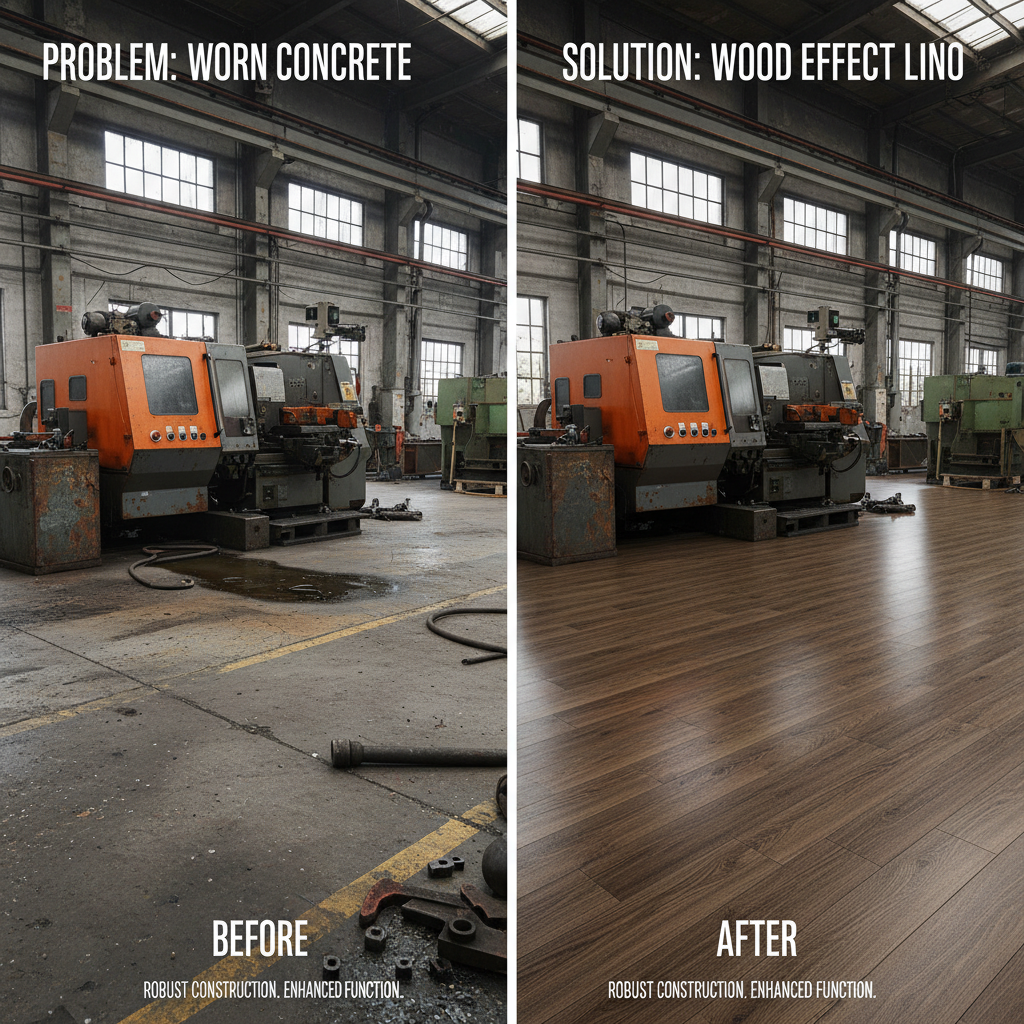
Wood effect lino is extensively utilized in residential construction, particularly in kitchens, bathrooms, living rooms, and bedrooms. Its water resistance and ease of cleaning make it a practical choice for areas prone to moisture and spills. It’s also popular in commercial settings, including retail stores, offices, healthcare facilities, and schools, where durability and low maintenance are essential.
In Europe, wood effect lino is a staple in Scandinavian design, known for its minimalist aesthetic and focus on functionality. North America sees widespread use in both residential and commercial renovations, driven by cost-effectiveness and style versatility. Emerging economies in Asia and Africa are increasingly adopting wood effect lino as an affordable and durable flooring solution for affordable housing projects and public infrastructure.
Wood Effect Lino Market Share by Application
Advantages and Long-Term Value
The advantages of using wood effect lino are numerous. From a cost perspective, it is significantly more affordable than hardwood flooring, making it accessible to a wider range of consumers. Its durability, coupled with its low maintenance requirements, translates to long-term savings on repair and replacement costs. Furthermore, modern wood effect lino products are often designed with improved acoustic properties, reducing noise transmission in buildings.
From a sustainability standpoint, choosing wood effect lino over hardwood helps conserve forests and reduce deforestation. While PVC production does have environmental considerations, many manufacturers are now utilizing recycled content and developing phthalate-free formulations to minimize their ecological footprint. The psychological benefits of a wood-look floor – creating a warm and inviting atmosphere – also contribute to its overall value.
Future Trends & Innovations
Innovation in wood effect lino is focused on several key areas. Bio-based PVC alternatives, derived from renewable resources like sugarcane, are gaining traction as manufacturers strive for greater sustainability. Digital printing technology is enabling increasingly realistic wood grain patterns and customized designs. Developments in wear layer technology are pushing the boundaries of durability and scratch resistance.
The integration of smart technologies, such as embedded sensors for monitoring floor temperature or foot traffic, is also a potential future trend. As environmental regulations become more stringent, we can expect to see increased emphasis on recycled content, reduced VOC emissions, and closed-loop manufacturing processes in the production of wood effect lino.
Challenges and Solutions
Despite its many benefits, wood effect lino faces certain challenges. The environmental impact of PVC production remains a concern, and disposal of old flooring can contribute to landfill waste. Some lower-quality products may exhibit off-gassing of volatile organic compounds (VOCs), impacting indoor air quality. Ensuring the long-term durability of the wear layer is also a critical factor.
Solutions include investing in bio-based PVC alternatives, implementing robust recycling programs for end-of-life flooring, and selecting products certified by organizations like FloorScore for low VOC emissions. Choosing reputable manufacturers that prioritize quality control and utilize advanced wear layer technologies can also mitigate durability concerns.
Furthermore, educating consumers about proper installation and maintenance practices is crucial for maximizing the lifespan of wood effect lino and minimizing environmental impact.
Summary of Wood Effect Lino Challenge and Solution
| Challenge |
Impact Area |
Severity (1-10) |
Proposed Solution |
| PVC Production Environmental Impact |
Sustainability |
8 |
Utilize bio-based PVC or recycled content |
| VOC Emissions |
Indoor Air Quality |
6 |
Select FloorScore certified products |
| Wear Layer Durability |
Product Lifespan |
7 |
Choose products with a thicker wear layer |
| End-of-Life Disposal |
Waste Management |
5 |
Implement recycling programs |
| Installation Quality |
Performance & Lifespan |
6 |
Hire certified installers |
| Consumer Awareness |
Informed Decision-Making |
4 |
Provide clear product information and guidelines |
FAQS
While both offer a wood-look aesthetic, they differ in composition. Laminate comprises multiple layers including a photographic layer, while wood effect lino is primarily vinyl. Lino is generally more water-resistant and softer underfoot than laminate, but laminate can be more resistant to scratches depending on its AC rating. Ultimately, the best choice depends on your specific needs and budget.
Compared to hardwood, wood effect lino is generally considered more sustainable as it doesn’t contribute to deforestation. However, the sustainability depends on the manufacturing process. Look for products made with recycled content, phthalate-free plasticizers, and low VOC emissions. Choosing reputable manufacturers committed to sustainable practices is key.
Wood effect lino, especially in click-lock tile or plank formats, is relatively easy to install for DIY enthusiasts. However, proper subfloor preparation is crucial for a successful installation. For larger areas or complex layouts, professional installation is recommended. The ease of installation is a major advantage over hardwood flooring.
Yes, wood effect lino is an excellent choice for bathrooms and kitchens due to its water resistance. However, it’s important to ensure the seams are properly sealed to prevent water penetration. Look for products specifically designed for wet areas and follow the manufacturer’s installation guidelines.
Wood effect lino is easy to clean and maintain. Regular sweeping or vacuuming is sufficient to remove dust and debris. For deeper cleaning, use a mild detergent and warm water. Avoid abrasive cleaners or scouring pads, as they can damage the wear layer. Protect furniture legs with felt pads to prevent scratches.
The lifespan of wood effect lino varies depending on the quality of the product and the amount of traffic it receives. With proper installation and maintenance, most wood effect lino floors can last between 10 and 20 years. Choosing a product with a thicker wear layer will generally result in a longer lifespan.
Conclusion
Wood effect lino represents a compelling fusion of aesthetics, affordability, and durability in the flooring market. Its ability to mimic the warmth and beauty of natural wood while offering superior resistance to moisture and wear makes it an ideal choice for a wide range of applications, from residential homes to commercial spaces. The ongoing innovations in materials and manufacturing processes are further enhancing its sustainability and performance.
Looking ahead, the future of wood effect lino is bright, driven by a growing demand for environmentally responsible and cost-effective building solutions. By embracing advancements in bio-based materials and prioritizing responsible manufacturing practices, the industry can continue to minimize its environmental footprint and deliver high-quality flooring options for generations to come. wood effect lino provides a beautiful solution.