
- russian
- luganda
- maithili
- maori
- marathi
- norwegian
- oromo
- persian
- polish
- portuguese
- quechua
- korean
- shona
- sindhi
- singapore
- spanish
- tamil
- thai
- turkish
- ukrainian
- urdu
- vietnamese
- english
- arabic
- aymara
- basque
- belarusian
- bengali
- cebuano
- czech
- danish
- deutsch
- dutch
- afrikaans
- filipino
- finnish
- french
- galician
- hindi
- indonesian
- irish
- italian
- japanese

Look, I've spent the last twenty years walking job sites, getting my hands dirty, and frankly, watching too many crews struggle with flooring. For decades, contractors have been stuck choosing between the real deal—expensive, time-consuming wood—and cheap laminates that buckle and peel after a few seasons. What’s changed is that wood effect flooring has finally hit a sweet spot. It looks good, feels good, and it doesn’t fall apart the minute someone spills a little water. It’s a game changer for builders, homeowners, and everyone in between.
The demand is driven by simple economics and consumer preference. People want the warmth and beauty of wood, but they don’t want the hassle and price tag. Globally, the construction industry is booming, but skilled labor is shrinking. That means projects need to be faster, easier, and more reliable. We're seeing massive growth in residential builds, renovations, and even commercial spaces. The UN projects continued urbanization, and more people mean more demand for comfortable, attractive living spaces. But it’s not just about new builds; the renovation market is huge.
Frankly, it's about giving folks what they want without breaking the bank or causing endless headaches. I've seen projects delayed for weeks because of flooring issues, and the costs add up fast. wood effect flooring, done right, eliminates a huge source of those problems.
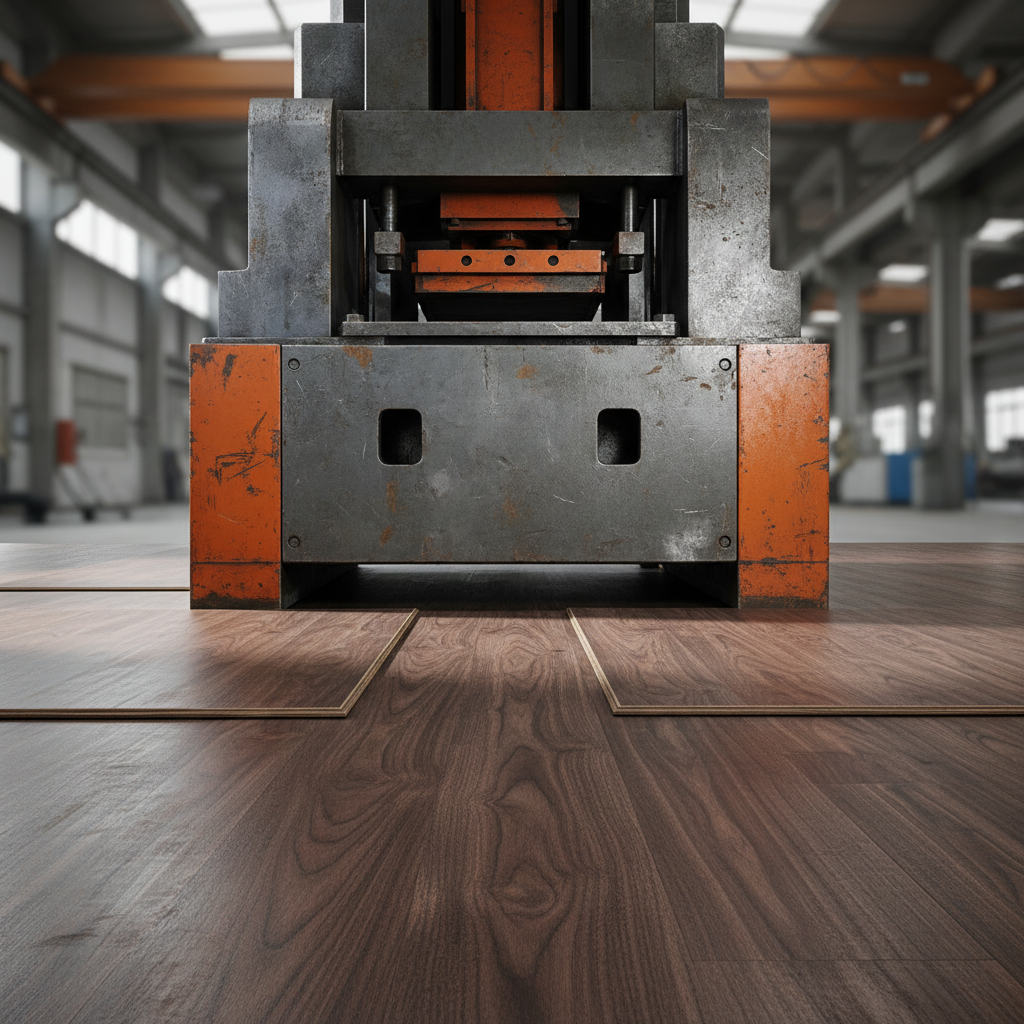
The Fundamentals of wood effect flooring
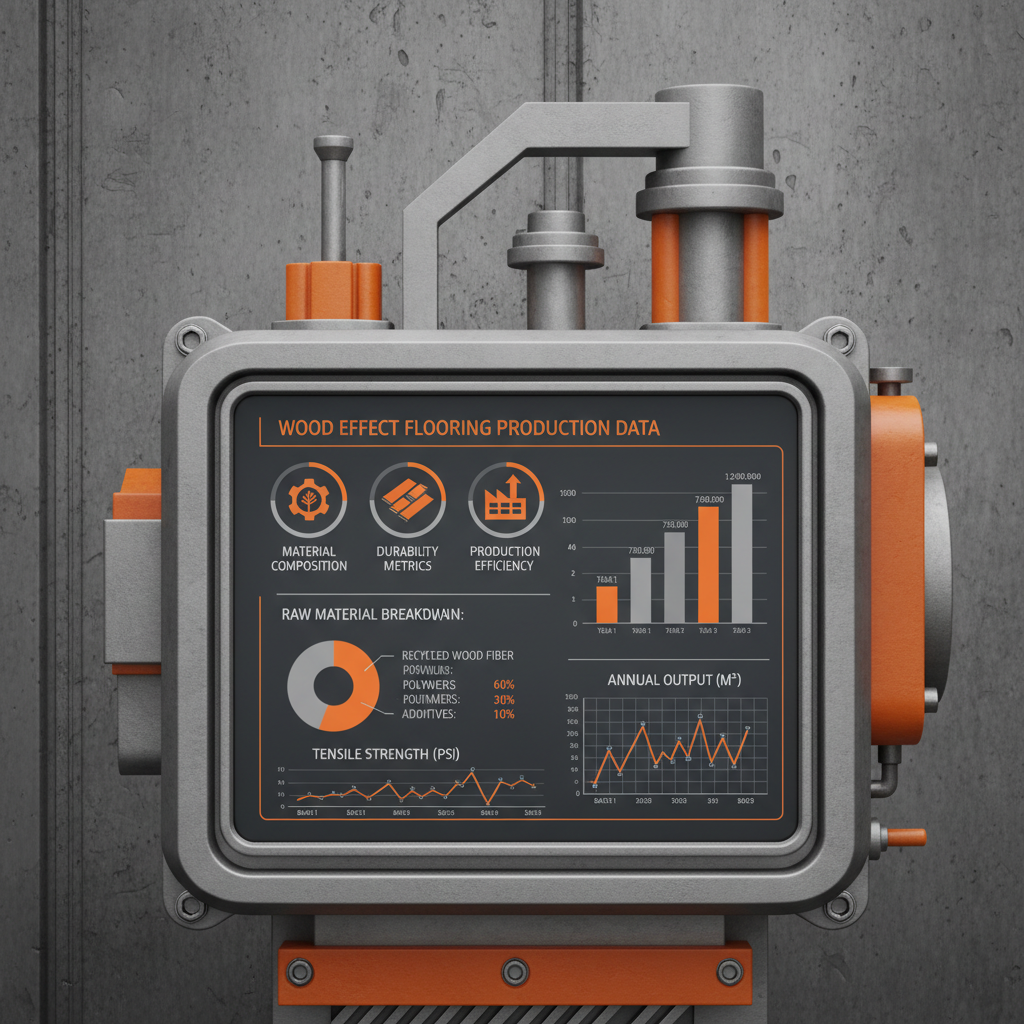
Let’s be clear: we’re not talking about slapping down some cheap vinyl. Modern wood effect flooring is a sophisticated product, typically employing high-resolution printing techniques to realistically mimic wood grain and texture. It's built on a core material – often a composite wood product or a rigid polymer – and then protected with a wear layer. I've seen everything from entry-level stuff that’s basically glorified laminate to top-tier products that can withstand serious abuse.
The quality comes down to materials and construction. The thicker the wear layer, the more durable it’ll be. The core material matters too; some are more resistant to moisture and expansion/contraction than others. And the printing? That’s where the aesthetic difference is really noticeable. A poorly printed floor looks…well, it looks fake. A good one? It can fool just about anyone.
FAQS
Laminate is generally more affordable but less water-resistant, and the visuals can sometimes appear repetitive. Vinyl, particularly SPC and WPC, offers better water resistance, more realistic textures, and a softer feel underfoot. SPC is the most durable of the vinyl options due to its rigid core, making it ideal for high-traffic areas. Choosing between the two depends on your budget, lifestyle, and moisture concerns.
Yes, absolutely, if you choose the right type. Vinyl, specifically SPC (Stone Polymer Composite), is the best choice for bathrooms due to its 100% waterproof core. Avoid laminate in bathrooms, as it's susceptible to swelling and damage from moisture. Always ensure proper sealing around the edges of the floor to prevent any water from getting underneath.
Most wood effect flooring products feature a click-lock installation system, making it a relatively DIY-friendly project. However, proper subfloor preparation is crucial. The subfloor needs to be clean, level, and dry. If you’re not comfortable with this type of project, it’s always best to hire a professional installer.
The lifespan depends on the quality of the flooring and the level of traffic. Good quality SPC or WPC vinyl can last 20-30 years with proper care. Laminate generally lasts 10-15 years. Regular cleaning and avoiding harsh chemicals will extend the life of your floor. Also, consider the wear layer thickness; a thicker wear layer offers greater durability.
Many wood effect flooring options are becoming increasingly eco-friendly. Look for products made from recycled materials, with low VOC emissions, and that are FloorScore certified. SPC and WPC vinyl are often made with recycled content, and manufacturers are increasingly adopting sustainable production practices. It's definitely worth checking the product specifications before making a purchase.
Regular sweeping or vacuuming is key to removing dirt and debris. For deeper cleaning, use a damp mop with a pH-neutral cleaner specifically designed for vinyl or laminate flooring. Avoid using abrasive cleaners, scouring pads, or excessive water, as these can damage the surface. A microfiber mop is ideal for gentle and effective cleaning.
Conclusion
wood effect flooring has moved beyond being a cheap substitute for the real thing. It's a practical, durable, and aesthetically pleasing flooring solution that’s making a real impact on the construction industry. It addresses a fundamental need for affordability, ease of installation, and long-lasting performance without sacrificing style. The advancements in printing technology and core materials mean you can achieve a stunning wood-look floor without the hefty price tag or maintenance headaches.
Looking ahead, the future of wood effect flooring is bright. Continued innovation in materials and manufacturing will lead to even more realistic, durable, and sustainable products. I encourage builders, homeowners, and designers to explore the possibilities and see how this versatile flooring solution can elevate their projects. For more information and to explore the latest options, visit our website: www.houndafloor.com

David Miller
If you are interested in our products, you can choose to leave your information here, and we will be in touch with you shortly.


