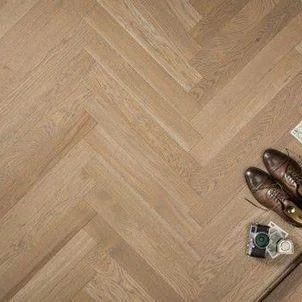
herringbone laminate
0%

Table of Contents

Maple flooring, celebrated for its durability, beauty, and versatility, has become a globally sought-after material for residential and commercial spaces. From the smooth, light tones of hard maple to the richer hues of soft maple, this hardwood offers a classic aesthetic that complements a wide range of design styles. Increased demand is driven by a growing preference for sustainable building materials and the inherent value maple adds to properties.

The global market for hardwood flooring, including maple, is substantial and expanding. According to recent data from the National Wood Flooring Association, hardwood flooring accounts for a significant portion of the overall flooring market, with maple consistently ranking among the top choices. This demand is particularly strong in North America, Europe, and increasingly, Asia. The challenge lies in responsibly sourcing maple to meet this demand while preserving forest ecosystems.

Understanding the intricacies of maple flooring – from its grading and installation to its maintenance and long-term value – is crucial for homeowners, architects, and builders alike. Investing in high-quality maple flooring not only enhances a space’s aesthetic appeal but also contributes to a more sustainable and enduring built environment.
maple flooring

The Essence of Maple Flooring

maple flooring

At its core, maple flooring represents a harmonious blend of natural beauty and practical functionality. Derived from the maple tree, a symbol of strength and resilience, this hardwood offers a distinctive grain pattern and a smooth, consistent texture that enhances any interior space. The natural variations in color and grain are part of its unique charm.

The appeal of maple extends beyond aesthetics. Its relative hardness contributes to its longevity, making it an excellent investment for high-traffic areas. Maple flooring is available in a variety of grades and finishes, catering to diverse budgets and style preferences, and providing a wealth of options for customization.

Defining Maple Flooring

Maple flooring refers to flooring constructed from maple wood, typically sourced from several species of maple trees native to North America and Europe. The most common species used in flooring are hard maple (Acer saccharum) and soft maple (Acer rubrum). Hard maple is denser and more durable, while soft maple is easier to work with and often more affordable.

This type of flooring isn't simply a material; it’s a connection to sustainable forestry practices. Responsibly harvested maple contributes to healthy forest ecosystems and supports local economies. Its application extends from residential homes and apartments to commercial spaces like gyms, dance studios, and retail stores.

Ultimately, maple flooring stands as a prime example of how natural materials can be utilized to create both aesthetically pleasing and functionally superior surfaces, aligning with modern desires for eco-conscious and quality building materials.

Key Characteristics of Maple Flooring

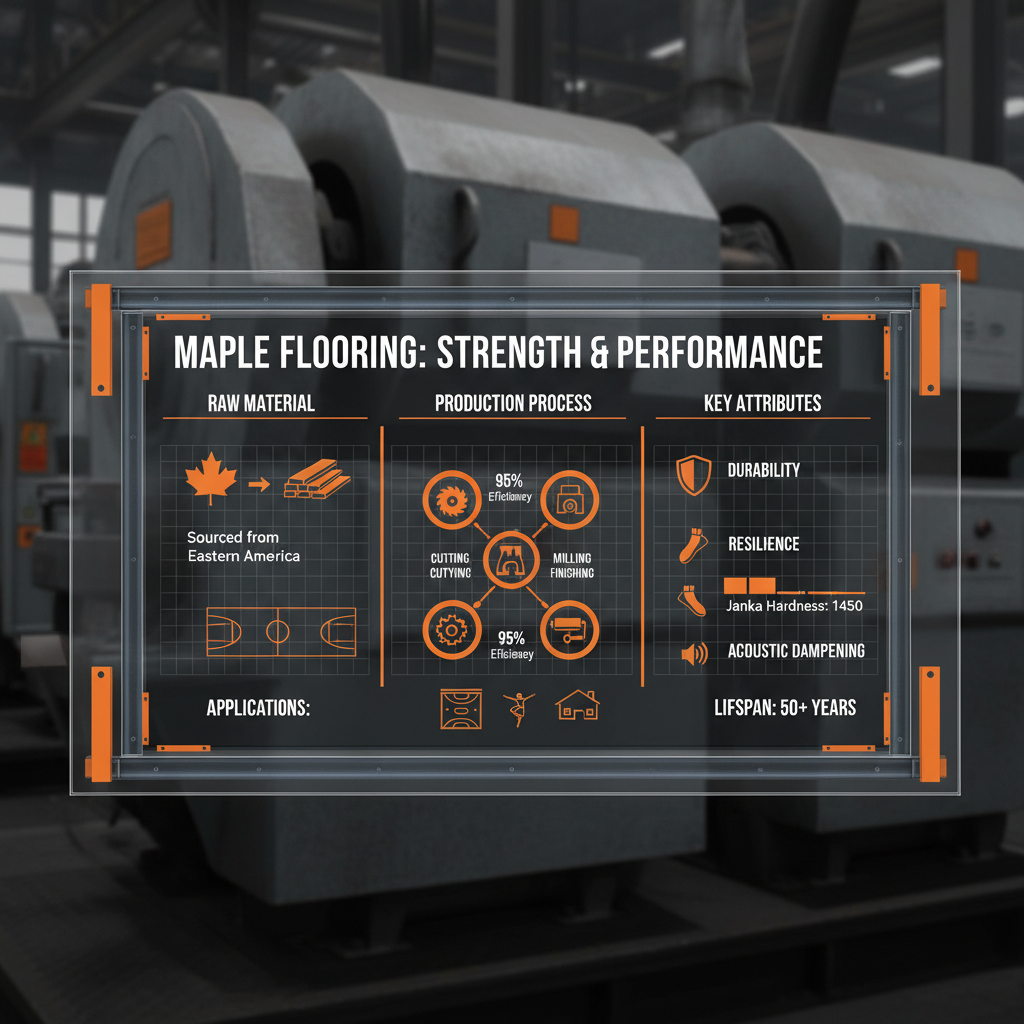
Maple flooring boasts several key characteristics that contribute to its popularity. Its hardness, measured by the Janka hardness scale, ranges from approximately 1450 for soft maple to 1450 for hard maple, making it resistant to dents and scratches. This durability is a major advantage, especially in busy households or commercial settings.

The wood’s fine grain pattern lends itself well to a variety of finishes, from clear coats that showcase the natural beauty of the wood to stains that add warmth and depth. Maple is also relatively stable, meaning it's less prone to warping or cupping compared to some other hardwood species, although proper acclimation and installation are crucial.

Finally, maple’s light color makes it a versatile choice for interior design. It brightens spaces and complements a wide range of color schemes. It’s a material that effortlessly blends traditional elegance with contemporary aesthetics, contributing to its enduring appeal as a flooring solution.

Maple Flooring Durability and Performance

The durability of maple flooring is a key factor driving its demand. Hard maple, in particular, is exceptionally resilient, able to withstand the wear and tear of daily life. This makes it a suitable choice for high-traffic areas, homes with pets, and active families. Its resistance to indentation sets it apart from softer wood options.

Performance also extends to longevity. With proper care and maintenance – regular cleaning, occasional refinishing – maple flooring can last for generations. This long lifespan contributes to its sustainability, reducing the need for frequent replacements.

Maple Flooring Performance Comparison

Global Applications of Maple Flooring

Maple flooring finds application across a diverse range of settings globally. In North America, it's a staple in residential construction, from suburban homes to luxury apartments. Its versatility makes it a favored choice for kitchens, living rooms, and bedrooms.

Europe exhibits a growing demand for maple, particularly in Scandinavian countries where light-colored wood tones are prevalent in interior design. Increasingly, maple flooring is being incorporated into commercial spaces in major cities like London, Paris, and Berlin, adding a touch of natural elegance.

Asia’s burgeoning construction sector is also driving demand, with maple flooring gaining popularity in high-end residential projects and boutique hotels, especially in countries like Japan and South Korea, where quality craftsmanship and natural materials are highly valued.

Long-Term Value of Maple Flooring

Investing in maple flooring provides significant long-term value, extending beyond its aesthetic appeal. Its durability translates to lower replacement costs over time, making it a financially sound choice. The ability to refinish maple floors multiple times further extends their lifespan, preserving their beauty for decades.

Furthermore, maple flooring can increase a property’s resale value. Potential homebuyers often view hardwood floors as a desirable feature, recognizing their quality and longevity. Its timeless style means it won’t quickly go out of fashion, ensuring sustained appeal.

Beyond financial considerations, maple flooring contributes to a healthier indoor environment. As a natural material, it doesn't emit harmful volatile organic compounds (VOCs), promoting better air quality. Its sustainable sourcing options also align with environmentally conscious lifestyles, adding to its overall value.

Maple Flooring: Trends and Challenges

Current trends in maple flooring favor wider planks, matte finishes, and textured surfaces. These styles create a more contemporary and natural look. Engineered maple flooring, offering increased stability and moisture resistance, is also gaining popularity.

However, the industry faces challenges related to sustainable sourcing. Ensuring responsible forestry practices and minimizing environmental impact are critical concerns. The rising cost of maple lumber is another challenge, prompting manufacturers to explore innovative production techniques and alternative materials.

Looking ahead, advancements in finish technology – such as ultra-durable and scratch-resistant coatings – are expected to further enhance the performance and longevity of maple flooring. Increased adoption of green building certifications will also drive demand for sustainably sourced maple products.

Summary of Maple Flooring Challenges and Mitigation Strategies

Challenge Impact on Maple Flooring Mitigation Strategy Effectiveness Score (1-10)
Sustainable Sourcing Risk of deforestation and habitat loss Forest Stewardship Council (FSC) certification 9
Rising Lumber Costs Increased flooring prices and reduced affordability Optimizing production efficiency and exploring alternative species 7
Moisture Sensitivity Warping, cupping, and structural damage Engineered maple flooring with improved moisture resistance 8
Scratch Resistance Surface damage and aesthetic degradation Applying durable polyurethane finishes 6
Installation Expertise Improper installation leading to premature failure Employing certified flooring installers 10
Consumer Awareness Lack of understanding regarding proper care and maintenance Educational resources and informative product labeling 7

FAQS

What is the Janka hardness rating for maple flooring?

The Janka hardness rating for maple flooring varies depending on the species. Hard maple typically ranges from 1450 to 1600 lbf (pounds-force), while soft maple is around 950 lbf. This rating indicates the amount of force required to embed a steel ball into the wood, providing a measure of its resistance to dents and wear. A higher Janka rating signifies a harder, more durable wood.

Is maple flooring a good choice for high-traffic areas?

Yes, maple flooring, particularly hard maple, is an excellent choice for high-traffic areas. Its impressive hardness and durability make it resistant to scratches, dents, and wear. While no flooring is completely impervious to damage, maple can withstand substantial foot traffic and daily use. Regular maintenance, such as sweeping and occasional refinishing, will help preserve its beauty and longevity.

How does engineered maple flooring differ from solid maple flooring?

Engineered maple flooring consists of a thin veneer of real maple wood bonded to a core of plywood or high-density fiberboard (HDF). Solid maple flooring, conversely, is made from a single piece of maple wood. Engineered maple is more stable and less prone to warping or expanding with changes in humidity, making it suitable for basements and areas with fluctuating moisture levels. Solid maple can be refinished more times than engineered maple.

What are the best finishes for maple flooring?

Polyurethane finishes are widely recommended for maple flooring due to their durability, water resistance, and ease of maintenance. Water-based polyurethanes offer a clear, natural look with low VOCs. Oil-based polyurethanes provide a warmer tone and enhanced durability. Aluminum oxide finishes are also available, offering exceptional scratch resistance but may be more difficult to repair. Proper application is key for any finish.

How do I properly care for and maintain maple flooring?

Regular cleaning with a soft, damp mop and a pH-neutral cleaner is essential. Avoid abrasive cleaners or excessive water. Place mats at entrances to trap dirt and debris. Use furniture pads under heavy items to prevent dents. Consider occasional refinishing every 5-10 years, depending on wear and tear, to restore the flooring’s beauty and protect its surface. Avoid exposing the floor to prolonged moisture.

Is maple flooring a sustainable choice?

Yes, maple flooring can be a sustainable choice, especially when sourced from responsibly managed forests. Look for certifications like the Forest Stewardship Council (FSC) to ensure the wood comes from forests that are harvested sustainably. Choosing maple also supports the preservation of hardwood forests. Considering its longevity and potential for refinishing, maple flooring minimizes the need for frequent replacements, reducing environmental impact.

Conclusion

In summary, maple flooring stands as a compelling choice for those seeking a beautiful, durable, and sustainable flooring solution. Its inherent qualities – hardness, versatility, and timeless appeal – make it suitable for a wide range of applications, from cozy homes to bustling commercial spaces. Responsible sourcing and proper maintenance are vital to maximizing its longevity and minimizing environmental impact.

Looking forward, advancements in finish technology and a growing emphasis on sustainable building practices will continue to enhance the value of maple flooring. We encourage you to explore the possibilities and discover how maple flooring can transform your space. Visit our website today to learn more and browse our extensive collection.
Ethan Reynolds

Ethan Reynolds

Ethan Reynolds is a seasoned Product Development Specialist at Hounda, dedicated to adapting and refining our flooring products for the US consumer. With a background in materials science and engineering from Georgia Tech, Ethan works closely with our R&D team in China, ensuring all products meet stringent US quality standards and environmental regulations. He's instrumental in testing and implementing new finishes and core materials, focused on durability and aesthetic appeal. Ethan is particularly proud of Hounda’s SPC flooring line and its resistance to moisture, a key benefit for US homeowners. He joined Hounda in 2020.
Previous Explore the Timeless Appeal of Grey Wooden Flooring for Modern Interiors
Next Expert Guide to Refinish Wood Floors for Home Value and Sustainability

If you are interested in our products, you can choose to leave your information here, and we will be in touch with you shortly.