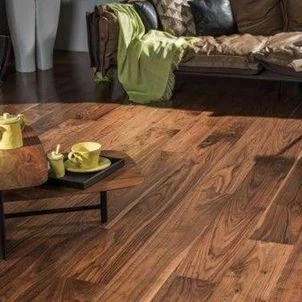
herringbone laminate
0%

Table of Contents

Brazilian Walnut, scientifically known as Imbuia, is a highly sought-after hardwood flooring option prized for its rich, dark brown color, striking grain patterns, and exceptional durability. Originating from the Amazon rainforests of Brazil, this exotic wood has gained global recognition as a premium flooring choice for both residential and commercial applications. Understanding its properties and sustainable sourcing is crucial in today’s environmentally conscious market. brazilian walnut offers a unique blend of aesthetic appeal and long-term performance, making it a standout option in the flooring industry.

The global demand for hardwood flooring continues to rise, driven by increased construction activity and a growing preference for natural materials. Brazilian Walnut has become a significant player in this market, particularly in North America, Europe, and Asia. However, ensuring responsible forestry practices is paramount to mitigate deforestation and protect the biodiversity of the Amazon rainforest. Sustainable harvesting and certification programs, like the Forest Stewardship Council (FSC), are essential to address these environmental concerns.

The enduring popularity of brazilian walnut stems from its exceptional qualities – a natural resistance to decay and insects, a beautiful aesthetic that complements various design styles, and a lifespan that can exceed a century with proper care. This combination makes it a worthwhile investment for homeowners and businesses alike, aligning with a growing desire for lasting value and quality craftsmanship.
brazilian walnut

Understanding the Essence of Brazilian Walnut
brazilian walnut

Brazilian Walnut, or Imbuia, represents more than just a flooring material; it embodies a connection to the rich biodiversity of the Amazon rainforest. Its distinctive dark hue and pronounced grain are the result of the tree’s slow growth and the unique soil conditions of its native habitat. Understanding its natural origins is critical when assessing its value and making informed purchasing decisions.brazilian walnut is a luxurious choice.

The appeal of Imbuia lies in its ability to add warmth and sophistication to any interior space. Whether used in classic or contemporary designs, its natural beauty serves as a focal point, elevating the overall aesthetic. Recognizing the demand for sustainable materials, responsible sourcing practices are increasingly important for maintaining the integrity and long-term availability of this exceptional wood.

The Global Significance of Imbuia Wood

The trade of hardwoods like Brazilian Walnut has a substantial impact on the global economy, particularly for Brazil as a major exporter. According to the Food and Agriculture Organization of the United Nations (FAO), Brazil consistently ranks among the top hardwood producers worldwide. However, this economic activity must be balanced with environmental sustainability and social responsibility, ensuring fair trade practices and protecting the livelihoods of local communities.

The increasing global awareness of deforestation and illegal logging has led to stricter regulations and a growing demand for certified sustainable wood products. Initiatives like the Forest Stewardship Council (FSC) certification play a crucial role in ensuring that Brazilian Walnut is harvested responsibly, minimizing environmental damage and promoting forest conservation. Consumers are increasingly seeking assurance that their flooring choices are ethically sourced.

The popularity of brazilian walnut extends beyond aesthetics and economic considerations; its unique properties contribute to healthier indoor environments. As a natural material, it doesn’t emit harmful volatile organic compounds (VOCs) often found in synthetic flooring options, making it a preferred choice for individuals prioritizing indoor air quality and overall well-being.

Defining Brazilian Walnut: Characteristics and Origin

Brazilian Walnut ( Ocotea porosa) is a hardwood species native to the subtropical and tropical rainforests of Brazil, Paraguay, and Argentina. It’s known for its dense, durable wood with a color ranging from dark reddish-brown to purplish-brown, often exhibiting striking grain patterns. The wood’s density contributes to its resistance to scratches, dents, and wear, making it an ideal choice for high-traffic areas.

Unlike true walnuts, Brazilian Walnut is not botanically related to the walnut family. It’s named for its resemblance in color and grain pattern to North American Black Walnut. This makes it a popular substitute for Black Walnut, particularly when seeking a more sustainable and readily available option. The sustainable harvesting of brazilian walnut is a focus of many companies.

The trees themselves can grow to impressive heights, reaching over 100 feet, and require decades to mature. This slow growth rate underscores the importance of responsible forestry practices to ensure the long-term availability of this valuable resource. Brazilian Walnut is a beautiful and sustainable flooring solution.

Key Attributes of Brazilian Walnut Flooring

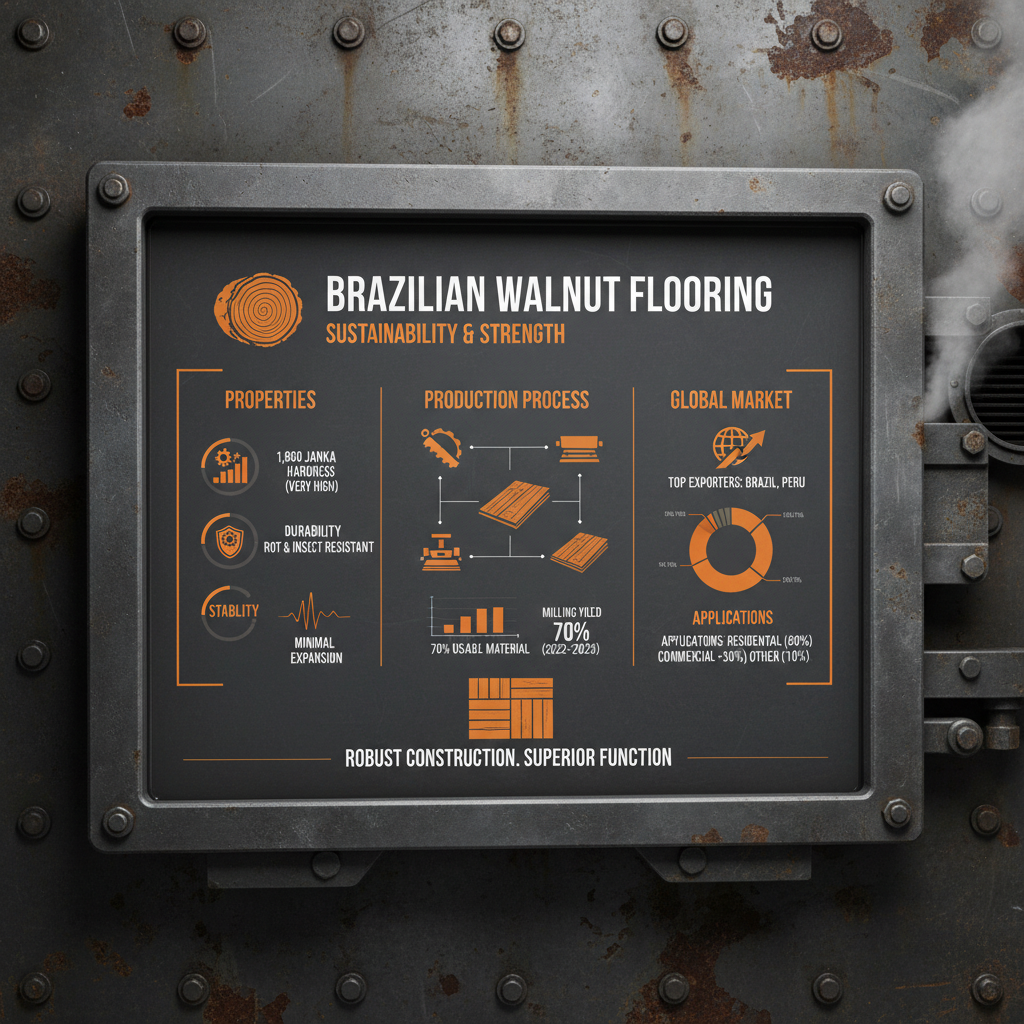
The appeal of brazilian walnut flooring lies in its unique combination of durability and aesthetic qualities. Its hardness rating, typically around 3680 on the Janka hardness scale, exceeds that of many other popular hardwood species like Oak and Maple, making it highly resistant to everyday wear and tear. brazilian walnut's resistance to wear makes it a strong choice.

Beyond its physical robustness, brazilian walnut offers exceptional dimensional stability, meaning it’s less prone to warping or shrinking due to changes in humidity and temperature. This makes it a suitable choice for a wide range of climates and installation environments.

Brazilian Walnut Flooring Performance Metrics

Global Applications and Use Cases of Brazilian Walnut

Brazilian Walnut flooring is utilized in a vast array of applications worldwide. From luxurious residential homes and high-end apartments to bustling commercial spaces like hotels, restaurants, and offices, its versatility and aesthetic appeal make it a popular choice for interior designers and architects.

The demand for this exotic hardwood extends beyond flooring. It's also commonly used in furniture making, cabinetry, and even decorative veneers. In post-disaster relief operations, the durability of Brazilian Walnut makes it suitable for constructing temporary shelters and emergency housing.

Advantages and Long-Term Value Proposition

Investing in brazilian walnut flooring delivers a multitude of tangible benefits. Its exceptional durability translates to a longer lifespan, reducing the need for frequent replacements and minimizing long-term costs. Beyond the financial savings, brazilian walnut contributes to a healthier indoor environment by emitting fewer VOCs compared to synthetic alternatives.

From an aesthetic standpoint, the unique grain patterns and rich color of brazilian walnut add a touch of elegance and sophistication to any space, increasing property value and enhancing the overall living or working experience. This combination of cost-effectiveness, sustainability, and aesthetic appeal establishes brazilian walnut as a truly valuable investment.

The inherent natural beauty of brazilian walnut fosters a sense of warmth and connection to nature, creating a more inviting and comforting atmosphere. This emotional benefit, coupled with the long-term financial and environmental advantages, solidifies its position as a premium flooring choice.

Future Trends and Sustainability in Brazilian Walnut Production

The future of brazilian walnut production hinges on the widespread adoption of sustainable forestry practices. Innovations in forest management, such as precision forestry and reforestation initiatives, are crucial for ensuring the long-term availability of this valuable resource.

The integration of digital technologies, like drone-based forest monitoring and supply chain traceability systems, can enhance transparency and accountability, combating illegal logging and promoting responsible sourcing. Furthermore, research into alternative finishing products with low VOC emissions will contribute to a more environmentally friendly and sustainable flooring industry.

Growing consumer demand for eco-conscious products is driving manufacturers to prioritize sustainability throughout the entire supply chain, from responsible harvesting to ethical production and transportation. brazilian walnut will remain a strong contender.

Summary of Key Considerations for Sustainable Brazilian Walnut Production

Forest Management Practices Supply Chain Transparency Product Innovation Consumer Demand
Selective Logging Chain of Custody Certification Low-VOC Finishes Increased Preference for Sustainable Products
Reforestation Programs Digital Traceability Systems Bio-Based Coatings Willingness to Pay Premium for Eco-Friendly Options
Forest Certification (FSC) Auditing and Verification Recycled Content Integration Demand for Transparency in Sourcing
Community-Based Forest Management Blockchain Technology for Tracking Water-Based Polyurethane Finishes Growing Awareness of Environmental Impact
Reduced-Impact Logging Techniques Independent Monitoring Use of Sustainable Packaging Materials Support for Sustainable Forestry Initiatives
Conservation of Biodiversity Compliance with Regulations Innovative Wood Preservation Methods Increased Value Placed on Ethical Production

FAQS

What makes Brazilian Walnut flooring a sustainable choice?

Brazilian Walnut can be a sustainable choice when sourced from responsibly managed forests certified by organizations like the FSC. These certifications ensure that harvesting practices are environmentally sound, protecting biodiversity and supporting local communities. Choosing FSC-certified brazilian walnut reduces your environmental impact and contributes to the preservation of the Amazon rainforest. This is why looking for certifications is important when selecting this type of flooring.

How does Brazilian Walnut compare to other hardwood flooring options in terms of durability?

Brazilian Walnut is exceptionally durable, boasting a Janka hardness rating of around 3680, making it harder than many popular hardwoods like Oak and Maple. This high hardness rating translates to excellent resistance to scratches, dents, and wear, making it ideal for high-traffic areas. It is well suited to both residential and commercial projects. With proper maintenance, it can last for generations.

What is the typical cost range for installing Brazilian Walnut flooring?

The cost of installing Brazilian Walnut flooring varies depending on factors like the grade of the wood, the complexity of the installation, and labor rates in your area. Typically, material costs range from $8 to $15 per square foot, and installation can add another $3 to $8 per square foot. Total costs can range from $11 to $23 per square foot.

How should I maintain and care for my Brazilian Walnut floors?

Regular maintenance is key to preserving the beauty of your brazilian walnut floors. Sweep or vacuum regularly to remove dirt and debris. Use a pH-neutral wood cleaner for occasional damp mopping. Avoid excessive moisture, harsh chemicals, and abrasive cleaning tools. Periodic refinishing every 5-10 years may be necessary to restore the original luster.

Is Brazilian Walnut flooring suitable for humid climates?

Brazilian Walnut exhibits good dimensional stability, making it relatively resistant to warping or shrinking in humid climates. However, proper acclimation to the local environment before installation is crucial. Maintaining consistent indoor humidity levels using a humidifier or dehumidifier can further minimize any potential issues. A high-quality vapor barrier is also recommended.

What are the common color variations in Brazilian Walnut flooring?

Brazilian Walnut naturally exhibits a range of color variations, from a rich, dark reddish-brown to a purplish-brown hue. These variations are inherent to the wood and add to its unique character. Over time, exposure to light may cause the wood to darken slightly. These are normal reactions and are celebrated as signs of natural aging of the flooring.

Conclusion

In conclusion, Brazilian Walnut flooring represents a compelling blend of beauty, durability, and sustainability. Its rich color, striking grain patterns, and exceptional hardness make it a desirable choice for both residential and commercial spaces. However, responsible sourcing and a commitment to sustainable forestry practices are crucial for ensuring the long-term availability of this valuable resource. brazilian walnut is an excellent flooring choice.

Looking ahead, the future of Brazilian Walnut lies in embracing innovation and prioritizing environmental stewardship. By adopting advanced forest management techniques, promoting transparency in the supply chain, and meeting growing consumer demand for eco-conscious products, we can safeguard the integrity of the Amazon rainforest and ensure that this exceptional hardwood continues to grace our homes and buildings for generations to come.
Ethan Turner

Ethan Turner

Ethan is the Marketing Director at Cangzhou Jiujiang, focusing on expanding the brand's presence in North America. With over a decade of experience in outdoor apparel marketing, Ethan leverages his knowledge to promote the company’s PU rainwear, emphasizing its BSCI and GRS certifications.

Previous Exploring the Rise of Wood Effect Lino Flooring and its Global Impact
Next Luxury Brazilian Cherry Hardwood Flooring Guide for Home Design

If you are interested in our products, you can choose to leave your information here, and we will be in touch with you shortly.