
- russian
- luganda
- maithili
- maori
- marathi
- norwegian
- oromo
- persian
- polish
- portuguese
- quechua
- korean
- shona
- sindhi
- singapore
- spanish
- tamil
- thai
- turkish
- ukrainian
- urdu
- vietnamese
- english
- arabic
- aymara
- basque
- belarusian
- bengali
- cebuano
- czech
- danish
- deutsch
- dutch
- afrikaans
- filipino
- finnish
- french
- galician
- hindi
- indonesian
- irish
- italian
- japanese

Look, hardwood flooring. It's not exactly reinventing the wheel, right? But let me tell you, after years of crawling around job sites, breathing in sawdust, and arguing with contractors, you start to notice things. There’s a lot of hype around engineered wood these days, and honestly, it has its place. But nothing beats the real deal, the solid stuff. Been seeing a push for wider planks, too. Seems everyone wants that open, airy feel. Problem is, wider planks need a *really* stable subfloor. I saw a disaster in Boston last fall – cupping everywhere. Anyway, I think it all comes down to installation, and that’s where things get tricky.
You wouldn’t believe the arguments I've had about finish. Everyone wants that matte look, but they want it durable. Turns out, the matte finishes aren’t always the toughest. I encountered this at a factory in North Carolina last time, and they were scrambling to find a balance. They’re using more UV-cured finishes now, which is good, but still, it's a trade-off. And don’t even get me started on the color variations. Clients always want perfection, but wood is wood. It’s got character, you know?
To be honest, most people just want something that looks good and lasts. They don’t care about the technical specs, they care about how it feels under their feet and how easy it is to clean up after the kids. Which, let’s be real, is a pretty big factor.
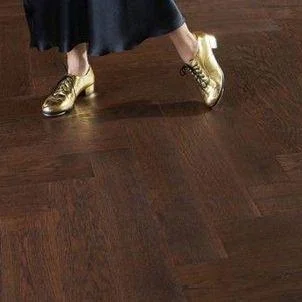
The Current Landscape of hardwood flooring
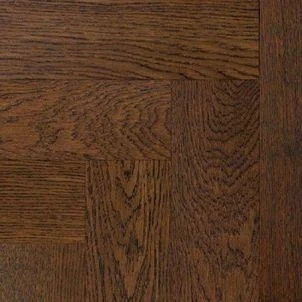
Have you noticed how everything is going towards sustainability? It’s huge. Reclaimed wood is gaining traction, but the supply is… unpredictable, to say the least. People want to know where the wood comes from, how it’s harvested. They're asking about FSC certification, which is good, but it doesn’t solve everything. It's complicated. And then there's bamboo. Seems like it was the next big thing for a while, but the durability issues... well, let’s just say it's not always a slam dunk.
Strangely, there’s been a resurgence of interest in traditional wood species like oak and maple. They’re reliable, they’re readily available, and people trust them. But even *within* oak, you’ve got red oak, white oak… different grain patterns, different hardnesses. It's enough to make your head spin.
FAQS
Honestly, keep it simple. Damp mop with a pH-neutral cleaner. Don't soak it! And avoid abrasive cleaners, they'll ruin the finish. Microfiber mops are your friend. You want to avoid getting water trapped in the seams, that’s what causes problems. Weekly sweeping or vacuuming (with a soft brush attachment) is also key.
A properly installed and maintained hardwood floor can last for generations. Seriously. I’ve seen floors that are over 100 years old and still looking good. But it depends on the wood species, the finish, and how much wear and tear it gets. Refinishing can add years to its life, usually every 10-20 years, depending on traffic.
That's a tricky one. Basements are notorious for moisture. If your basement is consistently dry, you *might* be able to get away with it, but you’ll need a really good moisture barrier. Engineered wood is a safer bet for basements because it’s more resistant to moisture. But honestly, I generally steer people towards other options for basements, like tile or laminate.
Solid hardwood is one piece of wood, all the way through. Engineered hardwood is made of layers – a core of plywood or MDF with a veneer of real wood on top. Solid is more durable and can be refinished more times, but it’s more susceptible to moisture damage. Engineered is more stable and can be installed in more places, but it can’t be refinished as many times.
That depends. A *lot*. Wood species, grade, finish, installation costs… it all adds up. You’re looking at anywhere from $5 to $15+ per square foot for the materials alone. And then you’ve got to factor in labor, which can easily add another $3 to $7 per square foot. It’s an investment, that's for sure.
You *can*. But should you? That's a different question. It’s not as easy as it looks. You need the right tools, the right skills, and a lot of patience. A bad installation can ruin a perfectly good floor. If you're not confident, hire a professional. It'll save you headaches in the long run.
Conclusion
So, yeah, hardwood flooring. It's a classic for a reason. It’s beautiful, it’s durable, and it adds value to a home. But it’s not without its challenges. You need to choose the right wood, install it properly, and maintain it regularly. It's a bit of work, but it's worth it.
Ultimately, whether this thing works or not, the worker will know the moment he tightens the screw. That's the truth of it. Check out our site at houndafloor.com to learn more.

Ethan Reynolds
If you are interested in our products, you can choose to leave your information here, and we will be in touch with you shortly.


