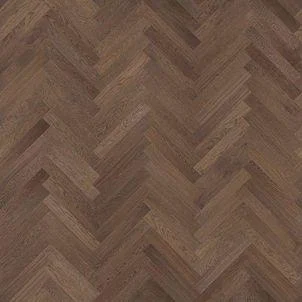
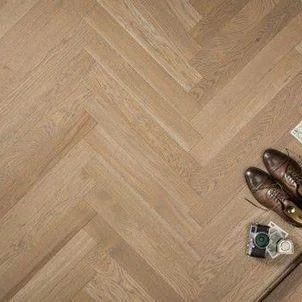
herringbone laminate
0%

Table of Contents

Engineered wood flooring has rapidly become a dominant force in the global flooring market, offering a compelling alternative to traditional hardwood.  Its unique construction – a core of plywood or high-density fiberboard topped with a veneer of real wood – provides stability, affordability, and design versatility. This has led to increased adoption in both residential and commercial sectors worldwide, driven by growing demand for sustainable and cost-effective building materials.

       The increasing urbanization and housing construction in developing countries, coupled with a renewed focus on interior aesthetics, are major factors fueling the growth of engineered wood flooring.  Global supply chains have become more efficient, making this product accessible across diverse markets.  However, challenges remain in ensuring sustainable sourcing of raw materials and managing volatile pricing due to global economic factors.

       Understanding the nuances of engineered wood flooring—from its manufacturing process to its long-term performance—is vital for architects, contractors, homeowners, and industry professionals alike. Investing in knowledge of this material allows for informed decision-making, resulting in beautiful, durable, and environmentally responsible flooring solutions.
   

What is Engineered Wood Flooring?
           

engineered wood flooring isn't simply a 'substitute' for solid hardwood; it’s a distinct product designed with specific advantages.  Unlike solid hardwood which is milled from a single piece of timber, engineered wood flooring is constructed by bonding multiple layers of wood together. This construction provides greater dimensional stability, reducing the likelihood of warping or buckling, particularly in environments with fluctuating humidity levels.

           The core layers are typically composed of plywood or high-density fiberboard (HDF), providing strength and resistance to moisture. This is then topped with a veneer of real wood, offering the aesthetic appeal of solid hardwood while benefitting from the stability of the multi-layered construction. The thickness of the veneer determines the number of times the floor can be refinished.

The Global Impact of Engineered Wood Flooring

The demand for engineered wood flooring is experiencing significant global growth, driven by factors such as rising construction activity, increasing disposable incomes, and a growing preference for aesthetically pleasing and durable flooring solutions. According to Statista, the global wood flooring market was valued at approximately $45.7 billion in 2023 and is projected to reach $62.8 billion by 2028. A substantial portion of this growth is attributed to engineered wood.

       This trend isn't limited to developed nations. Emerging economies, particularly in Asia-Pacific and Latin America, are witnessing a rapid increase in the adoption of engineered wood flooring due to its cost-effectiveness and suitability for various climates. The rise in sustainable building practices is also contributing, as engineered wood often utilizes wood from sustainably managed forests.

       However, the expansion also presents challenges.  The increasing demand requires careful management of forest resources and the adoption of eco-friendly manufacturing processes to minimize environmental impact.  Logistics and supply chain disruptions remain potential concerns, particularly in the context of global trade dynamics.

Defining Engineered Wood Flooring: Core Components

At its core, engineered wood flooring is a composite product, expertly layered to maximize stability and performance. The fundamental components are the wear layer (the real wood veneer), the core layer, and the backing layer. The wear layer’s thickness dictates the floor's longevity and refinishing potential; thicker veneers allow for multiple sanding and refinishing cycles, extending the floor's lifespan.

           The core layer, often made from plywood or HDF, provides structural strength and resistance to warping. Plywood, with its cross-grained construction, offers exceptional stability and moisture resistance, making it ideal for high-humidity environments. HDF, a denser material, is commonly used in lower-priced options, but is still a reliable core material when properly manufactured.  

           Finally, the backing layer adds further stability and can include moisture barriers.  Some engineered wood floors also incorporate an attached underlayment, simplifying installation and improving sound insulation.

Key Factors Influencing Engineered Wood Flooring Performance

Several key aspects determine the quality and performance of engineered wood flooring. Durability is heavily reliant on the wear layer's thickness and the wood species used. Harder wood species, like oak and maple, offer greater resistance to dents and scratches. Stability is determined by the core material and construction – a high-quality plywood core provides superior resistance to moisture and warping compared to some HDF cores.

       Moisture resistance is crucial, particularly in areas prone to humidity.  Look for floors with water-resistant core materials and finishes. Installation quality is also paramount; improper installation can negate the benefits of even the highest-quality product.  Finally, the finish plays a vital role in protecting the wood from wear and tear, and influencing its appearance.

Engineered Wood Flooring Performance Metrics

Applications of Engineered Wood Flooring Worldwide

Engineered wood flooring’s versatility makes it suitable for a vast range of applications.  In residential construction, it’s widely used in living rooms, bedrooms, kitchens, and hallways, offering a warm and inviting aesthetic. Its stability makes it particularly well-suited for installations over concrete subfloors, a common scenario in basements.  

       Commercially, engineered wood flooring is found in offices, retail spaces, hotels, and even gyms. The durability and resistance to wear make it an excellent choice for high-traffic areas.  In post-disaster relief efforts, prefabricated homes using engineered wood flooring provide rapid and affordable shelter solutions.

Advantages and Long-Term Value of Engineered Wood Flooring

The benefits of opting for engineered wood flooring extend beyond aesthetics. Cost-effectiveness is a significant advantage, as it typically costs less than solid hardwood while still providing a high-end look.  Sustainability is another key benefit, as manufacturers increasingly utilize sustainably sourced wood and environmentally friendly finishes.

       The dimensional stability of engineered wood prevents warping and buckling, increasing the lifespan of the floor.  It also adds value to properties, appealing to potential buyers who appreciate quality and durability. The ease of installation, particularly with click-lock systems, reduces labor costs and project timelines.

Future Trends and Innovations in Engineered Wood Flooring

The engineered wood flooring industry is continuously evolving, driven by innovation and sustainability concerns.  The development of new core materials, such as those incorporating recycled plastics, aims to further reduce environmental impact. Advances in finish technology are creating more durable and scratch-resistant surfaces.  

       Digital printing technology allows for more intricate and realistic wood grain patterns, expanding design possibilities.  Smart flooring, incorporating sensors for temperature and humidity control, is an emerging trend. Moreover, there’s a growing emphasis on traceability and transparency in the supply chain, ensuring responsible sourcing and ethical manufacturing practices.

Challenges and Solutions

Despite its many advantages, engineered wood flooring faces some challenges. Concerns regarding the volatile organic compounds (VOCs) emitted by some adhesives and finishes remain a valid point.  However, manufacturers are increasingly adopting low-VOC and formaldehyde-free products to address this issue.  

       Another challenge is ensuring the responsible sourcing of wood, preventing deforestation and supporting sustainable forestry practices. Certification programs like the Forest Stewardship Council (FSC) help consumers identify products from responsibly managed forests. Maintaining a consistent quality across different manufacturers and product lines is also important.

       Furthermore, educating consumers about the proper care and maintenance of engineered wood flooring is vital for ensuring its long-term performance and preventing premature wear and tear.

Core Performance Attributes of Engineered Wood Flooring

Wood SpeciesCore MaterialWear Layer Thickness (mm)Moisture Resistance (1-10)
OakPlywood2.58
MapleHDF2.06
HickoryPlywood3.09
WalnutHDF1.55
CherryPlywood2.07
BirchHDF1.24

FAQS

What are the main differences between engineered wood and solid hardwood flooring?            

The primary difference lies in construction. Solid hardwood is milled from a single piece of wood, while engineered wood consists of a real wood veneer bonded to a core of plywood or HDF. This layered construction makes engineered wood more dimensionally stable, less susceptible to warping, and suitable for installations over concrete.  It’s also generally more affordable and can be installed in areas where solid hardwood isn’t recommended, like basements.

Is engineered wood flooring waterproof?            

While not completely waterproof, many engineered wood floors offer excellent water resistance.  Look for products with water-resistant core materials and specialized finishes. However, standing water should always be cleaned up promptly to prevent damage.  Some newer products boast fully waterproof cores designed for high-moisture environments like bathrooms and kitchens.

How long does engineered wood flooring typically last?            

With proper care and maintenance, engineered wood flooring can last for 20-30 years, or even longer. The lifespan depends on the thickness of the wear layer and the quality of the materials used. Floors with thicker wear layers can be refinished multiple times, extending their usable life. Regular cleaning, avoiding excessive moisture, and using protective furniture pads are crucial for longevity.

Can engineered wood flooring be refinished?            

Yes, but only if the wear layer is thick enough. The wear layer is the top layer of real wood.  If it’s sufficiently thick (typically 2mm or more), the floor can be sanded and refinished a limited number of times. The number of refinishing cycles depends on the original thickness of the veneer. Floors with thinner wear layers cannot be refinished.

Is engineered wood flooring a sustainable flooring option?            

Yes, engineered wood can be a sustainable choice. It utilizes less of the original tree compared to solid hardwood, and many manufacturers prioritize sustainably sourced wood from responsibly managed forests (look for FSC certification). Furthermore, the use of recycled content in core materials and low-VOC finishes contribute to a lower environmental impact.

How does the cost of engineered wood flooring compare to other flooring options?            

Generally, engineered wood flooring is more affordable than solid hardwood, but more expensive than laminate or vinyl flooring.  The cost varies based on the wood species, wear layer thickness, core material, and finish.  Considering installation costs, engineered wood offers a good balance of price, durability, and aesthetic appeal.

Conclusion

Engineered wood flooring represents a significant advancement in the flooring industry, offering a compelling blend of beauty, durability, cost-effectiveness, and sustainability. Its innovative construction addresses many of the limitations of traditional hardwood, making it a versatile choice for a wide range of applications. From residential homes to commercial spaces,  engineered wood flooring continues to gain popularity globally.

       Looking ahead, continued innovation in materials, manufacturing processes, and finish technologies will further enhance the performance and environmental profile of engineered wood flooring.  Choosing engineered wood isn’t simply about selecting a floor; it’s about investing in a long-lasting, beautiful, and responsible flooring solution.  Visit our website at www.houndafloor.com to explore our extensive collection of engineered wood flooring options.
Ethan Turner

Ethan Turner

Ethan is the Marketing Director at Cangzhou Jiujiang, focusing on expanding the brand's presence in North America. With over a decade of experience in outdoor apparel marketing, Ethan leverages his knowledge to promote the company’s PU rainwear, emphasizing its BSCI and GRS certifications.

Previous Solid Maple Flooring Beauty Durability
Next Wood Flooring Types Trends Sustainable Solutions

If you are interested in our products, you can choose to leave your information here, and we will be in touch with you shortly.