
- russian
- luganda
- maithili
- maori
- marathi
- norwegian
- oromo
- persian
- polish
- portuguese
- quechua
- korean
- shona
- sindhi
- singapore
- spanish
- tamil
- thai
- turkish
- ukrainian
- urdu
- vietnamese
- english
- arabic
- aymara
- basque
- belarusian
- bengali
- cebuano
- czech
- danish
- deutsch
- dutch
- afrikaans
- filipino
- finnish
- french
- galician
- hindi
- indonesian
- irish
- italian
- japanese

Floating floorboards have revolutionized the construction and interior design industries, offering a versatile and increasingly popular flooring solution. Their ease of installation, cost-effectiveness, and aesthetic appeal make them a preferred choice for residential and commercial applications globally. Understanding the nuances of floating floorboards – from material composition to installation techniques – is crucial for architects, contractors, and homeowners alike, leading to durable, beautiful, and functional spaces.
The global demand for flooring solutions is continuously growing, driven by urbanization, infrastructure development, and rising disposable incomes. Floating floorboards address key challenges in this market, providing a quicker, cleaner, and often more affordable alternative to traditional flooring methods. With a focus on sustainability and innovation, the industry is witnessing advancements in materials and manufacturing processes, further enhancing the performance and environmental friendliness of these flooring systems.
Beyond aesthetics, floating floorboards contribute significantly to indoor air quality and comfort. Their often hypoallergenic properties, coupled with improved insulation, make them a healthy and energy-efficient choice for a wide range of buildings, playing a role in creating more sustainable living and working environments.
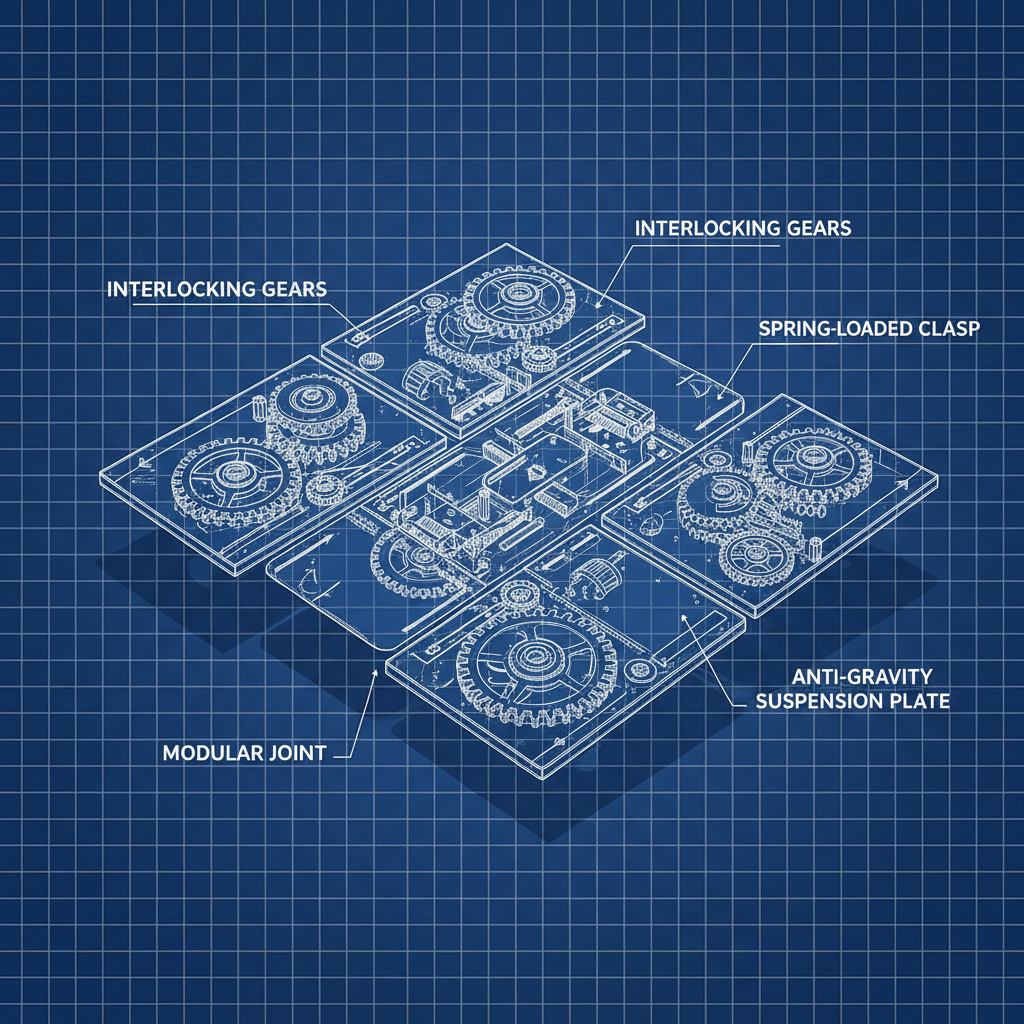
Introduction to Floating Floorboards
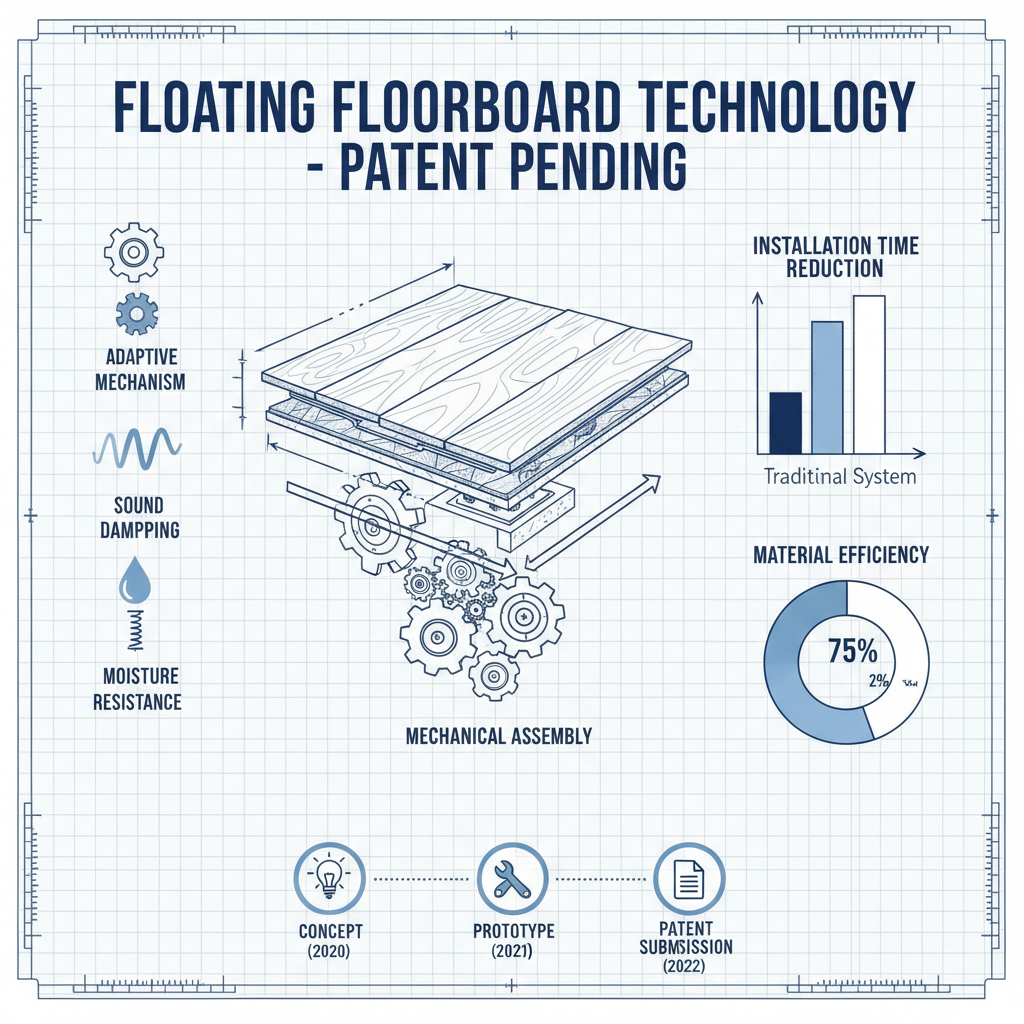
Floating floorboards represent a significant advancement in flooring technology, offering a unique installation method that doesn't require direct adhesion to the subfloor. This "floating" action, achieved through interlocking mechanisms or adhesive strips, contributes to their flexibility and ease of repair. Understanding this foundational aspect is crucial when evaluating their suitability for different applications.
The versatility of floating floorboards stems from the wide range of materials they are constructed from, including laminate, vinyl, and engineered wood. Each material possesses unique characteristics, impacting their durability, water resistance, and aesthetic qualities. This allows for customized flooring solutions tailored to specific project requirements and budgetary constraints.
FAQS
Laminate floors consist of a composite wood press and an image layer, offering a realistic wood look. Vinyl, on the other hand, is made of PVC and is more water-resistant and softer underfoot. Laminate tends to be less expensive, while vinyl excels in durability and moisture protection. Consider your lifestyle and the room's environment when choosing between the two. Both provide a great alternative to traditional flooring, particularly when comparing to the cost and ease of installation of floating floorboards.
While standard laminate isn't ideal for bathrooms due to its susceptibility to water damage, luxury vinyl plank (LVP) floating floorboards are a great option. LVP is waterproof and can withstand the moisture levels typically found in bathrooms. Ensure proper sealing around fixtures and baseboards for optimal protection. Always check the manufacturer’s specifications to confirm suitability.
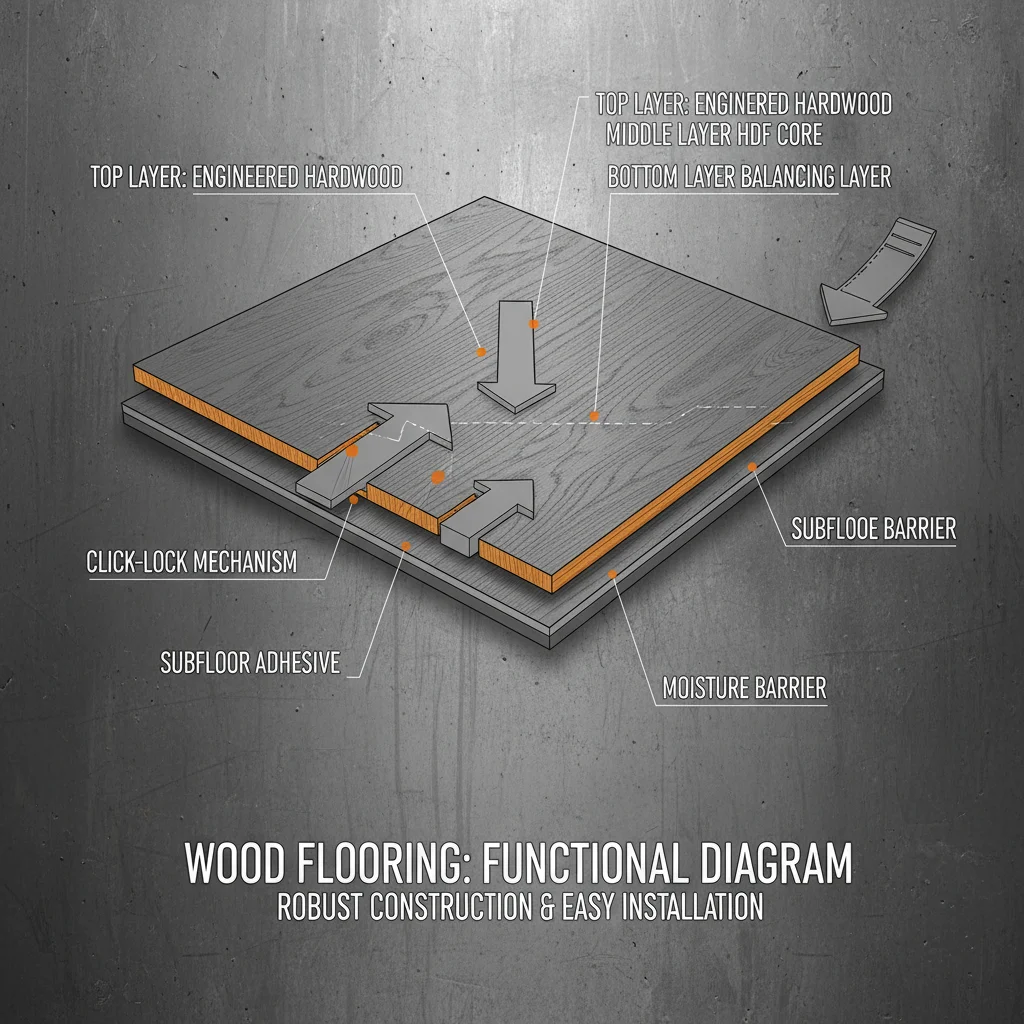
Floating floorboards are known for their DIY-friendly installation. Most systems utilize a click-lock mechanism that requires no glue or nails. However, proper subfloor preparation is crucial for a successful installation. This includes ensuring the subfloor is clean, level, and dry. Follow the manufacturer's instructions carefully for best results.
Yes, certain types of floating floorboards are compatible with radiant heat systems. However, it’s essential to choose a product specifically designed for radiant heat and to follow the manufacturer’s guidelines for installation and temperature limits. Excessive heat can cause warping or damage to the flooring.
Regular cleaning is essential to maintain the beauty and longevity of your floating floorboards. Sweep or vacuum frequently to remove dirt and debris. Damp-mop with a pH-neutral cleaner specifically designed for your floor's material. Avoid using abrasive cleaners or excessive water.
The lifespan of floating floorboards varies depending on the material and quality of installation. Laminate floors typically last 10-20 years, while vinyl floors can last 20-30 years or even longer. Engineered wood floors, with proper care, can last for decades. Regular maintenance and prompt repair of any damage will extend the lifespan of your floor.
Conclusion
Floating floorboards have fundamentally altered the flooring landscape, offering a compelling combination of affordability, ease of installation, and aesthetic versatility. From residential homes to commercial spaces, their adaptability makes them a practical choice for a wide range of applications. Understanding the core components, advantages, and future trends associated with these flooring systems empowers informed decision-making.
Looking ahead, continued innovation in materials and manufacturing processes will further enhance the performance and sustainability of floating floorboards. By embracing these advancements, we can create spaces that are not only beautiful and functional but also environmentally responsible. For quality and reliable floating floorboards, visit our website today!

Ethan Reynolds
If you are interested in our products, you can choose to leave your information here, and we will be in touch with you shortly.


