
- russian
- luganda
- maithili
- maori
- marathi
- norwegian
- oromo
- persian
- polish
- portuguese
- quechua
- korean
- shona
- sindhi
- singapore
- spanish
- tamil
- thai
- turkish
- ukrainian
- urdu
- vietnamese
- english
- arabic
- aymara
- basque
- belarusian
- bengali
- cebuano
- czech
- danish
- deutsch
- dutch
- afrikaans
- filipino
- finnish
- french
- galician
- hindi
- indonesian
- irish
- italian
- japanese

Understanding Importance of Gusset Plate in Steel Structure
Understanding the Importance of Gusset Plate in Steel Structure
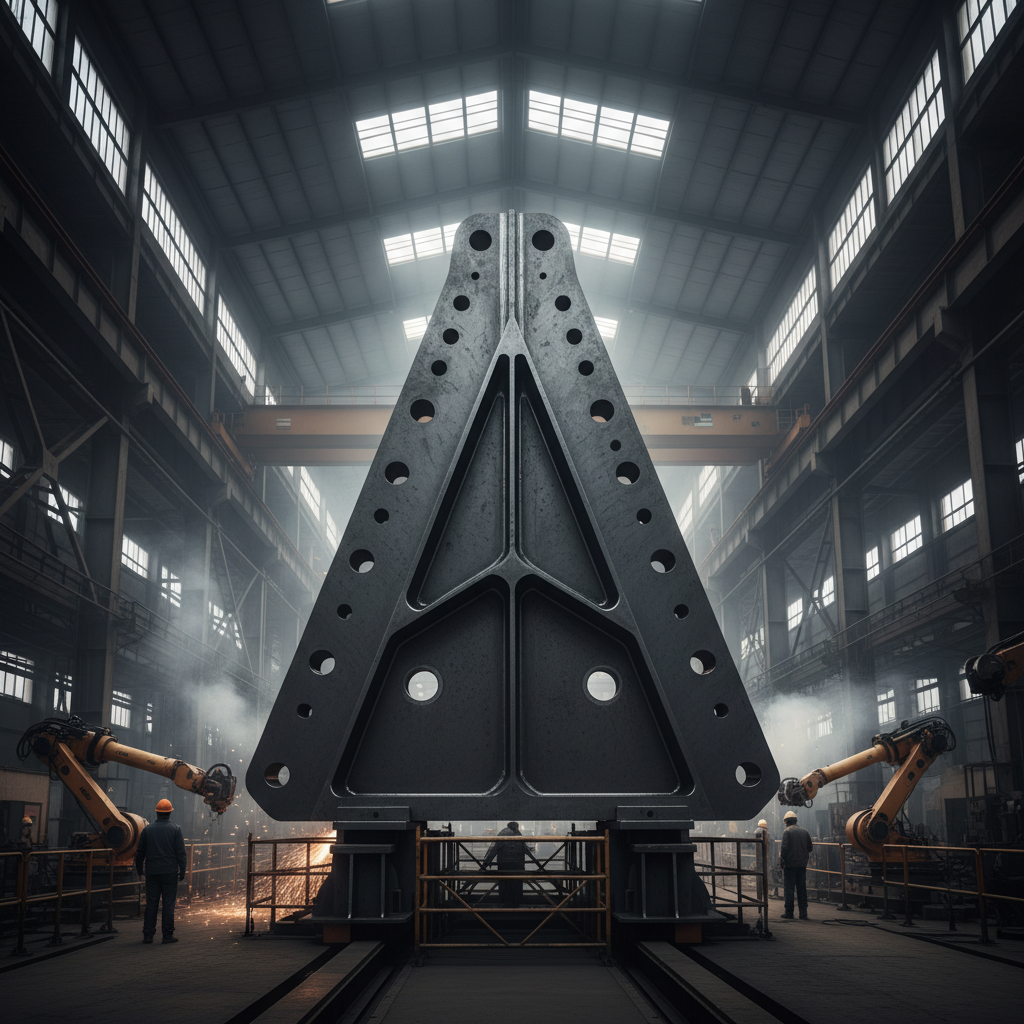
In the realm of modern engineering, the stability of a building or bridge depends heavily on the integrity of its connections. A gusset plate in steel structure acts as the critical junction that transfers loads between structural members, ensuring that forces are distributed evenly and safely. Whether it is a massive warehouse frame or a complex truss system, these thick steel plates prevent structural failure by providing a robust surface for bolting or welding. Understanding how to select and implement these plates is essential for any contractor or engineer aiming for long-term durability and safety.
The Primary Functions of a Gusset Plate
The primary role of a gusset plate in steel structure is to serve as a connecting element. In a truss, for example, several beams may meet at a single point; the gusset plate provides the necessary surface area to connect these beams securely. By utilizing high-strength steel, these plates can withstand immense tension and compression forces, preventing the joint from buckling under the weight of the structure. Proper alignment and thickness of the plate are vital to avoid stress concentrations that could lead to fatigue cracks over time.
Pro Tip: Always ensure that the edge distance of bolt holes in the gusset plate meets industry standards to prevent "tear-out" failure, which is one of the most common causes of joint instability.
Material Selection for Gusset Plate in Steel Structure
Not all steel plates are created equal. The choice of material for a gusset plate in steel structure depends on the environmental conditions and the expected load. Most projects utilize ASTM A36 or A572 Grade 50 steel due to their excellent weldability and strength-to-weight ratio. For structures exposed to harsh weather or coastal salt air, galvanized steel or weathering steel is preferred to prevent corrosion, which can thin the plate and compromise the entire joint's load-bearing capacity.
Common Material Benefits:
• ASTM A36: Versatile, cost-effective, and easy to weld.
• Grade 50 Steel: Higher yield strength for heavier loads.
• Galvanized Steel: Superior resistance to rust and oxidation.
Comparison: Bolted vs. Welded Gusset Plate Connections
When integrating a gusset plate in steel structure, engineers must decide between bolted and welded connections. Bolted connections are generally preferred for on-site assembly because they are faster to install and easier to replace or adjust. Welded connections, however, offer a more rigid joint and a cleaner aesthetic, often used in shop-fabricated components. The decision typically hinges on the balance between labor costs, installation time, and the required rigidity of the structure.
Common Design Specifications for Gusset Plates
Designing a gusset plate in steel structure requires precision. Engineers must calculate the "block shear" capacity to ensure the plate doesn't rip apart under peak loads. The thickness is typically determined by the most heavily loaded member in the connection. Additionally, the geometry of the plate is often tapered or curved to optimize the flow of force and reduce unnecessary weight without sacrificing strength. Below is a typical specification table used in standard industrial steel framing.
Installation Best Practices for Maximum Stability
The effectiveness of a gusset plate in steel structure is only as good as its installation. First, ensure all surfaces are clean and free of debris before joining. When bolting, use calibrated torque wrenches to ensure each bolt is tightened to the exact specification; over-tightening can strip threads, while under-tightening leads to joint slippage. For welded plates, a certified inspector should perform ultrasonic or X-ray testing to verify the penetration and quality of the weld bead.
Common Failures and How to Prevent Them
Even with a high-quality gusset plate in steel structure, failures can occur if the design is flawed. Common issues include "block shear," where a chunk of the plate is literally torn out, and "corrosion fatigue," where rust weakens the plate over decades. To prevent these, designers should implement a safety factor (typically 1.5x to 2x the expected load) and utilize protective coatings. Regular structural audits—checking for loose bolts or flaking paint—are the best defense against catastrophic failure.
Conclusion: Ensuring Structural Integrity
The gusset plate in steel structure may seem like a simple piece of steel, but it is the unsung hero of structural engineering. From selecting the right ASTM grade to ensuring precise bolt torque, every detail contributes to the safety of the overall build. By prioritizing quality materials and adhering to strict installation standards, developers can ensure their projects stand the test of time and environmental pressure. Invest in precision, and your structure will provide security for generations.
Frequently Asked Questions (FAQs)
What is the most common thickness for a gusset plate?
There is no single "standard" thickness because it depends entirely on the load calculations of the specific project. However, for light industrial buildings, plates often range from 6mm to 12mm. For heavy-duty bridges or high-rise supports, they can exceed 50mm. The goal is to ensure the plate is thick enough to handle the combined forces of all connecting members without yielding or buckling.
Can I use a thinner plate if I use more bolts?
Increasing the number of bolts can help distribute the load across a wider area, but it cannot fully compensate for a plate that is too thin to resist bending or block shear. If the plate is too thin, it may "oil-can" or deform under load, which puts uneven stress on the bolts and can lead to a progressive failure of the joint. Always follow the engineer's specified thickness for safety.
How do I prevent rust on a gusset plate?
The most effective way to prevent rust is through hot-dip galvanizing, which creates a zinc coating that protects the steel from oxygen and moisture. Alternatively, high-performance epoxy primers and industrial paints can be used. For extremely corrosive environments, using weathering steel (Corten) is an option, as it forms a stable, rust-like appearance that actually protects the inner metal from further degradation.
What happens if a gusset plate is undersized?
An undersized plate is a major safety risk. It can lead to "deformation" where the plate bends, shifting the load to other parts of the structure not designed for it. In extreme cases, it leads to "block shear failure," where the metal literally tears. This can cause a sudden, catastrophic collapse of the truss or frame. This is why rigorous quality control and adherence to blueprints are non-negotiable in steel construction.

-
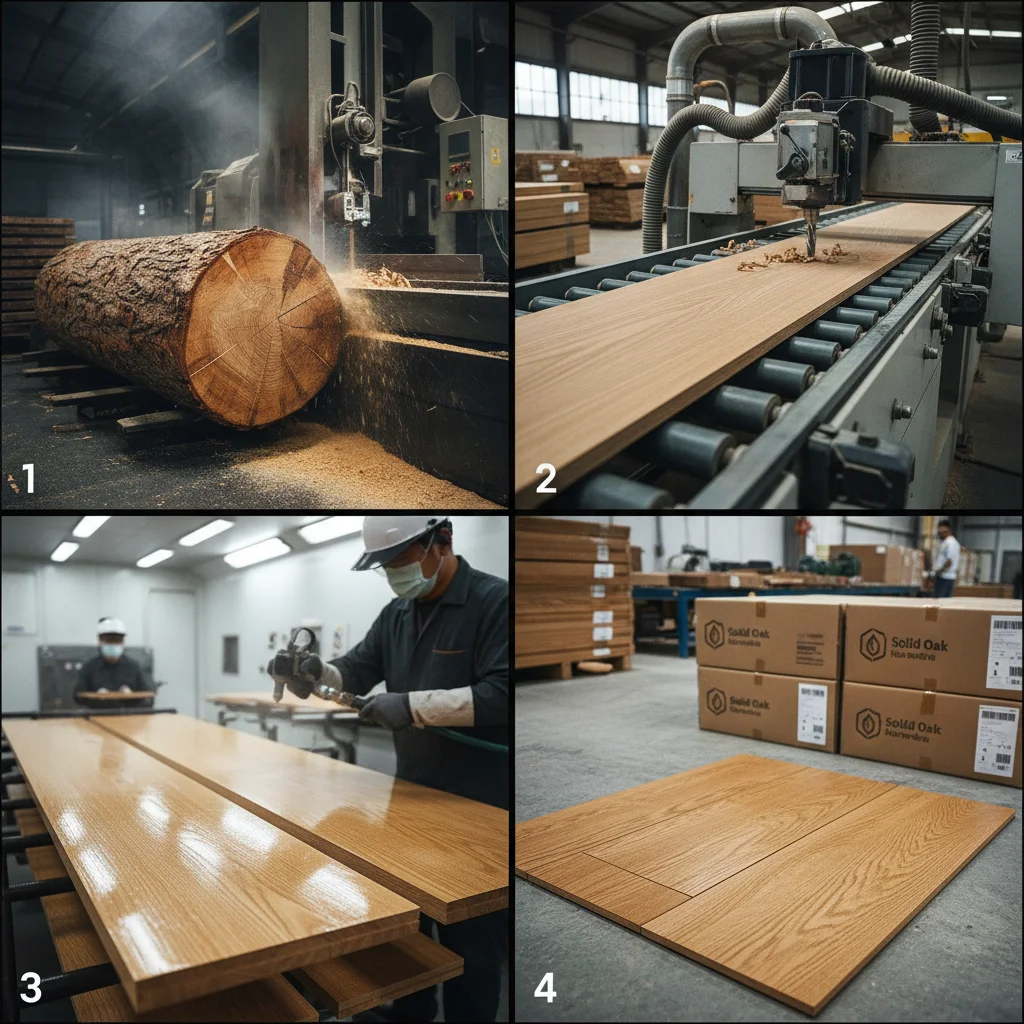
Mastering The Solid Oak Legacy Mastering The Solid Oak Legacy Premium industrial-grade wood manufacturing specializing in sustainable, high-density solid oak flooring for architectural excellence and timeless durability. 500k Annual Output sqft 120 Countries Served 7 Days Sample Lead Time 99.8 On-Time Delivery Engineering Nature Into Industrial Artistry Defining the gold standard for luxury and longevity in wood processing. As a pioneer in the wood processing industry, we specialize in solid oak wood flooring , merging traditional craftsmanship with precision robotic milling . Our products stand as a benchmark for structural integrity and aesthetic luxury. Our technical advantage lies in solid oak wood flooring s multi-stage kiln drying process Read More >26 May, 15
-
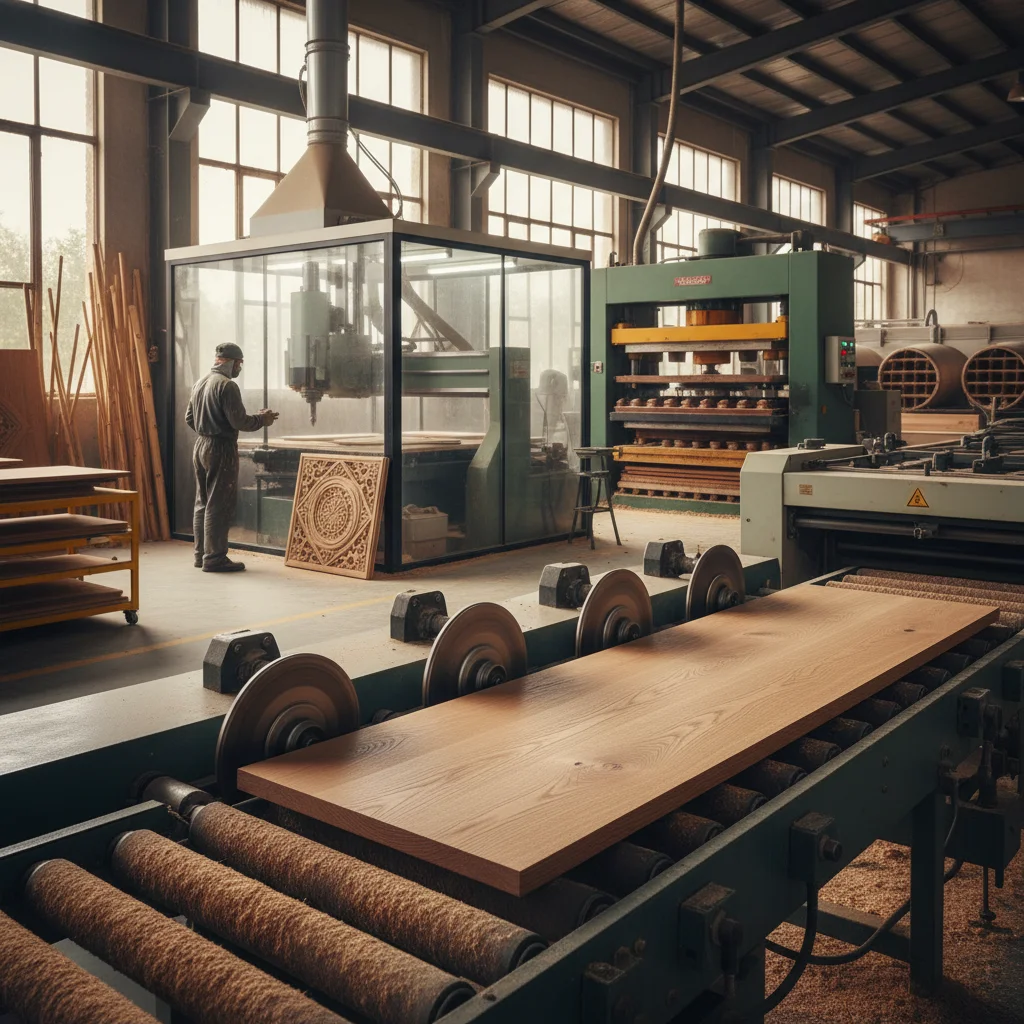
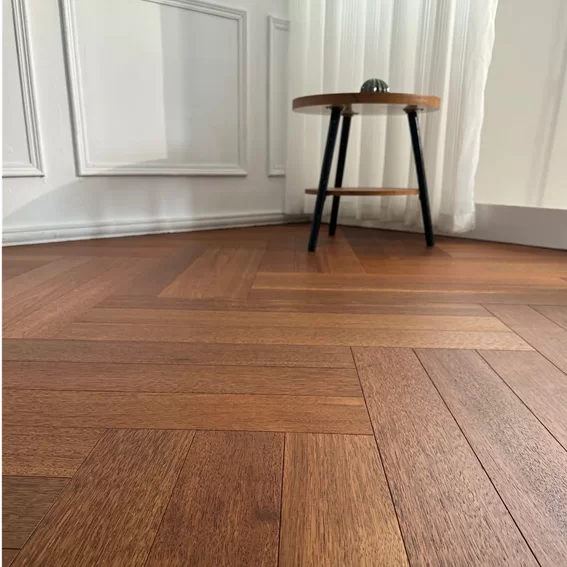
Premium Woodfloors Guide for Modern Sustainable Interior Design Choosing the right woodfloors is more than a simple design choice; it is an investment in the longevity, comfort, and aesthetic value of a living or commercial space. Across the globe, the demand for high-quality flooring has evolved from mere utility to a sophisticated blend of architectural art and environmental science, where the warmth of natural timber meets cutting-edge manufacturing. In the modern architectural landscape, the versatility of these materials allows them to adapt to diverse climates and styles, from the minimalist apartments of Tokyo to the sprawling estates of North America. Read More >26 May, 13
-
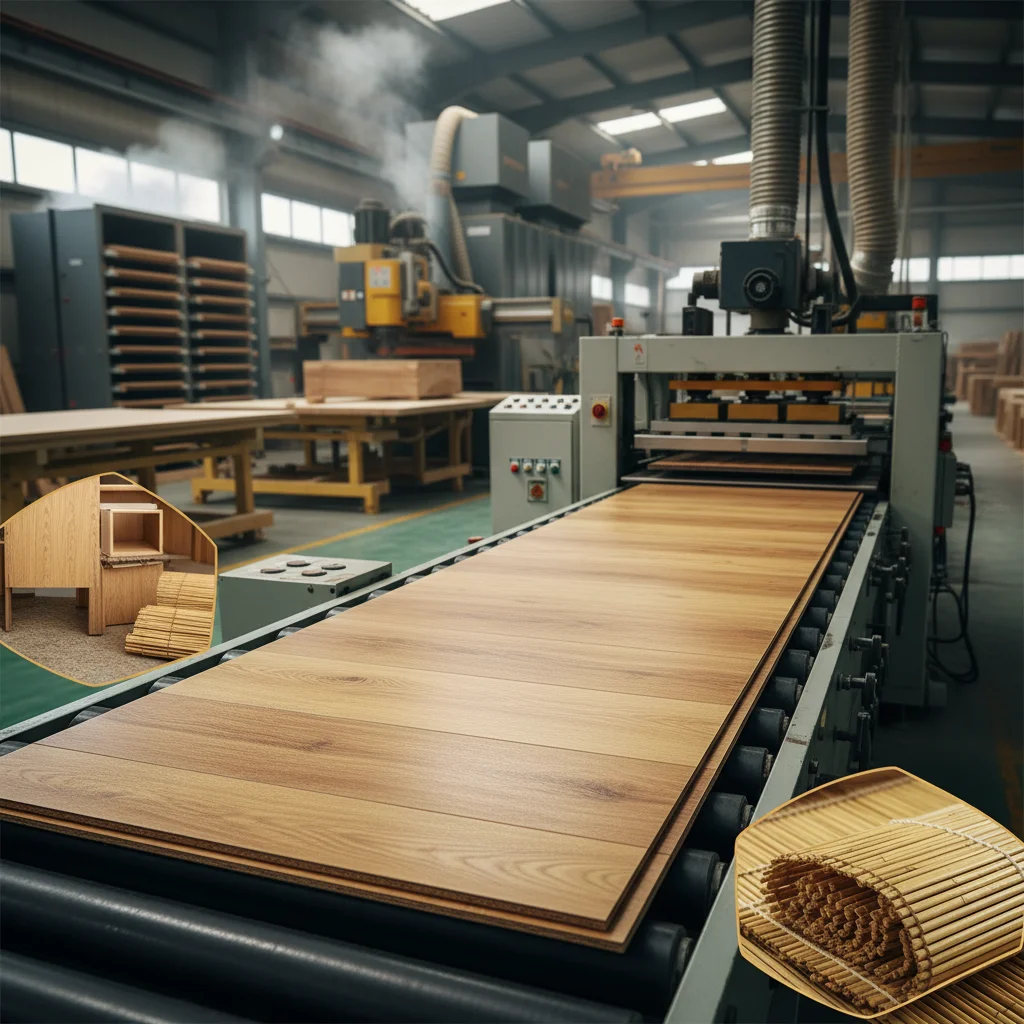
Modern Wood Look Flooring Guide for Durable Home Interiors Finding the perfect balance between the timeless warmth of natural timber and the demands of modern living often leads homeowners and designers to explore wood look flooring . This innovative category of flooring materials replicates the intricate grain, texture, and color palettes of authentic hardwood while integrating advanced engineering to enhance durability and moisture resistance. Across the global interior design market, the demand for these solutions has surged as consumers seek high-end aesthetics without the prohibitive costs or rigorous maintenance associated with traditional solid wood. Read More >26 May, 11
-
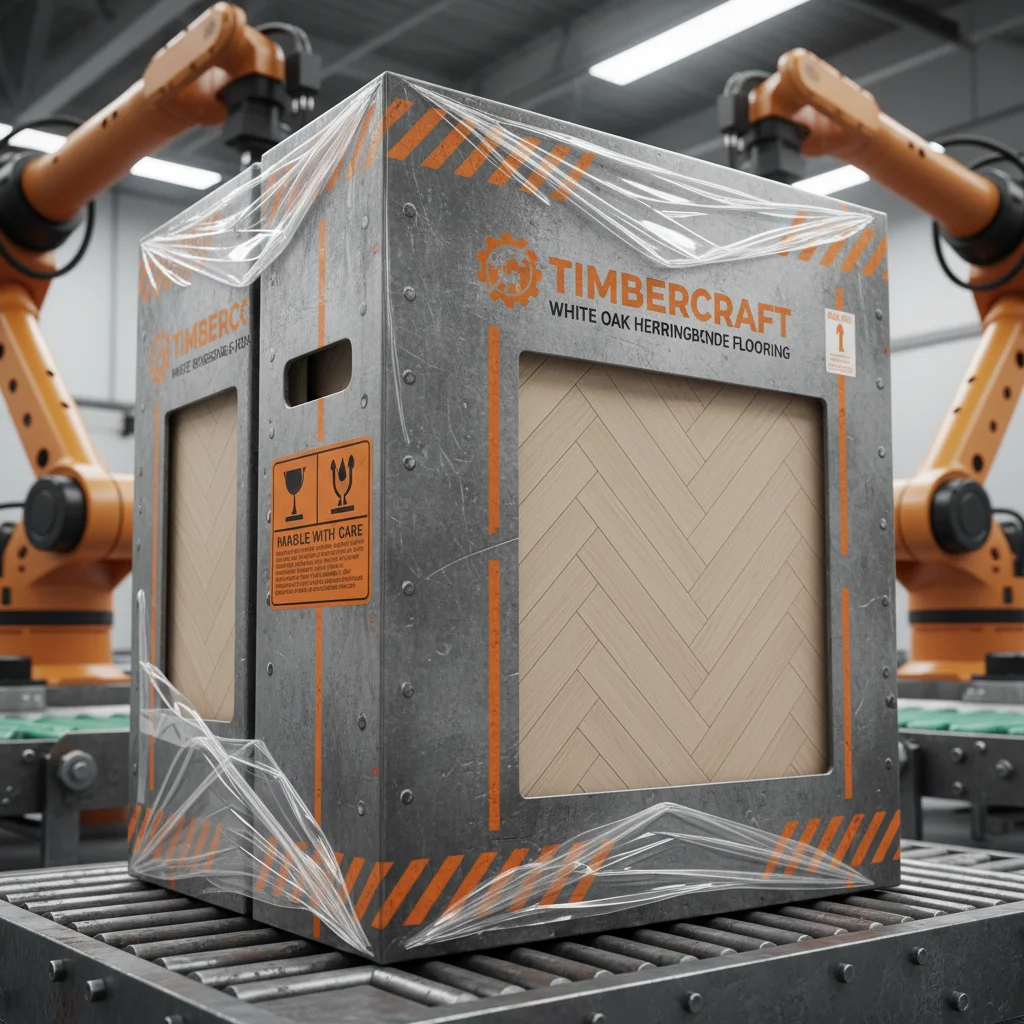
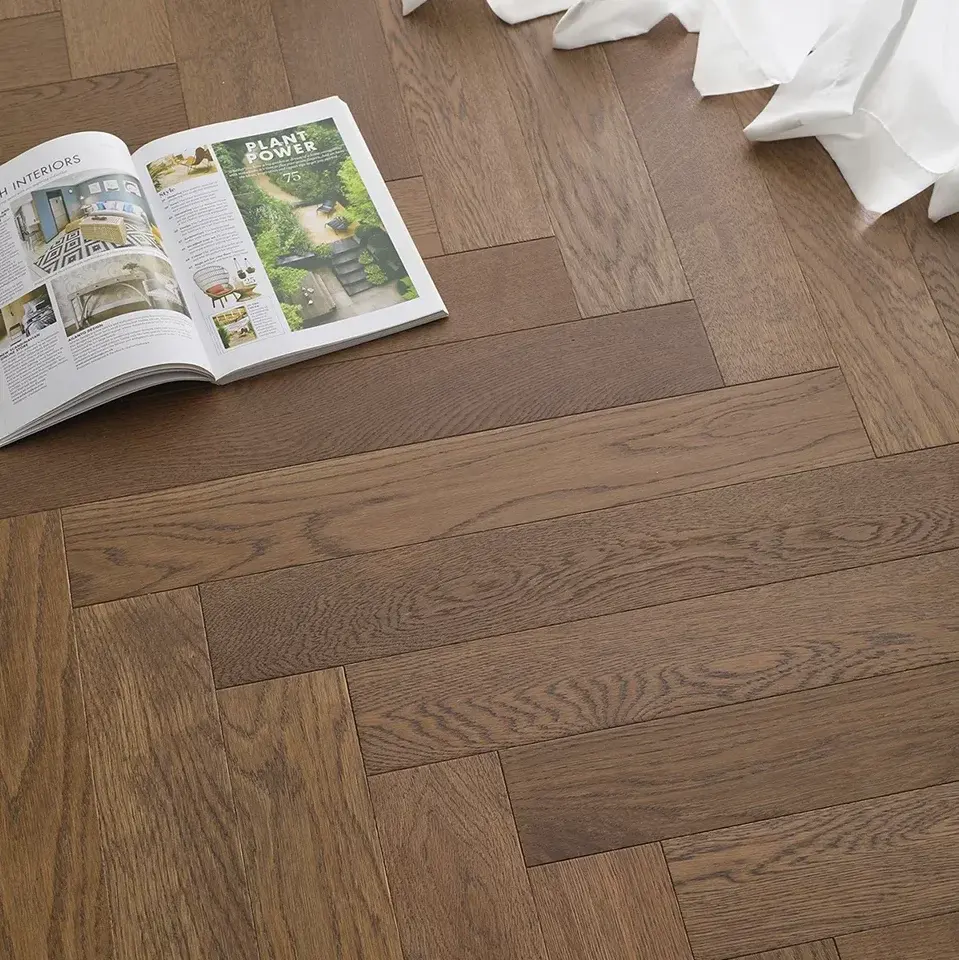
White Oak Herringbone Floor Guide for Luxury Home Design The timeless elegance of a white oak herringbone floor represents more than just a design choice; it is a statement of architectural sophistication and enduring quality. By combining the natural, light-toned beauty of white oak with the geometric precision of the herringbone pattern, homeowners and designers can create spaces that feel both expansive and intimate. This flooring style has transitioned from the grand palaces of Europe to modern minimalist apartments, proving its versatility across diverse interior aesthetics. Understanding the technical nuances of white oak such as its tight grain structure and inherent stability is crucial for anyone looking to invest in high-end flooring. Read More >26 May, 06
If you are interested in our products, you can choose to leave your information here, and we will be in touch with you shortly.


