
- russian
- luganda
- maithili
- maori
- marathi
- norwegian
- oromo
- persian
- polish
- portuguese
- quechua
- korean
- shona
- sindhi
- singapore
- spanish
- tamil
- thai
- turkish
- ukrainian
- urdu
- vietnamese
- english
- arabic
- aymara
- basque
- belarusian
- bengali
- cebuano
- czech
- danish
- deutsch
- dutch
- afrikaans
- filipino
- finnish
- french
- galician
- hindi
- indonesian
- irish
- italian
- japanese

Ultimate Guide to Choosing the Right Industrial Hard Steel Plate
The Ultimate Guide to Choosing the Right Hard Steel Plate
In the demanding world of heavy industry, the integrity of your materials can be the difference between operational efficiency and costly downtime. A high-quality hard steel plate is engineered specifically to withstand extreme abrasion, impact, and wear. Whether you are operating in mining, construction, or heavy manufacturing, understanding the nuances of hardness, alloy composition, and surface treatment is essential. This comprehensive guide will explore the technical specifications, practical applications, and selection criteria to help you optimize your equipment's lifespan and performance. Choosing the right grade of steel ensures not only safety but also a significant reduction in long-term maintenance costs.
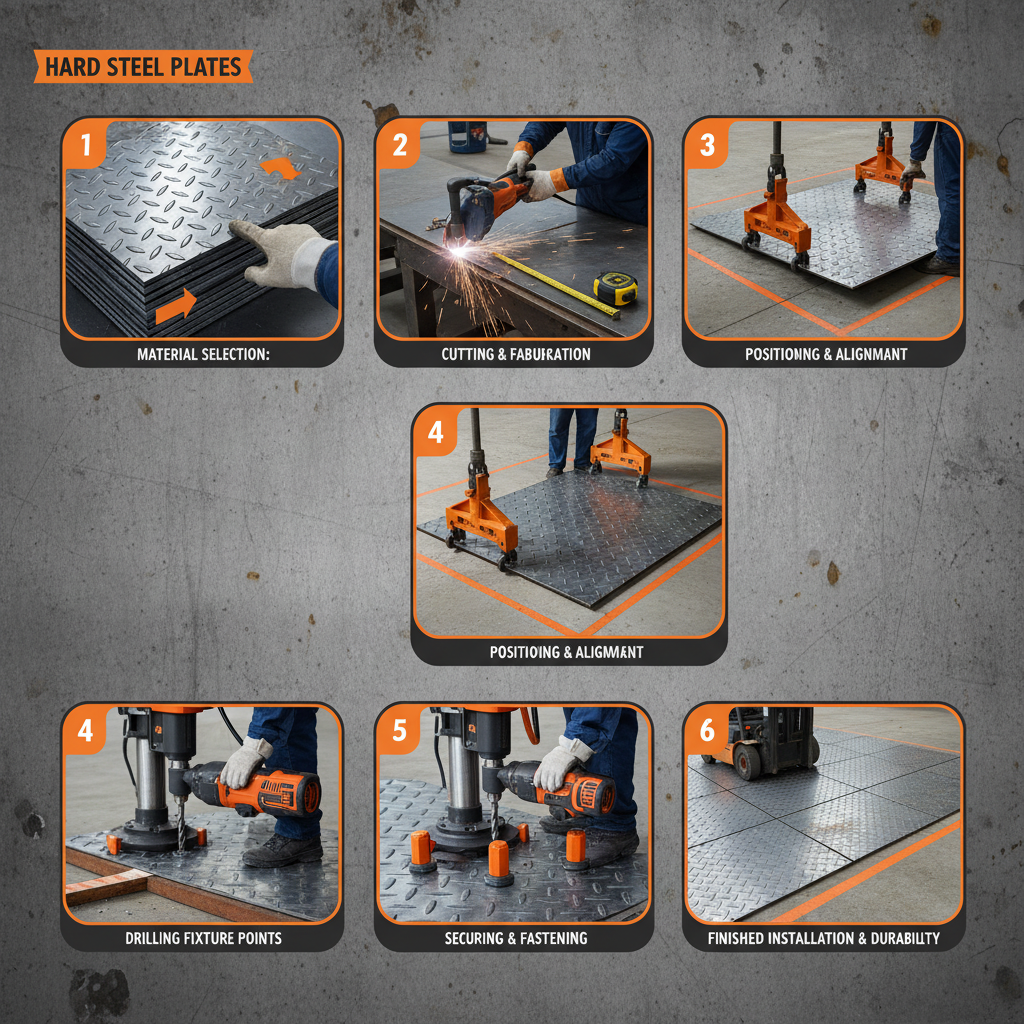
Key Properties of Industrial Hard Steel Plate
A hard steel plate is defined by its exceptional Brinell hardness (HB), which allows it to resist deformation and scratching under immense pressure. These plates are typically produced through specialized heat treatment processes, such as quenching and tempering, to achieve a balanced state of hardness and toughness. Toughness is critical; if a plate is too hard without sufficient ductility, it may crack under sudden impact. Therefore, the modern industrial standard focuses on "wear-resistant" steel that can absorb energy while resisting surface erosion. This balance makes them indispensable for lining chutes, hoppers, and crushing machinery.
Pro Tip: When specifying hardness, always check the heat-affected zone (HAZ) after welding, as excessive heat can soften the plate and compromise its wear resistance.
Comparing Hard Steel Plate Grades
Not all wear plates are created equal. Depending on the environment—whether it is high-impact crushing or sliding abrasion—you will need a different grade. For instance, AR (Abrasion Resistant) steels are categorized by their hardness levels (e.g., AR400, AR450, AR500). While AR500 provides superior surface hardness, it is less weldable and more prone to cracking than AR400. Selecting the correct hard steel plate requires a careful analysis of the material being handled and the velocity of the impact.
Common Applications of Hard Steel Plate
The versatility of a hard steel plate allows it to be integrated into various heavy-duty systems. In the mining sector, these plates line the interiors of ore crushers and conveyor chutes to prevent the raw minerals from eating through the structure. In the construction industry, the edges of excavator buckets and bulldozer blades are often reinforced with hard steel to prolong the interval between replacements. Additionally, waste management facilities utilize these plates in shredders and compactors where high-friction contact is constant. By applying the right material to the highest-wear zones, companies can drastically increase their equipment's "Mean Time Between Failures" (MTBF).
Maintenance and Installation Tips for Hard Steel
Installing a hard steel plate is not as simple as installing mild steel. Due to their high carbon content and heat treatment, these plates can be susceptible to "hydrogen cracking" if welded incorrectly. We recommend using low-hydrogen welding electrodes and pre-heating the plate to a specific temperature before joining. Furthermore, ensure that the plates are flush-mounted; any gaps between the liner and the main structure can lead to "gouging," where material gets trapped and forces the plate to peel away. Regular ultrasonic thickness testing is recommended to monitor the wear rate and schedule replacements before a total breach occurs.
Technical Specifications for Hard Steel Plate Selection
When sourcing your materials, it is vital to look beyond just the hardness number. You must consider the chemical composition, specifically the levels of Manganese, Chromium, and Molybdenum, which contribute to the plate's strength and corrosion resistance. Below is a typical specification table for a standard high-wear hard steel plate used in industrial lining.
Conclusion: Maximizing Efficiency with the Right Steel
Selecting the appropriate hard steel plate is a strategic decision that impacts your bottom line. By matching the hardness grade to the specific abrasion profile of your application and following strict installation guidelines, you can significantly extend the lifecycle of your machinery. Whether you prioritize the weldability of AR400 or the extreme resilience of AR500, investing in premium wear-resistant steel reduces downtime and ensures operational safety. For high-performance industrial solutions, always consult with material experts to ensure your specifications meet the demands of your environment.
Frequently Asked Questions (FAQs)
What is the difference between "hard" steel and "wear-resistant" steel?
While the terms are often used interchangeably, "hard" steel refers generally to the material's resistance to indentation, whereas "wear-resistant" steel is specifically engineered to withstand the combined effects of abrasion, impact, and erosion. Wear-resistant steel, such as the plates found at houndafloor.com, is processed to ensure that the hardness is uniform throughout the plate's thickness, preventing the material from wearing through prematurely while maintaining enough toughness to avoid cracking under heavy loads.
Can I weld a hard steel plate to a mild steel frame?
Yes, you can weld a hard steel plate to mild steel, but it requires specific precautions. Because hard steel has a higher carbon equivalent, it is more prone to cracking in the heat-affected zone. To do this successfully, you should use a low-hydrogen filler metal (such as E7018) and apply pre-heating to the hard plate. It is also recommended to use a "buttering" technique where a layer of compatible weld metal is applied to the hard plate first, followed by the final joint weld to the mild steel frame.
How do I determine if I need AR400 or AR500?
The choice depends on the balance between abrasion and impact. If your application involves sliding abrasion with moderate impact (e.g., general truck beds), AR400 is usually sufficient and easier to fabricate. However, if you are dealing with high-velocity impacts or extremely abrasive materials like quartz or granite (e.g., primary rock crushers), AR500 is the better choice. Remember that as hardness increases (AR500), the material becomes more brittle and harder to bend or weld, so always evaluate the structural requirements of the part.
How should hard steel plates be stored to prevent degradation?
Hard steel plates should be stored in a dry, indoor environment to prevent surface oxidation (rust), which can interfere with welding and surface finish. They should be stacked on level dunnage to prevent warping or bending under their own weight. Avoid exposing the plates to extreme temperature fluctuations for long periods, as this can occasionally cause surface scaling. Keeping the plates organized by grade and size ensures that the correct material is used for the correct application, maintaining the overall quality of your engineering project.

-
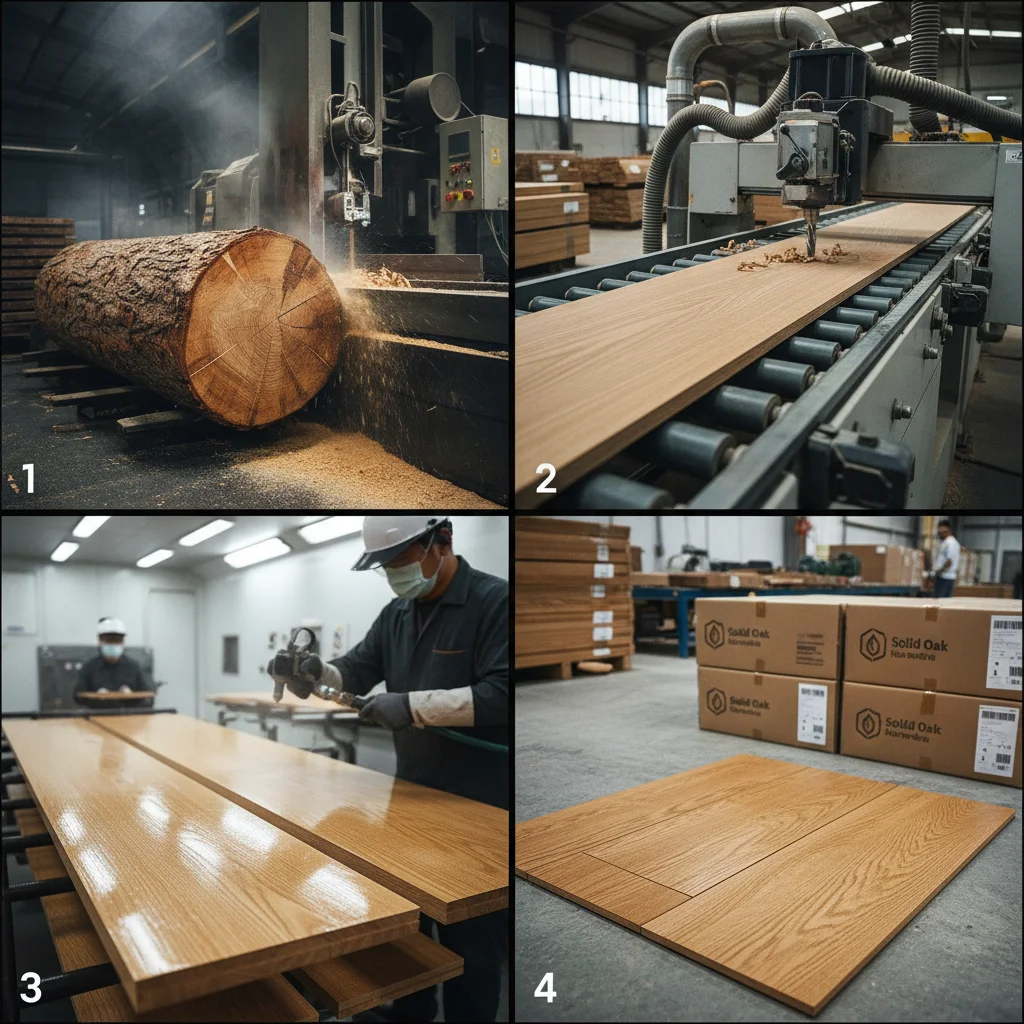
Mastering The Solid Oak Legacy Mastering The Solid Oak Legacy Premium industrial-grade wood manufacturing specializing in sustainable, high-density solid oak flooring for architectural excellence and timeless durability. 500k Annual Output sqft 120 Countries Served 7 Days Sample Lead Time 99.8 On-Time Delivery Engineering Nature Into Industrial Artistry Defining the gold standard for luxury and longevity in wood processing. As a pioneer in the wood processing industry, we specialize in solid oak wood flooring , merging traditional craftsmanship with precision robotic milling . Our products stand as a benchmark for structural integrity and aesthetic luxury. Our technical advantage lies in solid oak wood flooring s multi-stage kiln drying process Read More >26 May, 15
-
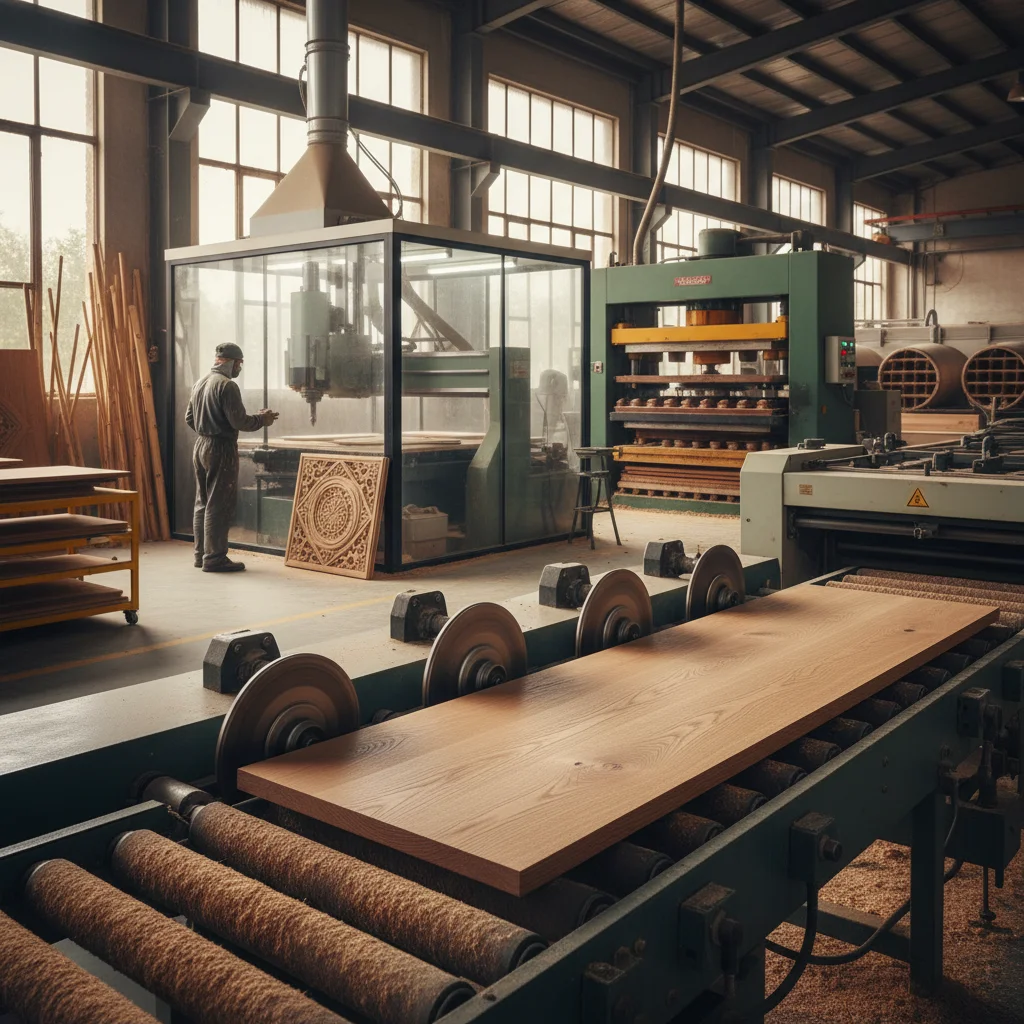
Premium Woodfloors Guide for Modern Sustainable Interior Design Choosing the right woodfloors is more than a simple design choice; it is an investment in the longevity, comfort, and aesthetic value of a living or commercial space. Across the globe, the demand for high-quality flooring has evolved from mere utility to a sophisticated blend of architectural art and environmental science, where the warmth of natural timber meets cutting-edge manufacturing. In the modern architectural landscape, the versatility of these materials allows them to adapt to diverse climates and styles, from the minimalist apartments of Tokyo to the sprawling estates of North America. Read More >26 May, 13
-
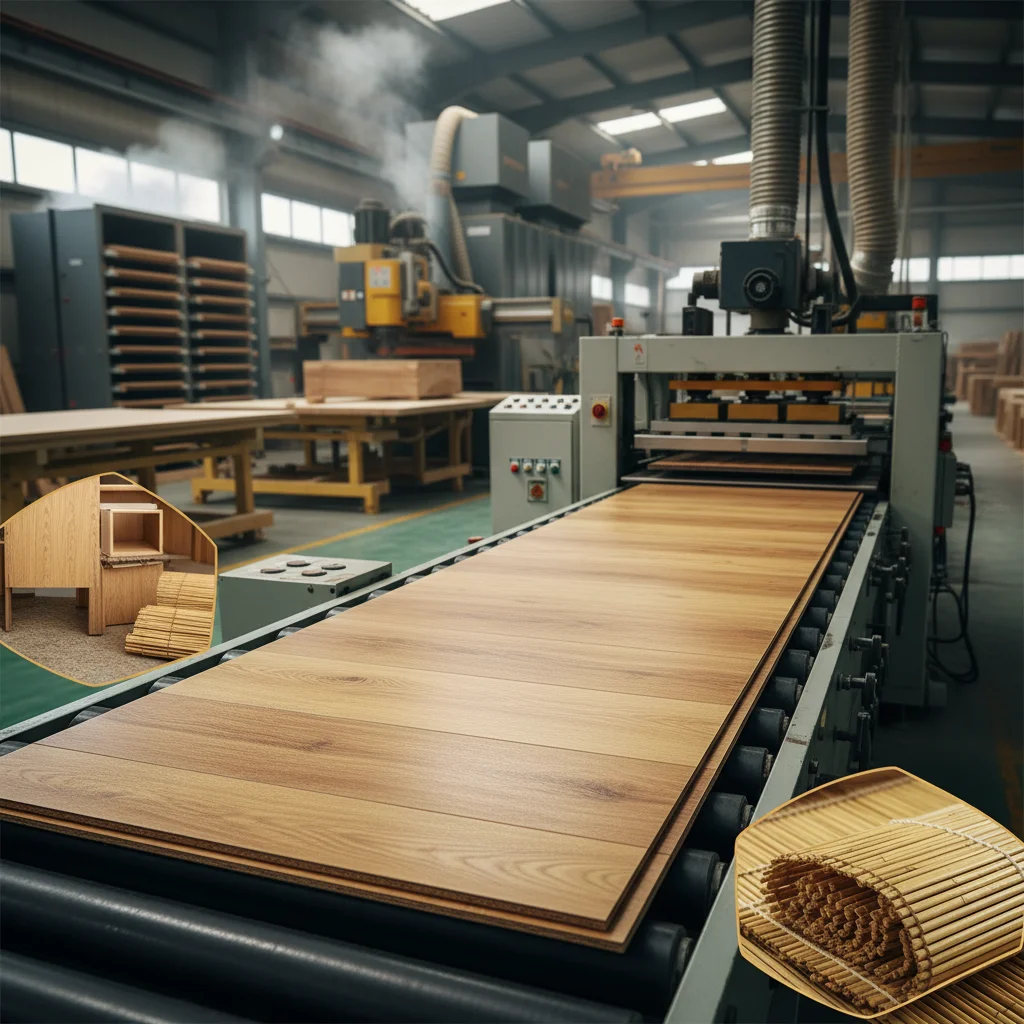
Modern Wood Look Flooring Guide for Durable Home Interiors Finding the perfect balance between the timeless warmth of natural timber and the demands of modern living often leads homeowners and designers to explore wood look flooring . This innovative category of flooring materials replicates the intricate grain, texture, and color palettes of authentic hardwood while integrating advanced engineering to enhance durability and moisture resistance. Across the global interior design market, the demand for these solutions has surged as consumers seek high-end aesthetics without the prohibitive costs or rigorous maintenance associated with traditional solid wood. Read More >26 May, 11
-
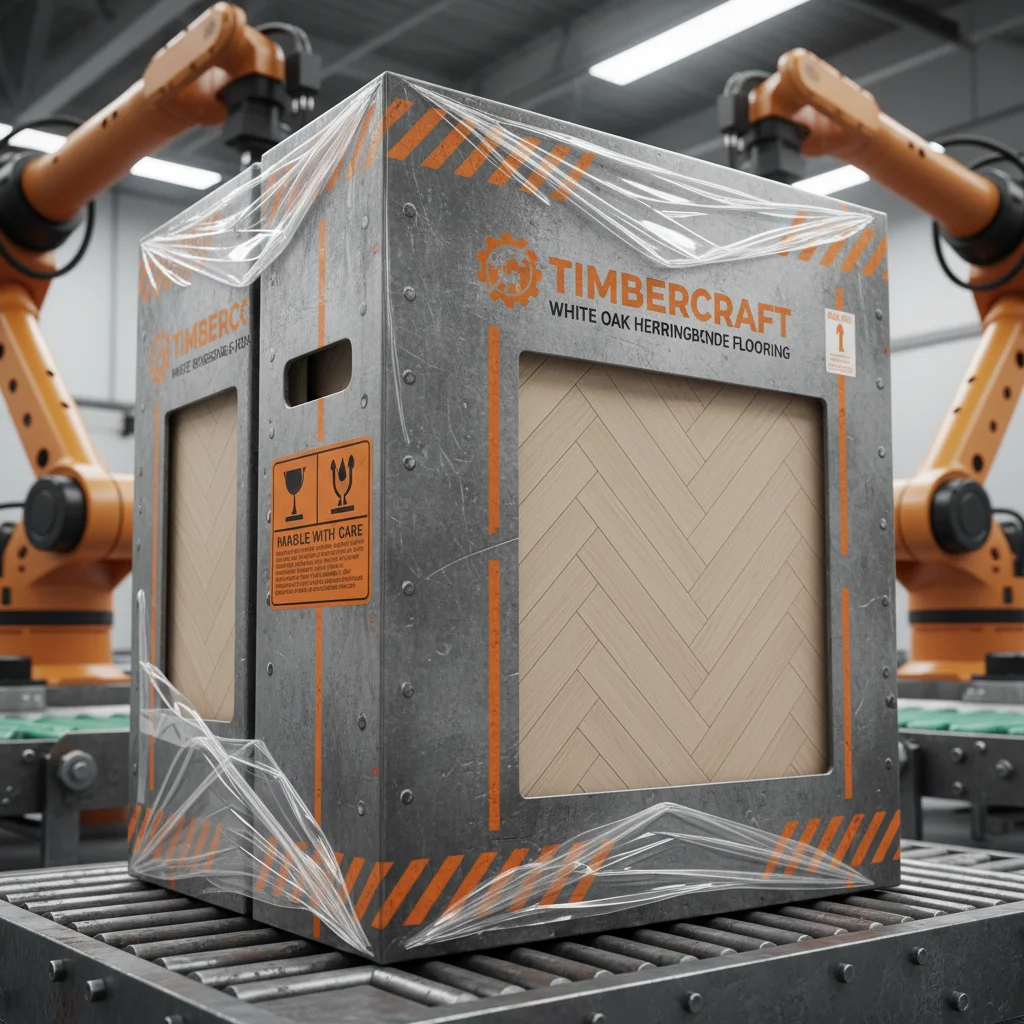
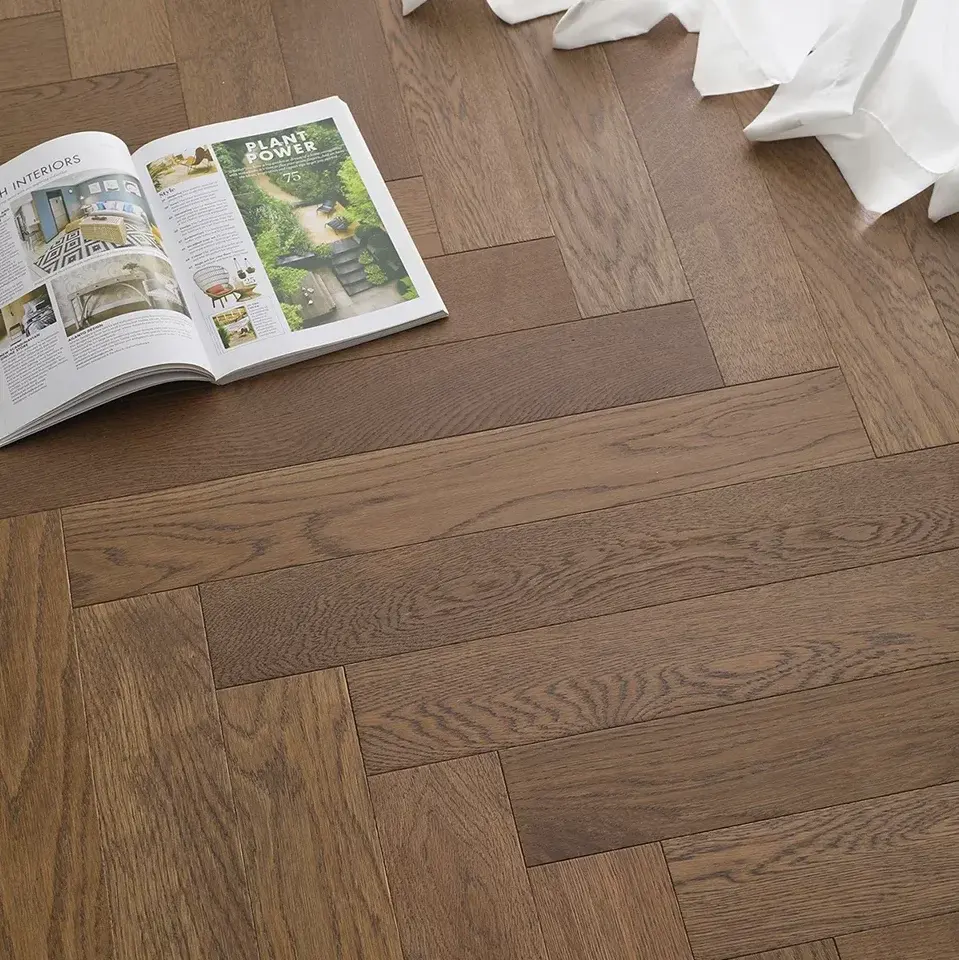
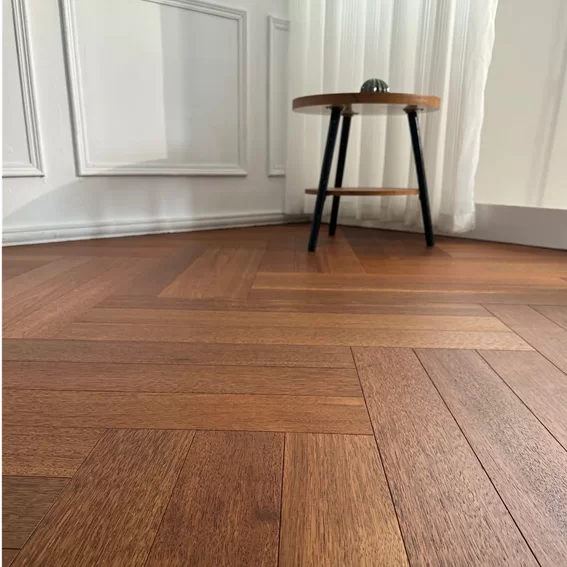
White Oak Herringbone Floor Guide for Luxury Home Design The timeless elegance of a white oak herringbone floor represents more than just a design choice; it is a statement of architectural sophistication and enduring quality. By combining the natural, light-toned beauty of white oak with the geometric precision of the herringbone pattern, homeowners and designers can create spaces that feel both expansive and intimate. This flooring style has transitioned from the grand palaces of Europe to modern minimalist apartments, proving its versatility across diverse interior aesthetics. Understanding the technical nuances of white oak such as its tight grain structure and inherent stability is crucial for anyone looking to invest in high-end flooring. Read More >26 May, 06
If you are interested in our products, you can choose to leave your information here, and we will be in touch with you shortly.


