
Choosing the right surface for a high-end interior often leads to a critical debate: the timeless prestige of real wood flooring versus the pragmatic resilience of modern composites. While natural timber offers an irreplaceable organic warmth, the practical demands of contemporary living—such as moisture exposure and high foot traffic—often create a conflict between aesthetic desire and structural longevity.
For architects and commercial developers, the challenge lies in balancing the tactile authenticity of wood with the need for dimensional stability. The evolution of flooring technology has introduced alternatives that replicate the visual depth of natural grains while eliminating the inherent risks of warping and rot associated with traditional solid planks.
By evaluating the material science behind different flooring categories, stakeholders can make informed decisions that optimize both the immediate visual impact and the long-term return on investment for any residential or commercial project.

Analyzing the Material Composition of Genuine Hardwood

Real wood flooring is defined by its biological origin, consisting of solid slices of timber or engineered layers topped with a genuine hardwood veneer. The cellular structure of natural wood—composed primarily of cellulose, hemicellulose, and lignin—is what provides its distinctive grain patterns and unique acoustic properties.
However, this organic composition makes the material hygroscopic, meaning it actively absorbs and releases moisture from the surrounding air. This process leads to the natural expansion and contraction of the planks, a phenomenon that can result in gaps or crowning if the environmental humidity is not strictly controlled.
Understanding this chemical makeup is essential for specifying the correct grade of wood. For instance, hardwoods like oak or walnut provide higher density and better wear resistance than softwoods, making them the standard for high-traffic residential areas where longevity is a priority.
The Critical Trade-offs of Natural Wood Stability
The primary tension in selecting natural timber is the balance between its unmatched aesthetic value and its vulnerability to environmental stressors. While it elevates the market value of a property, the maintenance requirements can be significant compared to synthetic alternatives.
Traditional solid wood is particularly susceptible to water damage, which can lead to irreversible warping and structural failure. In contrast, engineered solutions utilize a cross-ply core to neutralize these internal tensions, offering a compromise that retains the real wood surface while enhancing stability.
Furthermore, the need for periodic sanding and refinishing represents a recurring operational cost. For commercial entities, this downtime can be a significant deterrent, leading many to explore rigid core technologies that mimic the look of wood without the maintenance burden.
Strategic Application Across Diverse Environmental Zones
The deployment of flooring must be dictated by the specific "wet" or "dry" nature of the zone. Real wood flooring is ideally suited for bedrooms, formal living rooms, and executive offices where the ambiance of luxury and warmth outweighs the risk of moisture exposure.
In transitional zones, such as entryways or kitchens, the risk profile increases. Here, the application of high-performance sealants is mandatory, though even the best coatings cannot fully protect against prolonged water seepage. This is where the industry sees a shift toward moisture-resistant composites.
For high-traffic commercial hubs, the priority shifts toward impact resistance. While genuine hardwood can be dented by heavy equipment or high-heeled footwear, a strategic mix of materials—using wood in private suites and SPC or laminate in corridors—creates a balanced architectural solution.
Comparing Durability Metrics Against Modern Alternatives
When analyzing performance, we must look beyond the surface. Quantitative metrics in wear resistance and dimensional stability reveal a stark contrast between traditional organic planks and engineered rigid core systems.
The following data compares traditional natural wood benchmarks against high-performance SPC (Stone Plastic Composite) technology, which is engineered to eliminate the weaknesses of biological materials while retaining their visual appeal.
real wood flooring Performance Metrics
As indicated, while real wood scores high in aesthetic authenticity and acoustic warmth, it lags significantly in waterproof capabilities and scratch resistance. This gap is why many modern specifications now favor materials with AC4 or AC5 wear layers for commercial applications.
Procurement Framework for High-Performance Flooring Systems
Procuring flooring for large-scale projects requires a rigorous evaluation of technical specifications. Buyers should not focus solely on the species of wood but on the manufacturing process, including the stability of the core and the quality of the UV-cured surface layer.
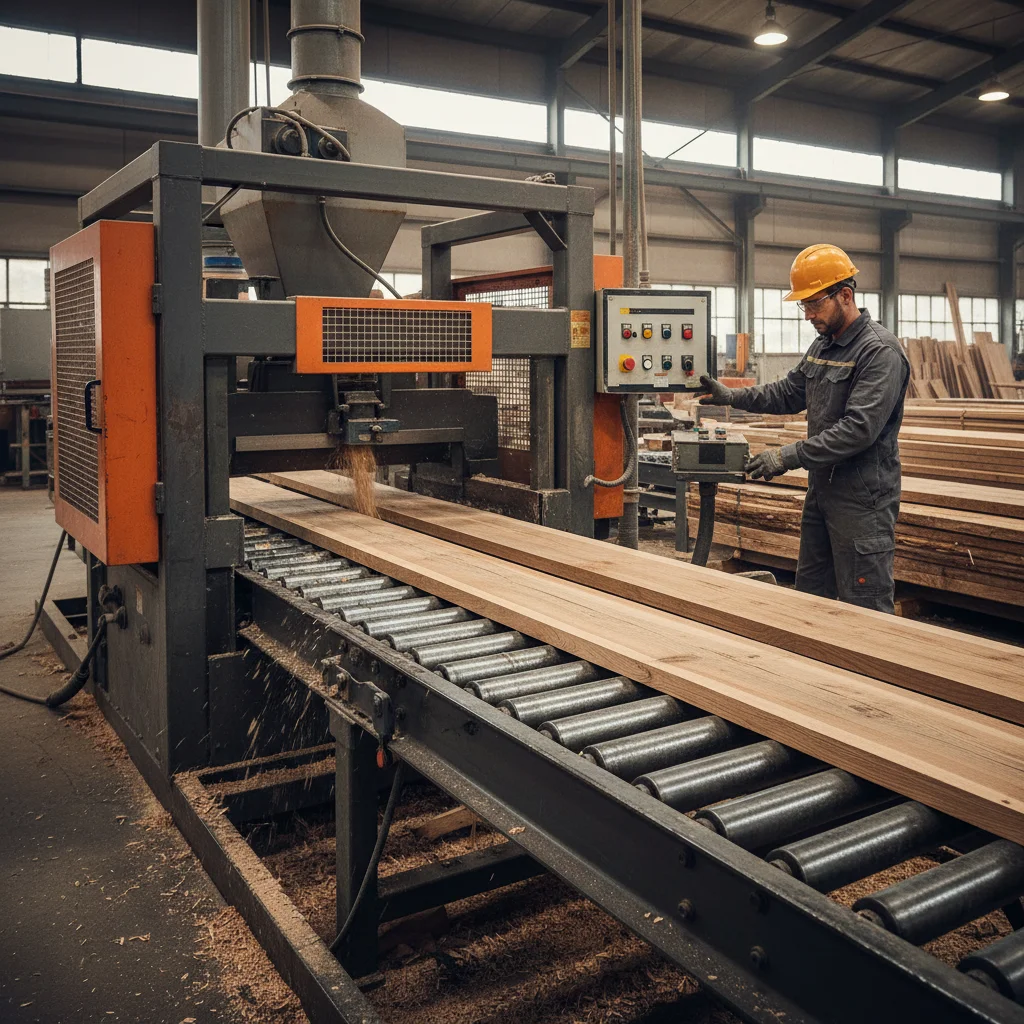
When sourcing from manufacturers like Shenyang Hounda, which utilizes German-engineered equipment (Weinig, Leuco, Leitz), the focus is on precision. Dimensional accuracy ensures that click-lock systems function without gaps, which is critical for preventing moisture ingress in engineered products.
Furthermore, sustainability certifications and formaldehyde-free standards are now non-negotiable for international projects. Ensuring that the supply chain adheres to strict non-toxic material protocols is essential for maintaining indoor air quality in residential and hospitality sectors.
Future Shifts Toward Hybrid Material Engineering
The industry is moving toward a "hybridization" phase where the boundary between real wood and synthetic composites is blurring. The adoption of EIR (Embossed In Register) technology allows manufacturers to synchronize the physical texture of the plank with the printed grain of the wood.
We are likely to see an increase in the use of high-density limestone powder fused with stabilized polymers. This approach, utilized in SPC flooring, offers a rigid core that solves the expansion issues of real wood while providing a surface that is indistinguishable from natural oak or walnut to the untrained eye.
Moreover, the integration of underfloor heating compatibility is becoming a standard requirement. Future material developments will likely focus on increasing the thermal conductivity of the core while maintaining the organic tactile feel of a traditional hardwood surface.
Decision Matrix for Wood-Based Surface Selection
Selecting the final material requires a direct comparison of technical capabilities against the project's specific operational requirements. The following matrix provides a clear guide for decision-makers based on use-case priority.
Whether the goal is maximum luxury, commercial durability, or cost-efficiency, the choice depends on the trade-off between biological authenticity and engineered performance.
| Solution Type | Water Resistance | Maintenance Level | Ideal Application |
|---|---|---|---|
| Solid Hardwood | Low | High (Sanding/Wax) | Luxury Bedrooms |
| Engineered Wood | Moderate | Moderate | General Residential |
| Laminate Flooring | Moderate | Low | Rental Apartments |
| Rigid Core SPC | 100% Waterproof | Very Low | Kitchens/Bathrooms |
| Commercial SPC (AC5) | 100% Waterproof | Very Low | Hotel Corridors |
| Hybrid Wood-Vinyl | High | Low | Modern Open-Plan |
For those requiring a professional supply chain for these materials, the specialized manufacturing capabilities available through www.houndafloor.com provide a reliable path to achieving these technical standards.
Frequently Asked Questions
Conclusion
The decision to install real wood flooring remains a choice of prestige and organic beauty, but it must be tempered by an understanding of the environment it will inhabit. By recognizing the limits of natural timber and the strengths of engineered alternatives, designers can create spaces that are both visually stunning and structurally sound.
Whether selecting traditional hardwood for a private residence or high-performance SPC for a commercial hub, the focus should remain on material stability, wear ratings, and sustainable sourcing. For detailed specifications and professional wholesale solutions, practitioners can explore the product range available at www.houndafloor.com.