
- russian
- luganda
- maithili
- maori
- marathi
- norwegian
- oromo
- persian
- polish
- portuguese
- quechua
- korean
- shona
- sindhi
- singapore
- spanish
- tamil
- thai
- turkish
- ukrainian
- urdu
- vietnamese
- english
- arabic
- aymara
- basque
- belarusian
- bengali
- cebuano
- czech
- danish
- deutsch
- dutch
- afrikaans
- filipino
- finnish
- french
- galician
- hindi
- indonesian
- irish
- italian
- japanese

To be honest, the engineered hardwood game has been wild lately. Everyone's chasing that "natural wood look" but with, you know, actual practicality. Used to be, if you wanted a decent floor, you were looking at solid hardwood and a whole lotta headaches down the line – warping, scratching, humidity issues… But now? It's all engineered. And not just for houses, either. I've seen it popping up in commercial builds, even some high-end retail spaces. It's cheaper, more stable, and frankly, easier to deal with on a job site. I've been doing this for 20 years, and I’ve seen trends come and go, but engineered hardwood… it's sticking around.
The thing is, it’s not all sunshine and roses. There's a lot of cheap stuff flooding the market, and honestly, it shows. You get what you pay for. I've walked into sites where the veneer is so thin you can practically see through it. It’s like putting lipstick on a pig. And then you get complaints, returns, the whole nine yards. It makes my job harder, and the customer's, too. Anyway, I think the demand for good quality is only going to increase.
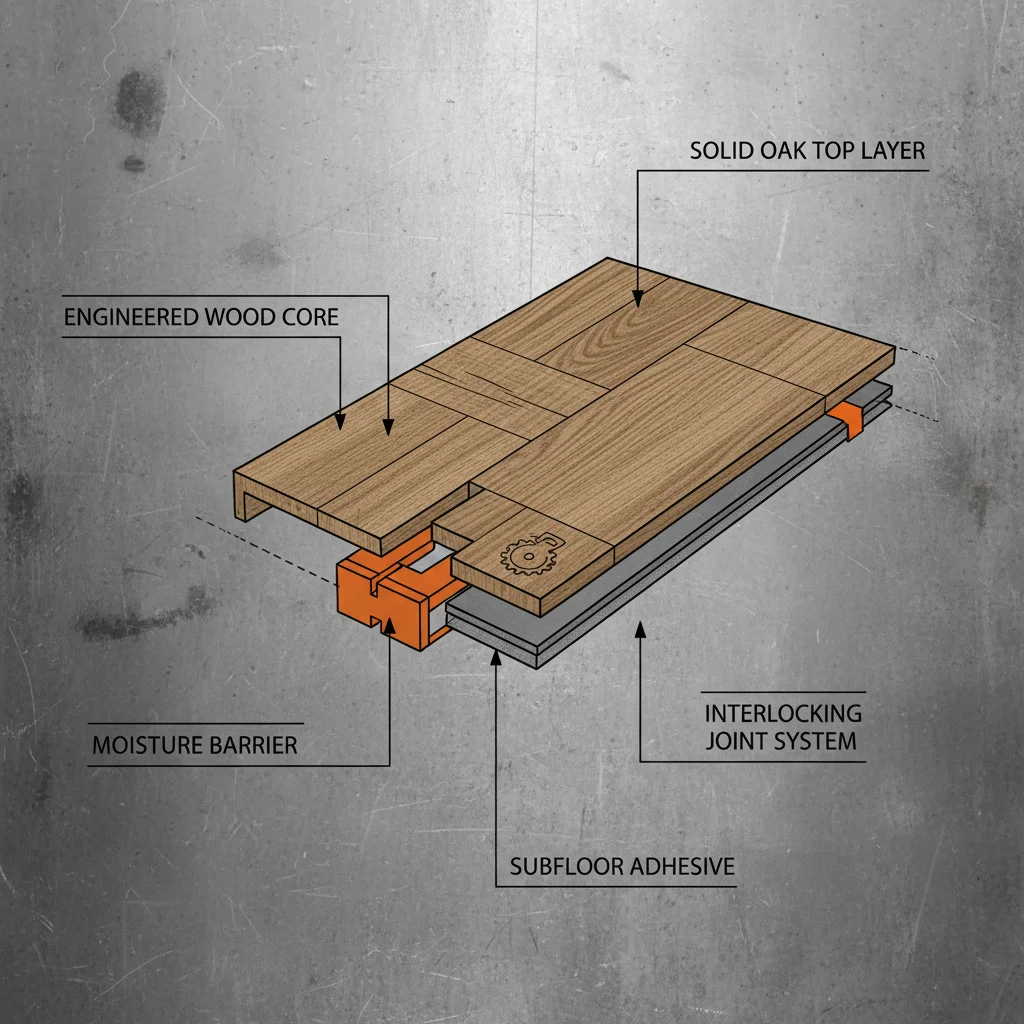
It’s interesting, right? People want the warmth of wood but don’t want the hassle. That's where engineered hardwood comes in. It’s a multi-layered product, usually with a real wood veneer on top, bonded to a core of plywood or HDF. Seems simple enough, but the devil is in the details.
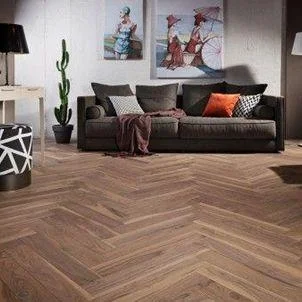
The Recent Trends in Engineered Hardwood
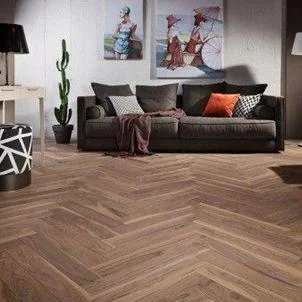
Have you noticed the move towards wider planks? Everyone wants that grand, spacious look. And the finishes… it's not just oak anymore. Walnut, hickory, even exotic species are becoming more popular. They're also experimenting with textures – hand-scraped, distressed, brushed. It’s all about making it *look* like it’s been there for a hundred years, even though it just came off the truck.
And the demand for waterproof engineered hardwood? Through the roof. Especially in basements and kitchens. They've got these new core materials, like SPC, that are virtually impervious to water. It’s a game changer, honestly. But, and there’s always a but, it doesn’t always *feel* like real wood underfoot. It's a different kind of hardness, if that makes sense.
FAQS
That's a good question. Laminate has a photographic layer under a clear protective layer; it's essentially a picture of wood. Engineered hardwood has a real wood veneer on top. This means engineered hardwood feels more like real wood and can be refinished (depending on the veneer thickness), while laminate is more durable and cheaper but can’t be refinished. It’s about the feel and long-term potential, really.
It depends. If your basement is prone to flooding or high humidity, you’ll want to go with a waterproof option like SPC engineered hardwood. Regular engineered hardwood will swell and warp if it gets wet. But if the basement is dry and well-ventilated, a good-quality engineered hardwood can work just fine. Just make sure to acclimate it properly.
A good quality engineered hardwood floor, with a decent veneer, can last 20-30 years, maybe even longer with proper care. It really comes down to the quality of the materials and the installation. Avoid the really cheap stuff – it won’t hold up. And make sure to protect it from scratches and moisture.
You can, if you’re a reasonably handy person. But I recommend hiring a professional. Proper installation is crucial for ensuring a long-lasting floor. They’ll make sure the subfloor is level, they’ll use the right adhesive, and they'll know how to handle the expansion gaps. Trust me, it's worth the investment.
Keep it simple. Sweep or vacuum regularly to remove dirt and debris. Use a damp mop with a pH-neutral cleaner. Avoid harsh chemicals and abrasive cleaners. And don't let water puddle on the floor. It's pretty straightforward, really. Just treat it with respect.
The Janka hardness rating measures the resistance of a wood to denting and wear. Higher numbers mean harder woods. It's useful for comparing different species, but it doesn't tell the whole story. Engineered hardwood also has the core material to consider. Look for a good balance between hardness and comfort underfoot.
Conclusion
So, there you have it. Engineered hardwood isn’t perfect, but it’s a damn good solution for a lot of situations. It offers the look of real wood with added stability and affordability. It's become a staple in the construction industry for a reason – it just works. It solves a lot of problems, and if you choose the right product and install it properly, you'll be happy with it for years to come.
Ultimately, whether this thing works or not, the worker will know the moment he tightens the screw. And that’s the truth of it. If it feels solid, looks good, and lays flat, you’re on the right track. If it doesn’t? Well, you know what to do.
Visit our website: houndafloor.com

Ethan Turner
Ethan is the Marketing Director at Cangzhou Jiujiang, focusing on expanding the brand's presence in North America. With over a decade of experience in outdoor apparel marketing, Ethan leverages his knowledge to promote the company’s PU rainwear, emphasizing its BSCI and GRS certifications.
If you are interested in our products, you can choose to leave your information here, and we will be in touch with you shortly.


