
- russian
- luganda
- maithili
- maori
- marathi
- norwegian
- oromo
- persian
- polish
- portuguese
- quechua
- korean
- shona
- sindhi
- singapore
- spanish
- tamil
- thai
- turkish
- ukrainian
- urdu
- vietnamese
- english
- arabic
- aymara
- basque
- belarusian
- bengali
- cebuano
- czech
- danish
- deutsch
- dutch
- afrikaans
- filipino
- finnish
- french
- galician
- hindi
- indonesian
- irish
- italian
- japanese

Woodflooring, it’s more than just pretty boards nailed to a subfloor. I’ve spent years on sites, watching crews wrestle with everything from solid oak to engineered options, and it’s foundational – literally. A good floor isn’t just about aesthetics; it's about durability under load, how it handles moisture, and frankly, how quickly we can get a build online and occupied. It's a critical path item. We're seeing a huge demand for quality woodflooring globally, driven by everything from new construction booms in Asia to the renovation wave in Europe and North America. Understanding the nuances, the different species, installation techniques – it's all key to delivering a project on time and within budget.
The global woodflooring market is substantial; reports from organizations like the UN and the World Bank highlight the consistent growth in housing demand, driving increased need for quality flooring solutions. In 2023, the global wood flooring market size was valued at USD 26.26 billion and is projected to grow from USD 27.44 billion in 2024 to USD 38.42 billion by 2032, exhibiting a CAGR of 4.29% during the forecast period. But the challenge isn’t just making flooring; it's sourcing sustainably, managing supply chain disruptions (which we’ve seen plenty of!), and ensuring consistent quality, especially with increasing demand and tighter timelines.
Simply put, woodflooring encompasses any flooring product made from wood. It ranges from solid hardwood – think traditional oak planks – to engineered wood, laminates, and even bamboo. It’s a cornerstone of modern building, essential for residential, commercial, and increasingly, even industrial applications. It’s not just about providing a walkable surface; it's about creating a functional and aesthetically pleasing environment. We’ve got to get it right.
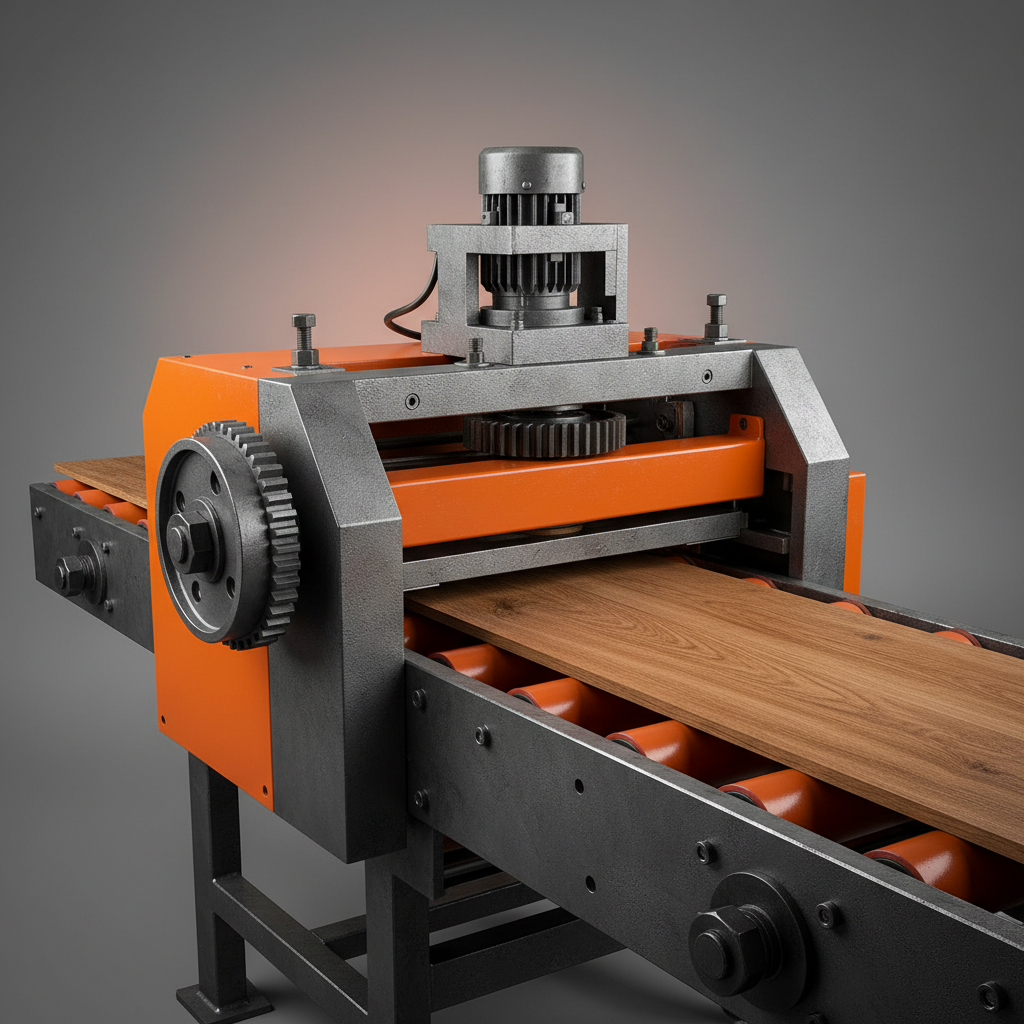
Defining Woodflooring: A Site Manager’s Perspective
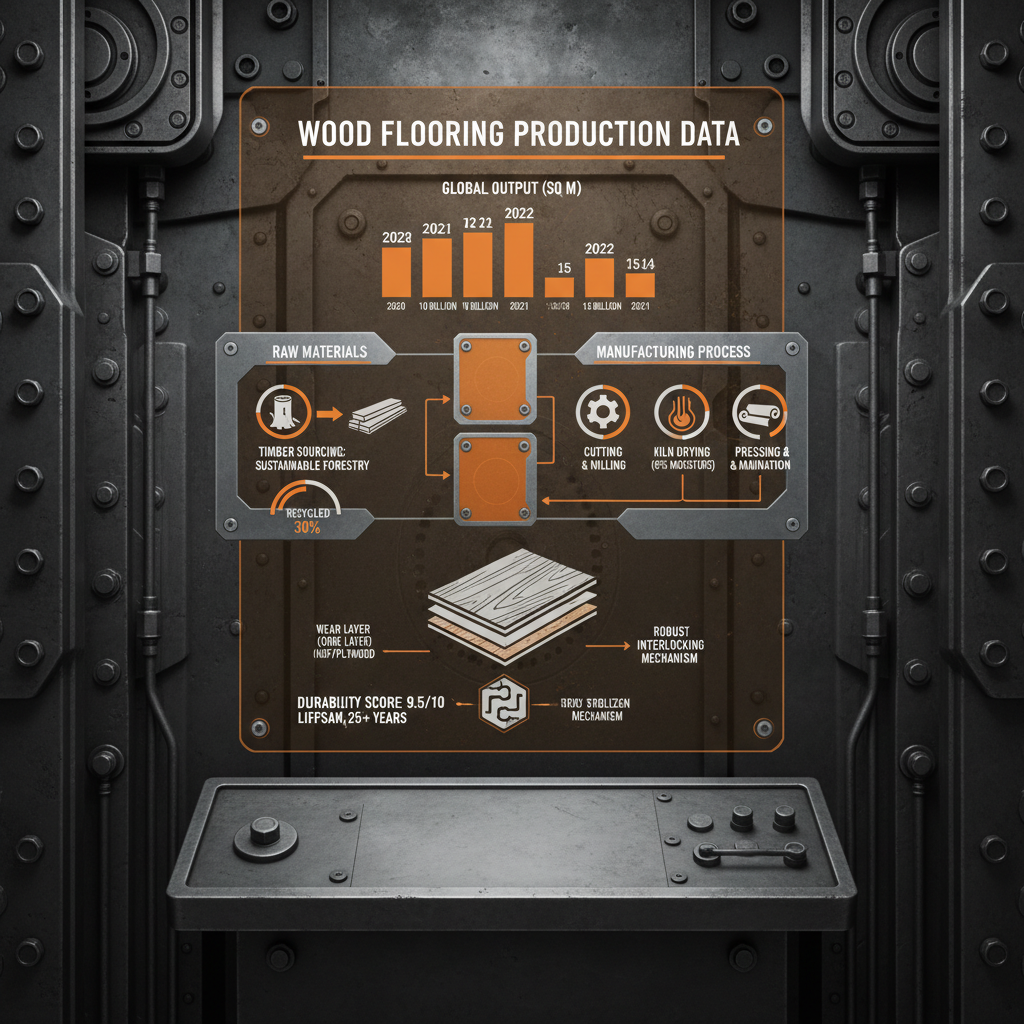
I've seen it all – solid maple taking a beating in a busy restaurant, engineered oak holding up beautifully in a high-end apartment. Woodflooring, at its core, is a surface covering made from timber. But it’s not a one-size-fits-all deal. It's about understanding the species—oak, maple, walnut, hickory—each with its own hardness, grain pattern, and price point. We need to match the material to the application.
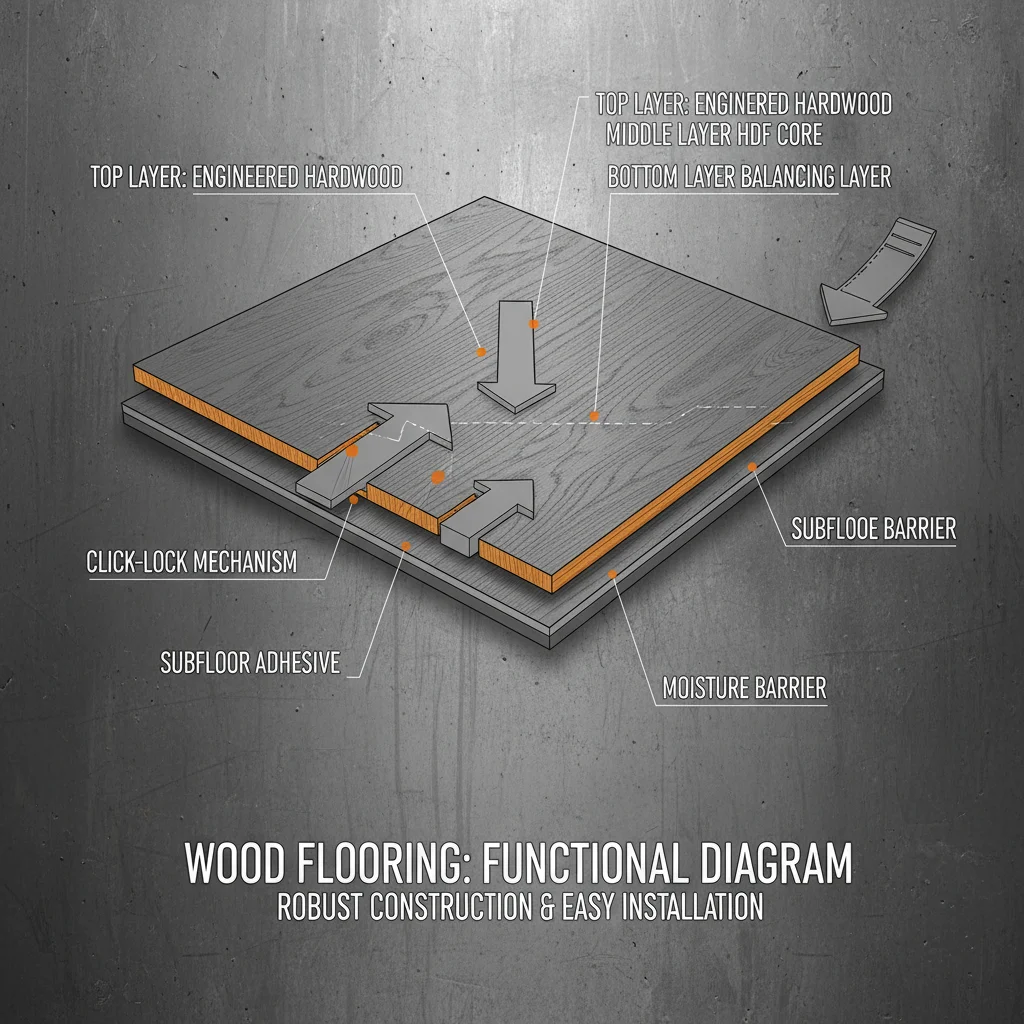
From a practical standpoint, it’s also about how it's milled and finished. Tongue-and-groove, click-lock, pre-finished, unfinished... these choices impact installation speed and the final look. A lot of folks underestimate the prep work; a perfectly level subfloor is critical, and you can't skimp on moisture barriers. Trust me, I’ve seen the consequences.
FAQS
For a high-traffic entryway, you need something incredibly durable. I generally recommend a hardwood with a high Janka rating like Hickory or Oak. Engineered wood with a thick wear layer (at least 3mm) is also a good option. Avoid softer woods like Pine or Cherry, as they’ll show wear and tear quickly. A matte finish can also help disguise scratches.
Acclimation is crucial to prevent warping. Bring the wood flooring into the installation space for at least 72 hours, ideally longer. The room temperature should be maintained consistently within the range specified by the manufacturer (typically 60-80°F). Stack the boxes properly, allowing airflow between the boards. Use a moisture meter to ensure the wood's moisture content is within the acceptable range for your climate.
Absolutely. Engineered wood offers many advantages. It's more dimensionally stable than solid hardwood, meaning it's less likely to warp or buckle in humid conditions. It's also generally more affordable and can be installed over a wider range of subfloors. The quality of the wear layer is key – the thicker it is, the more times the floor can be refinished.
Avoid excessive water! Use a damp (not wet) mop with a pH-neutral wood floor cleaner. Never use abrasive cleaners or scouring pads. Regular sweeping or vacuuming with a soft brush attachment is also essential to remove dirt and debris. For stubborn stains, consult the manufacturer's recommendations. Preventative measures, like using area rugs and felt pads under furniture, can also help protect your floors.
Look for certifications like FSC (Forest Stewardship Council) to ensure the wood comes from responsibly managed forests. Consider reclaimed wood options, which reduce the demand for new timber. Choose low-VOC (volatile organic compound) finishes to improve indoor air quality. And think about the overall lifecycle of the flooring – durability and longevity contribute to sustainability.
Humidity is a major factor. Wood absorbs and releases moisture, causing it to expand and contract. Extreme humidity fluctuations can lead to warping, gapping, and cupping. Maintaining a consistent humidity level (between 30-50%) is crucial. Using a humidifier or dehumidifier can help regulate humidity, and proper vapor barriers are essential during installation.
Conclusion
Woodflooring is a time-tested material that continues to evolve. From species selection and grading to installation techniques and sustainability considerations, understanding the nuances is crucial for delivering high-quality results. The market demands durable, aesthetically pleasing, and environmentally responsible solutions. Investing in quality woodflooring – and proper installation – is an investment in the long-term value of any project.
The future of woodflooring lies in innovation—sustainable materials, smart technologies, and refined manufacturing processes. Staying informed about these advancements will be key for professionals in the construction and design industries. And remember, a well-installed wood floor isn’t just a surface; it’s a foundation for comfortable, beautiful, and lasting spaces.

David Miller
If you are interested in our products, you can choose to leave your information here, and we will be in touch with you shortly.


