
- russian
- luganda
- maithili
- maori
- marathi
- norwegian
- oromo
- persian
- polish
- portuguese
- quechua
- korean
- shona
- sindhi
- singapore
- spanish
- tamil
- thai
- turkish
- ukrainian
- urdu
- vietnamese
- english
- arabic
- aymara
- basque
- belarusian
- bengali
- cebuano
- czech
- danish
- deutsch
- dutch
- afrikaans
- filipino
- finnish
- french
- galician
- hindi
- indonesian
- irish
- italian
- japanese

When it comes to elevating the architectural value of a home, few elements are as impactful as hardwood stairs. These structural centerpieces do more than just facilitate movement between floors; they serve as a statement of craftsmanship and timeless elegance that can significantly increase a property's market value. By blending natural beauty with structural integrity, they create a seamless transition that defines the aesthetic flow of a modern interior.
Integrating high-quality timber into staircases involves a delicate balance of engineering and artistry. Whether utilizing solid oak, maple, or walnut, the selection of materials ensures that the stairs can withstand decades of heavy foot traffic while maintaining their luster. In the global flooring and woodworking industry, the shift toward sustainable forestry has made these installations not only a luxury choice but an environmentally conscious investment for homeowners worldwide.
Understanding the nuances of material selection, installation techniques, and maintenance is essential for anyone looking to upgrade their space. From the initial design phase to the final polishing, every detail contributes to the safety and longevity of the structure. In this comprehensive guide, we will explore the intricate world of hardwood stairs, examining how they integrate with other flooring types like SPC or laminate to create a cohesive home environment.
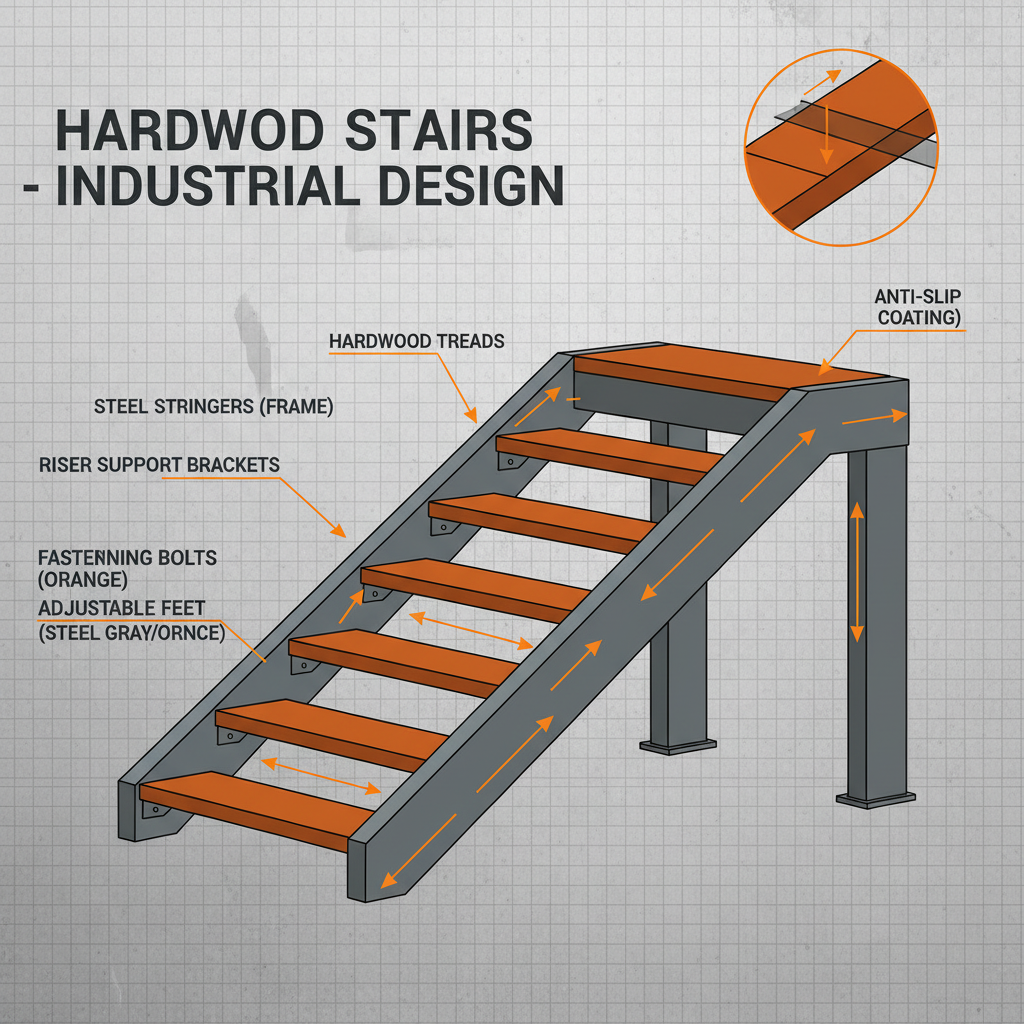
Global Industry Context of Hardwood Stairs
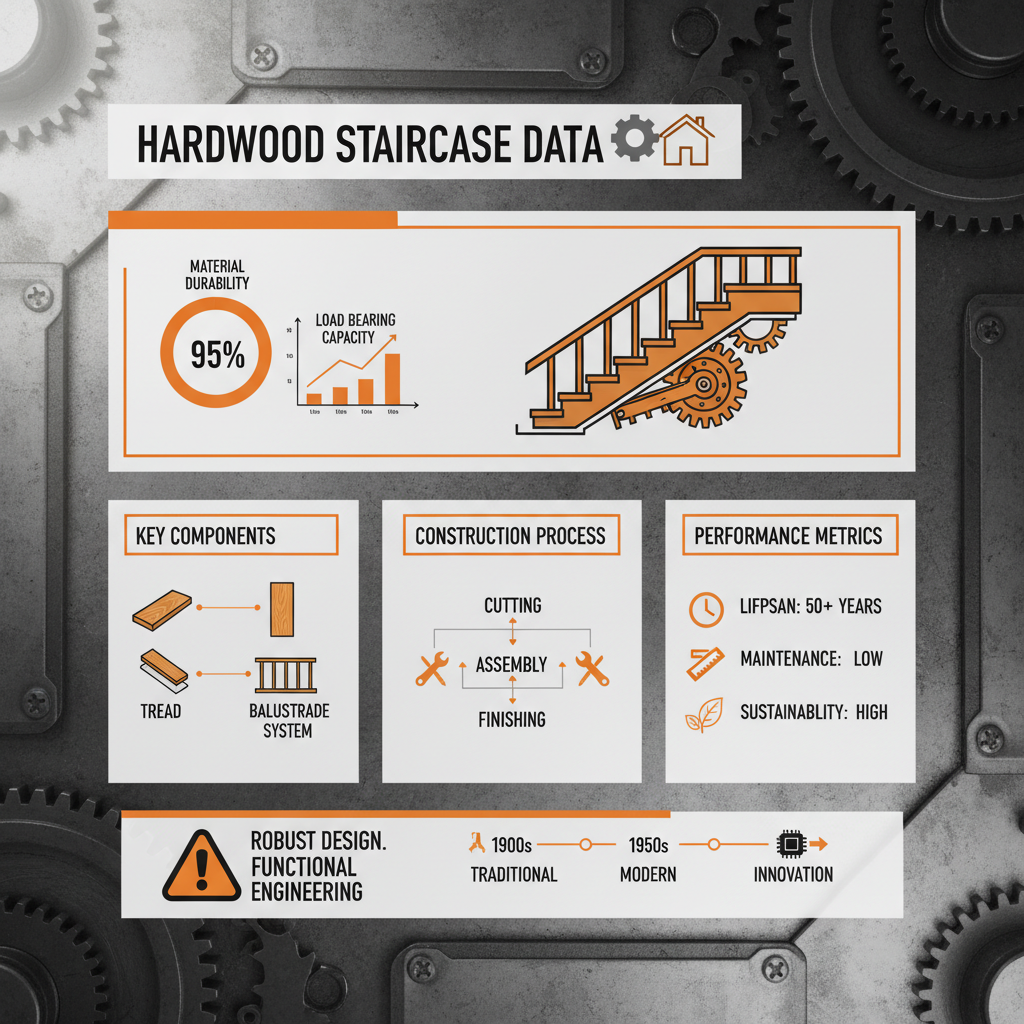
The global market for hardwood stairs has seen a significant resurgence as homeowners shift back toward organic, durable materials. According to international trade data and ISO standards for timber products, there is an increasing demand for certified sustainable hardwoods. This trend is driven by a growing awareness of indoor air quality and a desire for materials that offer a lower carbon footprint compared to synthetic alternatives.
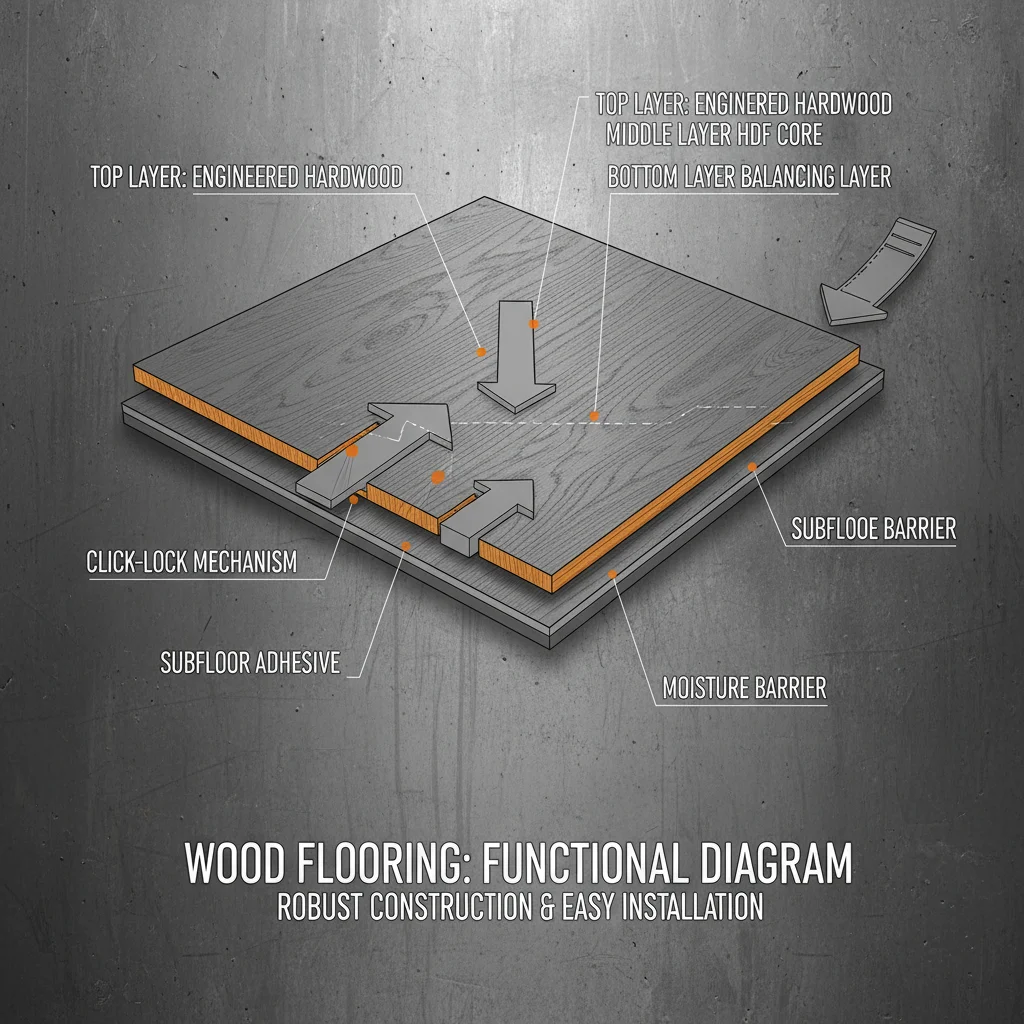
However, the industry faces a critical challenge: the scarcity of old-growth timber and the volatility of global supply chains. This has led to the innovation of engineered hardwood solutions that mimic the look of solid planks while offering greater stability. The modern challenge is no longer just about aesthetics, but about balancing the luxury of natural wood with the necessity of ecological preservation and structural resilience in diverse climates.
FAQS
For high-traffic areas, White Oak and Hard Maple are highly recommended due to their high Janka hardness ratings. These species resist dents and scratches much more effectively than softer woods like pine or cherry, ensuring that your stairs remain visually appealing even after years of heavy use. If you are looking for a balance of beauty and durability, Oak is generally the industry standard.
Yes, it is possible to install hardwood over carpeted stairs, but it requires a professional assessment. Usually, the carpet and padding are removed to expose the sub-structure. Depending on the existing condition, we may install hardwood treads and risers directly onto the stringers. This process effectively transforms the look of your home and adds significant value to the property.
Creaking is often caused by the wood rubbing against nails or other wooden components as it expands and contracts. To prevent this, ensure that the wood is properly acclimated to your home's humidity before installation. Using high-quality construction adhesives in addition to mechanical fasteners helps bond the treads firmly to the stringers, virtually eliminating the movement that causes noise.
Engineered hardwood stairs are often more stable than solid wood because their layered construction resists warping and shrinking in humid environments. While a very thick solid plank may offer more lifetime sanding cycles, high-quality engineered options provide an excellent compromise of luxury aesthetics and modern stability, making them ideal for regions with extreme weather changes.
Depending on the traffic volume, most hardwood stairs need a light sanding and a fresh coat of sealant every 7 to 10 years. If you notice the finish wearing thin in the center of the treads, it is time for a refresh. Regular cleaning and the use of runners in high-traffic zones can extend the time between full refinishing projects.
Polyurethane provides a hard, protective shell that is highly resistant to water and scratches, making it the best choice for families and pets. Oil finishes offer a more natural, matte look and are easier to spot-repair, but they require more frequent maintenance. For hardwood stairs, a water-based polyurethane is usually recommended for its durability and low VOCs.
Conclusion
In summary, hardwood stairs represent the perfect intersection of structural necessity and artistic expression. By choosing the right wood species, prioritizing sustainable sourcing, and employing modern installation techniques, homeowners can create a lasting asset that enhances both the beauty and the valuation of their property. From the resilience of solid oak to the innovation of smart lighting and parametric design, the evolution of hardwood staircases continues to set the standard for interior excellence.
As we look toward a future defined by sustainable luxury, investing in high-quality timber remains one of the most reliable ways to ensure a home's longevity. We suggest consulting with a professional developer to align your staircase design with your overall flooring strategy, whether you are pairing them with solid wood or SPC options. For premium solutions and expert guidance on upgrading your space, visit our website: www.houndafloor.com.

David Miller
If you are interested in our products, you can choose to leave your information here, and we will be in touch with you shortly.


