herringbone laminate
0%

Table of Contents

Herringbone wood floor, a timeless and elegant flooring pattern, has seen a resurgence in popularity in recent years. Once a hallmark of aristocratic homes, it is now a sought-after design element in modern residences and commercial spaces worldwide. This enduring appeal stems from its striking visual aesthetic and the sense of sophistication it imparts. Understanding the nuances of herringbone flooring – from its construction and installation to its long-term care and evolving trends – is crucial for homeowners, designers, and builders alike. The versatility of herringbone wood floor allows it to complement a wide range of interior styles, making it a valuable asset in any design project.

Globally, the demand for hardwood flooring, including herringbone patterns, continues to grow, driven by increasing disposable incomes and a heightened awareness of interior design trends. According to market research reports, the global wood flooring market is projected to reach \$49.9 billion by 2027, with Europe and North America currently leading the consumption. However, emerging economies in Asia-Pacific are witnessing rapid growth in demand, spurred by urbanization and a rising middle class. This global trend underscores the enduring appeal of wood flooring and its importance in the construction and design industries.

The challenge lies in balancing this increasing demand with sustainable sourcing practices and ensuring the availability of high-quality materials. Properly understanding herringbone wood floor allows for informed choices regarding materials, installation, and maintenance, contributing to both beautiful spaces and responsible consumption.
herringbone wood floor

The Essence of Herringbone Wood Floor
herringbone wood floor

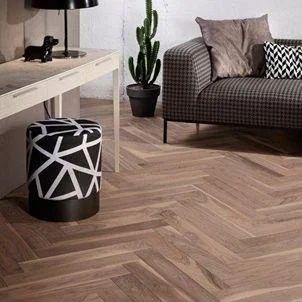
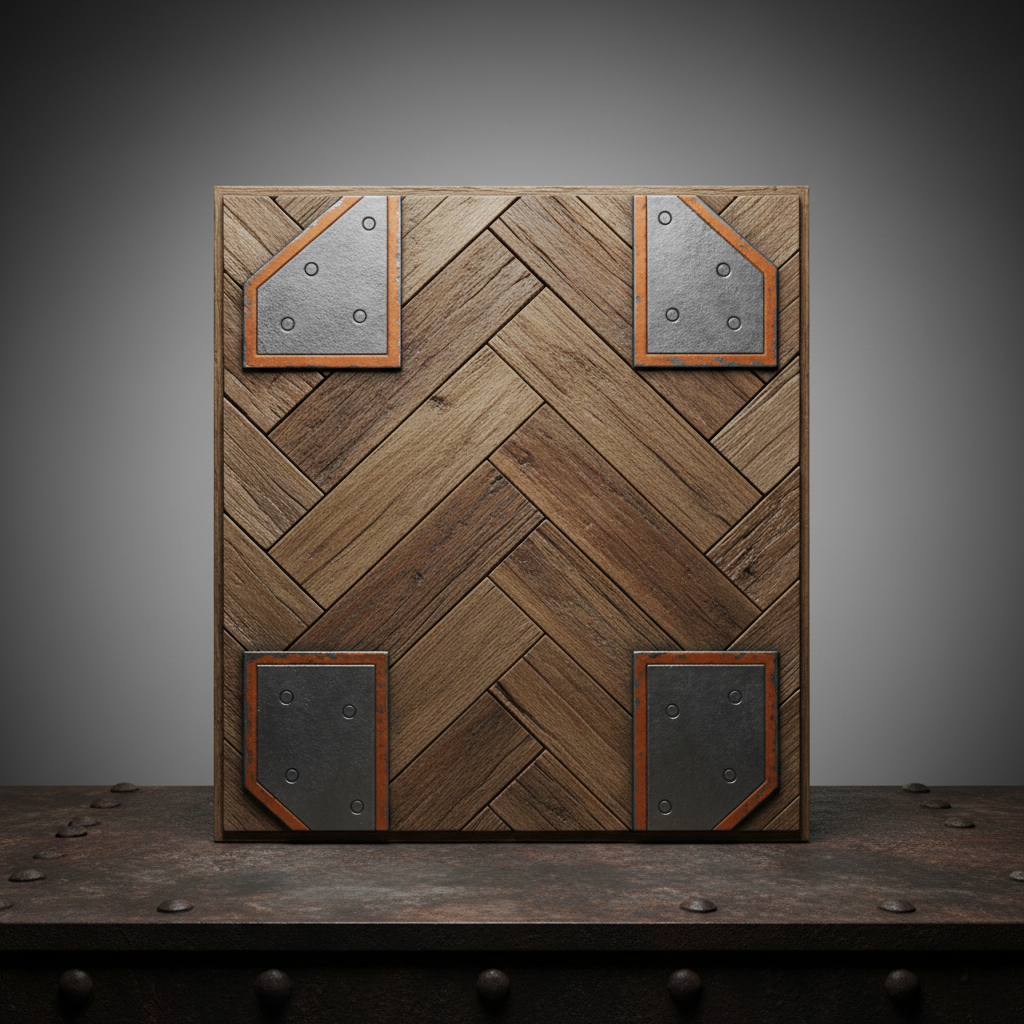
Herringbone wood floor is distinguished by its unique, zigzag pattern created by laying rectangular wood blocks at a 45-degree angle to each other. This arrangement resembles the skeleton of a herring fish, hence the name. Unlike simpler patterns like straight lay, herringbone requires meticulous craftsmanship and precise cuts, resulting in a visually dynamic and sophisticated floor. It’s a style that instantly adds character and a touch of luxury to any space.

The beauty of herringbone extends beyond aesthetics. The interlocking pattern provides excellent structural stability, making it a durable flooring option. Furthermore, the versatility of wood species and finishes allows for customization to suit various design preferences and budgets. The ongoing popularity of herringbone wood floor speaks to its enduring appeal and adaptability.

Historical Context and Global Relevance

The origins of herringbone patterns can be traced back to ancient Roman mosaics, where the technique was employed to create intricate designs in stone and tile. However, its application to wood flooring gained prominence during the 16th and 17th centuries in European castles and stately homes. French parquetry, often featuring elaborate herringbone designs, became a symbol of wealth and status. This association with luxury and refinement has continued to influence the perception of herringbone flooring to this day.

Today, herringbone wood floor is experiencing a global revival, driven by a renewed appreciation for classic design elements and a desire for unique, visually striking interiors. From bustling city apartments to rustic country estates, this pattern is being embraced across diverse cultures and architectural styles. The pattern’s ability to create a sense of movement and spaciousness makes it particularly well-suited for smaller rooms.

The resurgence of herringbone is also linked to the growing trend of biophilic design – incorporating natural elements into interior spaces. Wood, as a natural material, contributes to a sense of warmth, connection to nature, and overall well-being, making herringbone a desirable choice for creating inviting and harmonious environments.

Defining Herringbone Wood Floor

Essentially, herringbone wood floor is a flooring pattern constructed from uniformly sized, rectangular wood blocks arranged in a V-shaped pattern. Each block is typically laid at a 45-degree angle to the adjacent blocks, creating the distinctive zigzag effect. This contrasts with parquet flooring, which often utilizes more complex geometric patterns and varying block sizes.

In modern applications, herringbone wood floor can be achieved using solid wood, engineered wood, or even wood-look vinyl. Solid wood offers the most authentic look and feel, and allows for refinishing over time, but it's also the most susceptible to moisture and temperature fluctuations. Engineered wood provides greater stability and is a more cost-effective option, while vinyl offers durability and water resistance, making it suitable for high-traffic areas.

The pattern’s connection to modern industry isn’t merely aesthetic. Increased demand fosters sustainable forestry practices, and the complexity of installation creates specialized jobs in the flooring sector. Furthermore, the growing popularity fuels innovation in wood processing techniques and adhesive technologies. Choosing herringbone wood floor can therefore support a more responsible and technologically advanced industry.

Key Characteristics of Herringbone Flooring

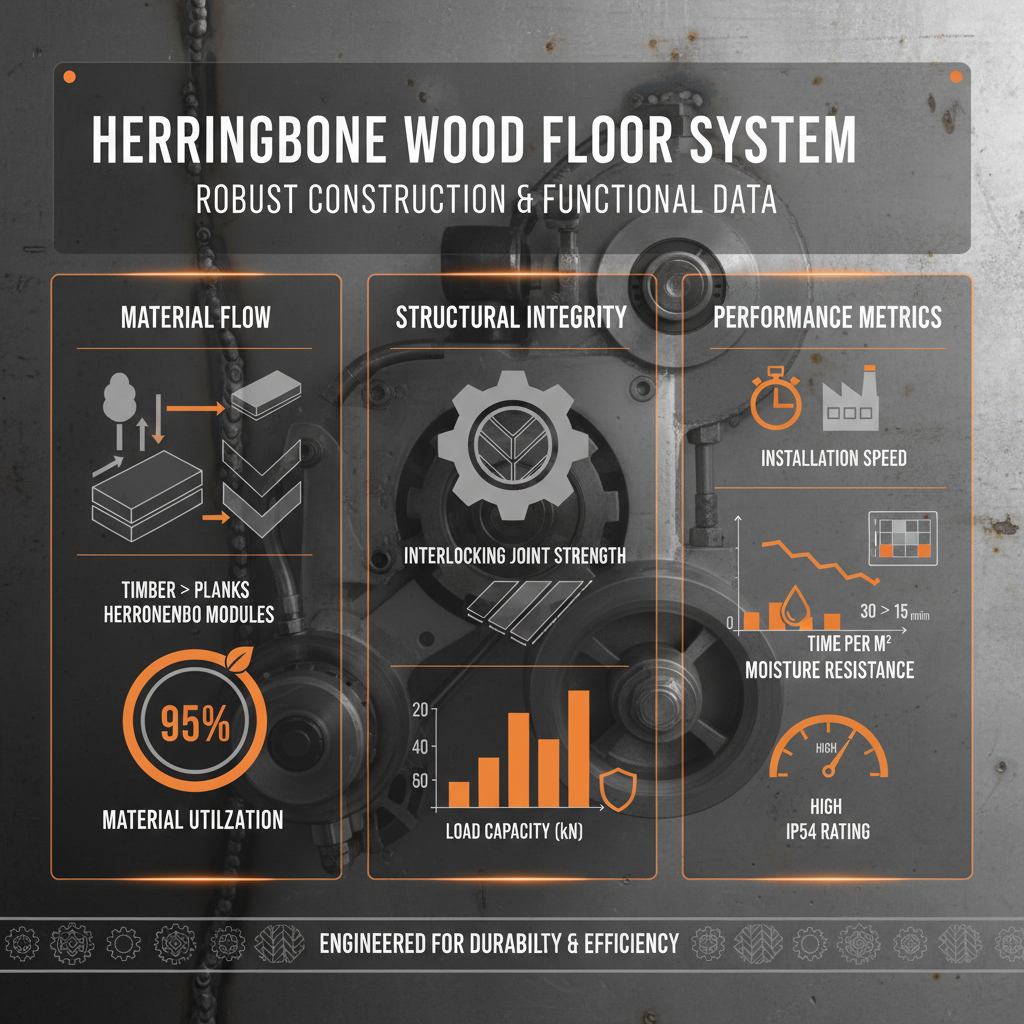
One of the defining characteristics of herringbone wood floor is its durability. The interlocking pattern distributes weight evenly, reducing the risk of warping or cracking. The choice of wood species also significantly impacts durability; hardwoods like oak, maple, and walnut are known for their resilience. Proper installation and regular maintenance further enhance the lifespan of the floor.

Another key characteristic is its visual impact. The dynamic pattern creates a sense of movement and spaciousness, making it ideal for both large and small rooms. The angle of the pattern also reflects light in a unique way, adding depth and dimension to the space. The color and grain of the wood further enhance the visual appeal.

Herringbone Wood Floor Performance Metrics

Applications Across Industries and Regions

Herringbone wood floor is widely used in residential construction, adding a touch of elegance to living rooms, dining rooms, bedrooms, and hallways. Its durability also makes it a popular choice for commercial spaces, such as offices, boutiques, and restaurants. In hospitality, herringbone flooring is often featured in hotel lobbies and upscale suites.

Geographically, Europe remains a significant market for herringbone flooring, with a strong tradition of craftsmanship and a preference for classic designs. North America also exhibits substantial demand, particularly in high-end residential and commercial projects. However, emerging markets in Asia-Pacific, such as China and India, are experiencing rapid growth in demand as their economies develop and tastes evolve.

In post-disaster relief operations, while less common, the modular nature of wood flooring components can be adapted for quick, aesthetically pleasing solutions in temporary housing or community centers. Similarly, in remote industrial zones, herringbone wood floor can elevate the aesthetic of worker accommodation, boosting morale and productivity.

Advantages and Lasting Value

The tangible benefits of herringbone wood floor extend beyond aesthetics. It increases property value, adds a timeless appeal, and offers excellent durability, reducing the need for frequent replacements. Sustainable sourcing of wood materials also contributes to environmental responsibility. The initial investment is often offset by the long-term value and reduced maintenance costs.

From an emotional perspective, herringbone flooring creates a sense of warmth, sophistication, and comfort. It enhances the overall ambiance of a space, promoting relaxation and well-being. The classic design evokes feelings of trust and reliability, adding to the perceived value of the property. The feeling of walking on a beautiful, well-crafted floor is a subtle but significant benefit.

Trends and Future Innovations in Herringbone

One prominent trend is the use of wider planks and more dramatic color variations in herringbone patterns. This creates a bolder, more contemporary look. Another trend is the incorporation of mixed wood species, adding texture and visual interest. Furthermore, there’s a growing demand for eco-friendly finishes and sustainable wood sources.

Future innovations may include the development of self-installing herringbone flooring systems, utilizing pre-cut and pre-glued blocks for easier installation. Advancements in wood preservation techniques could also enhance the durability and water resistance of herringbone flooring. Digital printing technology may enable the creation of customized herringbone patterns and designs.

Challenges and Potential Solutions

A primary challenge is the cost of installation, which can be significantly higher for herringbone flooring compared to simpler patterns due to the precision required. Finding skilled installers can also be difficult in some regions. Another challenge is ensuring the sustainable sourcing of wood materials, particularly in areas where deforestation is a concern.

Solutions include investing in training programs for flooring installers to increase the availability of skilled labor. Promoting the use of certified sustainable wood sources and advocating for responsible forestry practices are crucial. Utilizing pre-finished herringbone flooring panels can also reduce installation time and costs.

Comparative Analysis of Herringbone Wood Floor Installation Methods

Installation Method Cost (per sq. ft.) Skill Level Required Installation Time
Traditional Glue-Down \$8 - \$12 Expert 5-7 days
Click-Lock Engineered Herringbone \$6 - \$10 Intermediate 2-4 days
Pre-Finished Herringbone Panels \$7 - \$11 Intermediate 3-5 days
Loose Lay Herringbone (Vinyl) \$3 - \$6 Beginner 1-2 days
Herringbone with Adhesive Underlayment \$9 - \$13 Expert 4-6 days
Custom Herringbone (Solid Wood) \$12 - \$20+ Master Craftsman 7+ days

FAQS

What is the best wood species for herringbone flooring?

For herringbone flooring, oak is a popular choice due to its durability, affordability, and classic appearance. However, other hardwoods like maple, walnut, and cherry can also be used to create a unique look. The best species depends on your budget, desired aesthetic, and the level of foot traffic in the area. Consider factors like hardness, grain pattern, and color variations when making your selection.

How much does herringbone flooring typically cost?

The cost of herringbone flooring can vary significantly depending on the material (solid wood, engineered wood, vinyl), installation method, and labor rates in your area. Generally, you can expect to pay between \$8 and \$20+ per square foot for materials and installation. Solid wood herringbone flooring is typically the most expensive option, while vinyl is the most affordable.

Is herringbone flooring suitable for underfloor heating?

Yes, herringbone flooring can be compatible with underfloor heating, but it's essential to choose the right materials and installation methods. Engineered wood is generally more stable than solid wood and is therefore better suited for use with underfloor heating. Ensure the underfloor heating system is properly installed and that the wood flooring is acclimated to the room's temperature and humidity levels before installation.

How do I properly maintain herringbone wood flooring?

Regular maintenance is crucial for keeping herringbone wood flooring looking its best. Sweep or vacuum the floor regularly to remove dust and debris. Clean up spills immediately with a damp cloth. Avoid using harsh chemicals or abrasive cleaners. Consider applying a protective finish to the floor to enhance its durability and resistance to scratches and stains. Professional refinishing may be required every few years to restore the floor's original luster.

Can herringbone flooring be installed in bathrooms or kitchens?

While possible, installing herringbone flooring in bathrooms and kitchens requires careful consideration. These areas are prone to moisture and spills, so it's crucial to choose a water-resistant material, such as engineered wood or luxury vinyl plank. Ensure the subfloor is properly waterproofed, and apply a sealant to the flooring to protect it from moisture damage. Regularly clean up any spills to prevent water from seeping into the flooring.

What are the advantages of using engineered wood for herringbone?

Engineered wood offers several benefits for herringbone flooring. It’s more dimensionally stable than solid wood, meaning it’s less likely to warp or buckle due to changes in temperature and humidity. It’s also typically more affordable than solid wood and can be installed over a wider range of subfloors. Many engineered wood options come pre-finished, saving time and labor costs. This makes it an excellent choice for many herringbone applications.

Conclusion

Herringbone wood floor represents a compelling blend of timeless elegance, enduring durability, and modern adaptability. From its historical roots in European aristocracy to its current global resurgence, this flooring pattern continues to captivate designers and homeowners alike. Understanding its construction, advantages, and maintenance requirements empowers informed decision-making, ensuring a beautiful and long-lasting investment.

As we look ahead, innovations in materials, installation techniques, and sustainable sourcing practices promise to further enhance the appeal of herringbone flooring. Embracing these advancements will not only elevate the aesthetic of our living spaces but also contribute to a more responsible and environmentally conscious building industry. Visit our website at www.houndafloor.com to explore our extensive collection of herringbone wood flooring options and begin your journey towards creating a truly exceptional space.
Jason Wright

Jason Wright

Jason Wright is a Technical Support Engineer for Hounda, providing expert assistance to installers, contractors, and distributors across the United States. He has a background in carpentry and flooring installation, giving him practical insights into the challenges faced by professionals in the field. Jason is responsible for creating installation guides, conducting training workshops, and troubleshooting technical issues. He is dedicated to ensuring that Hounda flooring is installed correctly and performs optimally. He joined the company in 2019 and has become a valuable resource for our North American network.
Previous Exploring the Benefits and Applications of Modern Floating Floorboards
Next Discover the Timeless Elegance of White Oak Hardwood Flooring

If you are interested in our products, you can choose to leave your information here, and we will be in touch with you shortly.