
- russian
- luganda
- maithili
- maori
- marathi
- norwegian
- oromo
- persian
- polish
- portuguese
- quechua
- korean
- shona
- sindhi
- singapore
- spanish
- tamil
- thai
- turkish
- ukrainian
- urdu
- vietnamese
- english
- arabic
- aymara
- basque
- belarusian
- bengali
- cebuano
- czech
- danish
- deutsch
- dutch
- afrikaans
- filipino
- finnish
- french
- galician
- hindi
- indonesian
- irish
- italian
- japanese

Herringbone laminate flooring has surged in popularity in recent years, moving beyond a purely aesthetic choice to become a significant consideration in both residential and commercial construction. This isn't just a fleeting trend; it represents a broader shift towards versatile, durable, and visually appealing flooring solutions. The demand for stylish and practical flooring is driven by increasing homeownership rates and a renewed focus on interior design, contributing to the sustained growth of the laminate market globally.
Globally, the flooring industry is a multi-billion dollar market, with laminate flooring constituting a substantial segment. According to industry reports, the global laminate flooring market is projected to reach significant growth within the next decade, driven by factors like cost-effectiveness, ease of installation, and improved product quality. The increasing emphasis on sustainable building practices further fuels the demand for environmentally responsible flooring options, which modern herringbone laminate often provides.
Understanding the intricacies of herringbone laminate – from its construction and benefits to its potential applications and future trends – empowers consumers and industry professionals alike to make informed decisions, optimizing investments and elevating spaces with a timeless, sophisticated aesthetic.
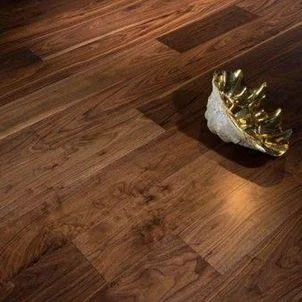
Defining Herringbone Laminate
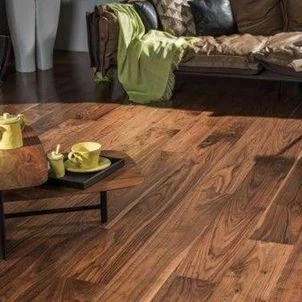
Herringbone laminate flooring is a type of flooring designed to mimic the classic herringbone pattern – a V-shaped arrangement of wood planks. However, unlike traditional hardwood, it's constructed from a composite material, typically consisting of a high-density fiberboard (HDF) core, a decorative layer with a photographic image of wood, and a protective wear layer. This construction offers a cost-effective and durable alternative to solid wood, particularly appealing for its aesthetic qualities.
The significance of herringbone laminate extends beyond mere aesthetics. It provides a solution for those seeking the look of hardwood without the associated high costs, maintenance requirements, or environmental concerns tied to deforestation. Its stability and resistance to moisture also make it suitable for areas where solid wood might be problematic, aligning with modern building demands for versatile and resilient materials.
FAQS
Herringbone laminate differs significantly from solid hardwood in both construction and cost. Laminate uses a photographic layer to replicate wood, while hardwood is genuine wood. Laminate is generally more affordable, easier to install, and more resistant to moisture and scratches. However, solid hardwood offers greater longevity and can be refinished multiple times, increasing its lifespan, although at a higher initial investment and ongoing maintenance cost.
While some herringbone laminate options offer improved moisture resistance, they are generally not recommended for areas with prolonged or direct water exposure, such as bathrooms or kitchens. If used in these areas, it's crucial to select a laminate specifically designed for high-humidity environments and to ensure proper sealing and maintenance to prevent water damage. Vinyl plank flooring might be a more appropriate choice for these spaces.
Herringbone laminate is relatively easy to maintain. Regular sweeping or vacuuming removes loose dirt and debris. Damp mopping with a laminate-specific cleaner is recommended. Avoid using excessive water or abrasive cleaners, as these can damage the protective wear layer. Protect furniture legs with felt pads to prevent scratches.
Whether herringbone laminate can be installed over existing flooring depends on the condition and type of the existing floor. Generally, it can be installed over concrete, plywood, or existing vinyl flooring, provided the surface is clean, level, and dry. However, it is not recommended to install directly over carpet or uneven surfaces. An underlayment may be required to provide additional cushioning and moisture protection.
The lifespan of herringbone laminate flooring varies depending on the quality of the product and the level of traffic it receives. Typically, residential-grade laminate can last for 10-20 years with proper care, while commercial-grade laminate can last for up to 25 years or more. Choosing a higher AC rating and following recommended maintenance practices will maximize the lifespan of your flooring.
Herringbone laminate can be a more environmentally friendly option than solid hardwood, as it uses less wood and often incorporates recycled materials. Look for products certified by organizations like the Forest Stewardship Council (FSC), which ensures responsible forestry practices. Additionally, the longer lifespan of laminate compared to some other flooring options reduces the need for frequent replacements, further minimizing environmental impact.
Conclusion
In conclusion, herringbone laminate represents a compelling flooring solution, blending aesthetic appeal with practical benefits. Its affordability, durability, ease of installation, and increasing design versatility have propelled it to prominence in both residential and commercial markets. Understanding its components, applications, and future trends empowers informed decision-making, optimizing value and enhancing spaces with a touch of timeless elegance.
As technology continues to advance and sustainability becomes increasingly important, herringbone laminate is poised for further innovation. By embracing new materials, improving manufacturing processes, and incorporating smart technologies, the industry can continue to deliver high-quality, environmentally responsible flooring solutions that meet the evolving needs of consumers and the built environment. For the latest in herringbone laminate design and installation, visit our website: houndafloor.com.

Ethan Turner
Ethan is the Marketing Director at Cangzhou Jiujiang, focusing on expanding the brand's presence in North America. With over a decade of experience in outdoor apparel marketing, Ethan leverages his knowledge to promote the company’s PU rainwear, emphasizing its BSCI and GRS certifications.
If you are interested in our products, you can choose to leave your information here, and we will be in touch with you shortly.


