
- russian
- luganda
- maithili
- maori
- marathi
- norwegian
- oromo
- persian
- polish
- portuguese
- quechua
- korean
- shona
- sindhi
- singapore
- spanish
- tamil
- thai
- turkish
- ukrainian
- urdu
- vietnamese
- english
- arabic
- aymara
- basque
- belarusian
- bengali
- cebuano
- czech
- danish
- deutsch
- dutch
- afrikaans
- filipino
- finnish
- french
- galician
- hindi
- indonesian
- irish
- italian
- japanese

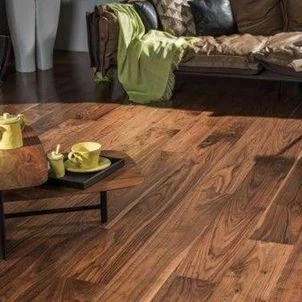
Solid walnut flooring represents a timeless investment in both aesthetic appeal and enduring quality, captivating homeowners and designers alike for generations. Its rich, dark tones and distinctive grain patterns bring warmth and sophistication to any interior, making it a highly sought-after material for residential and commercial spaces globally. The increasing demand for sustainable and naturally beautiful materials is further driving the popularity of solid walnut flooring, positioning it as a premium choice for those seeking lasting value and elegance.
The global market for hardwood flooring, and specifically solid walnut flooring, is experiencing consistent growth, fueled by rising disposable incomes, expanding construction sectors, and a renewed focus on interior design. According to industry reports, the demand for premium hardwoods like walnut is outpacing that of more common species due to their unique aesthetic qualities and perceived value. This growth presents both opportunities and challenges for suppliers and consumers, requiring a deeper understanding of sourcing, installation, and long-term maintenance.
Understanding the nuances of solid walnut flooring is crucial for making informed decisions, whether you're a homeowner embarking on a renovation project or a professional involved in architectural design. Its inherent strength, natural beauty, and potential for longevity make it a compelling alternative to other flooring materials, but proper knowledge is essential to ensure its lasting beauty and performance.
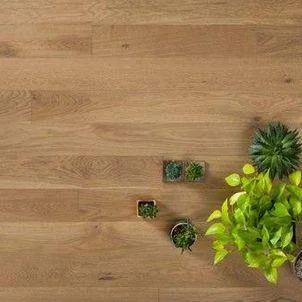
Defining Solid Walnut Flooring
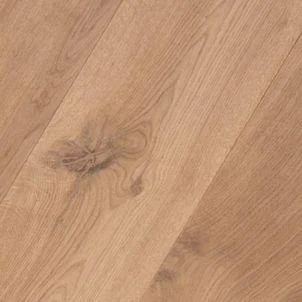
Solid walnut flooring is precisely what the name suggests: flooring constructed from single, solid pieces of walnut wood. Unlike engineered wood flooring, which consists of a veneer of hardwood over a core of plywood or other materials, solid walnut planks are milled directly from the tree. This construction method provides unmatched durability and allows for refinishing multiple times throughout its lifespan.
In modern construction and design, choosing natural materials like solid walnut flooring aligns with a growing global trend towards biophilic design – incorporating natural elements into the built environment to enhance wellbeing and create more harmonious spaces. This connection to nature elevates the aesthetic and functional benefits of flooring, making it a cornerstone of sustainable and restorative interiors.
FAQS
Solid walnut flooring requires gentle care. Avoid harsh chemicals, abrasive cleaners, and excessive water. Regularly sweep or vacuum to remove dust and debris. For deeper cleaning, use a wood floor cleaner specifically designed for polyurethane finishes, following the manufacturer's instructions. Damp mop, ensuring the mop is only slightly damp, and dry immediately to prevent water damage.
The frequency of refinishing depends on wear and tear. Typically, solid walnut flooring can last 25-40 years with proper care before needing refinishing. Signs it’s time to refinish include significant scratches, dullness, or damage to the finish. A professional assessment is recommended to determine the best course of action, as refinishing removes a layer of wood.
Walnut is moderately stable, but high humidity can still cause it to expand and contract. Proper installation with adequate subfloor ventilation is crucial. Maintaining consistent indoor humidity levels (between 30-50%) with a humidifier or dehumidifier can minimize issues. A high-quality finish also provides a protective barrier against moisture absorption.
Solid walnut is made entirely of walnut wood, offering greater durability and refinishing potential. Engineered walnut has a veneer of walnut over a core of plywood or composite material. It’s often more affordable and can be more dimensionally stable in fluctuating humidity levels, but it can’t be refinished as many times, if at all.
Walnut flooring is graded based on appearance. Clear grade has minimal knots and color variation, offering a uniform look. Select grade allows for some color variation and small knots. Common grade accepts more natural character marks, offering a rustic aesthetic. Higher grades generally cost more but provide a more consistent appearance.
Polyurethane finishes are the most common choice for solid walnut flooring due to their durability and resistance to scratches and water damage. Oil-based polyurethane provides a warmer tone, while water-based polyurethane is lower in VOCs and dries faster. Aluminum oxide finishes offer even greater durability but can be difficult to repair.
Conclusion
In conclusion, solid walnut flooring represents a blend of timeless beauty, enduring durability, and sustainable value. Its rich aesthetic qualities, coupled with its ability to enhance interior spaces, make it a sought-after material for both residential and commercial applications. Understanding its characteristics, proper maintenance requirements, and sustainable sourcing options is crucial for making informed decisions and enjoying its benefits for generations to come.
Looking ahead, continued innovation in wood finishing technologies and responsible forestry practices will further enhance the appeal of solid walnut flooring. By prioritizing sustainability and embracing new techniques, we can ensure the long-term availability and responsible use of this exceptional natural resource. To explore the possibilities of solid walnut flooring for your next project, visit our website today.

Ethan Turner
Ethan is the Marketing Director at Cangzhou Jiujiang, focusing on expanding the brand's presence in North America. With over a decade of experience in outdoor apparel marketing, Ethan leverages his knowledge to promote the company’s PU rainwear, emphasizing its BSCI and GRS certifications.
If you are interested in our products, you can choose to leave your information here, and we will be in touch with you shortly.


