Barnwood flooring has emerged as a premier choice for homeowners and designers seeking to infuse their spaces with an authentic, rustic charm that speaks of history and timelessness. Unlike standard modern planks, these materials carry a narrative of their own, often salvaged from old barns, warehouses, and industrial structures, providing a unique aesthetic that cannot be replicated by machine-processing alone.
In the global shift toward sustainable interior design, barnwood flooring stands out as an exemplary marriage of eco-consciousness and luxury. By repurposing aged timber, the industry reduces the demand for virgin forests while offering a product with natural stability and a weathered patina that adds immense character to any architectural project.
Understanding the nuances of selecting, installing, and maintaining these rustic surfaces is essential for achieving a balanced look that avoids feeling like a themed set. Whether integrated into a modern farmhouse or a sleek urban loft, the right approach to rustic wood ensures a durable, high-value investment that enhances both the emotional warmth and the market value of a property.
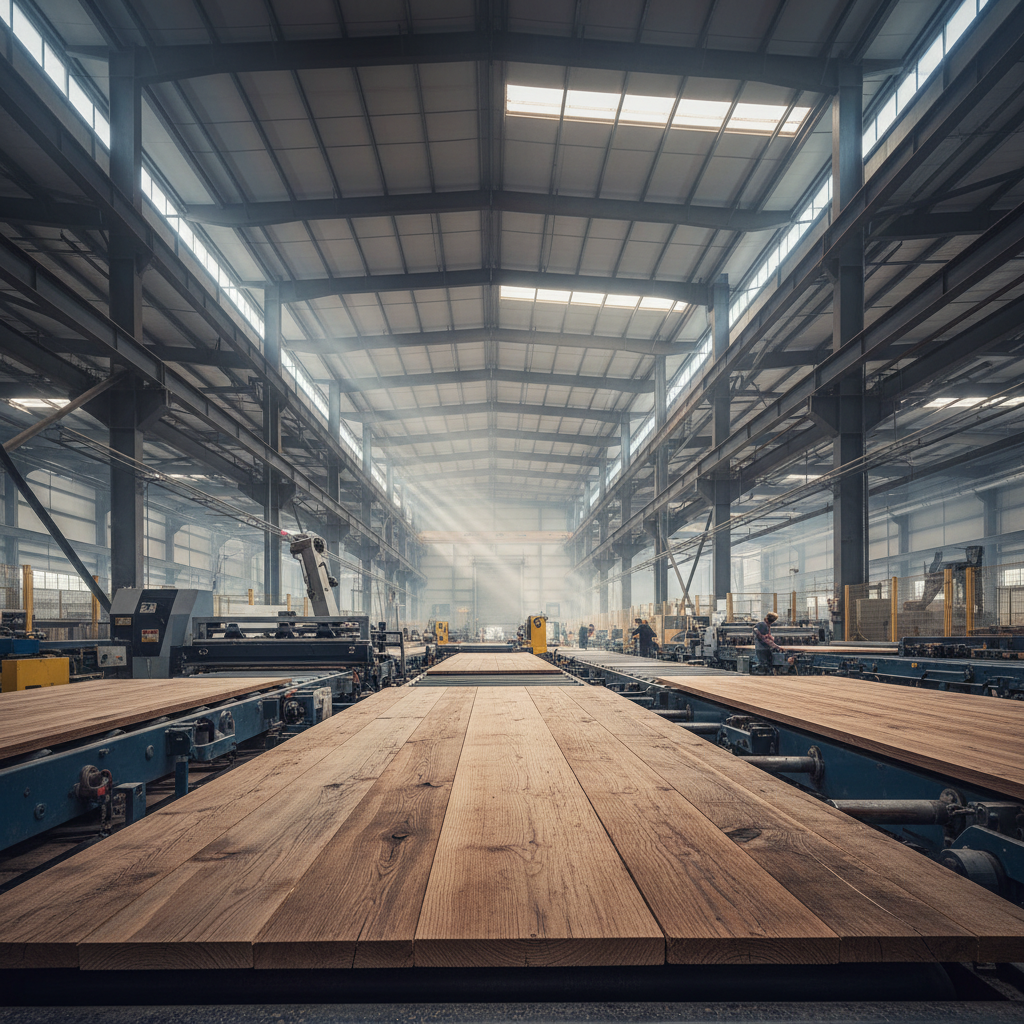
The Global Appeal and Heritage of Barnwood Flooring
The resurgence of barnwood flooring is more than a passing trend; it is a response to the sterile nature of mass-produced modern housing. Globally, there is a growing demand for "soulful" materials that connect occupants to the earth and the past. This movement is mirrored in ISO standards for sustainable building materials, where the emphasis has shifted toward the lifecycle of a product and the reduction of carbon footprints through the use of reclaimed assets.
Across North America and Europe, the architectural shift toward "Biophilic Design" has pushed barnwood into the spotlight. By incorporating the organic imperfections—knots, nail holes, and weathering—of old barn timber, designers can create spaces that reduce stress and improve mental well-being. The challenge lies in sourcing authentic wood that has been properly treated for indoor use without stripping away the very character that makes it desirable.
Defining the Essence of Authentic Rustic Timber
At its core, barnwood flooring refers to flooring made from timber salvaged from old barns, stables, and other agricultural buildings. Unlike "distressed" wood, which is new timber artificially aged using chemicals or mechanical hammering, authentic barnwood has been seasoned by decades of exposure to the elements and the natural aging process of the wood species, typically pine, oak, or hemlock.
In the context of modern industry, this material bridges the gap between luxury and environmental responsibility. It satisfies the humanitarian need for sustainable living by preventing old structures from ending up in landfills and reducing the pressure on current logging operations. The "meaning" of barnwood today is rooted in the concept of circular economy—where waste is viewed as a resource.
From a technical standpoint, the definition extends to the processing method. To be viable for residential use, the raw timber must undergo a rigorous kiln-drying process to eliminate pests and stabilize moisture content. This ensures that while the floor looks like it belongs in a 19th-century barn, it performs with the precision and stability of 21st-century engineering.
Core Components of High-Quality Barnwood Selection
When evaluating barnwood flooring, the first critical component is the species and grain density. Hardwoods like reclaimed oak provide superior indentation resistance, making them ideal for high-traffic areas, while reclaimed pine offers a softer, warmer aesthetic suited for bedrooms or cozy living spaces.
The second pillar is the "Patina Integrity." A high-quality barnwood floor maintains the natural oxidation and sun-bleaching that occurred over decades. The professional grading process ensures that the visual variety—ranging from deep grays to warm honey tones—is distributed evenly across the floor to avoid unsightly patches.
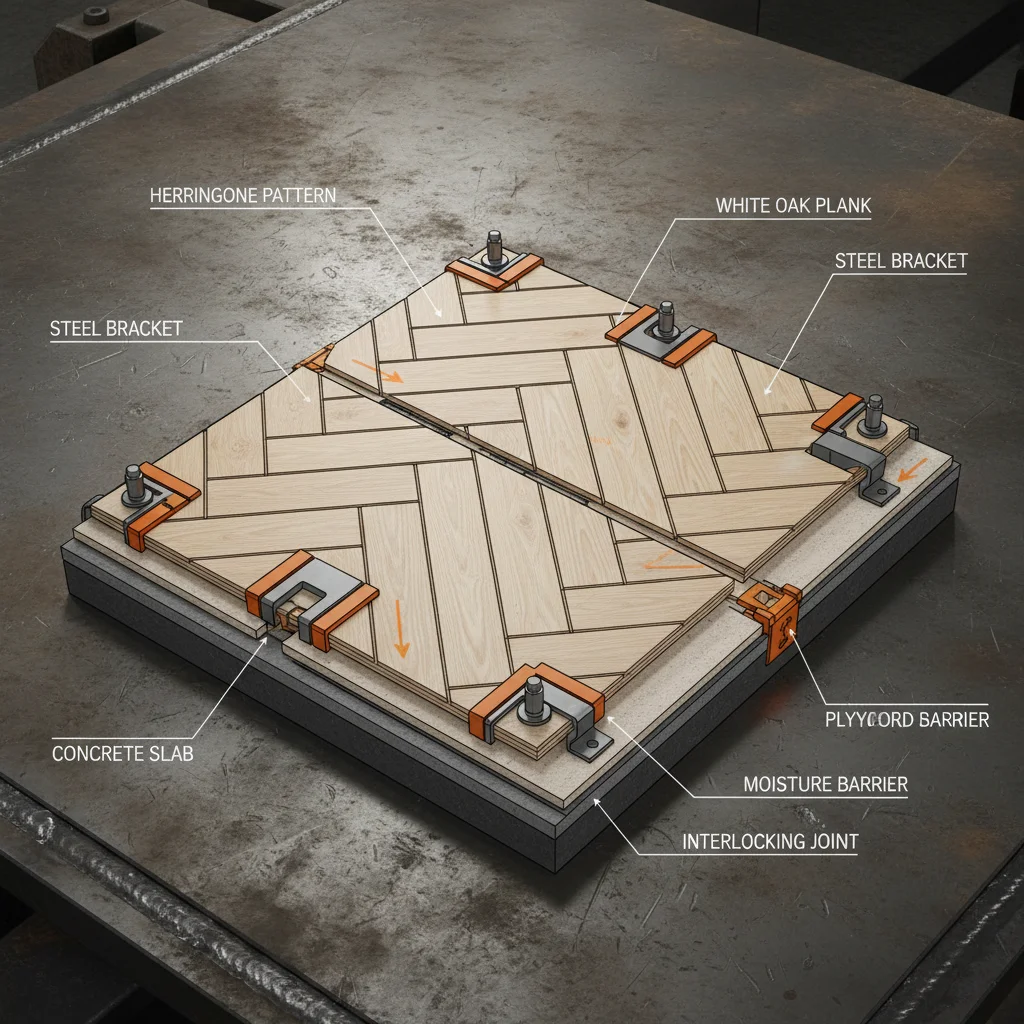
Lastly, the structural stability is paramount. Because these woods have already undergone decades of expansion and contraction in open-air environments, they are often more stable than new wood. However, the milling process must be precise, ensuring that the tongue-and-groove joints are tight and the surface is planed just enough to be safe for bare feet while retaining its rustic texture.
Performance Metrics and Durability Standards
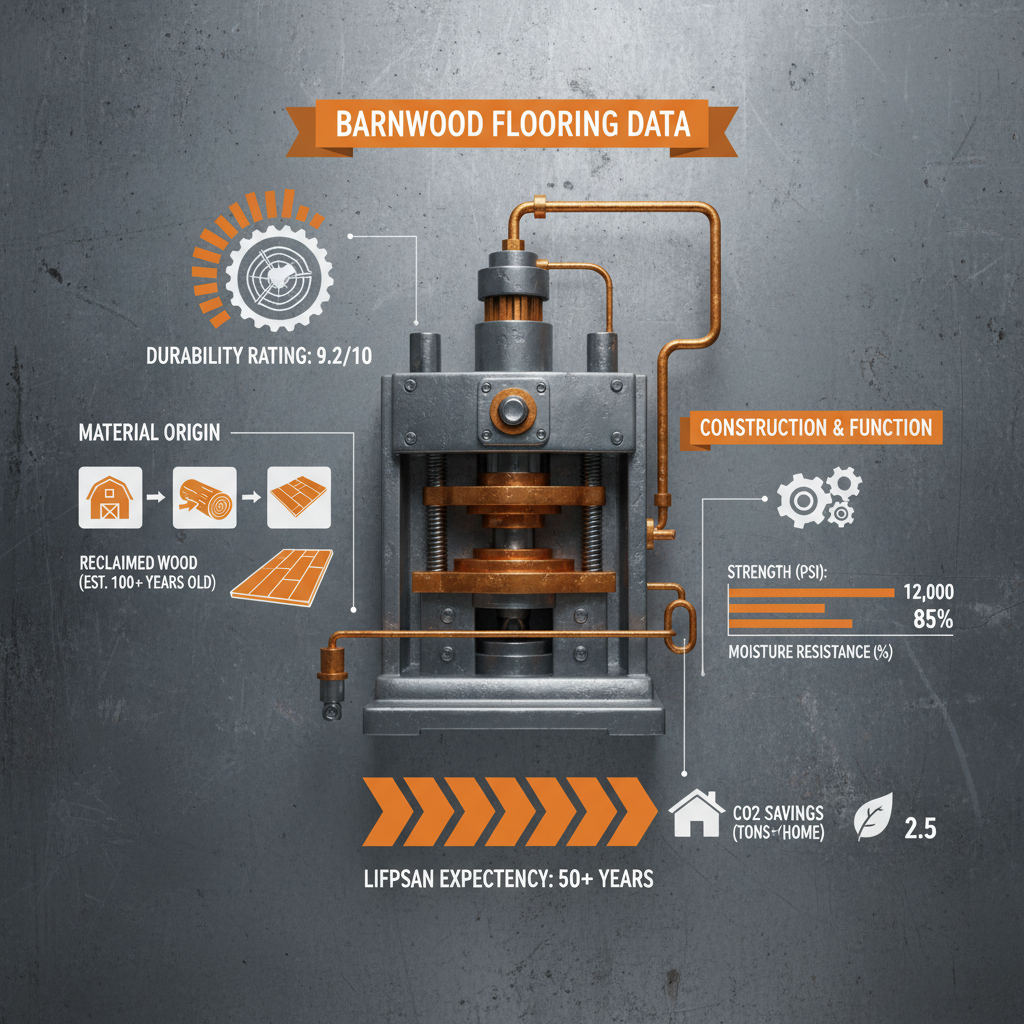
Measuring the performance of rustic surfaces requires a different lens than standard laminate or SPC. While traditional metrics focus on uniformity, barnwood flooring is judged by its "character-to-strength" ratio. The goal is to maintain the weathered look without sacrificing the structural integrity required for a residential floor.
One of the primary advantages is the innate resistance to new scratches. Because the wood already possesses a weathered surface with natural variations, everyday wear and tear blend seamlessly into the design, whereas a pristine polished floor would show every mark. This makes it a highly practical choice for families with pets or active children.
Barnwood Flooring Performance Comparison
Global Applications in Modern Architecture
The application of barnwood flooring has expanded far beyond the traditional "country home." In urban centers like New York, London, and Tokyo, it is frequently used in high-end commercial spaces—such as boutique hotels and organic cafes—to create an immediate sense of warmth and authenticity that offsets the coldness of steel and glass.
In specialized contexts, such as the renovation of historic heritage sites, reclaimed barnwood is used to maintain chronological consistency. By utilizing wood from the same era as the building, architects can preserve the historical narrative of the structure while upgrading the floor to meet modern safety and comfort standards.
Long-Term Value and Sustainability Benefits
Investing in barnwood flooring provides a tangible increase in property value due to its rarity and the high cost of authentic reclamation. Unlike synthetic alternatives, reclaimed wood is a finite resource; as old barns disappear, the available supply of high-quality timber decreases, naturally driving up the long-term asset value of the home.
From a sustainability perspective, the social impact is profound. Using reclaimed materials supports local salvage operations and reduces the ecological devastation caused by clear-cutting forests. It promotes a philosophy of "stewardship" over "consumption," where the homeowner becomes a guardian of a piece of history rather than just a consumer of a product.
Emotionally, there is a psychological comfort in the reliability of old-growth timber. The density of wood from centuries ago is often far higher than that of today's fast-grown plantation forests, resulting in a floor that feels solid and permanent, evoking a sense of trust and stability within the home environment.
Future Innovations in Reclaimed Wood Technology
The future of barnwood flooring is being shaped by advancements in non-toxic preservation. New bio-based sealants are allowing the wood to "breathe" while protecting it from moisture and stains, eliminating the need for harsh VOC-emitting varnishes that used to compromise the eco-friendly nature of reclaimed wood.
Digital transformation is also playing a role in the sourcing process. Blockchain technology is beginning to be used to track the "provenance" of the timber—allowing a homeowner to know exactly which region, and sometimes which specific barn, their flooring came from. This transparency adds a layer of emotional value and authenticity to the purchase.
Furthermore, the integration of hybrid installation systems is making these rustic floors more accessible. By combining reclaimed surface veneers with stabilized engineered cores, manufacturers can offer the look of barnwood with the installation ease of a floating floor, expanding its use into environments where traditional nail-down installation is impossible.
Comparative Analysis of Barnwood Flooring Types and Performance
|
Material Type
|
Durability Score (1-10)
|
Eco-Impact Rating
|
Primary Use Case
|
| Reclaimed White Oak |
9.5 |
Excellent |
High-traffic Living Rooms |
| Salvaged Heart Pine |
7.0 |
Very High |
Rustic Bedrooms |
| Weathered Hemlock |
6.5 |
High |
Accent Walls / Low Traffic |
| Engineered Barnwood |
8.0 |
Moderate |
Basements / Condos |
| Antique Chestnut |
9.0 |
Exceptional |
Luxury Estates |
| Mixed Grain Salvage |
7.5 |
Very High |
Commercial Cafes |
FAQS
Actually, it is often easier to maintain visually. Because of its natural distressing and color variations, barnwood hides dust, pet hair, and small scratches much better than a polished, uniform floor. However, because some reclaimed woods are more porous, we recommend a high-quality matte sealant to prevent liquid absorption while preserving the rustic feel.
Professional suppliers use a process called kiln-drying. The wood is placed in a controlled heat chamber that raises the internal temperature of the timber to a level that kills all larvae, beetles, and fungi. This process not only sanitizes the wood but also stabilizes the moisture content to prevent warping after installation.
While solid barnwood is not recommended for wet areas due to expansion and contraction, engineered versions with a barnwood veneer are excellent for these spaces. For solid wood, we suggest using it in "dry zones" of the kitchen or applying a heavy-duty waterproof sealant to protect the wood from splashes.
Yes, particularly in markets where "luxury rustic" or "modern farmhouse" styles are in demand. Authentic reclaimed materials are viewed as luxury assets. Buyers often appreciate the sustainability story and the unique, one-of-a-kind nature of the floor, which can create a strong emotional connection during home tours.
Reclaimed barnwood is truly old wood salvaged from historical structures, possessing genuine age-related patina. "Distressed" wood is new timber that has been mechanically beaten, sanded, or chemically stained to mimic the look of age. Authentic barnwood offers superior stability and a depth of character that artificial distressing cannot replicate.
Absolutely. It is one of the most sustainable flooring options available. By repurposing existing timber, it eliminates the need for new logging and prevents old wood from rotting in landfills. Furthermore, old-growth timber used in barns is typically denser and more durable than modern fast-grown wood, extending the product's lifespan.
Conclusion
Barnwood flooring represents a sophisticated intersection of historical preservation, environmental ethics, and high-end interior design. By prioritizing authentic reclaimed timber over synthetic imitations, homeowners can achieve a space that is not only visually stunning but also structurally stable and ecologically responsible. From its superior ability to hide wear and tear to its capacity to increase property value, the long-term benefits far outweigh the initial sourcing complexities.
As we move toward a future defined by sustainable luxury and biophilic living, the role of reclaimed materials will only grow. We encourage designers and homeowners to look beyond the surface and embrace the stories embedded in every grain of rustic timber. To explore a wide range of sustainable and authentic flooring solutions, visit our website: www.houndafloor.com