
- russian
- luganda
- maithili
- maori
- marathi
- norwegian
- oromo
- persian
- polish
- portuguese
- quechua
- korean
- shona
- sindhi
- singapore
- spanish
- tamil
- thai
- turkish
- ukrainian
- urdu
- vietnamese
- english
- arabic
- aymara
- basque
- belarusian
- bengali
- cebuano
- czech
- danish
- deutsch
- dutch
- afrikaans
- filipino
- finnish
- french
- galician
- hindi
- indonesian
- irish
- italian
- japanese

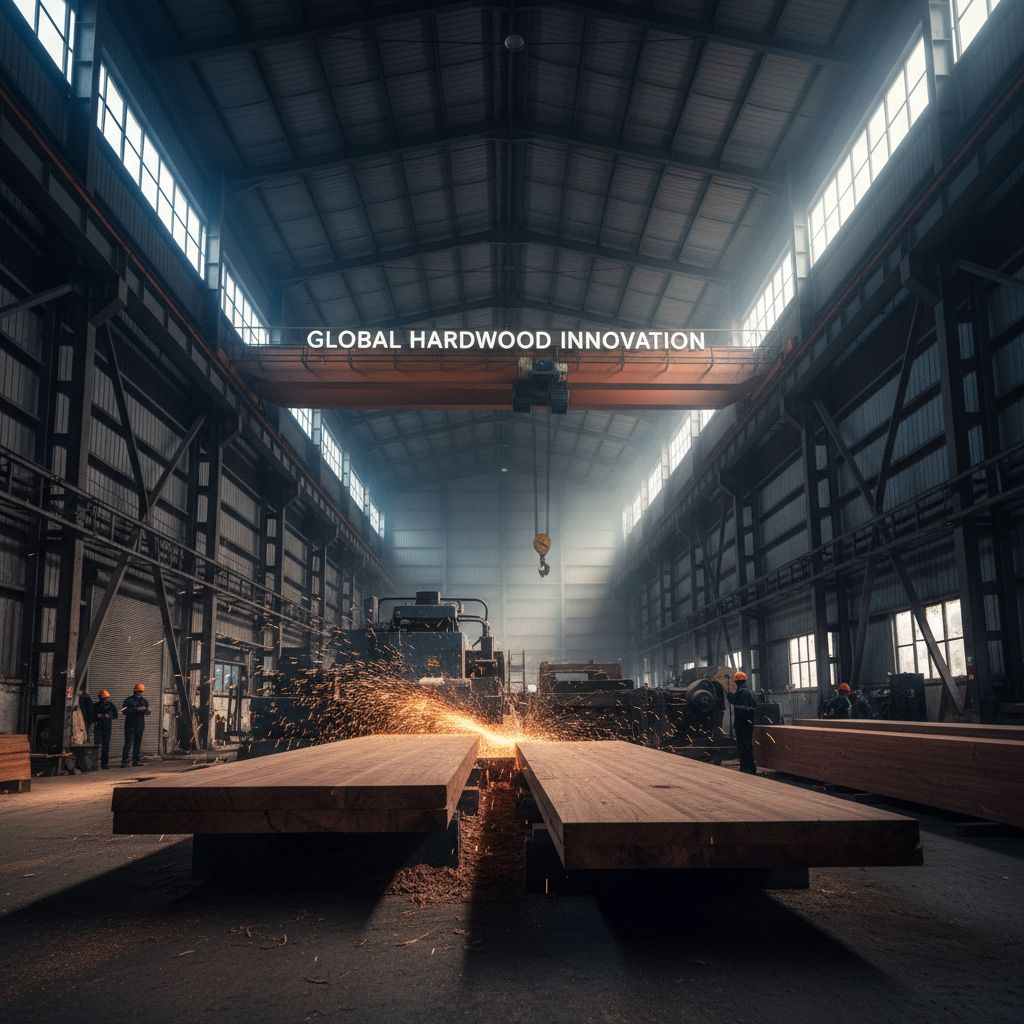
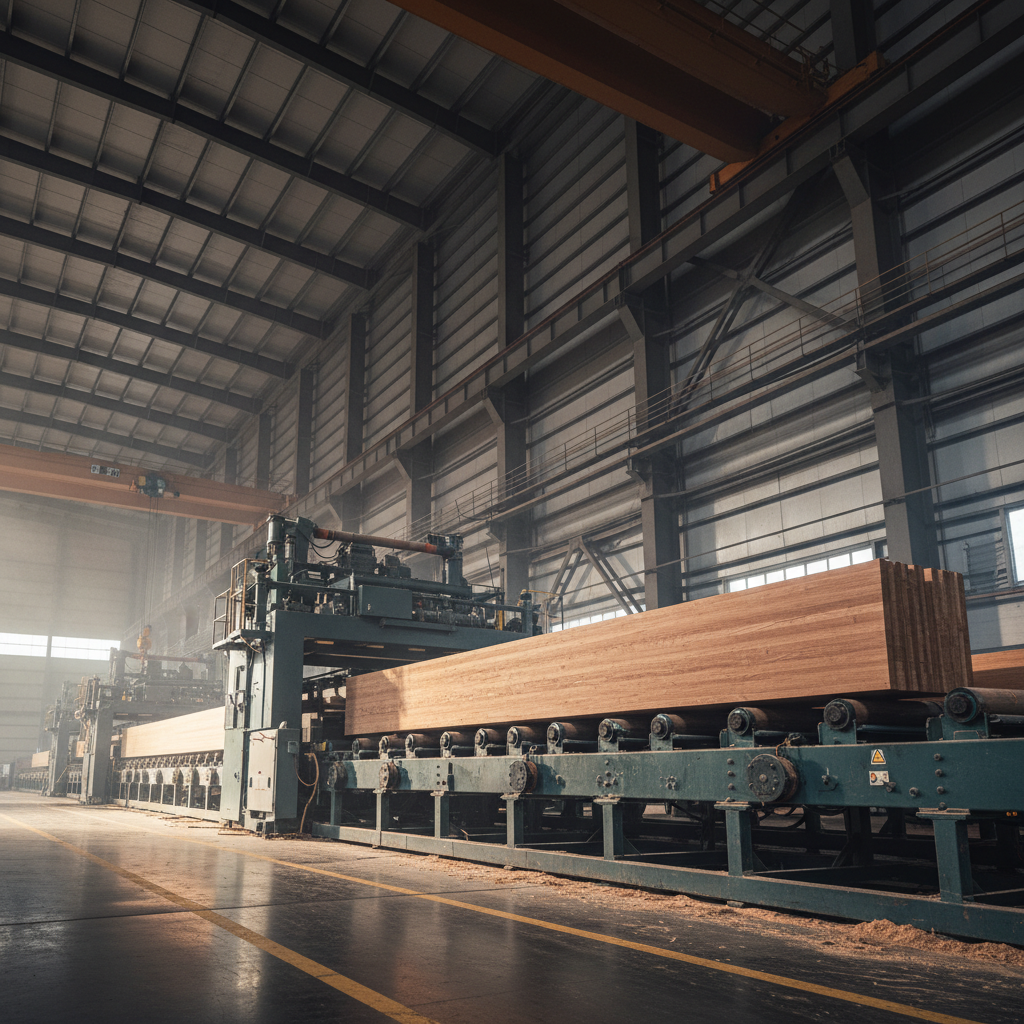
Hardwood, a cornerstone of construction and design for centuries, remains remarkably relevant in today's global landscape. Its inherent strength, aesthetic appeal, and sustainable sourcing options continue to drive demand across diverse industries. From residential flooring to high-end furniture and structural components, hardwood’s versatility is unmatched. Understanding its properties, applications, and future trends is crucial for architects, builders, designers, and consumers alike.
The global hardwood market is a multi-billion dollar industry, significantly impacting economies worldwide. According to the UN’s Food and Agriculture Organization, sustainable forest management is vital for addressing climate change and preserving biodiversity, making responsible hardwood sourcing a critical ethical consideration. However, challenges such as illegal logging and supply chain disruptions persist, necessitating greater transparency and traceability.
The increasing demand for sustainable building materials, coupled with a renewed appreciation for natural aesthetics, positions hardwood as a key material for a greener future. Exploring innovative hardwood technologies and promoting responsible forestry practices are essential to ensure its continued viability as a valuable resource for generations to come.
The Enduring Appeal of hardwood
The timeless beauty of hardwood is undeniable. Its natural grain patterns, rich color variations, and inherent warmth bring character and sophistication to any space. Unlike synthetic alternatives, hardwood ages gracefully, developing a patina that tells a story and enhances its value over time. This enduring aesthetic quality makes it a preferred choice for homeowners and designers seeking lasting elegance.
Beyond aesthetics, the structural integrity of hardwood provides unparalleled durability. Properly maintained hardwood floors can last for generations, representing a long-term investment in quality and resilience. This inherent robustness makes it an ideal material for high-traffic areas and demanding applications, ensuring both beauty and functionality.
FAQS
Hardwood comes from deciduous trees that lose their leaves annually and is typically denser and more durable than softwood, which comes from coniferous trees. Hardwood generally exhibits a more complex grain pattern and is favored for applications requiring strength and aesthetic appeal, like flooring and furniture. Softwood is often used in construction for framing and structural components due to its lower cost and ease of workability.
Look for certifications like the Forest Stewardship Council (FSC) label. This indicates that the hardwood comes from responsibly managed forests. Also, inquire about the chain of custody, ensuring the wood can be traced back to its origin. Companies committed to sustainability will readily provide this information.
Regular sweeping or vacuuming is essential to remove dust and debris. Avoid using harsh chemicals or abrasive cleaners. Use a hardwood-specific floor cleaner and a microfiber mop. Protect floors from scratches by using rugs in high-traffic areas and furniture pads under heavy objects. Periodic refinishing can restore the original beauty.
Engineered hardwood offers several benefits. It’s more dimensionally stable than solid hardwood, making it less susceptible to warping or cracking in fluctuating humidity levels. It’s also often more affordable and can be installed in areas where solid hardwood isn’t recommended, such as basements. While it doesn’t offer the same refinishing potential as solid hardwood, it’s a durable and attractive option.
Popular choices include oak (renowned for its strength and durability), maple (known for its smooth texture and light color), cherry (valued for its rich reddish tone), walnut (prized for its dark color and elegant grain), and mahogany (favored for its luxurious appearance and workability). The selection depends on the desired aesthetic and functional requirements.
Unlike some synthetic flooring materials, hardwood doesn’t emit harmful volatile organic compounds (VOCs). It’s a natural material that can actually help to regulate indoor humidity levels, reducing the risk of mold and mildew growth. Choosing hardwood finished with low-VOC sealants further enhances indoor air quality.
Conclusion
In conclusion, hardwood remains a remarkably versatile and valuable material with a rich history and a promising future. Its inherent strength, beauty, and sustainability make it a preferred choice for a wide range of applications, from construction and furniture making to flooring and decorative items. Responsible sourcing and innovative production techniques are crucial for ensuring its continued availability and minimizing environmental impact.
As consumers become increasingly aware of the environmental and social implications of their purchasing decisions, the demand for sustainably sourced hardwood is likely to grow. By embracing responsible forestry practices and supporting companies committed to sustainability, we can ensure that hardwood continues to enrich our lives and contribute to a healthier planet. Visit our website at houndafloor.com to explore our range of hardwood flooring options.


Brian Harrison
If you are interested in our products, you can choose to leave your information here, and we will be in touch with you shortly.


