herringbone laminate
0%

Table of Contents

When it comes to elevating the architectural value of a home, few elements are as impactful as hardwood stairs. These structural centerpieces do more than just facilitate movement between floors; they serve as a statement of craftsmanship and timeless elegance that can significantly increase a property's market value. By blending natural beauty with structural integrity, they create a seamless transition that defines the aesthetic flow of a modern interior.

Integrating high-quality timber into staircases involves a delicate balance of engineering and artistry. Whether utilizing solid oak, maple, or walnut, the selection of materials ensures that the stairs can withstand decades of heavy foot traffic while maintaining their luster. In the global flooring and woodworking industry, the shift toward sustainable forestry has made these installations not only a luxury choice but an environmentally conscious investment for homeowners worldwide.

Understanding the nuances of material selection, installation techniques, and maintenance is essential for anyone looking to upgrade their space. From the initial design phase to the final polishing, every detail contributes to the safety and longevity of the structure. In this comprehensive guide, we will explore the intricate world of hardwood stairs, examining how they integrate with other flooring types like SPC or laminate to create a cohesive home environment.
hardwood stairs

Global Industry Context of Hardwood Stairs
hardwood stairs

The global market for hardwood stairs has seen a significant resurgence as homeowners shift back toward organic, durable materials. According to international trade data and ISO standards for timber products, there is an increasing demand for certified sustainable hardwoods. This trend is driven by a growing awareness of indoor air quality and a desire for materials that offer a lower carbon footprint compared to synthetic alternatives.

However, the industry faces a critical challenge: the scarcity of old-growth timber and the volatility of global supply chains. This has led to the innovation of engineered hardwood solutions that mimic the look of solid planks while offering greater stability. The modern challenge is no longer just about aesthetics, but about balancing the luxury of natural wood with the necessity of ecological preservation and structural resilience in diverse climates.

Defining the Essence of Hardwood Stairs

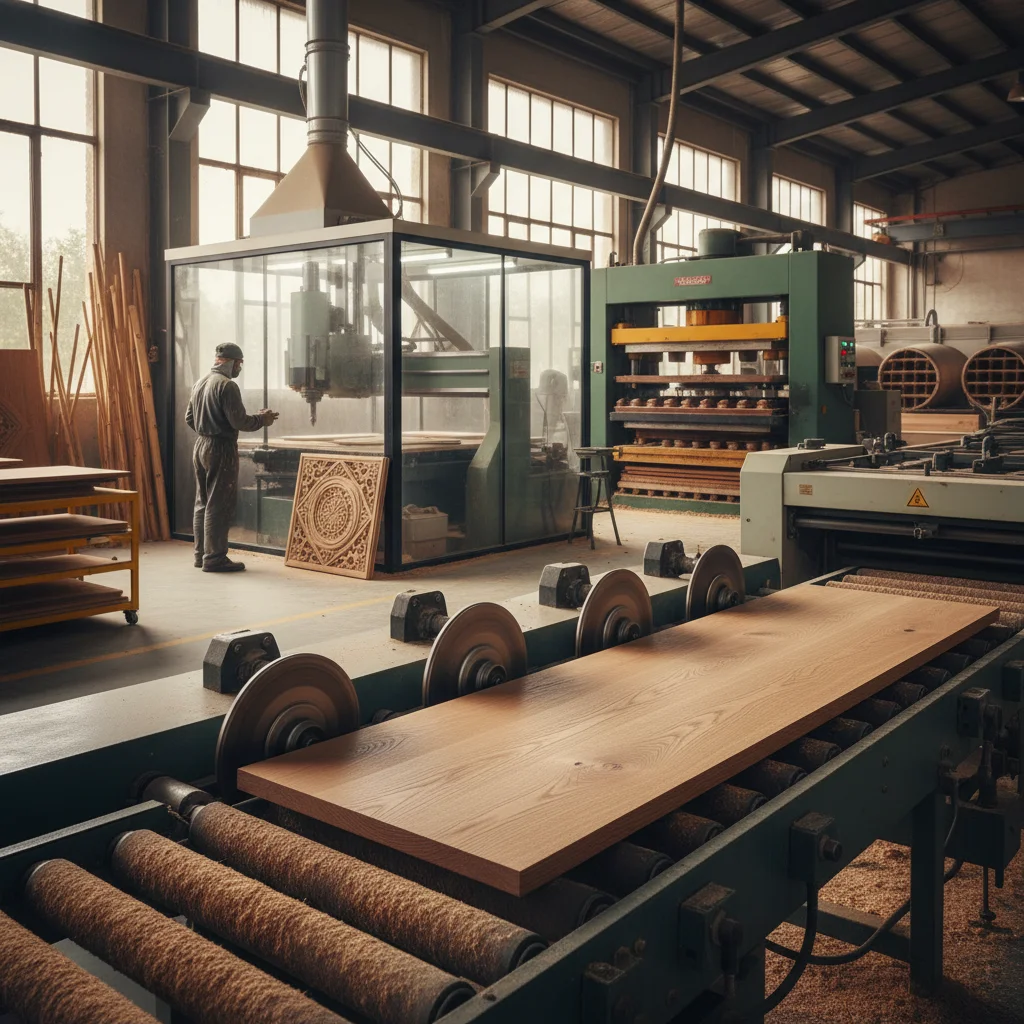
In the most fundamental sense, hardwood stairs are staircases constructed from deciduous tree species, known for their density and hardness. Unlike softwoods, hardwoods provide the necessary compressive strength to handle the repetitive impact of footsteps without excessive indentation. This makes them the gold standard for high-traffic residential and commercial areas where both form and function are paramount.

Beyond the technical definition, these stairs represent a bridge between traditional carpentry and modern architectural design. They are often integrated with other flooring systems, such as solid wood flooring or luxury SPC flooring, to create a visually unified interior. The connection to modern humanitarian needs is seen in the trend toward "biophilic design," which suggests that incorporating natural elements like wood into living spaces reduces stress and improves mental well-being.

For the professional developer or homeowner, choosing hardwood means investing in a living material. It is a choice that reflects a commitment to quality and longevity. By utilizing species like White Oak or African Mahogany, the staircase becomes more than a utility—it becomes a piece of furniture that grows in character as the wood patinas over several generations.

Core Components and Quality Factors

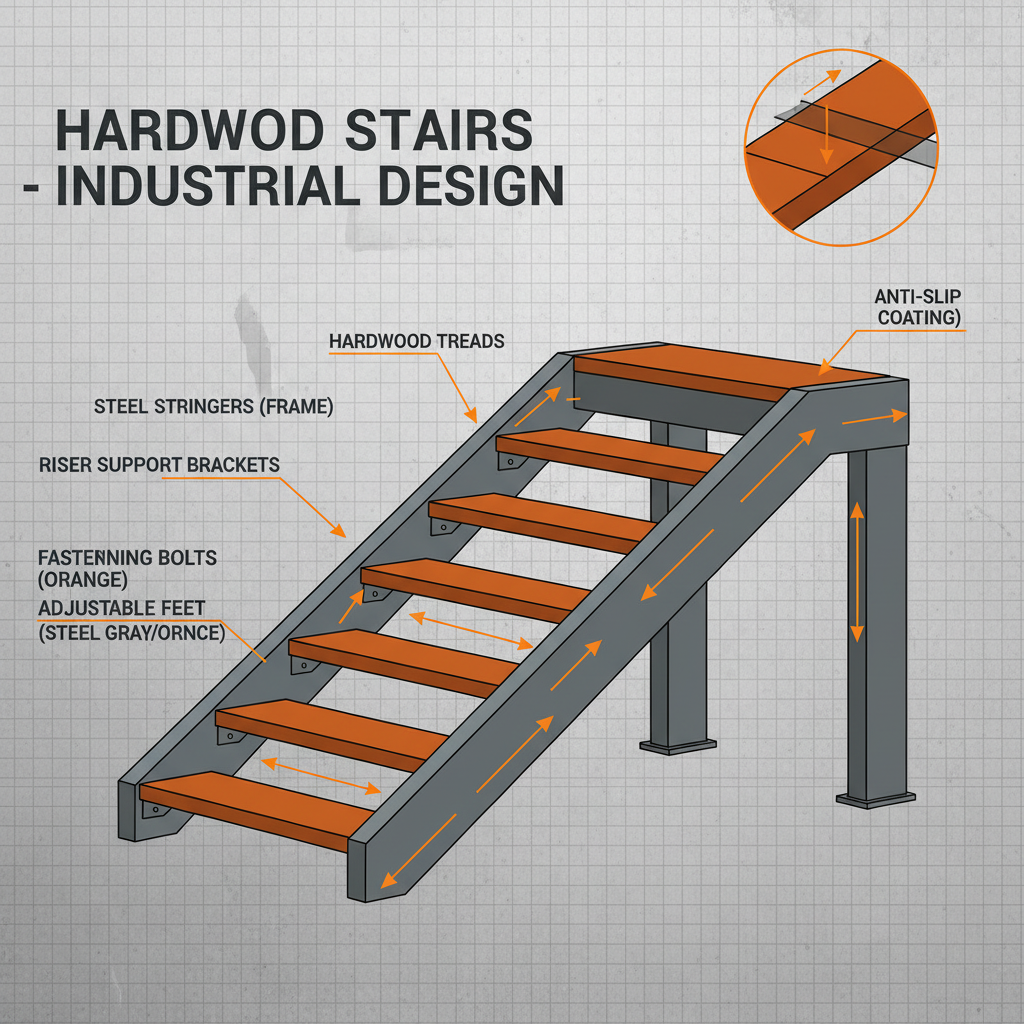
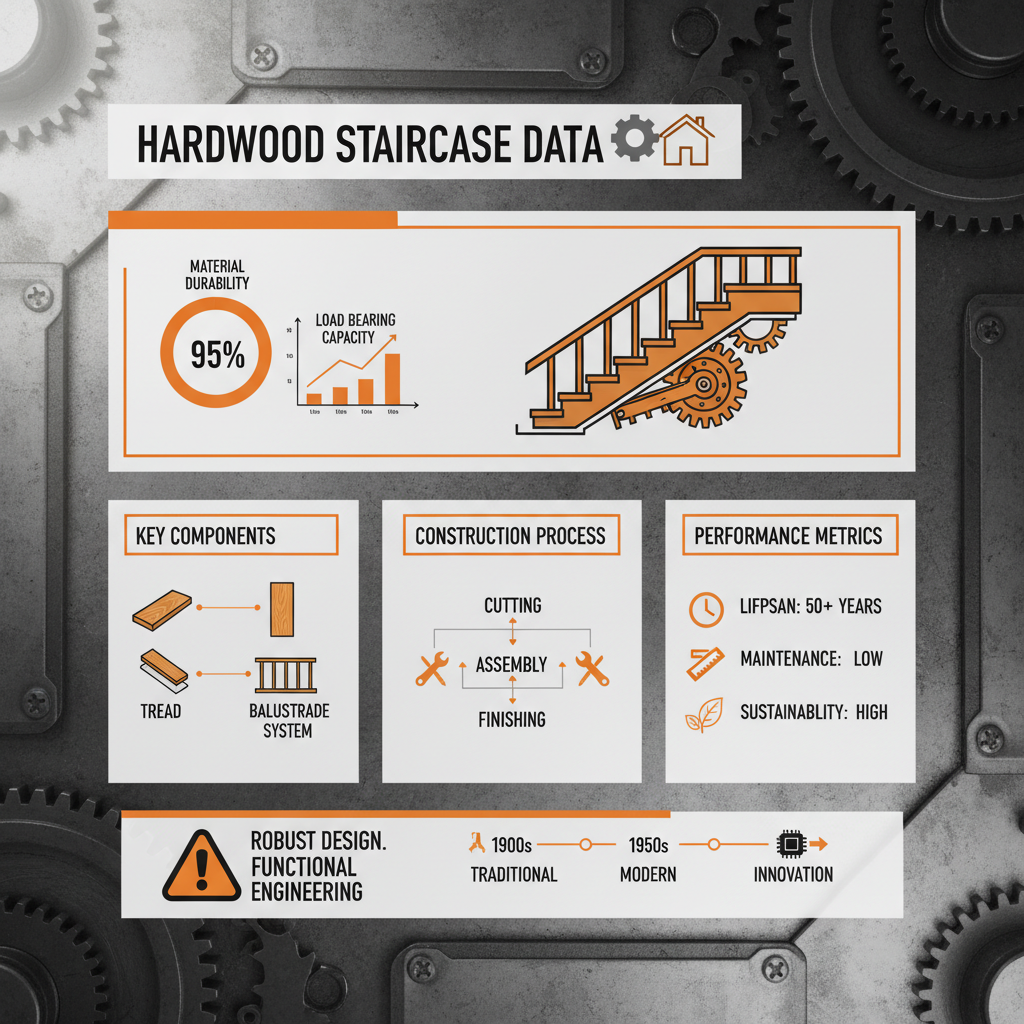
The durability of hardwood stairs is primarily determined by the Janka hardness scale of the wood species used. For instance, Hickory and Maple offer exceptional resistance to wear and tear, making them ideal for households with pets or children. This structural density ensures that the treads do not warp or crack under fluctuating humidity levels.

Scalability in design is another key factor. Whether it is a grand spiral staircase in a luxury villa or a compact set of stairs in a modern townhouse, the versatility of hardwood allows for custom milling. This adaptability ensures that the hardwood stairs can be tailored to fit any spatial constraint while maintaining a cohesive aesthetic with the surrounding flooring.

Cost efficiency in hardwood installations is often realized through the long-term lifecycle of the product. Unlike carpeted stairs that require replacement every few years or laminate that cannot be refinished, hardwood can be sanded and re-stained multiple times. This ability to renew the surface ensures that the initial investment yields value for decades, reducing the total cost of ownership.

Comparative Performance of Stair Materials

When selecting the right material for hardwood stairs, it is crucial to compare how different species and constructions perform under real-world conditions. Some prioritize raw hardness, while others focus on moisture resistance or visual grain patterns. Understanding these trade-offs allows homeowners to make an informed decision based on their specific environment.

The following data compares various hardwood options based on their resilience, aesthetic appeal, and ease of maintenance, providing a clear benchmark for quality selection in the flooring industry.

Performance Metrics for Different Hardwood Stairs Materials

Global Applications and Use Cases

In high-end residential projects across North America and Europe, hardwood stairs are frequently paired with matching solid wood flooring to create a monolithic look. In these contexts, the stairs act as a focal point, often utilizing open-riser designs to enhance the sense of space and light within the home.

Beyond luxury homes, we see these solutions applied in historical restoration projects in Asia and the Middle East. In the refurbishment of heritage buildings, artisans use reclaimed hardwood to ensure that the new stairs blend seamlessly with original architectural elements, preserving the cultural dignity of the site while meeting modern safety codes.

Long-Term Value and Sustainability

The long-term value of hardwood stairs extends beyond mere aesthetics. From a financial perspective, hardwood is one of the few interior upgrades that consistently provides a high return on investment (ROI). Prospective buyers perceive wood stairs as a sign of quality construction, which often translates to a higher appraisal value during the sale of a property.

Sustainability is now a core driver of value. By sourcing timber from FSC-certified (Forest Stewardship Council) forests, manufacturers ensure that the production of hardwood stairs does not contribute to deforestation. This ecological reliability builds trust with modern consumers who prioritize the health of the planet as much as the beauty of their homes.

Moreover, the emotional impact of natural wood cannot be overlooked. The warmth, scent, and tactile feel of a well-crafted staircase evoke a sense of stability and trust. It transforms a simple transition between floors into a sensory experience, reinforcing the feeling of "home" and providing a timeless elegance that synthetic materials simply cannot replicate.

Future Trends in Staircase Innovation

The future of hardwood stairs is being shaped by the intersection of biotechnology and digital fabrication. We are seeing the rise of "cross-laminated timber" (CLT) and advanced adhesives that make hardwood more stable in extreme humidity, effectively eliminating the common problem of creaking stairs.

Digital transformation is also playing a role through the use of CNC machining and 3D modeling. Designers can now create hyper-complex, parametric hardwood stairs that were previously impossible to build by hand. This allows for a new era of architectural expression where wood is bent and sculpted into fluid, organic shapes.

Finally, the integration of "smart" technology is emerging. Imagine hardwood stairs with integrated, invisible LED lighting sensors that illuminate as you step, blending safety with a futuristic aesthetic. As we move toward greener cities, the combination of sustainable wood and smart tech will redefine residential luxury.

Comparative Analysis of Hardwood Stair Trends and Technologies

Innovation Type Material Focus Primary Benefit Adoption Rate
Parametric Design Bended Oak/Maple Architectural Fluidity Medium
Smart Lighting Integrated LEDs Enhanced Safety High
CLT Construction Laminated Hardwoods Structural Stability Medium
Eco-Coatings Water-based Polyurethanes Zero VOC Emissions Very High
Reclaimed Sourcing Barn Wood / Antique Oak Zero New Deforestation High
Composite Hybrids Wood-Polymer Blend Moisture Resistance Low

FAQS

What is the best wood species for high-traffic hardwood stairs?

For high-traffic areas, White Oak and Hard Maple are highly recommended due to their high Janka hardness ratings. These species resist dents and scratches much more effectively than softer woods like pine or cherry, ensuring that your stairs remain visually appealing even after years of heavy use. If you are looking for a balance of beauty and durability, Oak is generally the industry standard.

Can I install hardwood stairs over an existing carpeted staircase?

Yes, it is possible to install hardwood over carpeted stairs, but it requires a professional assessment. Usually, the carpet and padding are removed to expose the sub-structure. Depending on the existing condition, we may install hardwood treads and risers directly onto the stringers. This process effectively transforms the look of your home and adds significant value to the property.

How do I prevent my hardwood stairs from creaking over time?

Creaking is often caused by the wood rubbing against nails or other wooden components as it expands and contracts. To prevent this, ensure that the wood is properly acclimated to your home's humidity before installation. Using high-quality construction adhesives in addition to mechanical fasteners helps bond the treads firmly to the stringers, virtually eliminating the movement that causes noise.

Are engineered hardwood stairs as durable as solid hardwood?

Engineered hardwood stairs are often more stable than solid wood because their layered construction resists warping and shrinking in humid environments. While a very thick solid plank may offer more lifetime sanding cycles, high-quality engineered options provide an excellent compromise of luxury aesthetics and modern stability, making them ideal for regions with extreme weather changes.

How often should I refinish my hardwood stairs?

Depending on the traffic volume, most hardwood stairs need a light sanding and a fresh coat of sealant every 7 to 10 years. If you notice the finish wearing thin in the center of the treads, it is time for a refresh. Regular cleaning and the use of runners in high-traffic zones can extend the time between full refinishing projects.

Which finish is better for stairs: oil or polyurethane?

Polyurethane provides a hard, protective shell that is highly resistant to water and scratches, making it the best choice for families and pets. Oil finishes offer a more natural, matte look and are easier to spot-repair, but they require more frequent maintenance. For hardwood stairs, a water-based polyurethane is usually recommended for its durability and low VOCs.

Conclusion

In summary, hardwood stairs represent the perfect intersection of structural necessity and artistic expression. By choosing the right wood species, prioritizing sustainable sourcing, and employing modern installation techniques, homeowners can create a lasting asset that enhances both the beauty and the valuation of their property. From the resilience of solid oak to the innovation of smart lighting and parametric design, the evolution of hardwood staircases continues to set the standard for interior excellence.

As we look toward a future defined by sustainable luxury, investing in high-quality timber remains one of the most reliable ways to ensure a home's longevity. We suggest consulting with a professional developer to align your staircase design with your overall flooring strategy, whether you are pairing them with solid wood or SPC options. For premium solutions and expert guidance on upgrading your space, visit our website: www.houndafloor.com.
David Miller

David Miller

David Miller is Hounda's North American Sales Director, bringing over 15 years of experience in the flooring industry. Prior to joining Hounda in 2022, David held leadership positions at leading flooring distributors like Shaw Industries and Mohawk. He’s a strong advocate for sustainable building practices and is passionate about bringing innovative flooring solutions to the US market. David focuses on expanding Hounda’s presence within the commercial sector, specifically targeting hospitality and multi-family residential projects. He holds a Bachelor's degree in Business Administration from the University of Texas at Austin and frequently speaks at industry conferences on flooring trends and market analysis.
Previous The Ultimate Guide to Choosing a floating hardwood floor System
Next Authentic Barnwood Flooring for Sustainable Rustic Interior Design

If you are interested in our products, you can choose to leave your information here, and we will be in touch with you shortly.