
- russian
- luganda
- maithili
- maori
- marathi
- norwegian
- oromo
- persian
- polish
- portuguese
- quechua
- korean
- shona
- sindhi
- singapore
- spanish
- tamil
- thai
- turkish
- ukrainian
- urdu
- vietnamese
- english
- arabic
- aymara
- basque
- belarusian
- bengali
- cebuano
- czech
- danish
- deutsch
- dutch
- afrikaans
- filipino
- finnish
- french
- galician
- hindi
- indonesian
- irish
- italian
- japanese

Look, I’ve been running around construction sites for fifteen years, and let me tell you, things are *moving*. Everyone’s talking about prefabrication, modular designs, minimizing waste… and chevron flooring laminate is right in the thick of it. It’s not new, not by a long shot, but people are finally realizing it’s a solid solution when you need something that looks good, holds up, and doesn’t take forever to install. Honestly, the demand just keeps climbing.
There's a real push for quicker turnaround times, you know? Owners don't want projects dragging on. Chevron laminate fits that bill. But a lot of designers, they get caught up in the *look* and forget about practicality. Have you noticed how many specify really thin wear layers? Beautiful for the showroom, a disaster on a busy site. Or they try to get too clever with the click-lock systems, and it becomes a nightmare to assemble.
And honestly, the material itself… it’s come a long way. It’s not your grandma’s laminate anymore. We’re talking high-density fiberboard, often with a limestone composite core. Feels solid, smells…well, like wood composite, I guess. Not offensive, not amazing. You need good gloves when handling it, though. That edge banding can be surprisingly sharp.
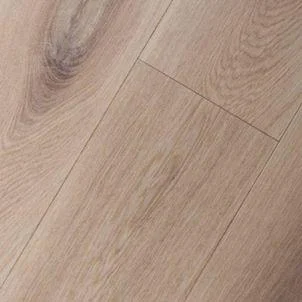
The Current Landscape of Chevron Flooring Laminate
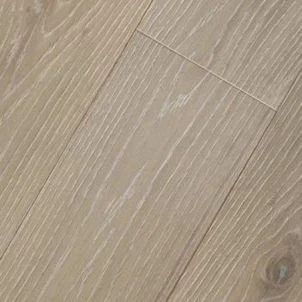
To be honest, it’s booming. Prefab housing, retail spaces, even some high-end apartments are using it. It’s quick to install, relatively affordable, and the designs are getting better and better. You're seeing more realistic wood grain patterns, textured surfaces... it’s not always easy to tell the difference from solid wood anymore, especially with the improved printing technologies.
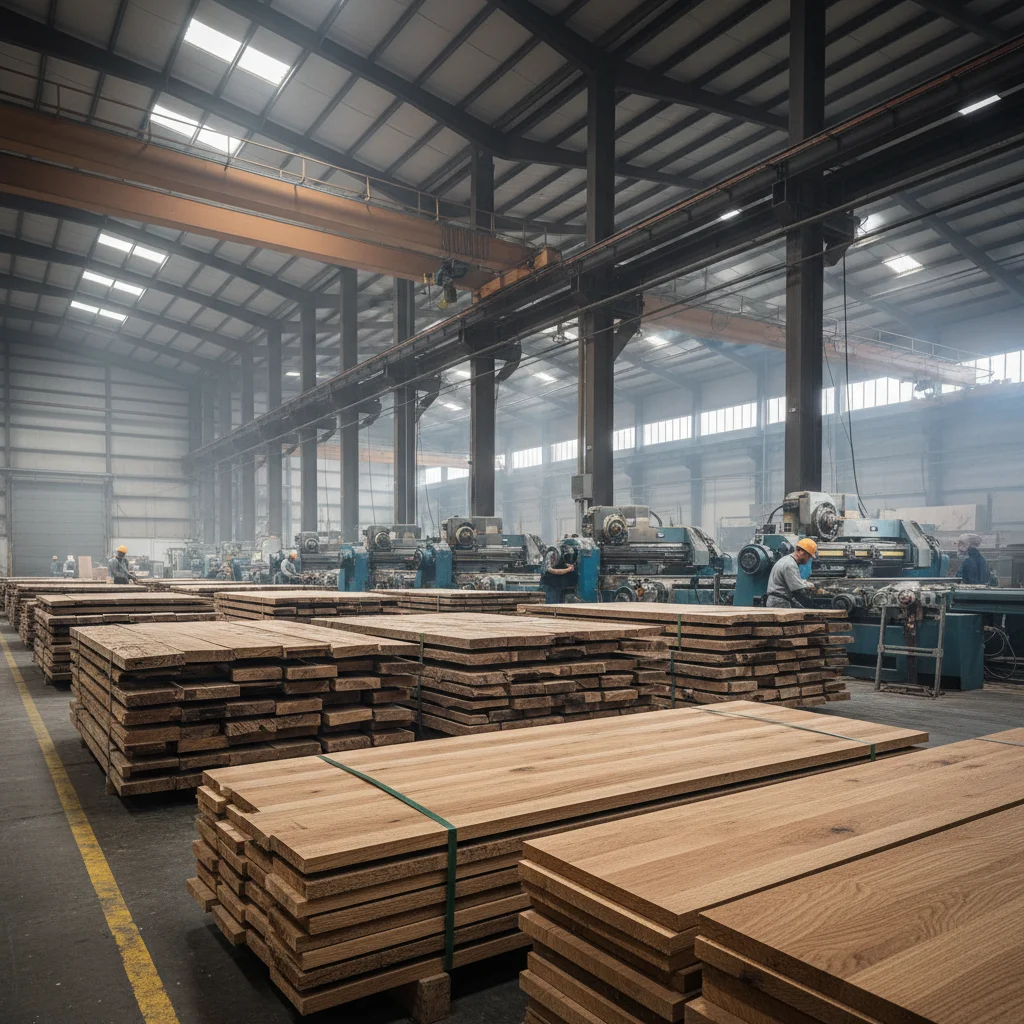
I encountered this at a flooring factory in Vietnam last time, and they were experimenting with adding recycled plastic to the core layer. Said it made it more water-resistant. I’m skeptical, but they seemed convinced. The whole industry is trying to figure out how to make things greener, you know?
FAQS
Proper underlayment is key. Look for one with a built-in moisture barrier. Also, don't install it directly on concrete without a vapor barrier. And, honestly, don't let it get soaked. A little spill is fine, wipe it up quick. But a flooded basement? That’s a replacement job, guaranteed.
It depends. High-traffic areas will wear faster, obviously. But with good quality material and proper care, you should get at least 10-15 years out of it. Some of the higher-end stuff with thicker wear layers could last even longer. But don’t expect it to last forever. It’s not hardwood.
It can be, *if* you choose a waterproof variety – SPC is a good option. But even then, be careful. Constant exposure to water is going to shorten its lifespan. And make sure the seams are properly sealed. You don’t want water getting underneath.
Those ratings indicate abrasion resistance. AC3 is good for residential use, AC4 is better for high-traffic areas, and AC5 is for commercial applications. Generally, you want at least AC4 for a living room, and AC5 if it’s going in a busy office or retail space. It’s a good indicator of how well the wear layer will hold up.
Minor scratches can sometimes be touched up with a repair kit, but major damage usually requires replacing the entire plank. That's the downside. You can't just sand it down and refinish it like you can with hardwood. It's a bit of a pain, but at least it’s usually a fairly straightforward replacement.
That’s a tricky one. It’s better than hardwood in terms of forest conservation, but it’s still a manufactured product. Some manufacturers are using recycled materials, which helps. Look for products with certifications like FloorScore or GreenGuard. It's not perfect, but it’s a step in the right direction.
Conclusion
So, yeah, chevron flooring laminate. It’s not a miracle product. It has its drawbacks. But it’s a solid, affordable, and versatile option for a lot of applications. It’s gotten a lot better over the years, and it’s a good fit for projects where you need a balance of style, durability, and cost. It's a workhorse, plain and simple.
Ultimately, whether this thing works or not, the worker will know the moment he tightens the screw. Don't overthink it too much. Get good quality material, install it properly, and take care of it, and it’ll last you a good long time. And if you need my opinion on a specific project, feel free to give me a shout. I've seen just about everything out there.

Jason Wright
If you are interested in our products, you can choose to leave your information here, and we will be in touch with you shortly.


