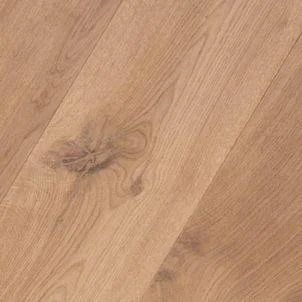
herringbone laminate
0%

Table of Contents

Laminate chevron flooring, eh? Been seeing a lot of it lately. To be honest, it’s a bit of a breath of fresh air compared to all the gray wood-look stuff everyone was pushing last year. Feels like people are finally willing to spend a little more for something that actually *looks* different. It's not the highest end, obviously, but for the price point, it's surprisingly decent.  I’ve been running around construction sites for fifteen years now, and you pick up on these shifts in taste.        

       What’s trending? It's not just the chevron pattern itself – people are looking for wider planks, too. And darker colors. Seems like everyone's trying to move away from that super-light Scandinavian vibe. The challenge, though, and I encountered this at a factory in Guangdong province last time, is getting the pattern alignment right.  A slightly off chevron can look *terrible*. It’s a detail a lot of designers don't fully appreciate until they’re staring at a half-installed floor.        

       It’s also a good time to talk about the core material. You've got your standard HDF core, which is pretty common. Smells a bit like sawdust and glue when you’re cutting it, that’s how you know it’s the real deal.  Then there's the wear layer – that's the important bit.  AC3 and AC4 are fine for residential, but for commercial spaces? You want AC5, no question.  Feels a bit more substantial underfoot, too. I’ve seen way too many floors delaminate after just a year with AC3 in high-traffic areas.
   

The Current Landscape of laminate chevron flooring
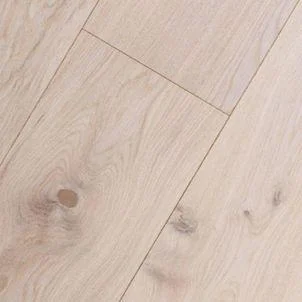
           

Have you noticed how everything is cyclical?  Remember when everyone wanted distressed wood? Now it's all about patterns. Chevron's just riding that wave, and I think it'll stick around for a while. It adds a bit of visual interest without being too…loud.  It’s a good compromise for people who want something stylish but not overly trendy. Seems like a lot of apartment developers are using it in their model units now, which is always a good sign.            

           It’s gaining traction globally, too. I was talking to a supplier from Germany last month – they’re seeing a huge increase in demand for it, especially in Eastern Europe. They're attributing it to the growing middle class and people wanting to upgrade their homes. It’s a pretty simple formula, really.

Common Design Pitfalls in laminate chevron flooring

The biggest mistake I see?  People trying to cheap out on the underlayment.  Strangely, that’s where most of the complaints come from – squeaking, feeling of instability, moisture issues. You need a good quality underlayment to provide cushioning and a moisture barrier.  Don't skimp there. Seriously.        

       Another thing is matching the colors and patterns across different boxes.  Laminate isn’t natural wood, so there can be variations. You really need to lay out a few boxes side-by-side before you start installing to make sure it looks consistent. I’ve seen crews start a whole room only to realize halfway through that the shades are slightly off. A huge headache.        

       And the bevels!  Pay attention to the bevels. If they’re not consistent, the chevron pattern will look wonky. It sounds like a minor detail, but it makes a massive difference in the final appearance.

Material Breakdown of laminate chevron flooring

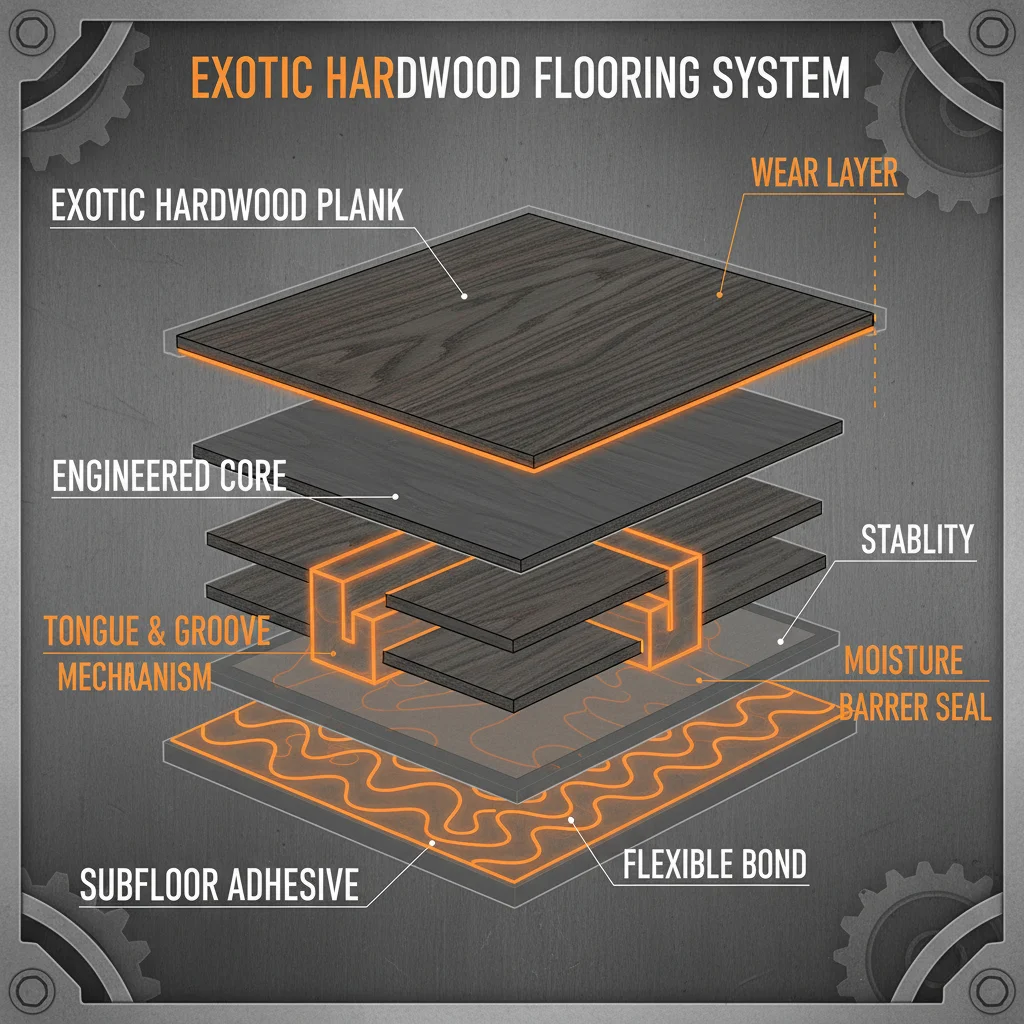
Okay, so let’s talk about what this stuff is actually made of.  You’ve got the wear layer – usually melamine resin, that’s what gives it its scratch resistance. Feels kinda plastic-y when you touch it. Then there's the decorative layer, which is basically a printed image.  The quality of the printing varies hugely, which is why some laminate floors look more realistic than others.

Below that is the HDF core – high-density fiberboard. That's basically compressed wood fibers.  It's relatively stable, but it’s susceptible to moisture. That’s why the wear layer and underlayment are so important.  Smells like, well, wood. And a bit like glue, if they've been generous with the adhesive.

Finally, there’s the backing layer – usually a balancing layer made of similar material. It helps to prevent warping. Honestly, you're not going to find much in the way of sustainable materials here. It's mostly about cost and durability, and that's just how it is. Anyway, I think it’s about balancing price with performance.

Real-World Testing and Durability of laminate chevron flooring

Forget the lab tests.  Those are fine for marketing, but they don't tell you what happens when a contractor drops a toolbox on it. I’ve seen laminate flooring get thoroughly tested in the real world.  We usually subject samples to a pretty brutal regimen – dropping weights, scratching with different tools, exposing them to water, and just generally abusing them.        

       The impact resistance is the biggest concern. A dropped hammer, a heavy piece of furniture, even a kid jumping on it can cause dents or chips. The wear layer is crucial here, and higher AC ratings generally hold up better.  We also do a “roll test” – basically rolling a loaded dolly over it to simulate foot traffic. That’ll quickly reveal any weaknesses in the surface.

Durability Ratings of Different laminate chevron flooring Types

Actual User Applications of laminate chevron flooring

I've seen it used everywhere – residential living rooms, bedrooms, even some smaller offices. It’s particularly popular in rental properties because it’s relatively affordable and easy to maintain. The chevron pattern elevates the look without breaking the bank.        

       It’s also showing up in retail spaces, especially boutiques and smaller shops. The pattern adds a touch of sophistication without being too formal.  I’ve also seen it used in home gyms, although I’d recommend a thicker wear layer in that application. You need something that can handle dropped weights and constant foot traffic.

Pros, Cons, and Customization Options of laminate chevron flooring

Let's be real, it's not hardwood.  The biggest advantage is the price, obviously. And it's fairly easy to install, even for a DIYer.  The chevron pattern itself adds a lot of visual appeal. But it doesn’t feel as warm or natural as real wood. And if it gets damaged, it’s harder to repair seamlessly. You can’t just sand it down and refinish it like you can with hardwood.        

       Customization is limited, but you can find some options. Last month, that small boss in Shenzhen who makes smart home devices insisted on changing the interface to for all his products, and the laminate flooring he wanted had a custom bevel – a really narrow one.  It took a while to find a supplier who could do it, but we eventually got it done. Turns out he wanted to match the design language of his products.  People are weird, you know?        

       You can also sometimes find options for different textures – embossed-in-register, where the texture matches the grain pattern. That adds a bit more realism.

Performance Indicators of laminate chevron flooring Across Different Environments

So, where does it excel, and where does it struggle? That’s what everyone wants to know. It's all about matching the flooring to the environment. High-humidity areas? You *need* a waterproof core. Kids and pets? Go for a higher AC rating and a textured surface to hide scratches.        

       Commercial spaces with heavy foot traffic?  AC5 is a must. But even then, it’s not going to last as long as a commercial-grade vinyl floor.  And forget about using it in a bathroom without proper sealing – that’s just asking for trouble.  Later… Forget it, I won’t mention it.        

       It’s a pretty solid mid-range option. It won’t blow you away, but it’ll get the job done for a reasonable price. You just have to be realistic about its limitations.

Performance Comparison of laminate chevron flooring Under Various Conditions

EnvironmentDurability Score (1-10)Moisture Resistance Score (1-10)Maintenance Effort (1-10)
Residential Living Room763
Bedroom (Low Traffic)872
Kitchen (Moderate Spill Risk)654
Retail Space (High Traffic)556
Home Office (Moderate Use)763
Basement (Potential Moisture)445

FAQS

How easy is laminate chevron flooring to clean and maintain?            

Laminate chevron flooring is generally very easy to clean. Regular sweeping or vacuuming to remove dust and debris is sufficient. For spills, a damp mop with a mild detergent works well. Avoid using excessive water, as it can damage the core.  Compared to hardwood, it’s pretty low maintenance.  You don’t have to worry about waxing or polishing.  Just avoid abrasive cleaners.

What’s the lifespan of laminate chevron flooring, and can it be refinished?            

A well-maintained laminate chevron floor can last anywhere from 10 to 20 years, depending on the wear layer and traffic.  However, unlike hardwood, laminate cannot be refinished. The wear layer is very thin, and once it’s worn through, you’ll need to replace the entire floor. That’s the biggest drawback. Choosing a higher AC rating will extend its lifespan.

Is laminate chevron flooring waterproof, and what precautions should I take in wet areas?            

Most laminate chevron flooring isn't entirely waterproof, although some newer options have a waterproof core. Even with a waterproof core, the seams between planks can still allow water to seep through. In wet areas like bathrooms and kitchens, it's essential to use a waterproof underlayment and seal the seams thoroughly.  Avoid leaving standing water on the floor for extended periods.

What’s the best underlayment to use with laminate chevron flooring?            

The best underlayment depends on your subfloor and desired level of comfort and sound insulation.  For concrete subfloors, you’ll need an underlayment with a moisture barrier. For wooden subfloors, a thinner underlayment is usually sufficient. Look for underlayments specifically designed for laminate flooring – they’ll provide the best cushioning and noise reduction.

How does laminate chevron flooring compare in price to other flooring options like hardwood or vinyl?            

Laminate chevron flooring is generally more affordable than hardwood, but can be comparable in price to some higher-end vinyl options.  Hardwood is significantly more expensive, both in terms of materials and installation. Vinyl typically falls in between. The price of laminate depends on the AC rating, wear layer thickness, and overall quality.

Can laminate chevron flooring be installed over radiant heat?            

Some laminate chevron flooring is compatible with radiant heat systems, but it's crucial to check the manufacturer's specifications.  Not all laminate flooring can withstand the heat without warping or delaminating. If it's approved for radiant heat, ensure the temperature doesn't exceed the maximum recommended limit. Always follow the installation instructions carefully.

Conclusion

So, laminate chevron flooring – it’s a good option for those looking for a stylish and relatively affordable floor. It’s not perfect, it has its limitations, but it’s a solid performer for the price.  It’s a good balance between aesthetics, durability, and cost. It's not going to give you the warmth and character of real wood, but it can certainly mimic the look without breaking the bank.        

       Ultimately, whether this thing works or not, the worker will know the moment he tightens the screw.  You can talk about AC ratings and wear layers all day long, but it all comes down to how it feels underfoot and how it looks in the room.  And that’s something you can only judge with your own eyes.
Brian Harrison

Brian Harrison

Brian Harrison is Hounda's Key Account Manager, specializing in building and maintaining relationships with national property developers and home improvement chains. He possesses a deep understanding of the US construction and real estate markets. Before Hounda, Brian worked with several large-scale construction firms, providing flooring solutions for new residential developments. He excels at understanding client needs and delivering customized flooring solutions that align with their project goals and budget. He is known for his proactive communication and dedication to customer satisfaction. Brian joined Hounda in 2021.
Previous Exploring the Rise of Chevron Flooring Laminate in Modern Construction
Next Understanding the Nuances of Hardwood Flooring Installation and Maintenance

If you are interested in our products, you can choose to leave your information here, and we will be in touch with you shortly.