
- russian
- luganda
- maithili
- maori
- marathi
- norwegian
- oromo
- persian
- polish
- portuguese
- quechua
- korean
- shona
- sindhi
- singapore
- spanish
- tamil
- thai
- turkish
- ukrainian
- urdu
- vietnamese
- english
- arabic
- aymara
- basque
- belarusian
- bengali
- cebuano
- czech
- danish
- deutsch
- dutch
- afrikaans
- filipino
- finnish
- french
- galician
- hindi
- indonesian
- irish
- italian
- japanese

Hickory flooring is experiencing a resurgence in popularity, driven by its distinctive grain patterns, exceptional durability, and natural beauty. As homeowners and builders alike seek materials that offer both aesthetic appeal and long-term value, hickory stands out as a compelling choice. This resurgence isn’t merely a trend; it’s a reflection of a growing preference for natural, sustainable, and robust flooring options in both residential and commercial spaces.
Globally, the demand for hardwood flooring remains strong, with hickory carving out a significant niche. According to the National Wood Flooring Association, hardwood flooring consistently holds a substantial market share, and while oak traditionally dominates, hickory's market share is steadily increasing. This growth is fueled by heightened consumer awareness of sustainable forestry practices and a desire for unique, character-rich flooring that distinguishes homes.
Understanding hickory flooring isn't just about recognizing a beautiful surface; it’s about appreciating a material that embodies resilience, sustainability, and enduring style. The increasing demand necessitates a deeper dive into its properties, applications, and future potential, making it crucial for both professionals and homeowners to be well-informed.
The Characteristics of hickory flooring
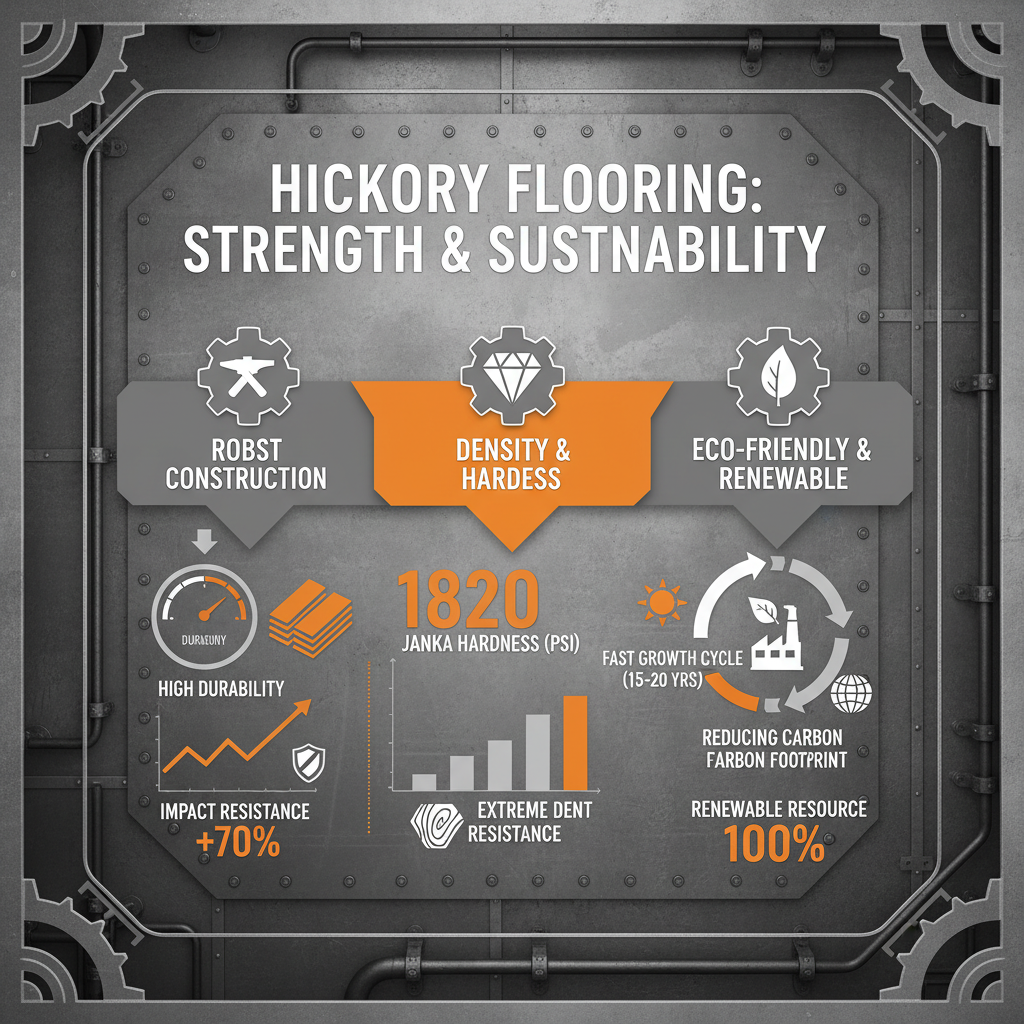
Hickory flooring is renowned for its exceptional hardness, ranking significantly higher on the Janka hardness scale compared to many other popular hardwood species like oak or maple. This makes it an ideal choice for high-traffic areas and homes with active families or pets. The density of hickory contributes to its resistance to dents, scratches, and wear and tear.
Beyond its durability, hickory boasts a striking visual appeal. Its grain pattern is highly variable, ranging from straight and uniform to wildly figured and swirled, providing a unique character to each plank. The color palette also varies, typically ranging from a creamy white to a rich reddish-brown, further enhancing its aesthetic versatility. This distinctive character makes hickory flooring a popular choice for those seeking a rustic or natural look.
FAQS
Solid hickory flooring is made from a single piece of wood, offering greater durability and the ability to be refinished multiple times. Engineered hickory flooring consists of a veneer of hickory bonded to a core of plywood or other composite material. It's more dimensionally stable and suitable for installations where moisture is a concern, like basements. However, it has a limited number of refinishing cycles depending on the veneer thickness.
While hickory is relatively durable, it's not ideally suited for consistently high-moisture areas like bathrooms without proper precautions. Engineered hickory with a waterproof core is a better choice for such environments. If using solid hickory, ensure adequate ventilation and consider applying a waterproof sealant. Regular maintenance and prompt cleanup of spills are also crucial.
Hickory flooring generally falls in a similar price range to or slightly higher than oak flooring, depending on the grade, width, and finish. Premium hickory with distinctive grain patterns and wider planks will typically command a higher price. However, its durability and longevity can offset the initial cost over time, making it a good long-term investment.
Several finishes are well-suited for hickory flooring, including polyurethane, oil-based, and water-based finishes. Polyurethane provides excellent durability and water resistance, while oil-based finishes enhance the natural grain and offer a warm, traditional look. Water-based finishes are low-VOC and dry quickly. The best choice depends on your aesthetic preferences and lifestyle.
To minimize scratches and dents, use furniture pads under all furniture legs, place rugs in high-traffic areas, and avoid wearing high heels indoors. Regular sweeping and damp mopping will remove abrasive particles that can cause wear. Promptly clean up spills to prevent staining and potential damage.
Hickory has a Janka hardness rating of around 1820 lbf (pounds-force). This measures the force required to embed a steel ball into the wood, indicating its resistance to denting and wear. A higher Janka rating means the wood is harder and more durable, making hickory an excellent choice for homes with pets, children, or heavy foot traffic.
Conclusion
In conclusion, hickory flooring stands out as a compelling choice for homeowners and builders seeking a blend of durability, aesthetic appeal, and sustainability. Its exceptional hardness, unique grain patterns, and natural beauty make it a versatile option for a wide range of interior design styles. By understanding the grading, installation, and maintenance requirements, you can ensure a lasting and beautiful flooring solution.
As a renewable resource, hickory also offers an environmentally responsible flooring option. Looking ahead, we can anticipate continued innovation in hickory flooring production and finishing techniques, further enhancing its appeal and expanding its applications. For more information and to explore our selection of hickory flooring, visit our website at www.houndafloor.com.

Ethan Reynolds
If you are interested in our products, you can choose to leave your information here, and we will be in touch with you shortly.


